Vintage Metal Artifacts

A collection of vintage metal objects including brooches, keys, and a decorative door beater, showcasing intricate designs and historical craftsmanship.

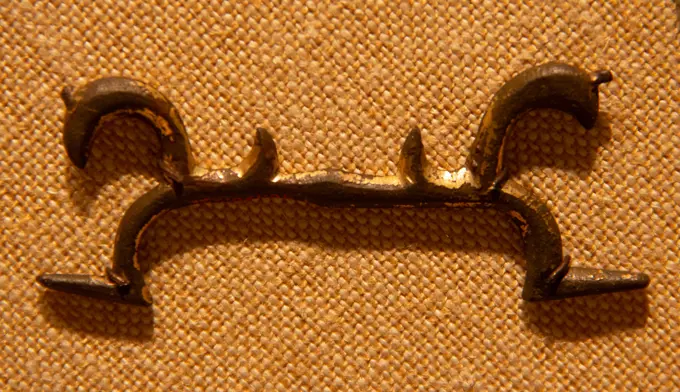
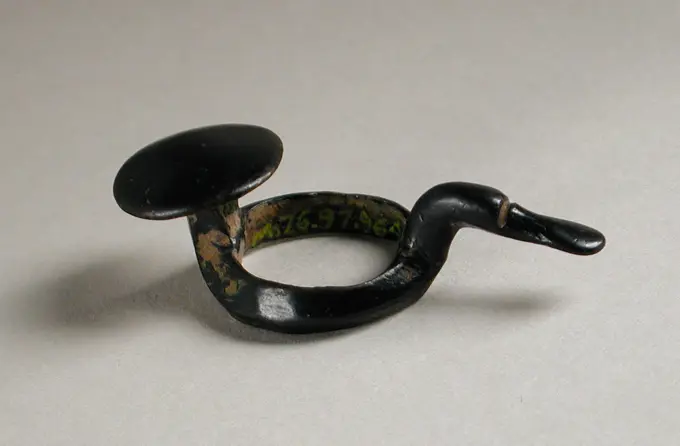
Door beater with dragon ornament and two mascarons., 1500 - 1600 A forged iron door beater in the shape of a ring; Dragon ornament and two mascarons.  iron (metal) A forged iron door beater in the shape of a ring; Dragon ornament and two mascarons.  iron (metal)
Door beater with dragon ornament and two mascarons., 1500 - 1600 A forged iron door beater in the shape of a ring; Dragon ornament and two mascarons. iron (metal) A forged iron door beater in the shape of a ring; Dragon ornament and two mascarons. iron (metal)
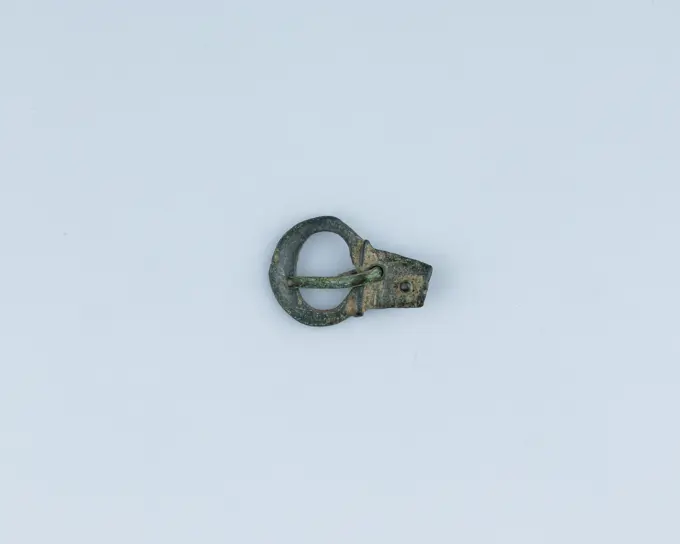
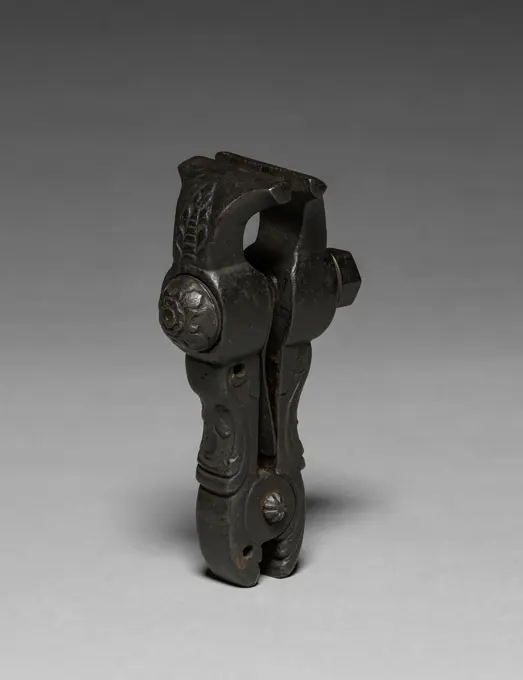
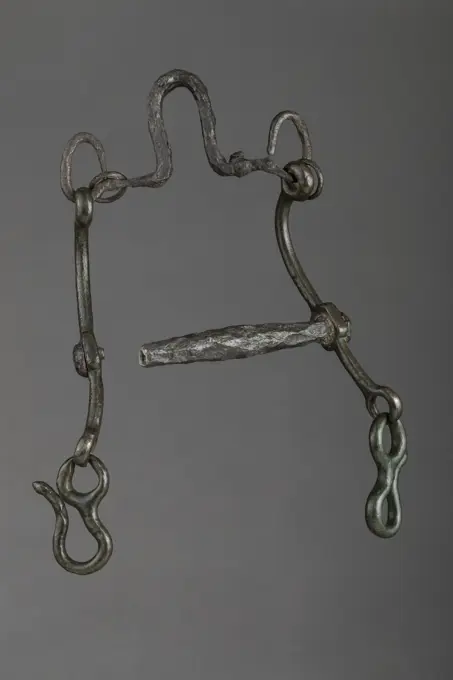
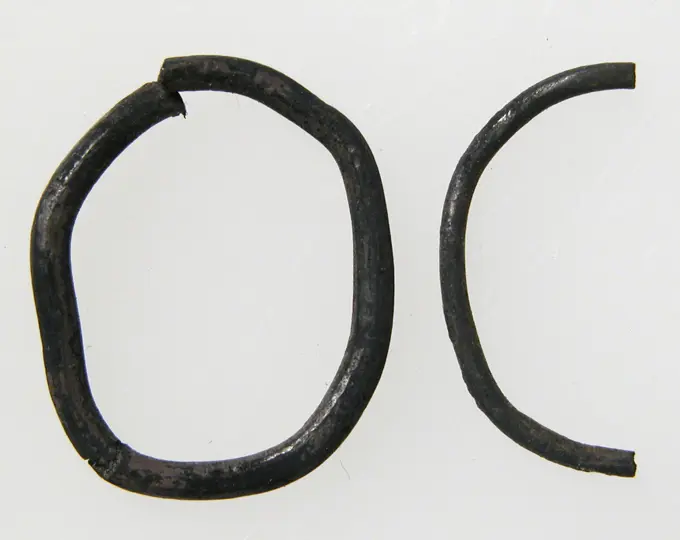
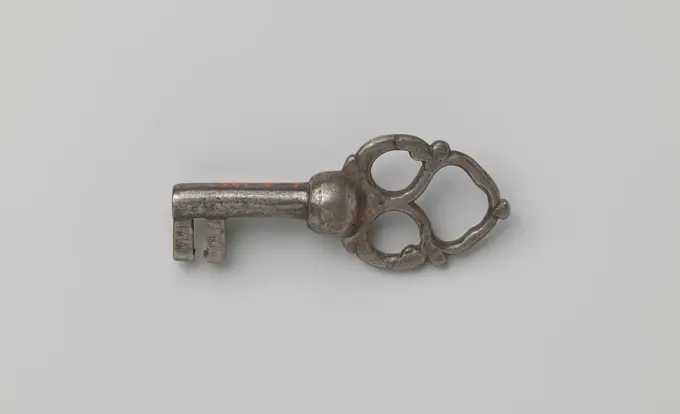
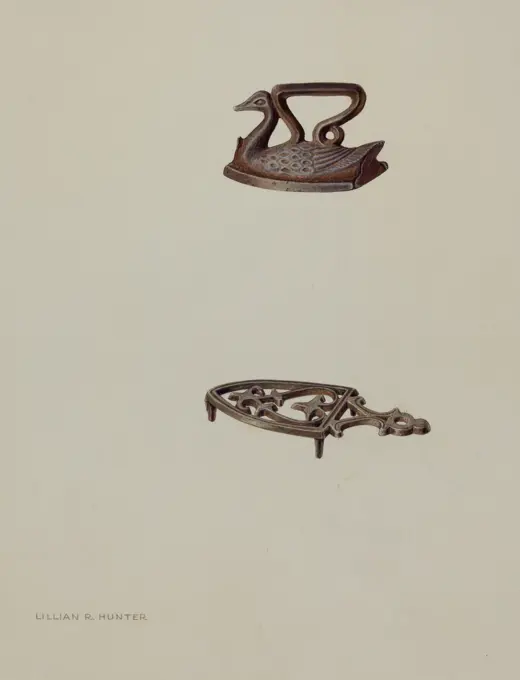
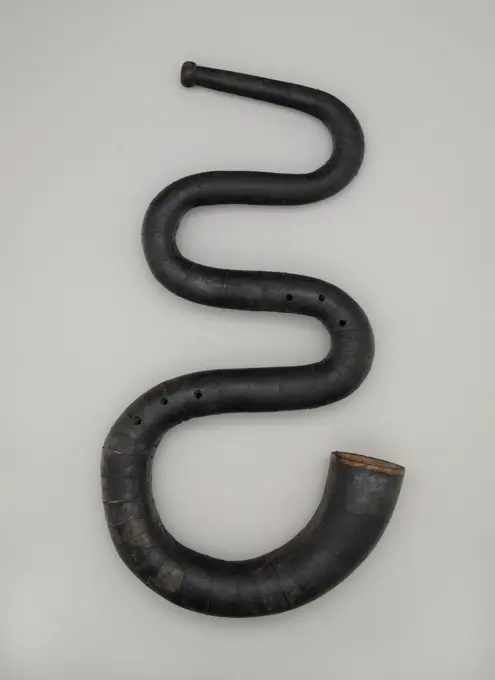
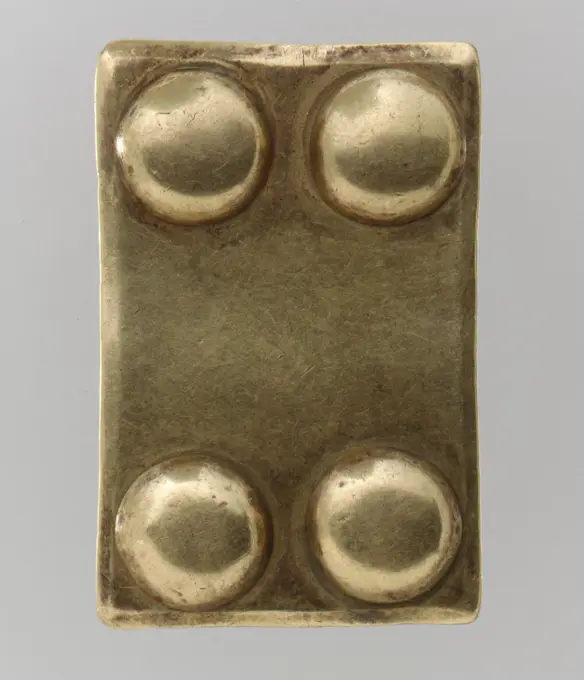
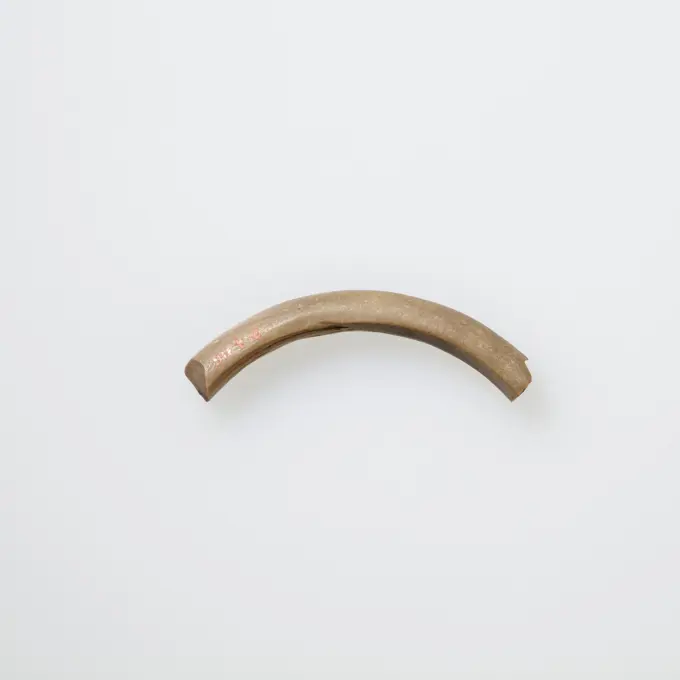
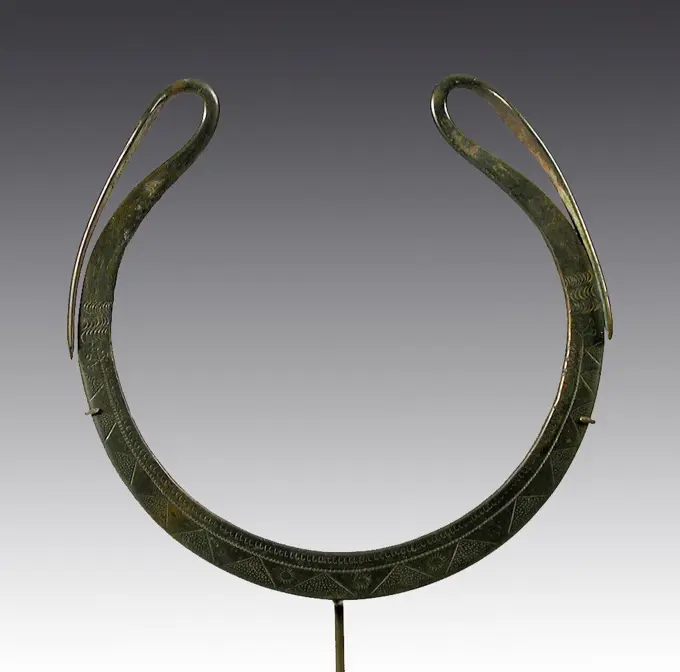
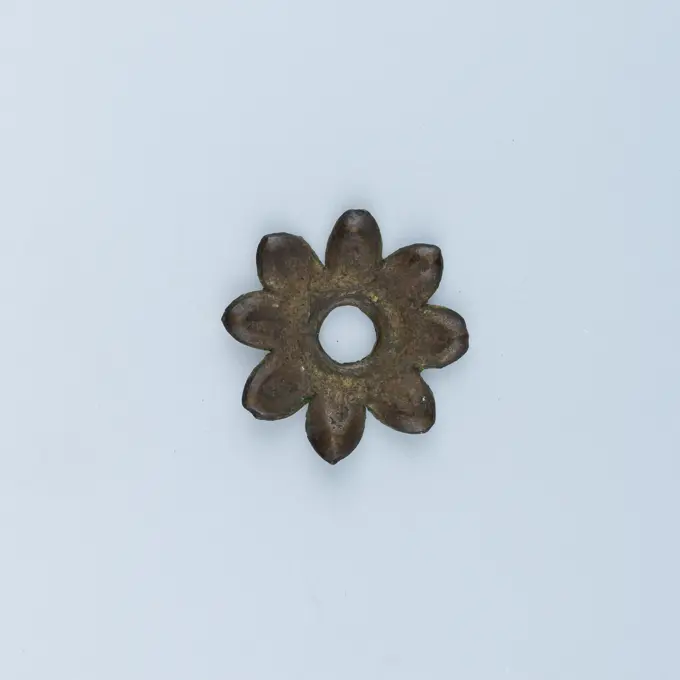
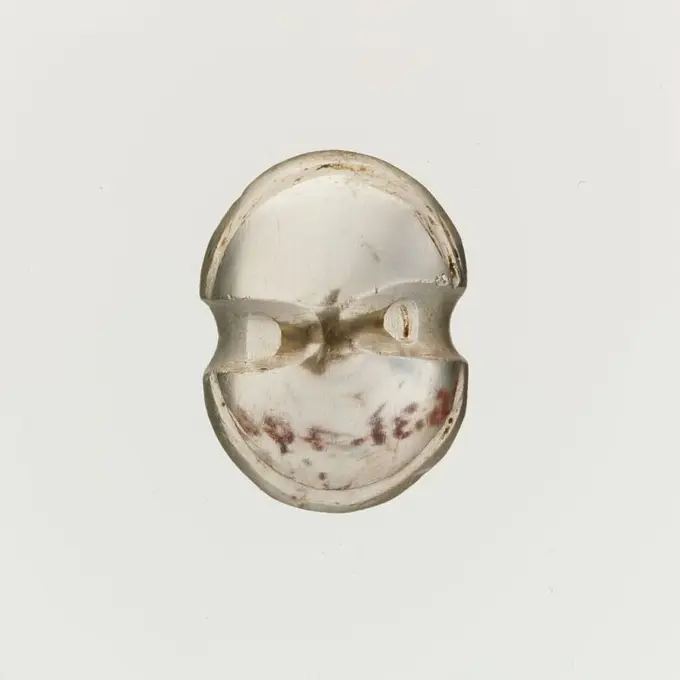
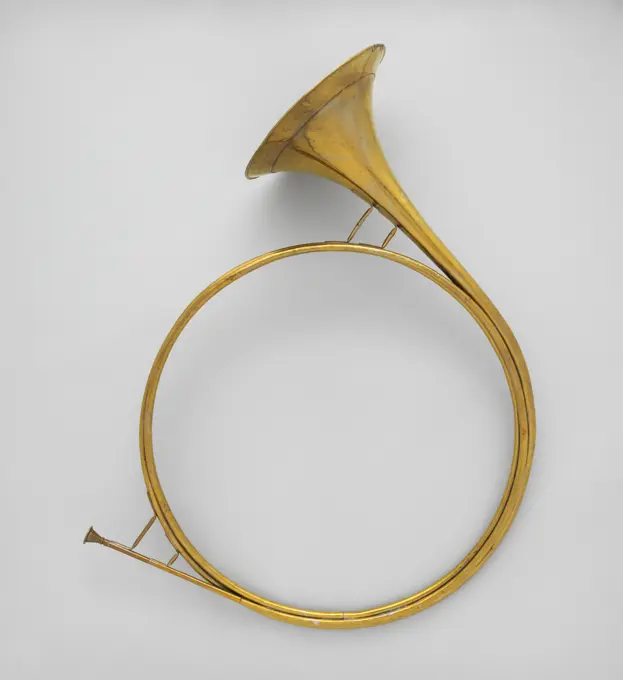
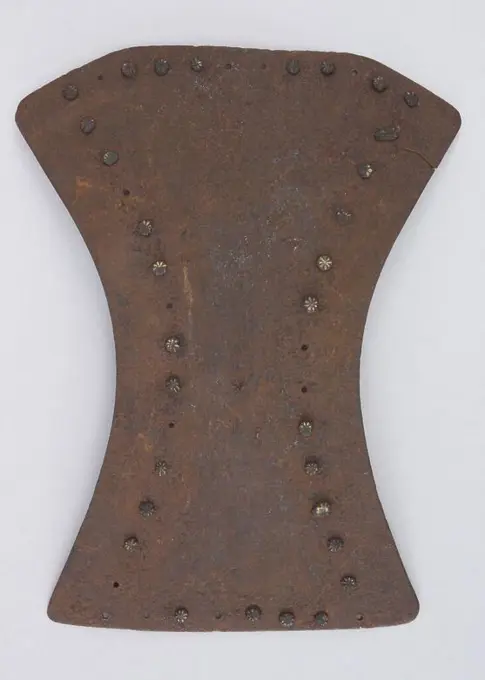
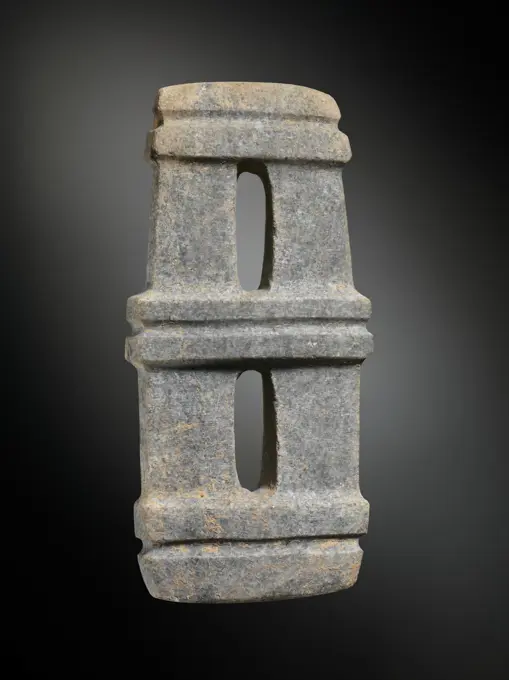
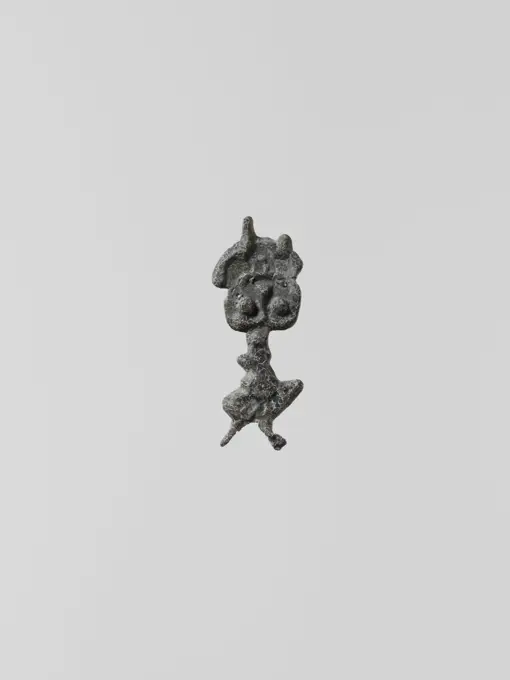
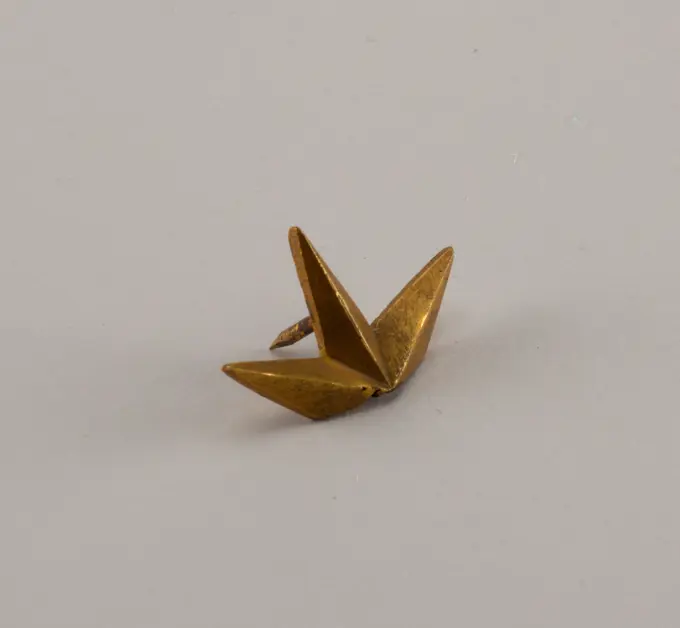
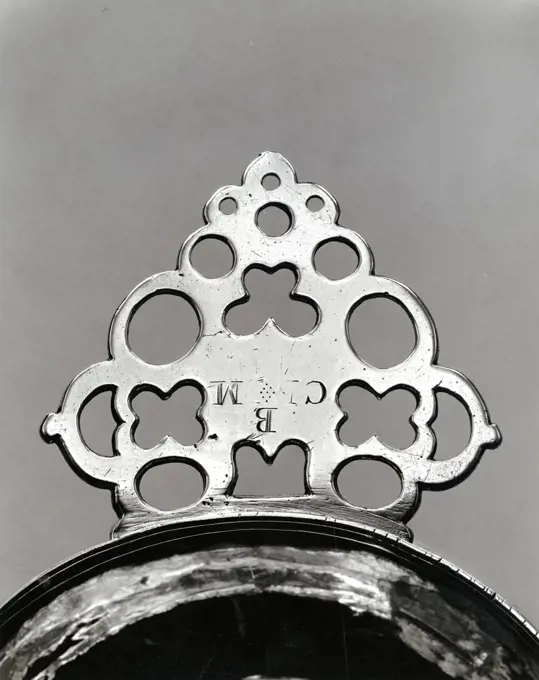
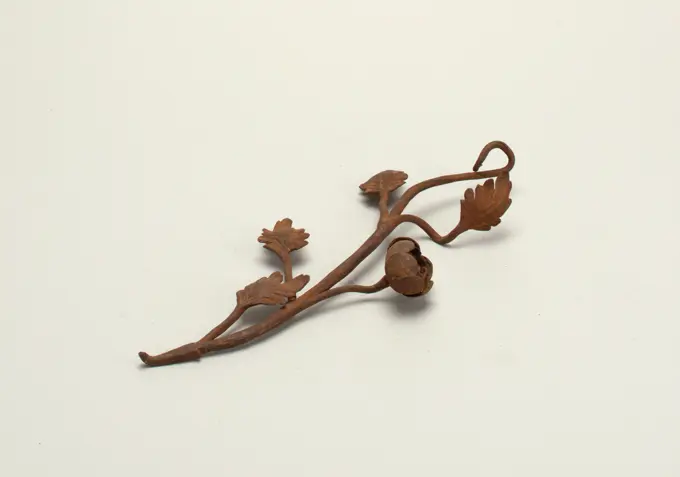
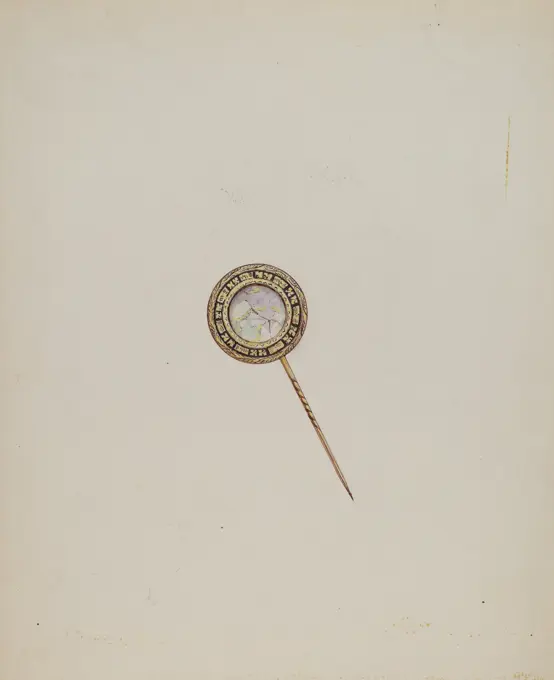
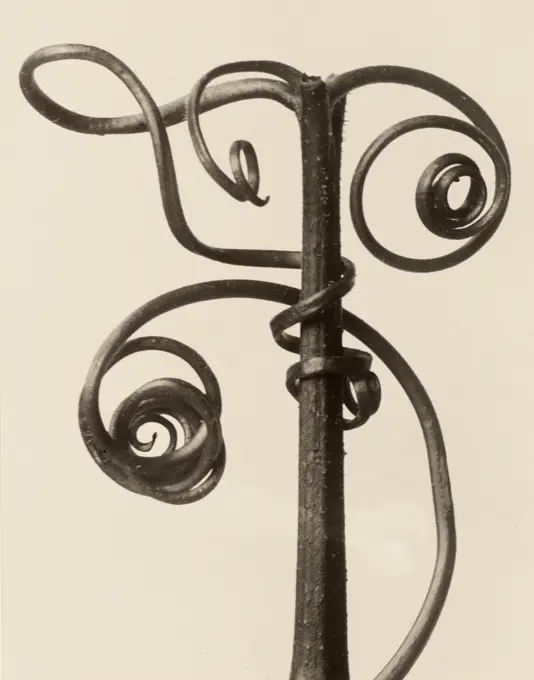
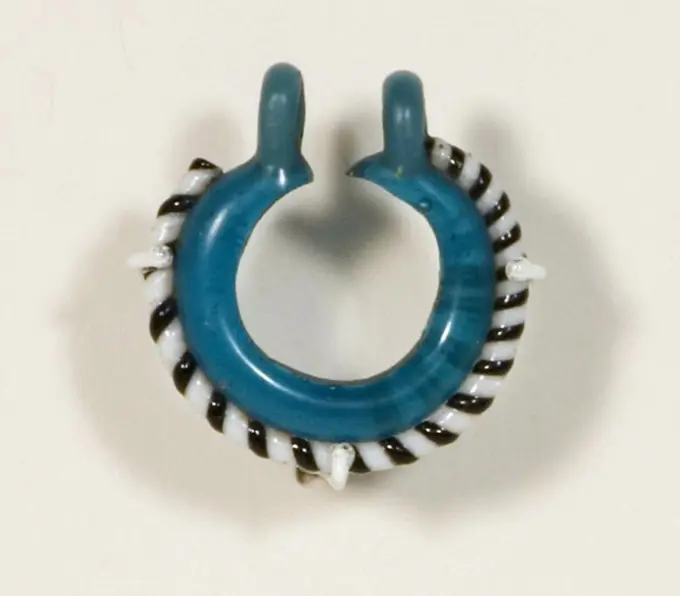
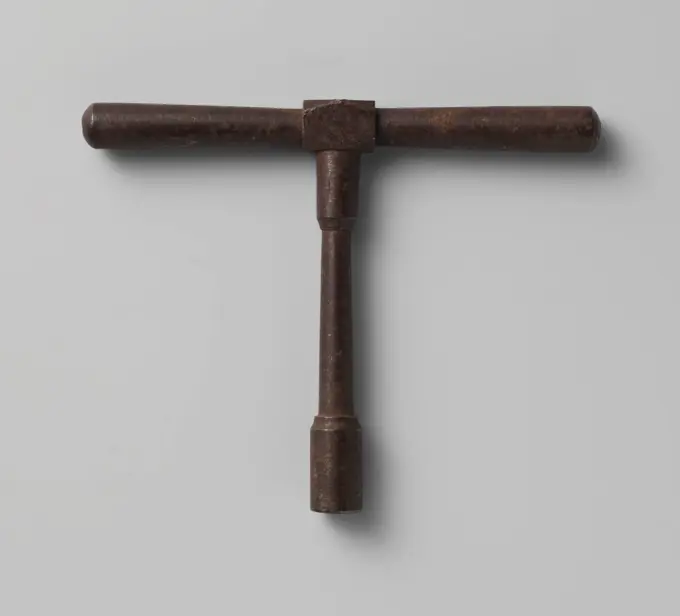
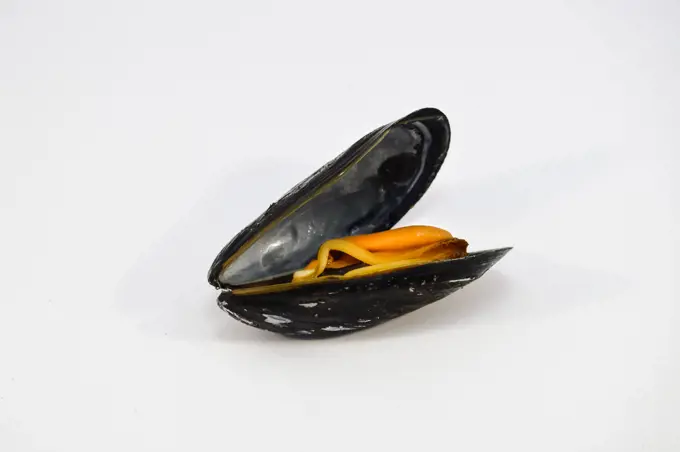
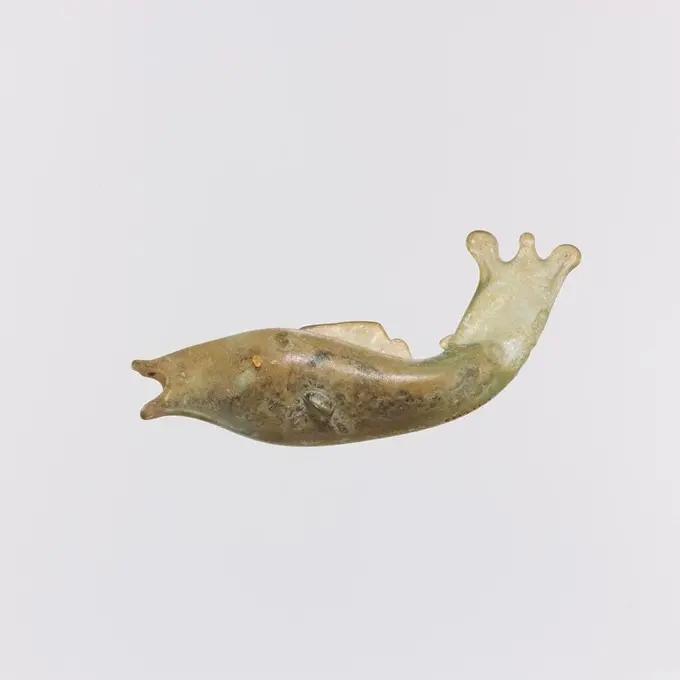
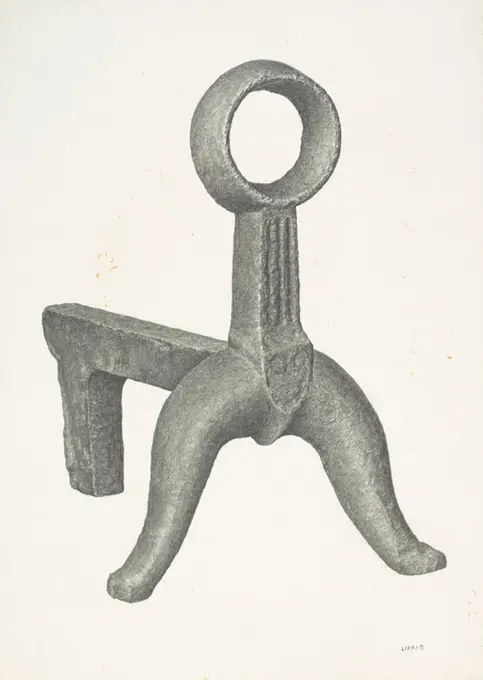
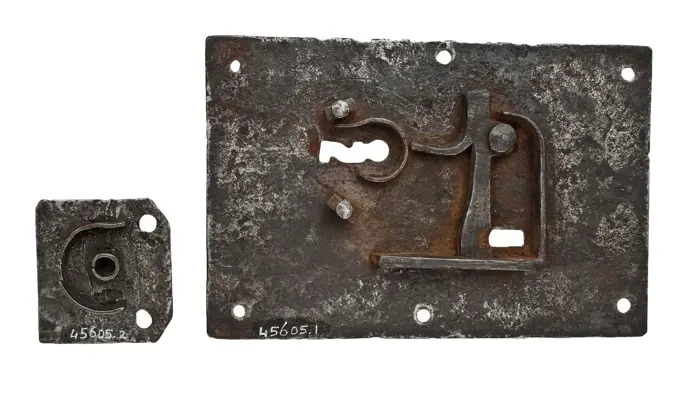
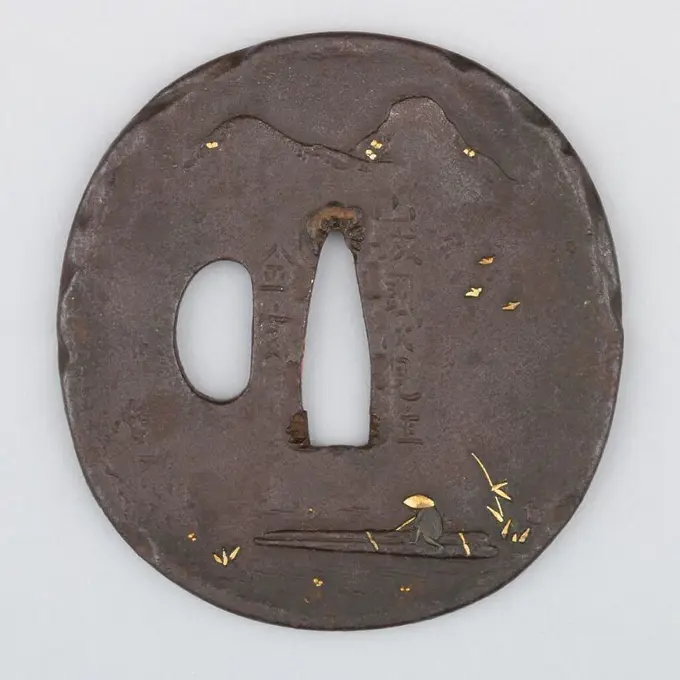
Sword Guard (Tsuba). Culture: Japanese. Dimensions: H. 2 7/8 in. (7.3 cm); W. 2 3/4 in. (7 cm); thickness 3/16 in. (0.5 cm); Wt. 3.7 oz. (104.9 g). Date: 17th century. Museum: Metropolitan Museum of Art, New York, USA.Helmet. Culture: Mongolian. Dimensions: H. 11 3/4 in. (29.8 cm); W. 7 15/16 in. (20.2 cm); D. 9 in. (22.9 cm); Wt. 2 lb. 7 oz. (1105.6 g). Date: 15th-17th century. Museum: Metropolitan Museum of Art, New York, USA.Buckle 15th-16th century European. Buckle. European. 15th-16th century. Bronze. Miscellaneous-Buckles & OrnamentS-Shaped Brooch 6th century B.C. Celtic This lovely bronze brooch dates from the sixth century B.C. Brooches like these are characterized as serpentine because of their twisting, snakelike shape. Brooches of this type are found all over western and central Europe, most often in Italy. Both men and women are buried with them, and although they are usually made from bronze, examples have also been found made from gold, silver, and even iron.. S-Shaped Brooch 466245Lead ornament, possibly imitating jewelry 6th-5th century B.C. Greek, Laconian Small flat votive figurines of cast lead have been found in great quantities at the ancient sanctuaries of Laconia; over one hundred thousand, dating from the seventh century B.C. to the Classical period, were dedicated to the goddess Artemis Orthia in Sparta.. Lead ornament, possibly imitating jewelry 251693 Greek, Laconian, Lead ornament, possibly imitating jewelry, 6th5th century B.C., Lead, Height: 9/16 in. (1.4 cm). The Metropolitan Museum of Art, New York. Gift of A. J. B. Wace, 1924 (24.195.127)Spindle whorl n.d.a.. Spindle whorl. n.d.a.. Stone, gray. Mesopotamia, NippurHand Vice, 1600s. Germany (), 17th century. overall: 10.2 x 16.3 cm (4 x 6 7/16 in.).Curb Bit 1st century B.C.-1st century A.D. Thracian or Celtic The mouthpiece of this bit consists of a U-shaped high port and small rollers on both sides (one is missing). The small bronze rings on the sides were attached to the bridle. The two bronze shanks, from which hooks hang for the reins, are connected by a thick horizontal bar acting as a curb. The curb bar would have pressed the horses chin when the reins were pulled back.This object is also an example of the earliest type of curb bit to have been invented. It seems to have developed in the Balkans among Thracian and Scordisci (Eastern Celts) cultures between the 3rd and 1st century B.C. These populations were known for their great equestrian skills, especially at war. Examples of these bits have also occasionally been found in some western Celtic burials dating from the 1st century B.C., but they mostly spread in Roman territories during the conquest, thanks to the Thracian and East Celtic cavalrymen incorporated in the armyPair of Earrings 4th-7th century Coptic. Pair of Earrings 477753Vintage Wooden Spinning Wheel Vintage wooden spinning wheel against white background Copyright: xZoonar.com/vicspacewalkerx 3801659Equestrian track with seven-pointed star. A forged iron equestrian track, guild test; The stimulus in the form of a 7 pointed star, the heel decorated with ornament worked in the day, the track with volutes, in which lions.Tongs 1800-1810 J. S. Porter. Tongs. American. 1800-1810. SilverPijpsleutel.Pipe key with handle by leaf drinks divided into three openings. The capital is ball-shaped. Beard two-fold.Lillian Hunter, Toy Iron, c 1937 Toy IronIron padlock, c. 1400 - c. 1950 An iron padlock whose stumps are missing.  iron (metal) An iron padlock whose stumps are missing.  iron (metal)Plates and Nails. Culture: European. Dimensions: Overall: 8 in. (20.3 cm). Date: 15th-16th century. Museum: Metropolitan Museum of Art, New York, USA.Sword Guard (Tsuba). Culture: Japanese. Dimensions: Diam. 2 15/16 in. (7.5 cm); thickness 3/16 in. (0.5 cm); Wt. 5 oz. (141.7 g). Date: ca. 1615-1868. Museum: Metropolitan Museum of Art, New York, USA.Bloemguirlande. An iron flowerguirland.Ring. Ring 256673Serpent 17th century () possibly Italian. Serpent. possibly Italian. 17th century (). Wood, leather. Italy. Aerophone-Lip Vibrated-hornPendant ca. 50 B.C.-500 A.D. Roman. Pendant. Roman. ca. 50 B.C.-500 A.D.. Bronze. Miscellaneous-Buckles & OrnamentPlaque with a Winged Horse 1st century China These plaques were created by (or for) the Xianbei, a nomadic people living in the steppes region of what is now Mongolia and northern China, who would later control a large part of northern China as the Northern Wei dynasty (386-534). According to the dynastic history of the Wei, they were led into China by a mysterious animal spirit that was shaped like a horse and that bellowed like an ox.(One of a pair; see 24.174.6). Plaque with a Winged Horse 52109Bracelet ca. 8th-7th century B.C. Iran. Bracelet 327034Arrowhead for an Incendiary Arrow 2nd century Roman. Arrowhead for an Incendiary Arrow 34064Gold Belt Mount with Rivets 700s Avar The treasure contains an array of belt fittings, some elaborately decorated, some unfinished or defectively cast. Some show no signs of use, while others are quite worn.The AvarsThe Avars were a nomadic tribe of mounted warriors from the Eurasian steppe. The Byzantine emperor Justinian negotiated with them in the sixth century to protect the Empires northern border along the Black Sea. Emboldened by their subjugation of numerous tribes, they unsuccessfully attempted to seize the Empires capital, Constantinople. They remained a scourge of both Byzantium and the Western kingdoms until Charlemagne defeated them through a series of campaigns in the 790s and early 800s.All the money and treasure that the Avars had been years amassing was seized, and no war in which the Franks have ever engaged.. brought them such riches and such booty. Up to that time the Avars had passed for a poor people, but so much gold and silver was found.. that one may well thiPipe Box 1700-1800 American. Pipe Box. American. 1700-1800. Pine. Made in New England, United StatesPattern bag with bandelier worn by C.J.H. Count of Limburg Stirum, Colonel Adjutant of Z.K.H. The Prince of Ora, Anonymous, c. 1800 - c. 1830 cartridge pouch A pattern bag made of steel with leather, decorated with silver 'w', the bandelier with silver buttons. The decorations are described as buyer in the NM inventory. Netherlands silver (metal). iron (metal). leatherSlit Disc (jue) 700 BCE-600 BCE China. Jade .Bracelet (Bangle) Fragment ca. 3100-2649 B.C. Early Dynastic Period Flint bangles such as this one are mainly found in burials. The deceased often wore multiple bangles together, on one or both forearms. These items were in use for a relatively short time, only during the Early Dynastic period, and most examples date specifically to the First Dynasty. They were made through a combination of flaking and grinding. Flint bangles were extremely difficult to produce and demonstrate the exceptionally high degree of expertise achieved by Egypts flint knappers. They also show that Ancient Egyptians used flint for personal adornment and display, not just to make implements needed for utilitarian and subsistence purposes.. Bracelet (Bangle) Fragment. ca. 3100-2649 B.C.. Flint. Early Dynastic Period. From Egypt, Northern Upper Egypt, Abydos, Umm el-Qaab, Tomb of Djer, Egypt Exploration Fund excavations. Dynasty 1Iron sample. Iron folding test.Wings for voluntary hunter, ca. 1830-1831., Anonymous, c. 1830 - c. 1831  Wings of green wool with brown cotton laces, on which green Lakense shoulder patch, which is yellowed yellow. To confirm this to the shoulders of the skirt. On the epaulette a leather label with number 92 and a label with NM 10385-92 Roosdorp. Netherlands wool. cloth. metal   NetherlandsOld circular saw blade isolated on white Rusty old circular saw blade isolated on white background Copyright: xZoonar.com/VladimirxBadaevx 9618337Sword Guard (Tsuba) late 17th century Japanese A tsuba is a sword guard and part of a sword mounting. It is mounted between the swords blade and grip to protect the users hands.. Sword Guard (Tsuba) 34945Neck Ring 500-300 B.C. Celtic This piece testifies to the willingness of Celtic craftsmen to experiment with the form and decoration of the neck ring. With elegant simplicity, it brings together the abstract geometric designs of northern metalwork and the curvilinear motifs of a Mediterranean aesthetic.Flat in section, the neck ring is decorated with an incised geometric pattern of zigzags and punched dots that includes a motif reminiscent of sunbursts. Its "swan's neck" terminals, which fold back on themselves, are incised with a motif derived from the classical Greek palmette.. Neck Ring 473253Antique metallic key of ancient metallic keyRosette dated 1590 Italian. Rosette. Italian. dated 1590. Brass. Miscellaneous-Buckles & OrnamentCrank weight for 200 silver ducates with the sack. Bronze weight for 200 silver ducaten with the sack. Massing 5600 grams. Marked and titled. A number of calibration brands occur on the hull with the years 1700-1819 with the calibration brand of S.G. Nail.Hat, 25 1/2 x 13 1/2 x 7 1/2 in. (64.77 x 34.29 x 19.05 cm) (with chain dangling), Silver, Chinaused steel key for cylinder lock used steel key for cylinder lock isolated on white background Copyright: xZoonar.com/ValeryxVoennyyx 5660489Scandinavia. Horseshoes. High Middle Ages. Crampon. Driven into the horseshoe to prevent slipping on ice. Norway. Historical Museum. Oslo. Norway.Silver thimble, as a flat ring with a wide nail protecting upper section. Silver thimble, as a flat ring with a wide nail-protecting upper section and a narrow underlay; To let the first finger move free when sewing. Brands: Zwaantje, for Groningen and W. S., W. Schutter.Fibula Greek, Cypriot. Fibula 244420Sword Guard (Tsuba) ca. 1615-1868 Japanese A tsuba is a sword guard and part of a sword mounting. It is mounted between the swords blade and grip to protect the users hands.. Sword Guard (Tsuba) 33490Mouthpiece of a Snaffle Bit. Culture: European. Dimensions: W. 4 1/8 in. (10.5 cm); Wt. 2 oz. (56.7 g). Date: 11th-8th century B.C..The snaffle bit is the simplest type of horse bit, and has an effect on the bars (part of the horses' jaw without teeth) and the corners of the lips. The mouthpiece of this bit is composed of a single twisted bar. Rings for the bridle and reins, now lost, were attached to the side eyelets. Such bits and other tack parts are found in male warrior burials associated with the Hallstatt culture, in which the use of the horse was a symbol of wealth and high status. Museum: Metropolitan Museum of Art, New York, USA.Rock crystal bead in the form of a figure-of-eight shield. Culture: Minoan. Dimensions: Length: 1/2 in. (1.3 cm). Date: ca. 2200-1450 B.C..Grooved. Museum: Metropolitan Museum of Art, New York, USA.Sword Guard (Tsuba) late 16th century Japanese A tsuba is a sword guard and part of a sword mounting. It is mounted between the swords blade and grip to protect the users hands.. Sword Guard (Tsuba) 30013Gold buckle Leopard on black leather backgroundTrompe de Chasse in D 1789-1801 Courtois père Hunting horns are natural brass instruments (that is, without valves) and like bugles, sound only the limited sequence of notes in the harmonic series. This hunting horn is of the type called a trompe dauphine, which became the official hunting horn of the French court in 1729. As such, it was used until the French Revolution. Later, slightly smaller versions came into use.. Trompe de Chasse in D. French. 1789-1801. Brass. Paris, France. Aerophone-Lip Vibrated-hornBrigandine Plate. Culture: Italian. Dimensions: H. 9 in. (22.9 cm); W. 6 3/4 in. (17.1 cm); Wt. 1 lb. 0.7 oz. (473.4 g). Date: 1400-1450. Museum: Metropolitan Museum of Art, New York, USA.Mirror Handle 9th-10th century. Mirror Handle. 9th-10th century. Bronze; cast, gilded. Excavated in Iran, Nishapur. MetalPurse handle, Engraved silver, Shaped purse frame and inner frame pivoting on two pins. Front piece engraved with church and townscape, birds and scrollwork. Suspension ring and diamond-cut knob., The Netherlands, early 19th century, metalwork, Decorative Arts, Purse handleBelt Buckle. Iran, circa 150 B.C.-A.D. 225. Costumes; Accessories. Bronze, castBetty Lamp 1700-1800. Betty Lamp. 1700-1800. Wrought ironTemple Model 200 B.C.-A.D. 500 Mezcala Stone models in the Mezcala style come largely from the present-day state of Guerrero, in southwest Mexico. A particularly long-lived tradition, these works may have been produced over some one thousand years, from as early as 500 B.C. Little is known about their archaeological contexts, and there are few points of reference with surviving architecture in the region. It is possible that these models emulate buildings with stone columns, such as those from Cuetlajuchitlán; alternatively they could recall above- or below-ground funerary structures, in which case the columns would represent wood supports of a tomb or a funerary pyre. Mezcala models may have served multiple functions over time, in keeping with the Mesoamerican custom of repurposing or recarving stone objects. Oblong models, for example, may have been recarved from celts, ritual tools of great symbolic importance. Several have holes drilled into the base, which could have been used to Knife leftring from the wreck of the East Indiesman Hollandia. Knife-Handle, Ferrule; ID. NG 1980-27H426.Sword Guard (Tsuba) ca. 1615-1868 Japanese A tsuba is a sword guard and part of a sword mounting. It is mounted between the swords blade and grip to protect the users hands.. Sword Guard (Tsuba) 34459Glass pendant in the form of a lamp 4th century A.D. Roman Translucent cobalt blue.Solid pendant, flat on top and bottom, with projecting U-shaped nozzle and upturned handle as suspension loop.Two small holes in top to indicate holes in discus and nozzle.Intact; pitting of surface bubbles, dulling, and small patches of whitish weathering.Blue lamp, hole through neck.. Glass pendant in the form of a lamp 249685Rectangular and curved shoe spacer of gilded copper, decorated with a meander, citulated in relief on a black foundation, anonymous, c. 1800 Rectangular and curved shoe -splitting of gilded copper, decorated with a meander, in relief citied on a black stock. Geneva (Possible) copper (metal). gilding (material). metal gilding Rectangular and curved shoe -splitting of gilded copper, decorated with a meander, in relief citied on a black stock. Geneva (Possible) copper (metal). gilding (material). metal gildingOrnaments, 14 Greek, Laconian. Ornaments, 14 251707 Greek, Laconian, Ornaments, 14, Lead, Height: 1 1/16 in. (2.7 cm). The Metropolitan Museum of Art, New York. Gift of A. J. B. Wace, 1924 (24.195.141)Atlas, anonymous, c. 1600 - c. 1700 Atlas is attached to a semicircular arch with pear -shaped ends. The image is marked: written letter N and an ax. Netherlands silver (metal) Atlas is attached to a semicircular arch with pear -shaped ends. The image is marked: written letter N and an ax. Netherlands silver (metal)MountLuckenbooth brooch -Metal shackles isolated on the whitePicture frame -Helmet, Court of the Gladiators, Pompeii (Gladiator helmet), by Unknown artist, 69 - 96 d.C.,, bronze worked in relief. Italy: Campania: Naples: National Archaeological Museum. Whole artwork. Helmet gladiator decoration scenes Trojan WarSword Guard (Tsuba). Culture: Japanese. Dimensions: H. 2 7/8 in. (7.3 cm); W. 2 3/4 in. (7 cm); thickness 3/8 in. (0.5 cm); Wt. 4.8 oz. (136.1 g). Date: 19th century. Museum: Metropolitan Museum of Art, New York, USA.Metal shackles isolated on the whiteSliding key, c. 1400 - c. 1950 Sliding key with large, ring -shaped eye and narrow quadrangular beard. Rome (possibly) bronze (metal) Sliding key with large, ring -shaped eye and narrow quadrangular beard. Rome (possibly) bronze (metal)Amuleto, ancla romana de bronce. Can Serra Museu de Mataró.Novelty clock with wire sunburstsMaker: Jeremiah Dummer, American, 1645-1718, Porringer, ca.1695, Silver, 2 1/16 in. (5.2 cm), Made in Boston, Massachusetts, American, 17th-18thcentury, Containers -MetalsAmerican 20th Century, Flatiron, 1935 1942 Flatiron. Round tsuba with a simple openwork decoration of a square with swamped sides; Signed "Kaneyoshi" ().Applique in the Shape of an Ivy Leaf Calyx. UnknownPair of Shoe Buckles 1775-1799 England. Cut steel, leather, and iron .Military identity plaque 1918 and his bracelet, from Gérard Doutet. Metal. 1938-1940. General Leclerc Museum of Hauteclocque and the Liberation of Paris, Jean Moulin Museum.Sword Guard (Tsuba). Culture: Japanese. Dimensions: H. 3 1/8 in. (7.9 cm); W. 3 in. (7.6 cm); thickness 1/2 in. (1.3 cm); Wt. 8 oz. (226.8 g). Date: 18th-19th century. Museum: Metropolitan Museum of Art, New York, USA.FragmentGeorge Seideneck, Stick Pin, c 1937 Stick PinBrooch -Brooch -EarringCucurbita. Karl Blossfeldt (German, 1865 - 1932)And Symbol, Ampersand SignPlate and Nail 15th-16th century European. Plate and Nail. European. 15th-16th century. Iron. Metalwork-IronCollection of the Dutch Heidematschappij. male. undatedFemaleFigureKohl Flask. Dimensions: 1 7/16 x 1 5/8 in. (3.7 x 4.2 cm). Date: probably 10th-12th century.This charming object was designed to hold kohl, a black cosmetic powder applied around the eyes. In the past, kohl was widely used by men and children as well as women. It was thought not only to accentuate the beauty of the eyes, but also to guard against the glaring sun, ward off evil, and discourage eye disease. The narrow drill hole at the top of this flask would have accommodated a slender stick to collect the cosmetic. Museum: Metropolitan Museum of Art, New York, USA.Earring. Egyptian. Date: 1550 BC-1295 BC. Dimensions: 2.7 × 2.5 × 0.5 cm (1 1/16 × 1 × 3/16 in.). Glass. Origin: Egypt. Museum: The Chicago Art Institute, Chicago, USA. Author: Ancient Egyptian.Ring ca. 9th century B.C. Iran. Ring 325787Tuning hammer, anonymous, c. 1850 - c. 1900 Iron voting hammer.  metal Iron voting hammer.  metalOld key and keyhole isolated on white backgroundMussel of Zeeland size super cooked . Mussel of Zeeland size super cooked and opened on a white backgroundAntique metallic key of ancient metallic keyGlass bottle in the shape of a fish. Culture: Roman. Dimensions: length 4 5/8in. (11.7cm). Date: 4th century A.D..Translucent pale blue green; applied trails and blobs in same color.Tubular body, tooled at front to form open mouth, and drawn up and pressed flat at back to form solid tail.Tail tooled into three vertical fins; a long trail applied along top to form a dorsal fin; two blobs applied to sides of head as eyes; two tooled blobs applied at sides of body as small fins; two smaller blobs applied at back below tail as other fins, and a small blob applied to front of base of tail.Intact, but some internal cracks in body and small weathered chips in back edge of tail; some pinprick bubbles; dulling, iridescent weathering, and soil encrustation on interior.In the form of a fish with fins. Museum: Metropolitan Museum of Art, New York, USA.retro cartoon shovelAndiron. Dated: c. 1940. Dimensions: overall: 30.2 x 21.5 cm (11 7/8 x 8 7/16 in.) Original IAD Object: 9 3/16" high, 6 1/8" wide, 10 3/8" deep; thickness of shaft: 1 1/4". Medium: graphite on paperboard. Museum: National Gallery of Art, Washington DC. Author: Jacob Lipkin.Key plate with asymmetrical keyhole and incomplete rivet, With separate cover for the key body, latch lock lock sealant soil find iron metal, forged 1. keyplate Rotterdam archeology lock hinges closePlaque Inscribed with the Throne Name of Thutmose III, Menkheperre 664-525 B.C. Late Period. Plaque Inscribed with the Throne Name of Thutmose III, Menkheperre 550900Large Brooch with Spirals. Culture: European Bronze Age. Dimensions: Overall: 10 3/16 x 4 1/2 x 3 1/16 in. (25.8 x 11.5 x 7.8 cm). Date: 1400-1100 B.C.. Museum: Metropolitan Museum of Art, New York, USA.