Vintage Metal Artifacts

A collection of vintage metal objects including brooches, keys, and a decorative door beater, showcasing intricate designs and historical craftsmanship.

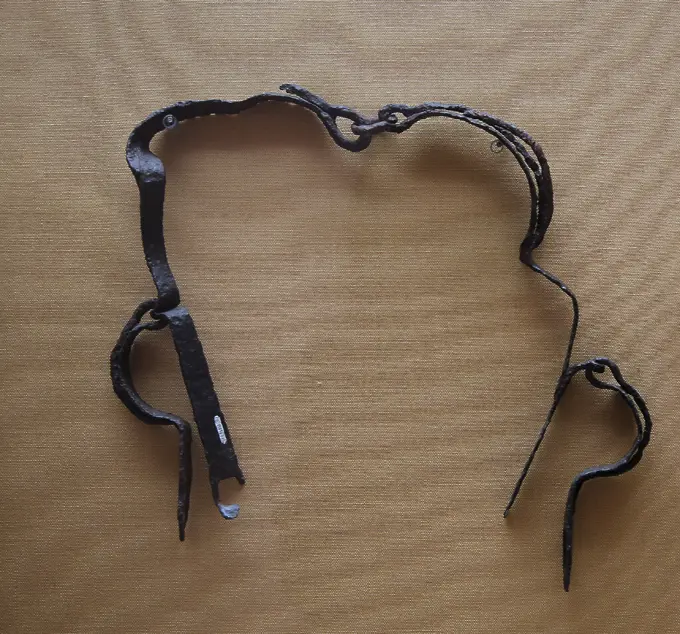
Door beater with dragon ornament and two mascarons., 1500 - 1600 A forged iron door beater in the shape of a ring; Dragon ornament and two mascarons.  iron (metal) A forged iron door beater in the shape of a ring; Dragon ornament and two mascarons.  iron (metal)
Door beater with dragon ornament and two mascarons., 1500 - 1600 A forged iron door beater in the shape of a ring; Dragon ornament and two mascarons. iron (metal) A forged iron door beater in the shape of a ring; Dragon ornament and two mascarons. iron (metal)
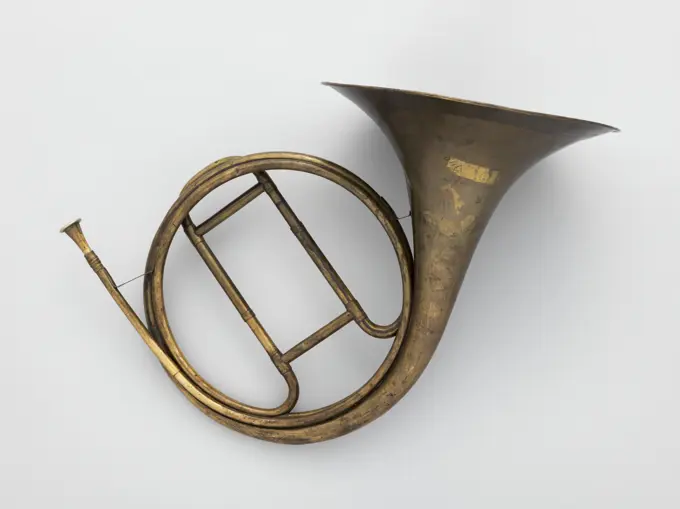
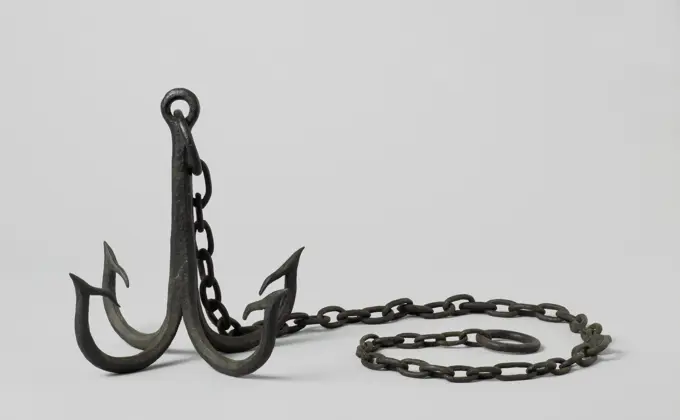
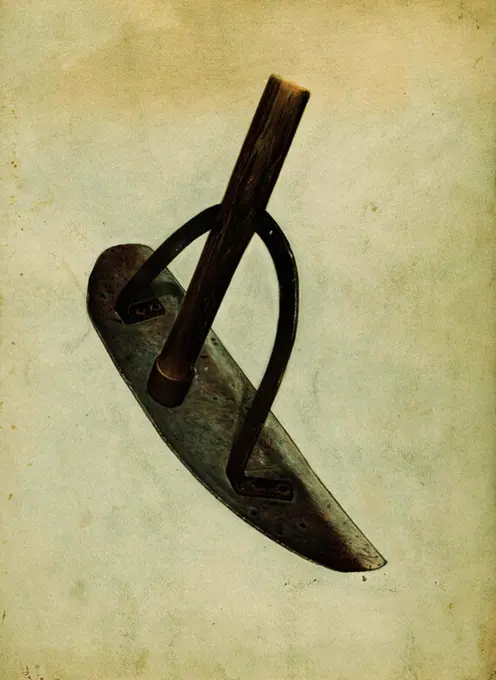
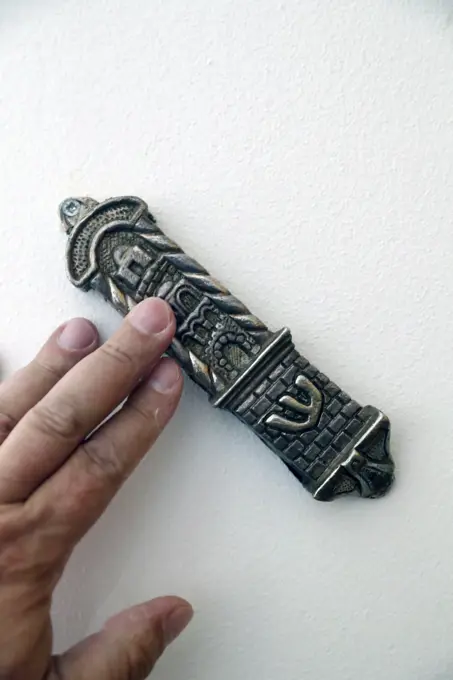
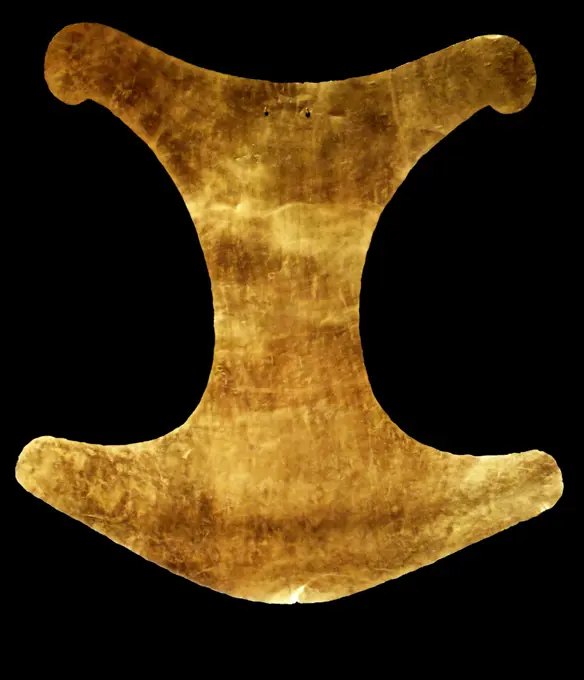
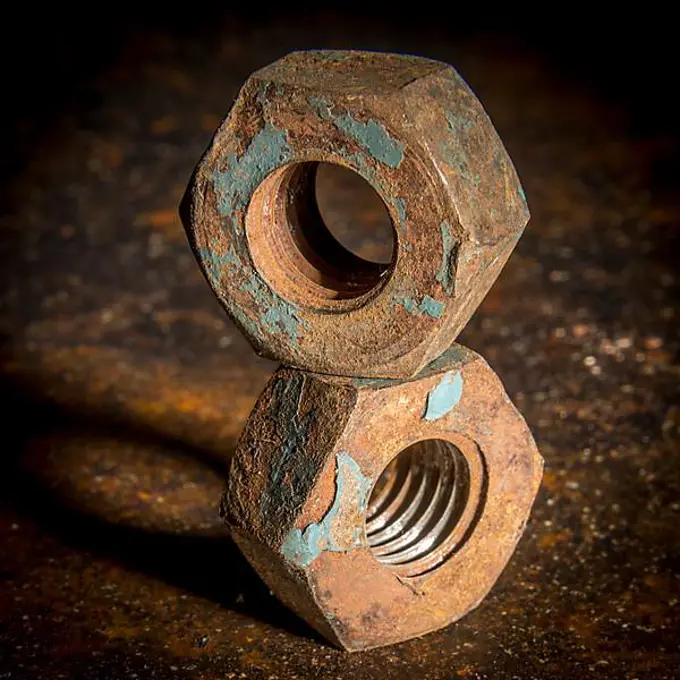
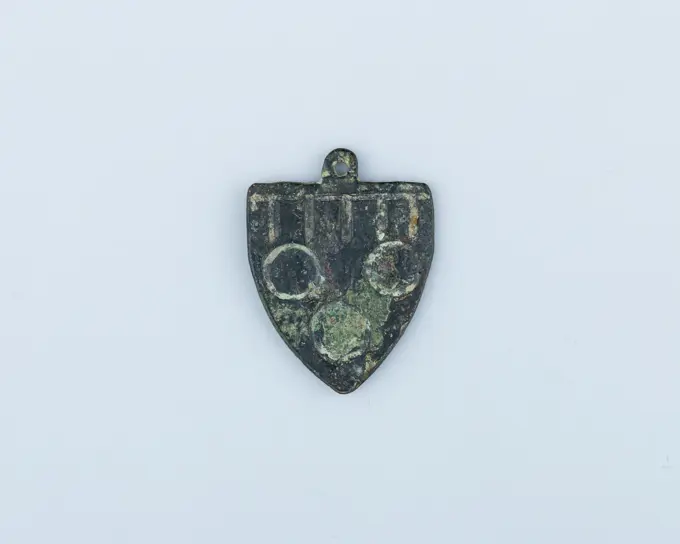
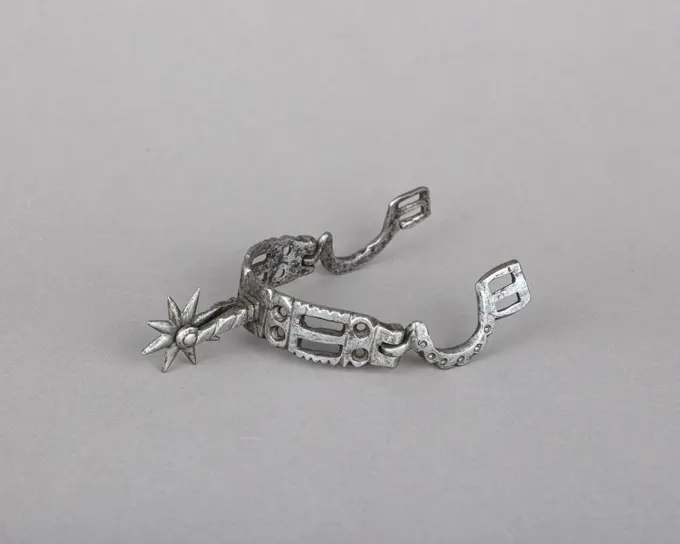
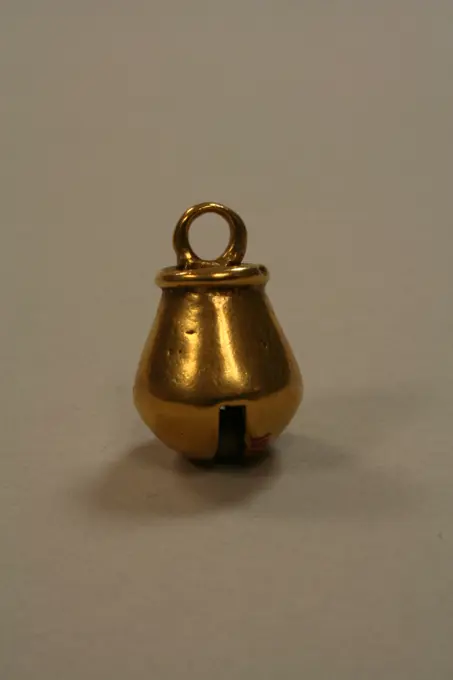
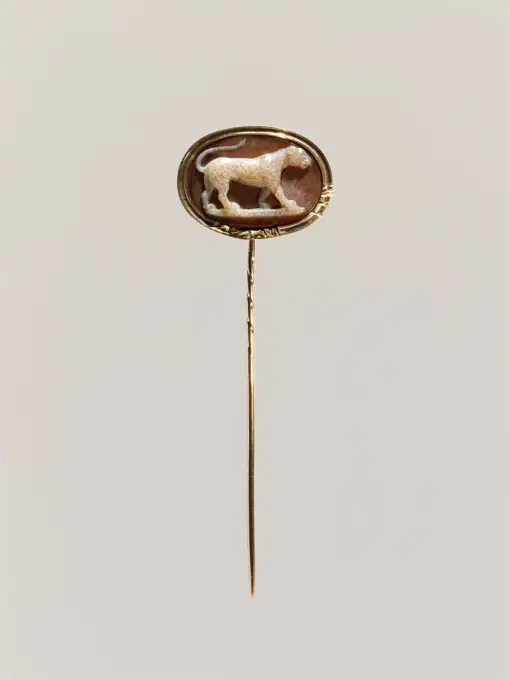
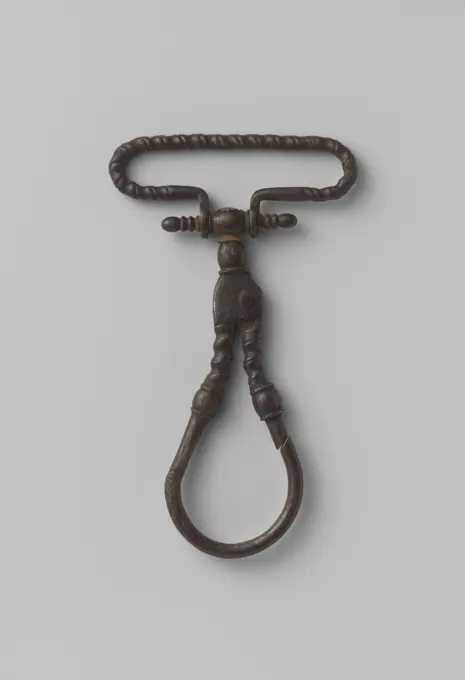
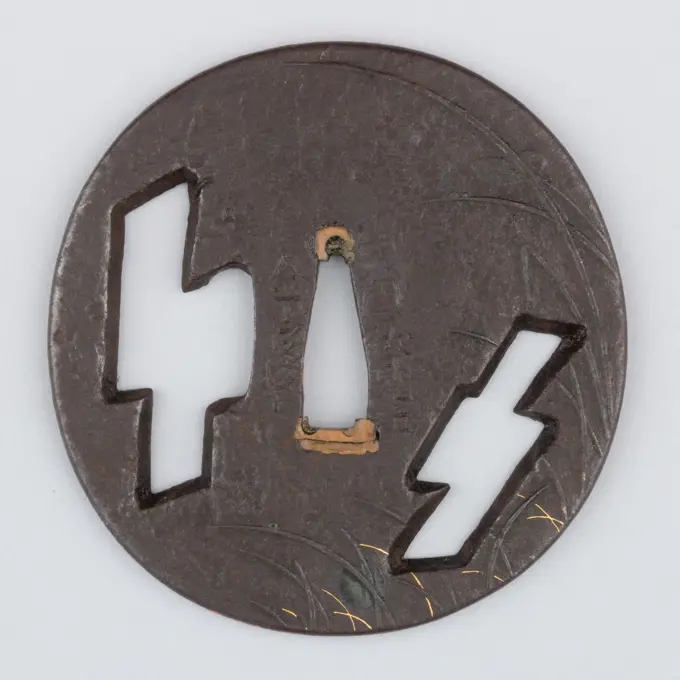
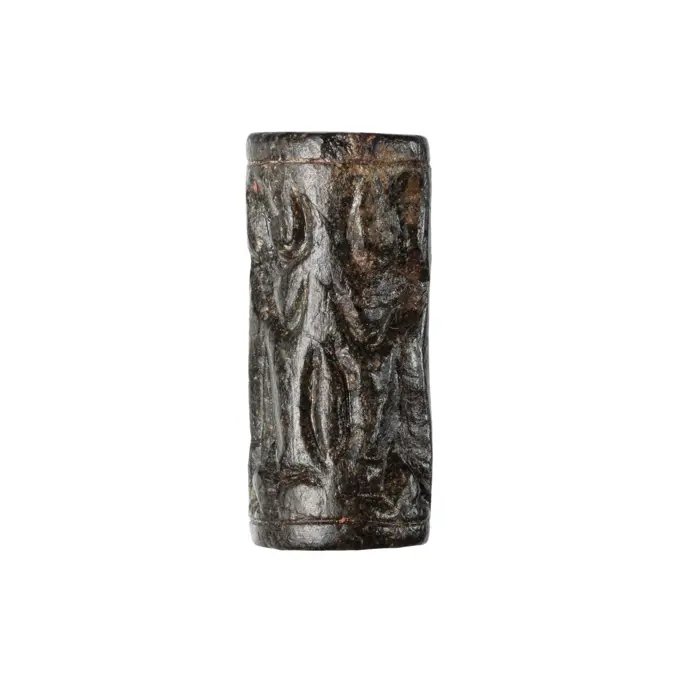
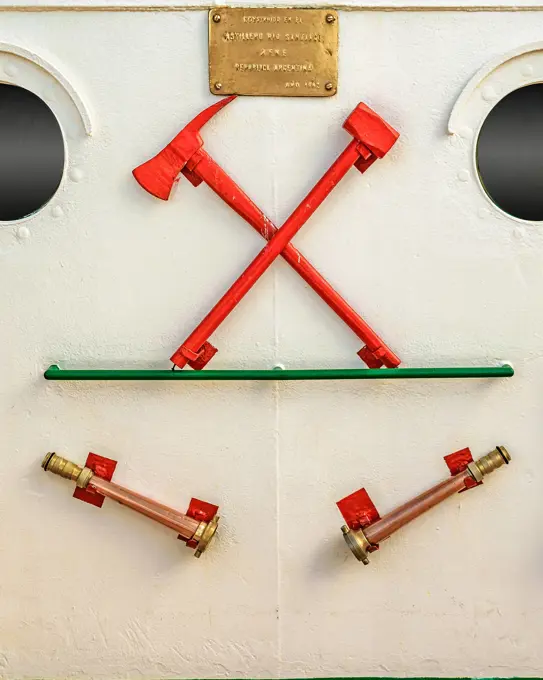
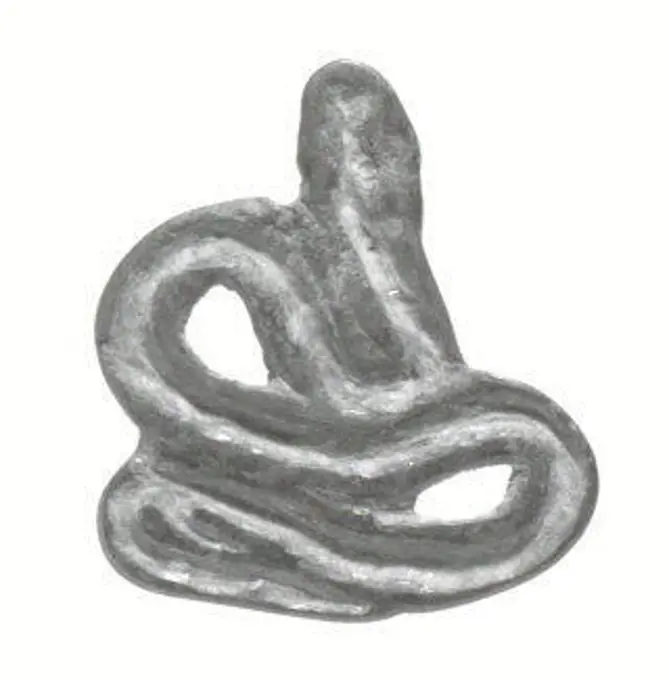
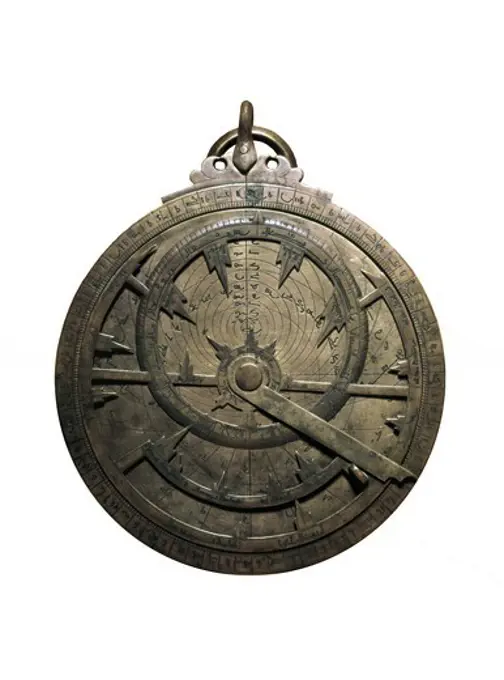
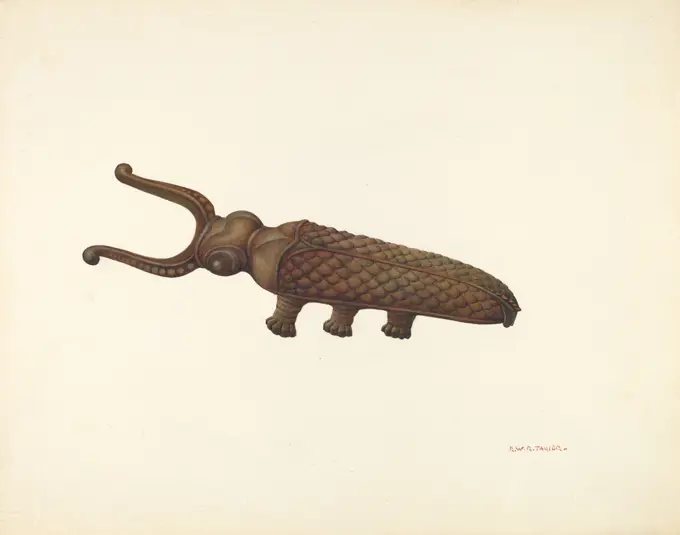
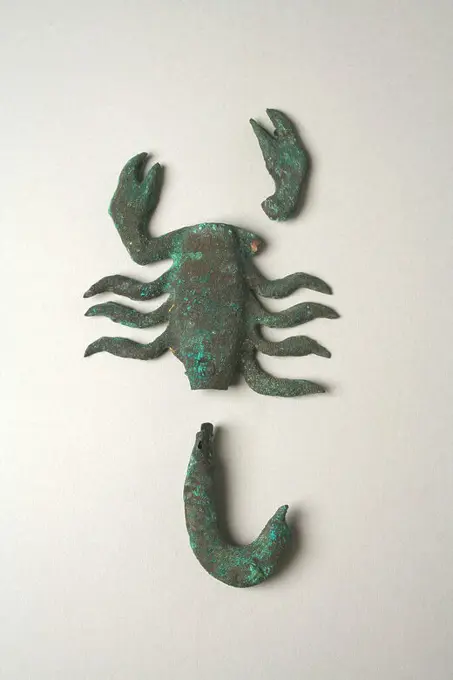
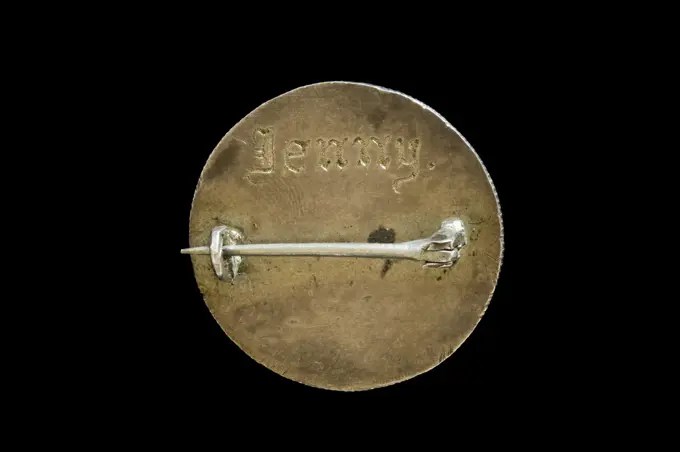
Emilia-Romagna Ferrara Ferrara Museo Civico di Schifanoia95. Hutzel, Max 1960-1990 General Notes: INCOMPLETE RECORD--NEGATIVES PROCESSED, PRINTS FILED German-born photographer and scholar Max Hutzel (1911-1988) photographed in Italy from the early 1960s until his death. The result of this project, referred to by Hutzel as Foto Arte Minore, is thorough documentation of art historical development in Italy up to the 18th century, including objects of the Etruscans and the Romans, as well as early Medieval, Romanesque, Gothic, Renaissance and Baroque monuments. Images are organized by geographic region in Italy, then by province, city, site complex and monument.Key Roman. Key 244239Buckle 15th-16th century European. Buckle. European. 15th-16th century. Bronze. Miscellaneous-Buckles & OrnamentOrchestral Horn ca. 1830 Unknown. Orchestral Horn. German. ca. 1830. brass. Markneukirchen or vicinity, Germany. Aerophone-Lip Vibrated-hornBoarding Grapnel, anonymous, c. 1800 - c. 1850 dredge Four -armed Drreg with a ring at the top of the shaft and a chain; The arms have no hands but hooks. Netherlands iron (metal)Shoe buckles late 18th century British. Shoe buckles. British. late 18th century. paste, metalSampler from the wreck of the East India "t flying heart. Copper passer whose hinged top consists of two hinged half-round rings. Miss the points of the passer. Divider.Amana Baker's Hoe. Dated: c. 1938. Dimensions: overall: 29.9 x 22 cm (11 3/4 x 8 11/16 in.) Original IAD Object: Blade: 18" long, 5" high, 7 1/2" deep; handle: 5 1/2" long (approximately). Medium: watercolor, graphite, and colored pencil on paper. Museum: National Gallery of Art, Washington DC. Author: Arthur Stewart.scroll part of violin against black background in closeupSilver bracelet with agate, in or before 1937 Bracelet with H-shaped links with five round cabochon cut white agates in between. The bracelet closes with a spring ring and a safety chain, the lock of which is defective.  silver (metal). agate (chalcedony) grinding Bracelet with H-shaped links with five round cabochon cut white agates in between. The bracelet closes with a spring ring and a safety chain, the lock of which is defective.  silver (metal). agate (chalcedony) grindingTiny figurine of man miniature and retro keyMezuzah, a piece of parchment inscribed with specified Hebrew verses from the Torah, Tomar Synagogue, Tomar, Centro, Portugal, EuropePectoral Omament - Columbian, Yotoco, 1st-7th century, Hammered gold.Nut- Fastener, France, EuropeOrnament of Horse Trapping 14th century Spanish. Ornament of Horse Trapping. Spanish. 14th century. Bronze. Miscellaneous-Buckles & OrnamentPearl Davis, Hat rack, c 1941 Hat-rackDoor beater, c. 1400 - c. 1950 A door beater with plate. (Gothic).  iron (metal) A door beater with plate. (Gothic).  iron (metal)Lingam with sacred cow. Carved stone, painted black, from India.Haircut for a clipping top. .Beads, 19. Beads, 19. Glass. GlassPilgrim's Badge 14th-16th century French. Pilgrim's Badge. French. 14th-16th century. Lead. Metalwork-LeadRowel Spur late 16th-early 17th century German The articulated branches of this spur were intended to fit it to the foot. Slots on the terminals held buckles and tabs for attaching the straps.. Rowel Spur. German. late 16th-early 17th century. Iron alloy. Equestrian Equipment-SpursClaude Marshall, Buckles, c 1938 BucklesAnimal trap, computer illustration.Bell A.D. 500-1520 Greater Nicoya, Central Region (Costa Rica), Greater Chiriquí, or Greater Coclé This pear-shaped bell, made by lost-wax casting, has a finial that consists of a suspension loop, which is 6.5 mm high. Unlike two other bells in the collection, 1978.514.43 and 66.196.6, whose suspension loops appear to have been fabricated using two threads of wax each, the loop of the present example was made with only one thread of wax. The loop in this case was polished on its top, likely in the location of a sprue, a channel that would have facilitated the movement of molten metal into the ceramic mold. This sprue would have solidified as metal and, to remove traces of its presence, a founder would have cut it off and then abraded and polished the area. The casting technique is further confirmed by the local porosity at and dendritic appearance of the base of the finial. There is one band of metal that demarcates the top of the resonator, which is polished and retains scratches. PorGouden Fanam from Tinnevelli in India under the Nayakas, 1520-1736 ,, 1520 - 1736 coin Gold coin. Front: Registered deity . Reverse: decoration, including three rows of four dots each.  gold (metal) striking (metalworking)Walking leopard 18th century Italian Cameos displaying animals, a mainstay of ancient Roman glyptics revived by Neoclassical engravers, filled the cabinets of European royalty. Particularly fetching is the way the carver of the leopard capitalized on brownish flecks in the stone to give the beast its spots. The grinning recumbent lion shows a fine contrast of matte and polished surfaces. The carver of the walking lion nearly exhausted the stones red layer when forming the tail.. Walking leopard 198361Roman era. Shackles. Archaeological Museum of Seville. Andalusia. Spain.traditional metal scale weights and scale tray at a food market stall in Southeast AsiaAttic Red-Figure Cup Fragment. Attributed to Dokimasia Painter (Greek (Attic))Key ring, 1600 - 1699 A key ring consisting of two parts s. A slot -shaped support ring and the actual key ring, which is pear -shaped. They are connected by a pivot -shaped hinge. The carrying ring and upper part of the key ring have been torn.  iron (metal) A key ring consisting of two parts s. A slot -shaped support ring and the actual key ring, which is pear -shaped. They are connected by a pivot -shaped hinge. The carrying ring and upper part of the key ring have been torn.  iron (metal)Antique ring for tying horses on an ancient wallSword Guard (Tsuba) ca. 1615-1868 Japanese A tsuba is a sword guard and part of a sword mounting. It is mounted between the swords blade and grip to protect the users hands.. Sword Guard (Tsuba) 33437Bake  cylindrical with a bull's motif; Unknown Cypriot workshop; XIV in BC ; the period of the seed Brown (-1400-00-00--1301-00-00);Cyprus, Czartoryska, Maria Ludwika (1883-1958), Czartoryska, Maria Ludwika (1883-1958)-collection, Działyńska, Izabela (1830-1899), Działyńska, Izabela Elżbieta née Czartoryski (1830-1899)-collection, jugs, head bulls, circles and dots, cylindrical seals, transmission (provenance), rhombusesAnchor of the Alexander von Humboldt IIFragment Tuimelaar from the wreck of the East Indians Hollandia, Anonymous, 1700 - in Or Before 1743 drinking glass Base, fragm, circular, flat, straight sides. Tumbler. Netherlands glass   SecondWatch. Culture: Swiss, Geneva. Dimensions: Overall: 2 × 1 3/8 × 1 9/16 in. (5.1 × 3.5 × 4 cm). Maker: Watchmaker: Isaac Penard (Swiss, 1619-1676); Casemaker: probably the Firm of Moulinié, Bautte & Moynier (Swiss, 1808-21). Date: case ca. 1810-20, movement ca. 1650.The lower jaw is hinged to the base of the skull to make a cover for the dial of the watch. The dial is engraved and filled with niello marking the hours with Roman numerals (I-XII) and the half hours with fleurs-de-lis. The skull watch was a specialty of Geneva, and to a lesser extent of Blois, both prominent centers of Protestant watchmakers during the first decades of the seventeenth century. Isaac Penard was a native Swiss who was apprenticed to the Genevan master Jacques Sermand (1595-1651), a well-known maker of skull watches as well as watches in such shapes as tulip buds, crosses, and stars. Museum: Metropolitan Museum of Art, New York, USA.Lloyd Broome, Serpent Weather Vane, c 1938 Serpent Weather VaneShip Exterior Detail View Ships tools at exterior of naval school frigate. Copyright: xZoonar.com/DanielxFerreira-LeitesxCiccarinox 13269196Compartmented stamp seal ca. late 3rd-early 2nd millennium B.C. Bactria-Margiana Archaeological Complex. Compartmented stamp seal. Bactria-Margiana Archaeological Complex. ca. late 3rd-early 2nd millennium B.C.. Copper alloy. Bronze Age. Bactria-MargianaBoy and girl icon made of wire in handcartoon winter mittensTooth of a Babiroussa (Zwijn) from v.o.c.-ship De 'Witte Leeuw', Before 1613 tooth (material) Tooth of a Babiroussa (Zwijn) from V.O.C. ship De 'Witte Leeuw'. Common -shaped ivory tooth, with gray discoloration. The glaze is worn out at the rear. southeast Asia tooth (material)   Sint-HelenaFoot angel or crow's own. Iron foot angel or crow pit with four points.Arabian astrolabium (10th c.). ITALY. TUSCANY. Florence. Galileo Museum.Robert WR Taylor, Bootjack, c 1940 BootjackRetro cartoon with texture. Isolated on White.Information office radio broadcaster Dutch Guinea. green unknown tree hose, occurs South Guinea. species found bamboo forests. March 1959. GuineaScorpion. Culture: Moche (Loma Negra). Dimensions: Length 3-7/8 in. (9.8 cm). Date: 390-450. Museum: Metropolitan Museum of Art, New York, USA.Emilia-Romagna Ferrara Ferrara Museo Civico di Schifanoia01. Hutzel, Max 1960-1990 General Notes: INCOMPLETE RECORD--NEGATIVES PROCESSED, PRINTS FILED German-born photographer and scholar Max Hutzel (1911-1988) photographed in Italy from the early 1960s until his death. The result of this project, referred to by Hutzel as Foto Arte Minore, is thorough documentation of art historical development in Italy up to the 18th century, including objects of the Etruscans and the Romans, as well as early Medieval, Romanesque, Gothic, Renaissance and Baroque monuments. Images are organized by geographic region in Italy, then by province, city, site complex and monument.South African Coin refashioned into pendant by Anglo-Boer War POW's, inscribed ""Jenny""First World War (1914-1918). Boot heel-plates with spikes of a German soldier. Latvian War Museum. Riga. Latvia.