Vintage Purses

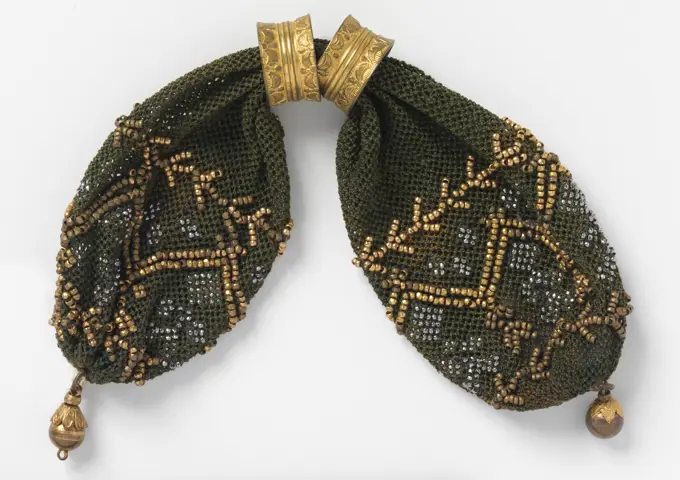
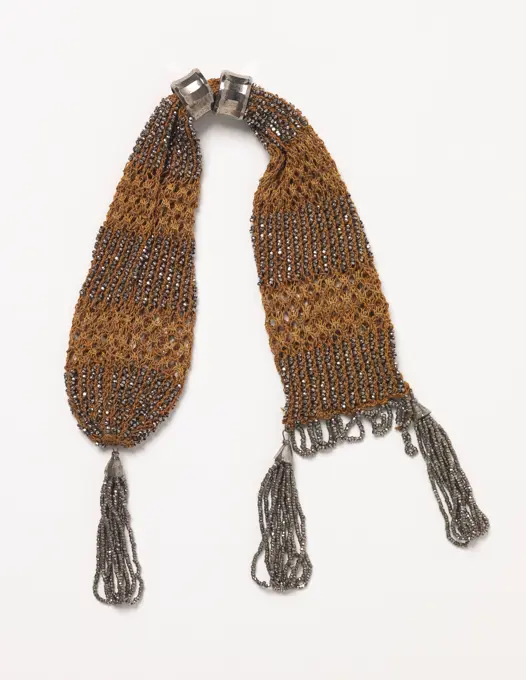
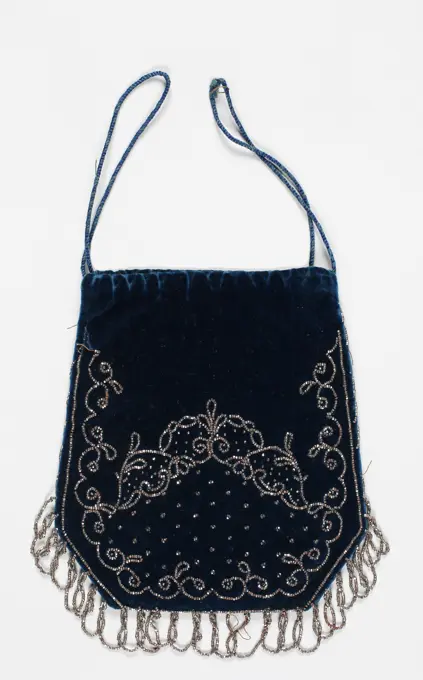
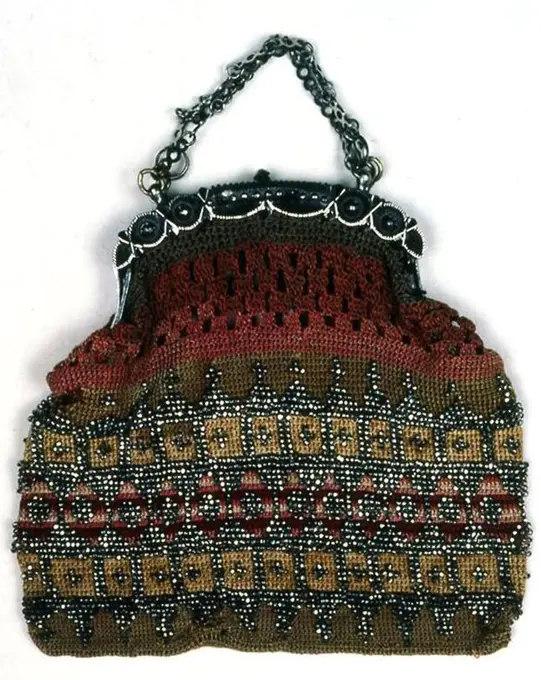
An assortment of decorative purses made from silk and metal, showcasing intricate beadwork and historical craftsmanship from France.
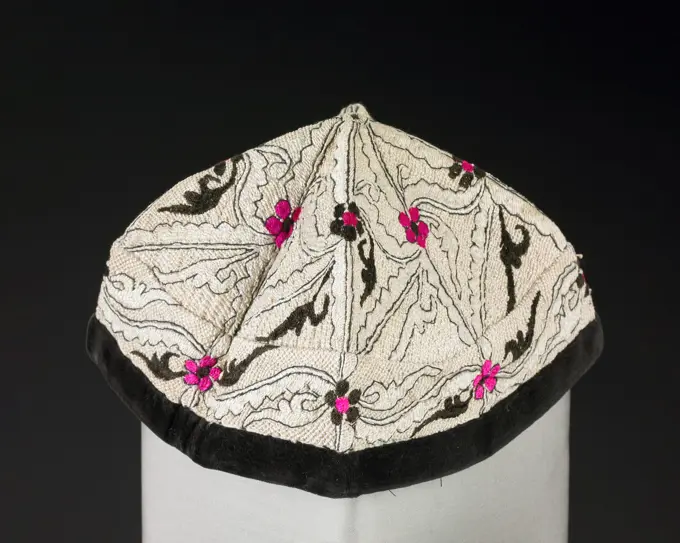
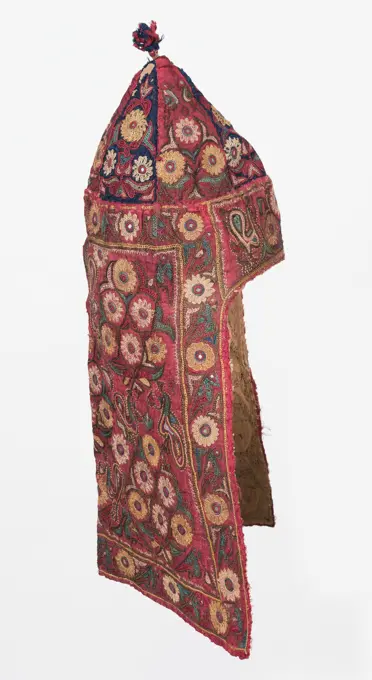
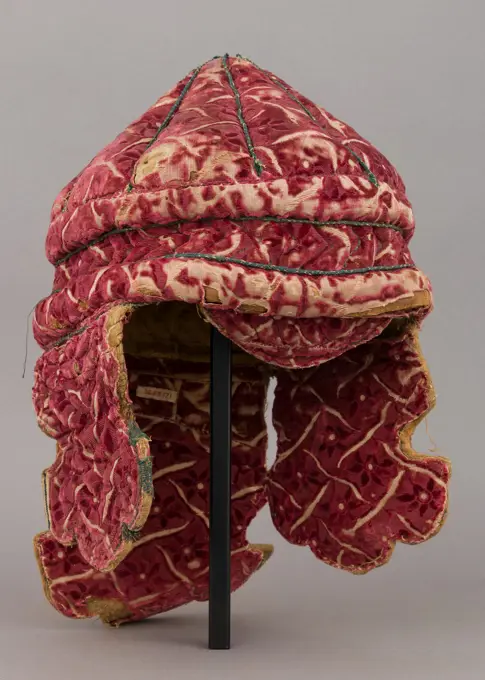
Hat, c. 1918, 4 13/16 x 7 1/2 x 7 1/2 in. (12.22 x 19.05 x 19.05 cm) (approximate), Cotton, velvet, silk; needlework, Uzbekistan, 20th century
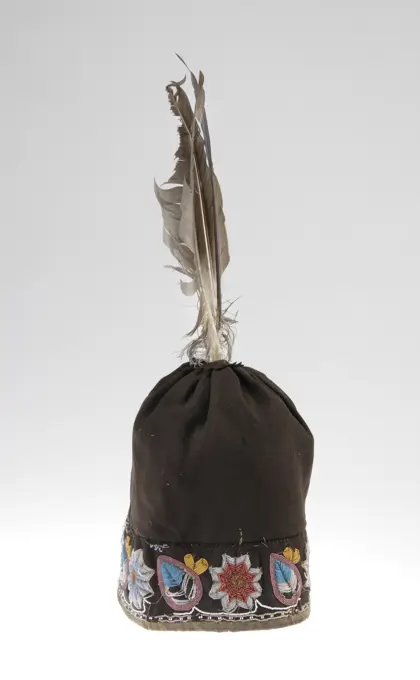
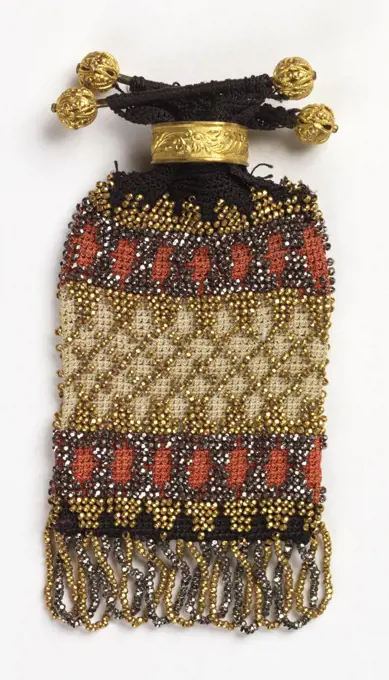
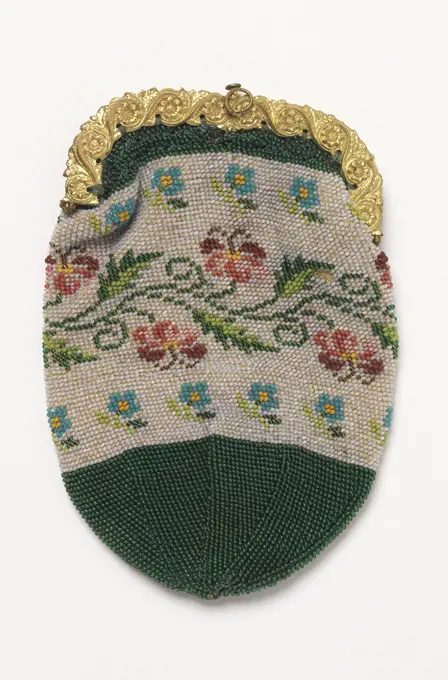
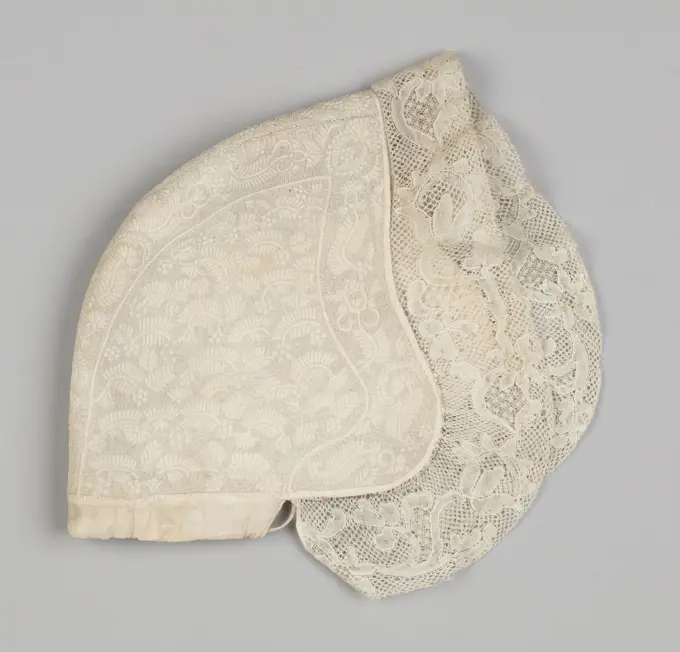
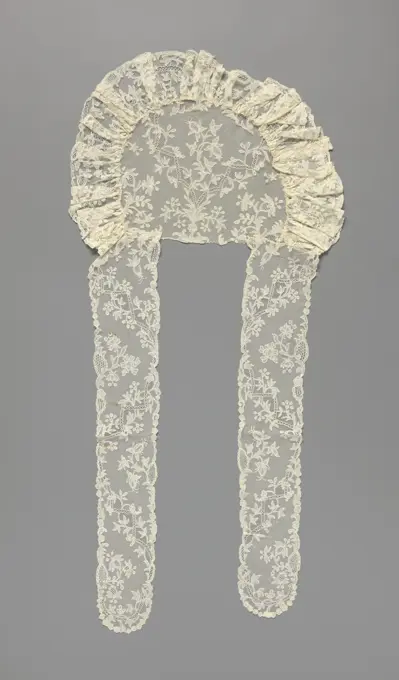
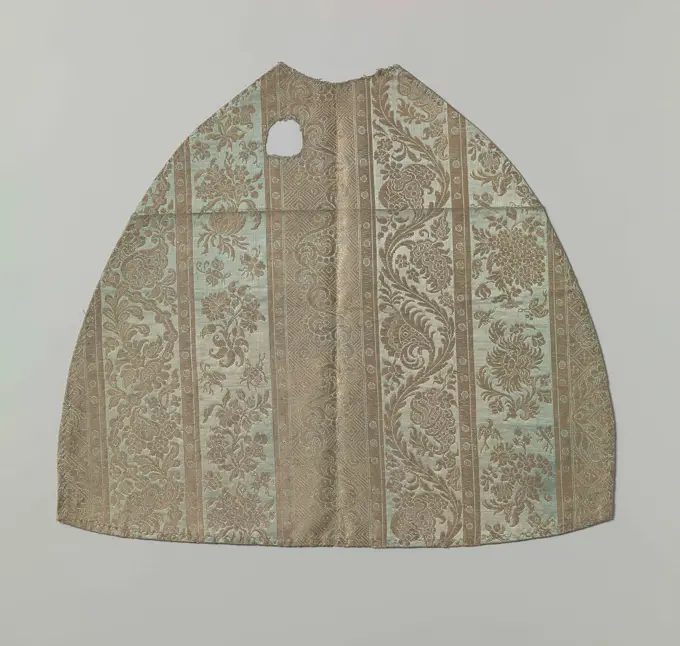
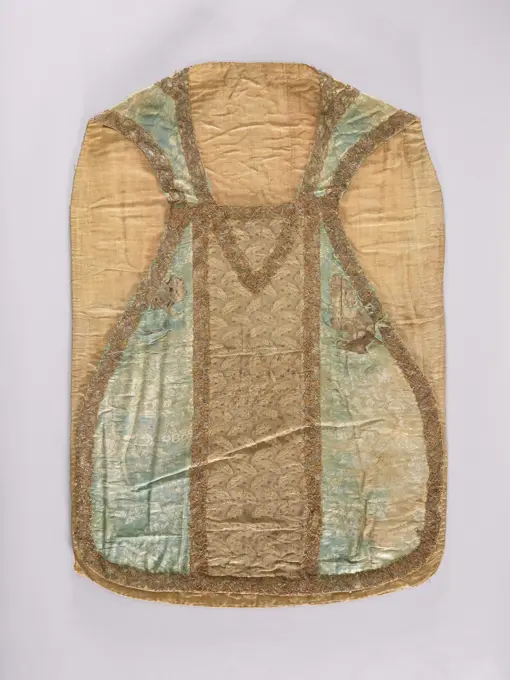
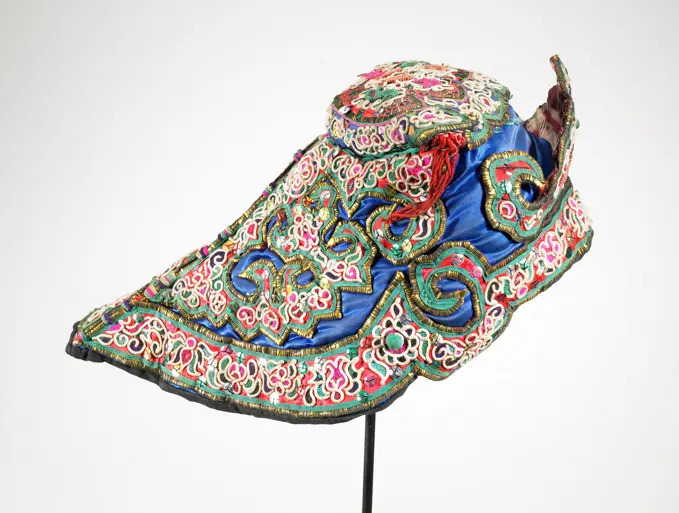
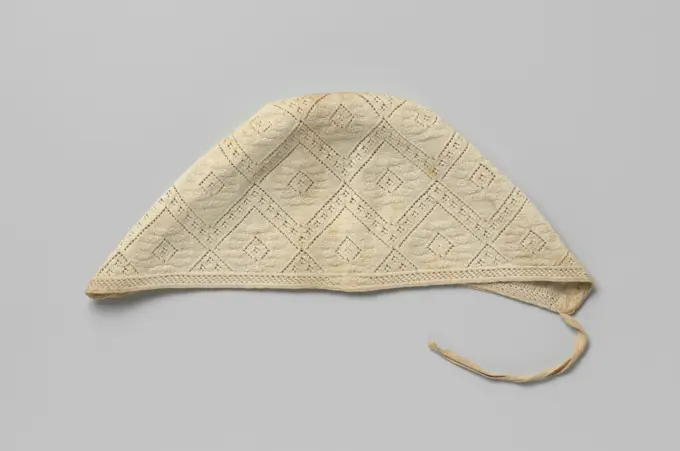
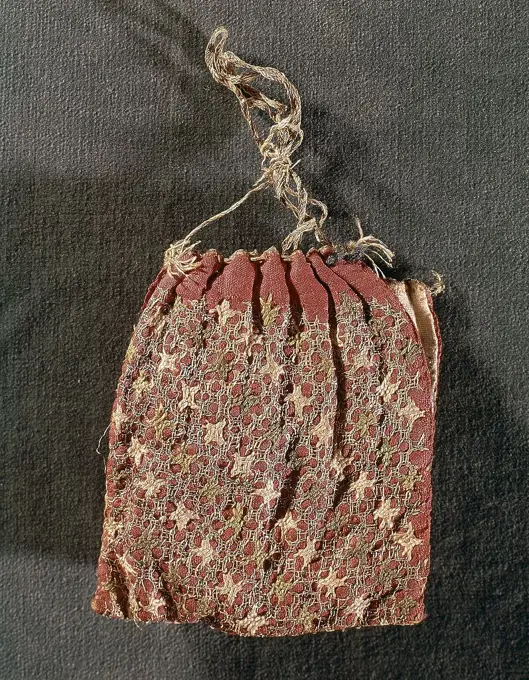
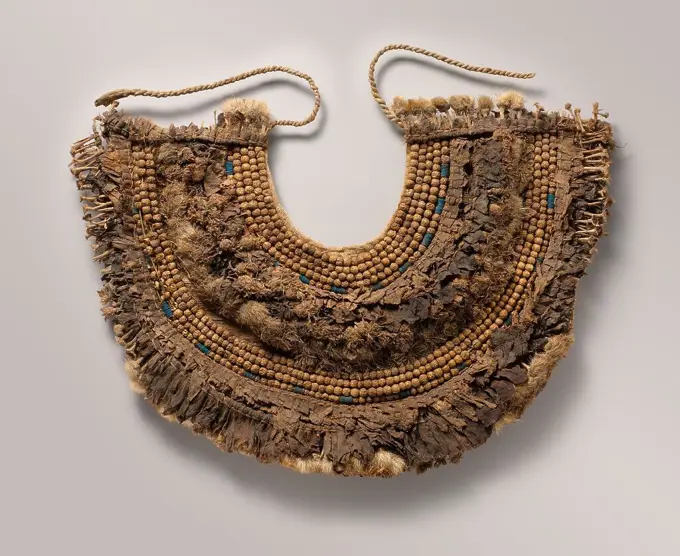
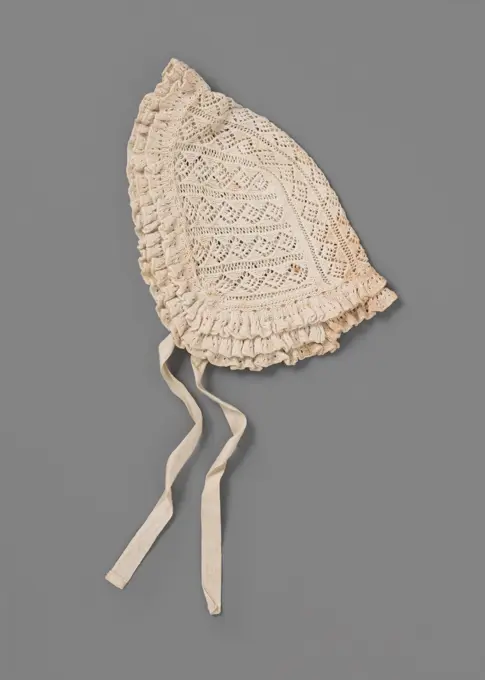
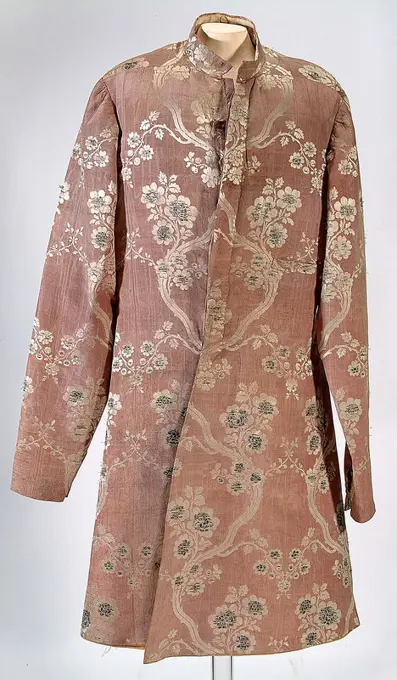
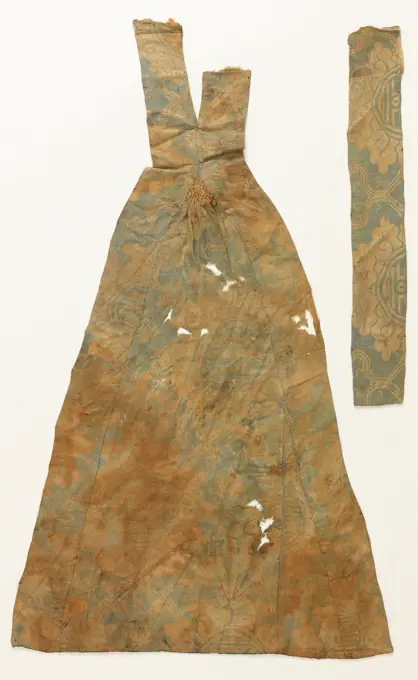
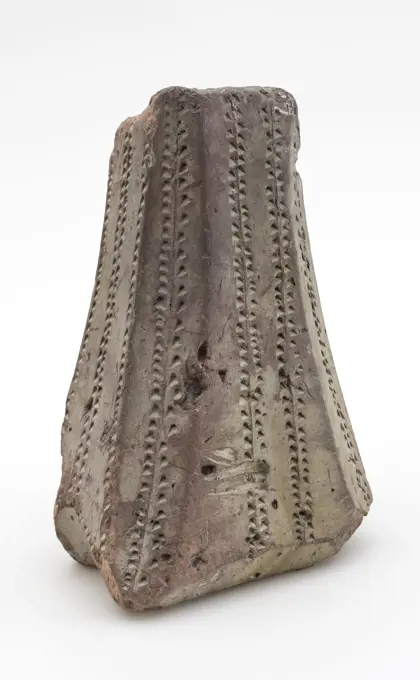
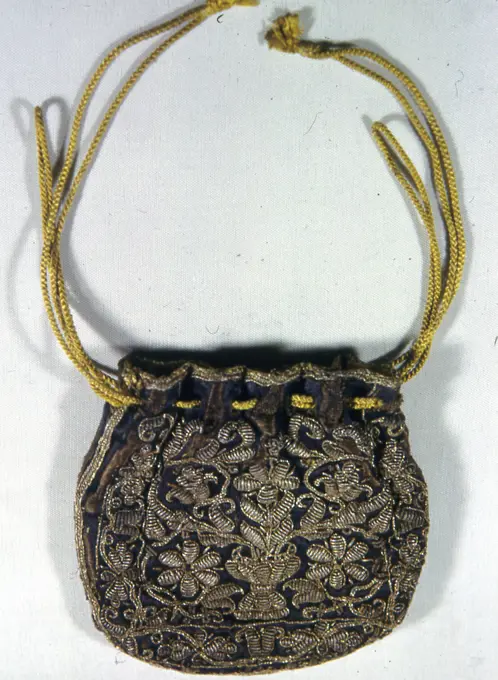
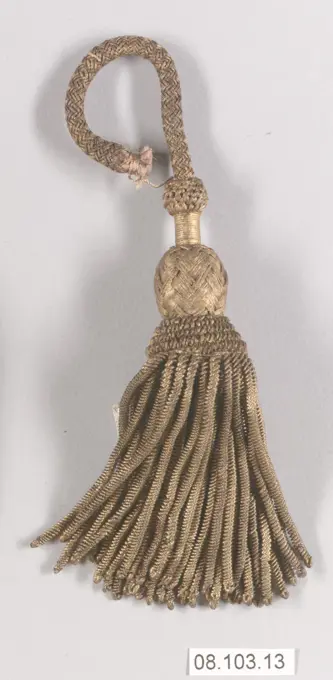
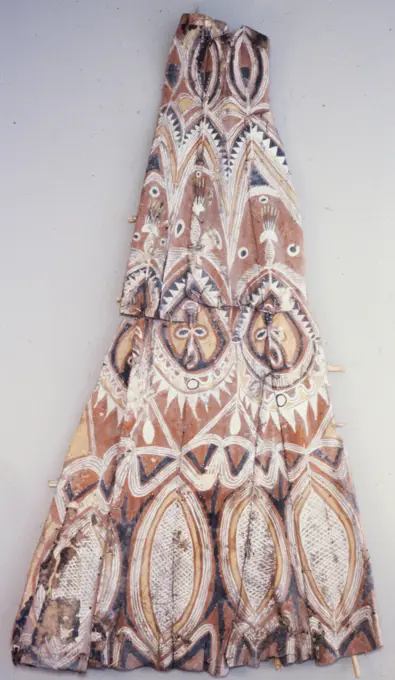
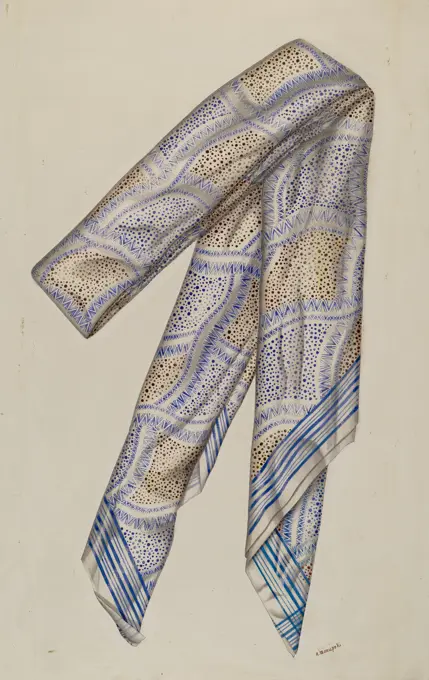
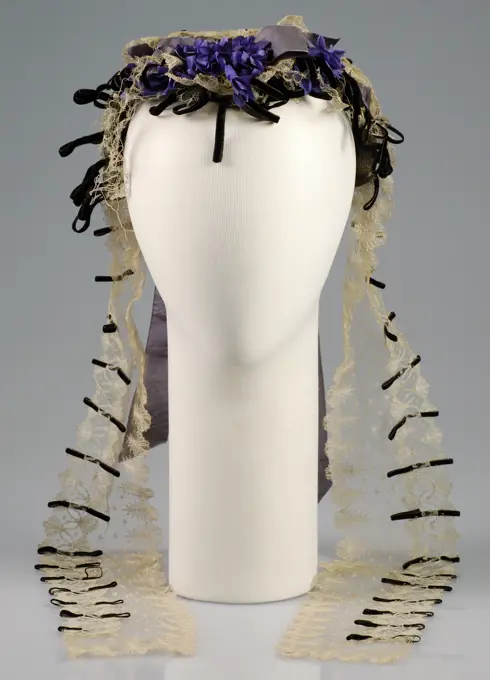
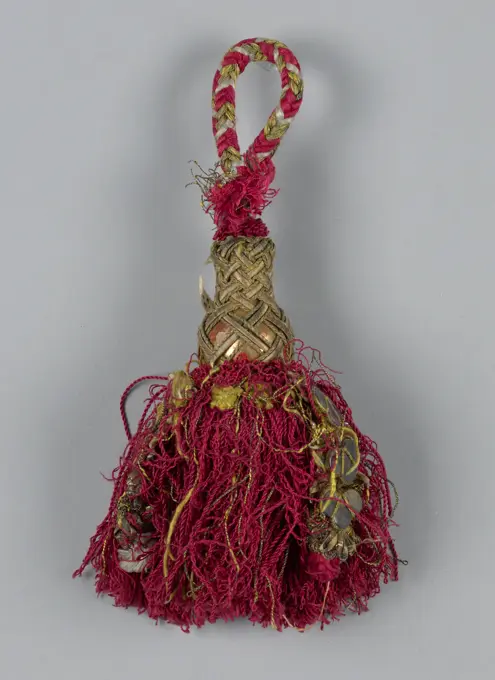
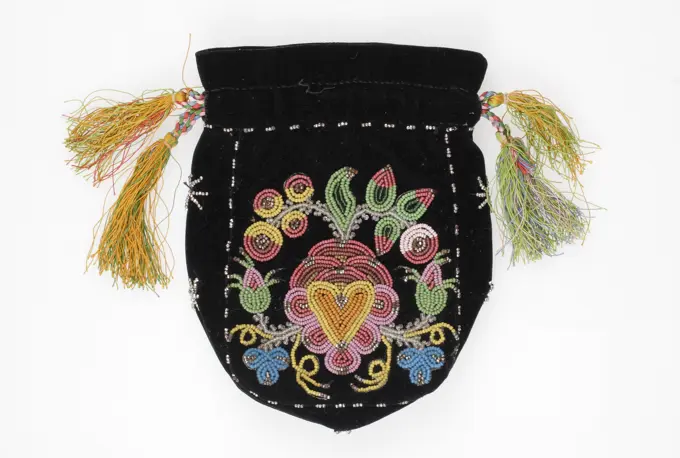
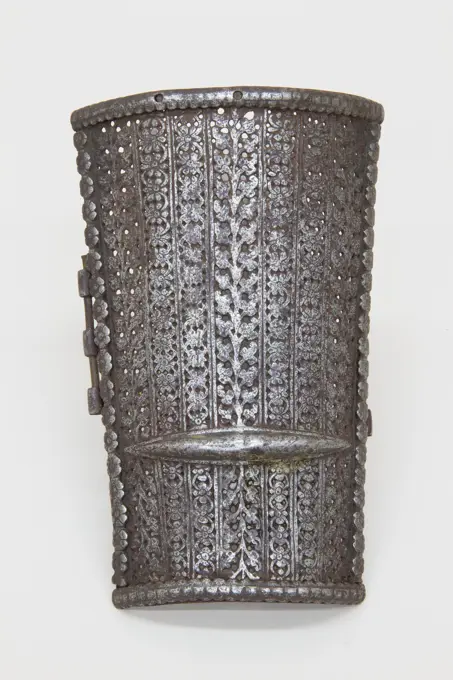
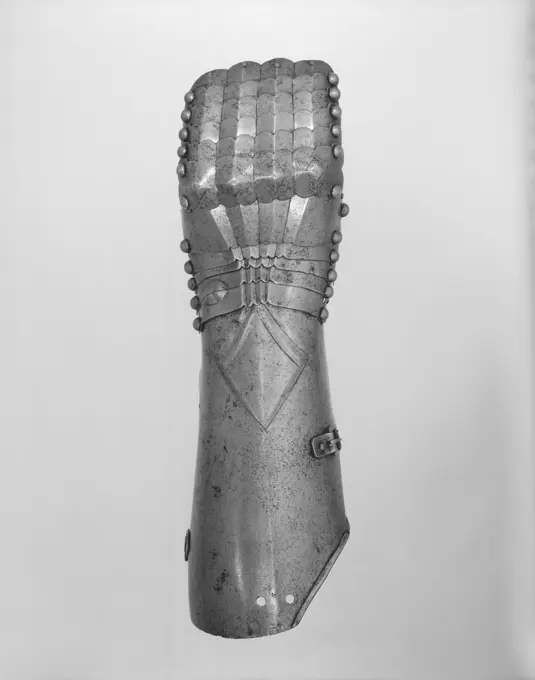
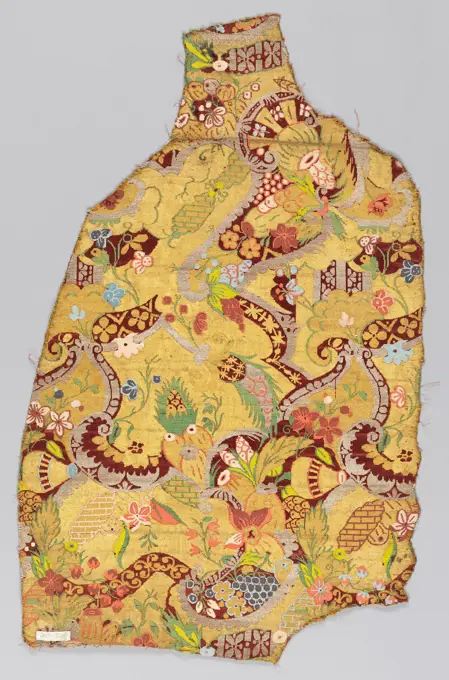
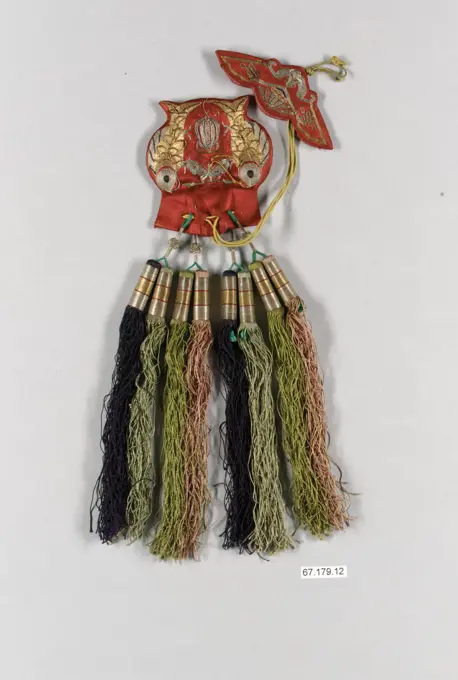
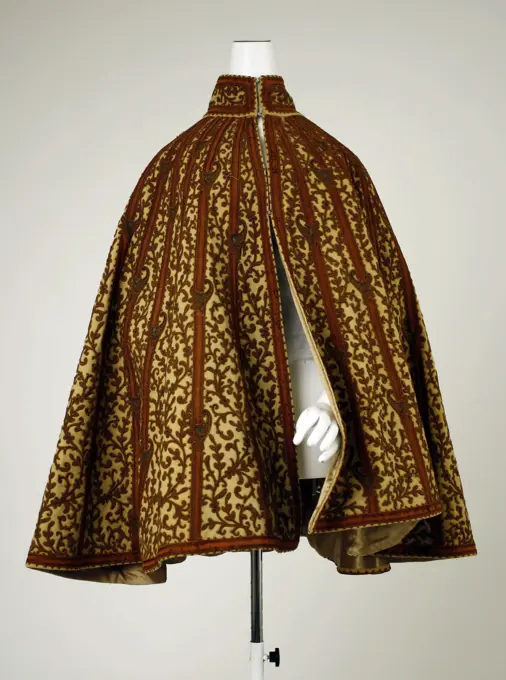
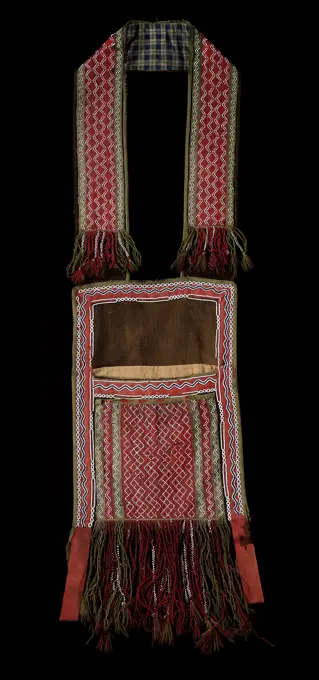
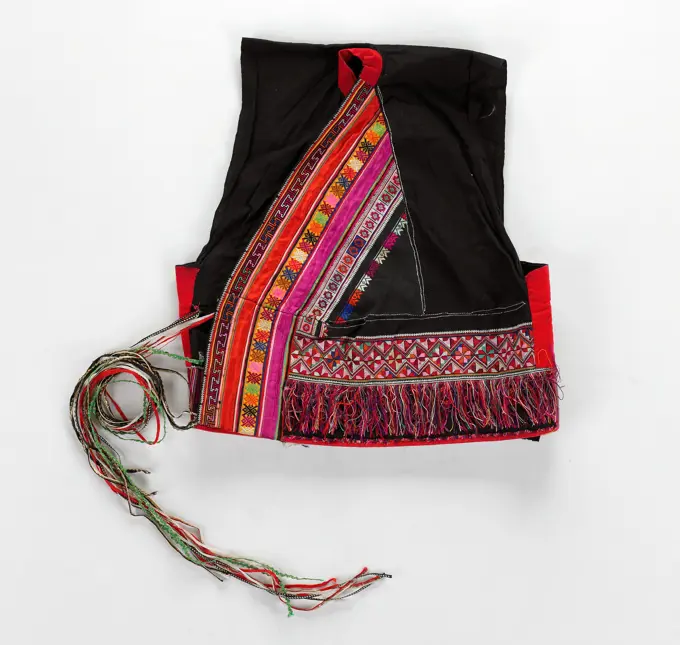
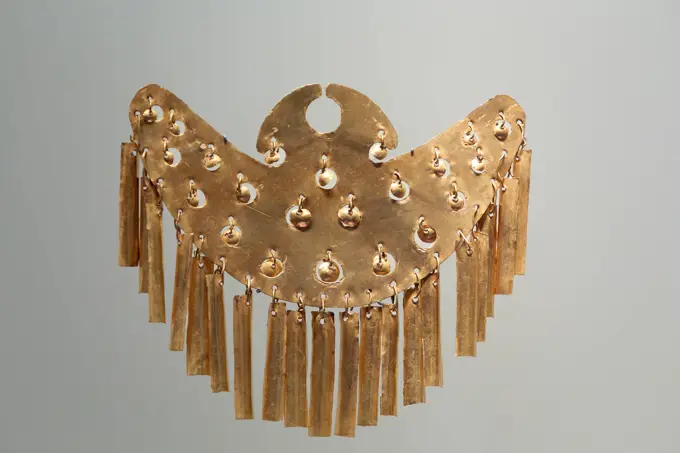
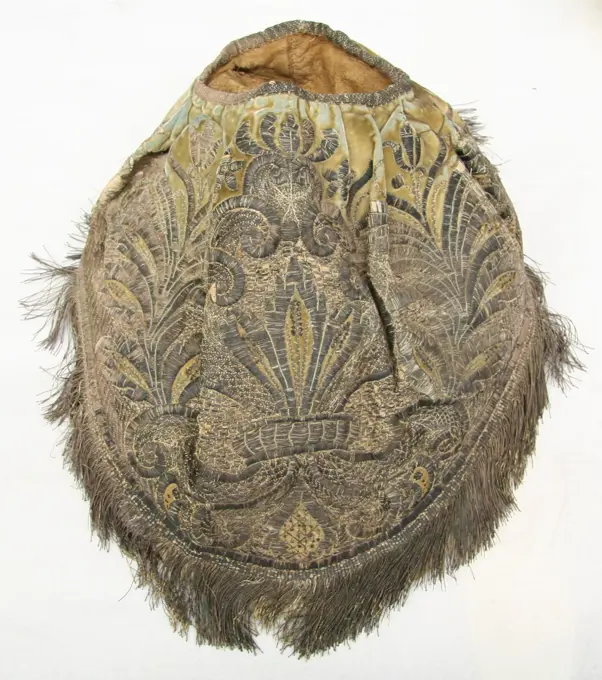
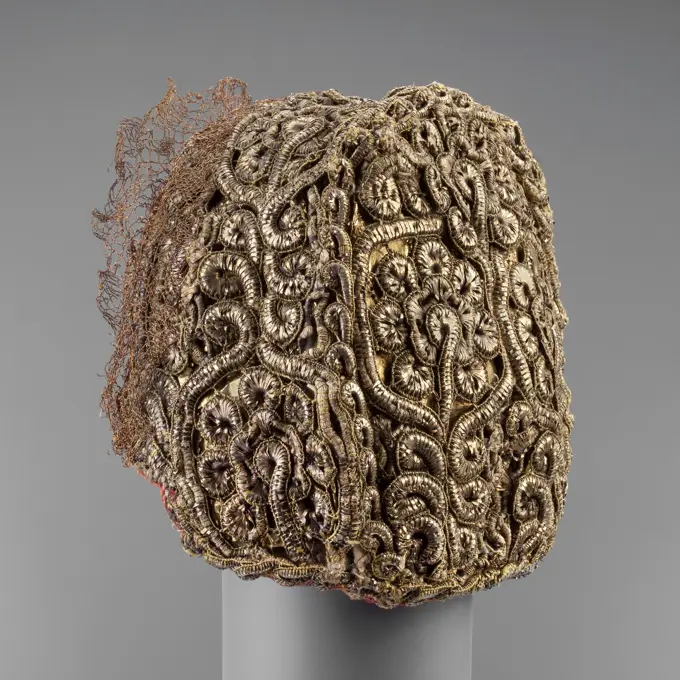
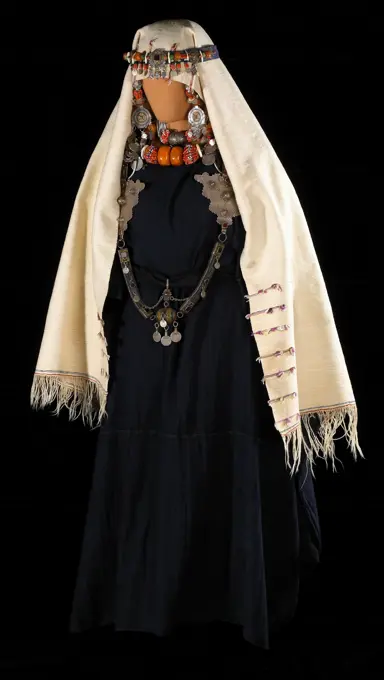
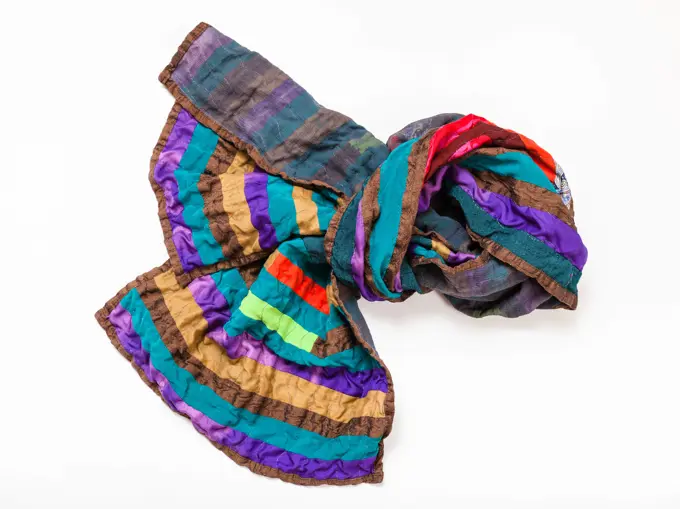
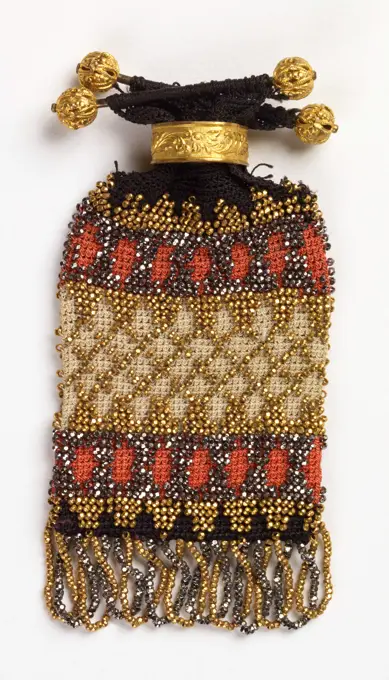
Purse ; silk, metal beadsMiser's Purse (France); silk, metalPurse, Medium: silk, metal Technique: crocheted, Very small bag of black silk crocheted net with cut steel beads and ring. Top finished with two bars., France, early 19th century, costume & accessories, PurseCap -Reticle. XVIII. Gal1973.66.19Miser's Purse (France); silk, steel beadsHat (India); silk (satin) embroidered in colored silk, linen, metal thread and glassHat, c. 1918, 4 13/16 x 7 1/2 x 7 1/2 in. (12.22 x 19.05 x 19.05 cm) (approximate), Cotton, velvet, silk; needlework, Uzbekistan, 20th centuryCap ca. 1840 American. Cap 168480Miser's purse, Medium: silk, metal beads Technique: metal beads sewn to white silk machine-made net using running stitch., Netted white silk ornamented with cut steel beads in small star and anchor motifs and a larger triple zigzag pattern. Two faceted steel rings control side closing; small cut steel drops at each end., France, 1815-40, costume & accessories, Miser's purseWoman's Pockets. England, mid-18th century. Costumes; Accessories. Silk, linenHelmet 18th century Central Indian. Helmet 32061Ceremonial Headpiece, 15 x 22 in. (38.1 x 55.88 cm) (includes fringe)2 1/4 x 2 1/4 x 2 1/4 in. (5.72 x 5.72 x 5.72 cm) (two pompons, each), ChinaCap ca. 1830 American. Cap 169918Purse, Medium: silk, metal beads Technique: beaded crochet, Small flat bag of crocheted silk attached at the top to two gold bars with filligree balls at the ends, with a gold sliding ring. The design is composed of horizontal bands of geometric design in black, orange and off-white with gold-colored and cut steel beads. Looped beaded fringe at bottom alternates strings of cut steel with gold-colored beads., Europe, 1830-60, costume & accessories, PurseBag (tobacco pouch), Medium: glass beads, metal frame Technique: beaded knitting, Green ground with white band containing a stylized flowering vine in pinks and greens, flanked by rows of blue forget-me-nots., USA, early 19th century, costume & accessories, Bag (tobacco pouch)Bliżej Kultury unknownHapslip van Kloskant with Zigzag-Rivière, Anonymous, c. 1750 - c. 1760 Capslip of natural -colored Brussels bobbin side. A rivière in Zigzaglijn is crossed by spiral ranks, which enclose fan -shaped medallions. The motives are connected by a drachel soil. A coarser hexagonal soil has been used in the Rivières. On the fields that are bordered by the Rivière, there are twigs on which flowers in the form of pomegranates, pears or winged insects. Brussels linen (material) bobbin lace / Brussels bobbin lace Capslip of natural -colored Brussels bobbin side. A rivière in Zigzaglijn is crossed by spiral ranks, which enclose fan -shaped medallions. The motives are connected by a drachel soil. A coarser hexagonal soil has been used in the Rivières. On the fields that are bordered by the Rivière, there are twigs on which flowers in the form of pomegranates, pears or winged insects. Brussels linen (material) bobbin lace / Brussels bobbin laceFragment of a silk satin brocade. Fragment of a silk tissue in irregular shape with a round cutting; Perhaps ever used for child Jesulculpture. The pattern is made of gold on blue silk (green faded) and has a pattern of alternating a job within which geometric shapes, a job within which flower bouquets and a job within which flower garlands.Reticle. XIXth. GAL1987.100.43Chasuble. unknown, authorChild's Hat, 7 1/2 x 7 x 7 in. (19.05 x 17.78 x 17.78 cm), Cotton, metal, ChinaKnitted hat of white cotton with closed diamond -shaped patterns, anonymous, c. 1800 - c. 1900 Knitted hat made of white cotton with closed diamond -shaped patterns. Europe cotton (textile) knitting Knitted hat made of white cotton with closed diamond -shaped patterns. Europe cotton (textile) knittingMiser's purse American 1840-60Vest;  The eighties of the 18th century (1780-00-00-1789-00-00);garlands (ornament), plant ornamentsBliżej Kultury unknownMiser's purse, Medium: silk, metal beads Technique: netting, Netted brown silk, evenly ornamented with gold beads. Side opening controlled by two gold rings. Small gold ball and bead tassel drops at each end., Europe, 1800-1810, costume & accessories, Miser's purseDINERARIO MUDEJAR S XIII. Location: CATEDRAL-INTERIOR. Toledo. SPAIN.Floral Collars from Tutankhamun's Embalming Cache. Dimensions: 09.184.214: diam. 40 (15 3/4 in); d. 17 cm ( 6 11/16); diam. of faience disk beads 0.5 cm (3/16 in)09.184.215: diam. 44 cm (17 5/16 in); d. 15.5 cm (6 1/8 in)09.184.216: diam. 47 cm (18 1/2 in); d. 17 cm (6 11/16 in); diam. disk beads 0.5 cm (3/16 in). Dynasty: Dynasty 18. Reign: reign of Tutankhamun. Date: ca. 1336-1327 B.C..These remarkably well preserved floral collars, from the embalming cache of Tutankhamun, illustrates how the broad collars so frequently depicted in Egyptian tomb paintings were made. Alternating rows of flower petals and blossoms, leaves, berries, and blue faience beads were sewn to a papyrus backing, and linen ties secured the collar around the wearer's neck. Some of the flora used in the Tutankhamun collars have been identified as olive leaves, cornflowers, and poppies. Several collars in the cache were bound around the edge with red cloth, and the resulting combination of red, blue, black, and greeFephery hat made of knitted cotton, anonymous, c. 1900 - c. 1950 Freeps hat made of knitted cotton. The hat can be tied under the chin by means of two ribbons of linen. Netherlands muts: cotton (textile). lint: linen (material) knitting Freeps hat made of knitted cotton. The hat can be tied under the chin by means of two ribbons of linen. Netherlands muts: cotton (textile). lint: linen (material) knittingŻupan. unknown, authorFragment (China); silkEarthenware spit semi-trailer, spit stand, tapstoelopenend with eight surfaces and carving trim, spit semi-trailer soil find ceramic earthenware, hand shaped baked carved earthenware spit semi-trailer spit stand decorated with kerfsneewerk. Opened with eight surfaces The decoration consists of double sets of knife points on both sides of an inlaid line irregularly distributed over the eight planes archeology indigenous pottery hearth food preparation kitchen fryingCap. Culture: German. Date: 1850-70.The beautiful color combination in this German cap expresses the infinite variety of motifs that are used on the same hat form. When compared with others of its type, one can see the ways in which makers achieved individuality in regional dress. Museum: Metropolitan Museum of Art, New York, USA.Miser's purse, Medium: silk, steel Technique: crocheted, Crocheted pale green silk decorated with gold and cut steel beads in diamond pattern. Two gold rings control side opening; twisted shell-shaped drops at each end., France, early 19th century, costume & accessories, Miser's purseCape 1880s American or European. Cape. American or European. 1880s. silkChild's Hat, late 20th century, 12 1/2 x 6 1/4 in. (31.8 x 15.9 cm), Cotton, feathers, China, 20th centuryPair of Sleeve Extensions, 6 x 4 1/4 in. (15.24 x 10.8 cm), Cotton, ChinaMantle ca. 1884 American. Mantle 100023Aker or brush of white glass beads, strung on threads, anonymous, 1625 - 1700 Aker or decorative brush, made of white glass beads, strung on threads. The Aker is made up of three strands, each with three clocks formed from these beaded wires. The Aker is sewn to long cords (round flat binding), to close a shirt. Northern Netherlands (possibly)Netherlands (possibly) linen (material). glass Aker or decorative brush, made of white glass beads, strung on threads. The Aker is made up of three strands, each with three clocks formed from these beaded wires. The Aker is sewn to long cords (round flat binding), to close a shirt. Northern Netherlands (possibly)Netherlands (possibly) linen (material). glassBag, Medium: silk and glass beads Technique: looping incorporating strung beads; worked as a tube starting at the top, Small bag with four sprays of multicolored flowers coming out of yellow bases on a white background lined with rose colored silk. Drawstring ribbon of salmon colored silk., France, 18th century, costume & accessories, BagBag Made 1601-1625 England. Silk, satin weave; over linen, plain weave; lined in silk, damask weave; embroidered in silver-gilt strips wound around a silk fibre core; in purl .Tassel French 18th-19th centuryHouse Gable, 20th century, 109 x 60in. (276.9 x 152.4cm), Rattan, palm fronds, pigments, Papua New Guinea, 20th centuryField cap WP MODUSHuaxi Baby Carrier, 29 3/4 x 13 7/8 in. (75.57 x 35.24 cm) (without ties), Cotton, ChinaJARRO CON DOS DONCELES AFRONTADOS AL MODO ORIENTAL ATAVIADOS CONFORME A LA MODA GOTICA - SIGLO XV. Location: INSTITUTO VALENCIA DE DON JUAN-COLECCION. MADRID. SPAIN.Man's Purse. Spain, circa 1620. Costumes; Accessories. Brocaded wool, linen, steelCape. Culture: Italian. Date: 1575-1625. Museum: Metropolitan Museum of Art, New York, USA.Brigandine Plate 1400-1450 Italian This is part of a large find of medieval armor discovered in 1840 in the ruins of the fortress of Chalcis, on the Greek island of Euboea (then a Venetian colony called Negroponte). The fortress had been captured and destroyed by the Turks in 1470. Now divided largely between the Ethnological Museum, Athens, and The Metropolitan Museum of Art, the Chalcis hoard contains many rare and unusual elements of fourteenth- and fifteenth-century armor. Of particular importance are the variety of headpieces and the many fragments of brigandines (armor for the torso constructed of small plates riveted to layers of fabric), some of which retain portions of their original velvet covering. The Chalcis armor provides a unique picture of the armament used in the Aegean, one of the easternmost military outposts of the Venetian empire.. Brigandine Plate 27665Anonymous, Collet's paw (Aiglon) of the colonial infantry officer worn by Leclerc on his coat in Tunisia (attributed title), 1940. Fabric, embroidered chalter, mechanical and manual seams, metal. General Leclerc Museum of the Liberation of Paris - Jean Moulin Museum.Bliżej Kultury unknownTurban, 104 x 9 in. (264.16 x 22.86 cm) (including fringe), Cotton, ChinaStab by ambassador A.H.J. Lovink, firm Noyen, c. 1948 bicorne Black circular stitch with the edge of white ostrich springs on top and on the right an orange cocarade over which ornament of copper wire with a knot on which crowned W. was in tin drum. Belonging to official costume of ambassador A.H.J. Lovink. The Hague silk. velvet (fabric weave). copper (metal). cardboard sewing  OttawaHat ca. 1850 American. Hat 169448Raymond Manupelli, Stock Tie, 1935 1942 Stock TiePelerine. Culture: American. Date: 1872. Museum: Metropolitan Museum of Art, New York, USA.Bag in floral brocade cloth on a beige background, blued metal clasp and frame, 1930-1935, fashion accessories, Italy, 20th century.Cap ca. 1860 American. Cap 168799Giberian. End XIXth. GAL1987.1.2Tassel; silk, metal thread, copper discs, wooden corePurse early 17th century British Small decorative purses and bags such as this one rarely appear in sixteenth- and seventeenth-century portraits, but they have survived in relatively large numbers. This example, with its lively pattern of flowers, birds, and butterflies, was executed with a generous amount of gold and silver metal thread of very high quality, worked with polychrome silk threads to create subtly shaded colors. Listen to experts illuminate this artwork's story Listen Play or pause #405. Embroidery and Craftsmanship Supported by Bloomberg Philanthropies We're sorry, the transcript for this audio track is not available at this time. We are working to make it available as soon as possible.. Purse 222242Tobacco pouch -Woman's Bonnet. United States, circa 1840. Costumes; Accessories. Cotton muslin, caneA handbag for a passWaistcoat, Medium: silk Technique: cut voided supplementary warp pile in a twill foundation, Waistcoat of pale pink velvet with black horizontal stripes has alternating rows of hunting scenes. One row has two men on horseback, one with a French horn, with hunting dogs in pursuit of a deer. The other has a carriage drawn by four horses followed by another man on horseback. Decorated with pink and yellow-green fringe., France or Spain, ca. 1790, costume & accessories, WaistcoatFragments of embroidery  Rose garland motifs (vest shore) unknownInside Lame of Arm Guard 17th century Indian. Inside Lame of Arm Guard 31927Left Gauntlet ca. 1485-95 probably Austrian, Innsbruck The long, slender cuff is semicircular in section and has a low medial ridge; its upper edge is obliquely cut on the inner side, with turned edge, to facilitate the bending of the elbow. A plate to cover the inside of the lower arm was formerly attached to the cuff by hinges and a strap and buckle (one of the hinges and the buckle remain). The two holes at the top of the cuff allowed the gauntlet to be attached directly to the cowter (elbow cop). The back of the hand is covered by five metacarpal plates, the upper two embossed over the ulna, and an embossed knuckleplate connects the metacarpal lames to the five finger lames of mitten type. The base of the cuff is decorated with V-shaped flutes radiating upward, the area between them filled with a diamond-shaped panel embossed in low relief; V-shaped flutes radiate in a downward directiona cross the back of the hand and fingers. The points of the knuckles are outlined with engraved Woman's Pocket (USA); linen warp, cotton weft, wool embroideryCDK unknownCrocheted hat made of white cotton with jobs with studs and openwork jobs Crochet baby hat.  cotton (textile) crocheting Crochet baby hat.  cotton (textile) crochetingPiece Italian 17th centuryDrawers -Hat (Kalyeem), possibly early 1900s. Africa, Central Africa, Democratic Republic of the Congo, Kuba artist. Raffia, glass beads, cowrie shells, cloth (including wool), thread, and copper alloy; overall: 29 x 23 x 23 cm (11 7/16 x 9 1/16 x 9 1/16 in.).Hat 1875 American. Hat 113234Serpent ornament. Culture: Inca (). Dimensions: Length (w/tie) 34 in.. Date: A.D. 1450-1532. Museum: Metropolitan Museum of Art, New York, USA.Glass Fragment. Culture: French. Dimensions: Overall: 2 1/2 x 4 in (6.4 x 10.2 cm). Date: 12th-14th century. Museum: Metropolitan Museum of Art, New York, USA.Sheet with linen mark, coarse spin, medium weave. Dimensions: Greatest length 1990 cm (783 7/16 in.); greatest width 151 cm (59 7/16 in.) Shortest length 1675 cm (659 7/16 in.); smallest width 147 cm (57 7/8 in.). Dynasty: Dynasty 18, early. Reign: reign of Thutmose II-Early Joint reign. Date: ca. 1492-1473 B.C.. Museum: Metropolitan Museum of Art, New York, USA.Cap ca. 1840 American. Cap. American. ca. 1840. LinenPurse with Cover 19th century China The paired fish embroidered on this small purse are said to symbolize harmony, and the purses cover is in the shape of a stone chime—a rebus for “celebration.”. Purse with Cover 51362Gaming purse late 17th century French. Gaming purse 169682Vestment, Medium: silk, linen Technique: block printed on plain weave, White silk printed in red, yellow, green, and blue in a design of a nosegay whose leaves and flowers are outlined in a beaded effect by small black dots. The blue is bright cobalt. Lined with faded blue linen and trimmed with yellow tapes., France, 1800-1850, printed, dyed & painted textiles, VestmentStole;  18th century (1701-00-00-1800-00-00);Cape 1890s Manby French. Cape 80890Bourse. 1850-1860. GAL1964.96.25Concho Belt 1880-1890 New Mexico. During the 1860s and early 1870s, Navajos (DinÈ) learned silversmithing from Hispanic artisans in New Mexico, and Plains Indian craftsmen whose own metalwork stemmed from Colonial sources in the eastern United States. Mexican pesos, U.S. American dollars, and ingot silver were melted down and recast in molds carved from soft volcanic tufa. Navajo silversmiths employed steel tools and punches to develop decorative patterns. Early concho belts, bow guards, bracelets, necklaces, horse headstalls, and other items of silver jewelry display massive forms and simple ornamentation. By the 1890s turquoise was increasingly used; although most turquoise was obtained from Southwestern sources, some was imported from China and Iran. Navajo silversmiths rapidly established a distinctive elegant style that has become one of the classic hallmarks of Native American art in the greater Southwest. Today, Navajo jewelry, like that of their neighboring Pueblo neighbors, exSleeve guard, late 19th-early 20th century, 79 5/8 in. (202.2 cm), Silk, metallic thread; passementerie, Morocco, 19th-20th centuryPurse 1725-40 probably French. Purse 116942Bandolier Bag, c. 1830-1850, 44 3/4 x 11 3/16 in. (113.67 x 28.42 cm) (including strap and fringe), Cotton, wool, beads, United States, 19th century, This is a rare bag: Only two other examples are known to still exist. It was made by finger weaving, a technique that resembles braiding and does not require a loom. Its one of the oldest forms of weaving, and is still used by some Native American artists. The artist strung independent threads with beads, then wove them together to create zigzagging lines and patterns. Its not a fast process, which may be one reason so few weavers use the technique today, though it has been revived by cultural ambassadors.Vest, ChinaBag. United States. Date: 1830-1850. Dimensions: 12.8 x 14.2 cm (5 x 5 5/8 in.). Silk, double crochet stitch with metal beads and areas of openwork formed by double and treble crochet stitch combination; sewn to metal clasp and chain with silk thread. Origin: United States. Museum: The Chicago Art Institute, Chicago, USA.Pre-Columbian gold artifact in the Museo del Oro. Famous Gold Museum, Bogota, Colombia. Pre-Columbian gold statuette in the Museo del Oro. Golden indigenous ornament from South American natives civilization. Famous Gold Museum, Bogota, Colombia. Copyright: xZoonar.com/www.artushfoto.eux 21638107Hat -Bag, Medium: silk Technique: knitted, Knitted bag of rose colored silk with a geometric design; with rose ribbon upper edge and handles., Italy, 18th century, costume & accessories, BagWheellock Pistols with Holsters and Horse Trappings German 17th century View more. Wheellock Pistols with Holsters and Horse Trappings. German. 17th century. Wood (walnut), bone, mother-of-pearl, textile, metallic thread. Firearms-Pistols-WheellockTwenty cap;  XVIII/19th century (1790-00-00-1810-00-00);Museum of Industry and Agriculture (Warsaw - 1866-1939) - collection, bonnet, Judaica, clothing, women's clothes, Jewish clothesEvening muff fourth quarter 19th century French. Evening muff. French. fourth quarter 19th century. silkFibulae (tizerzai), late 19th-early 20th century, 21 x 6 1/2 in. (53.34 x 16.51 cm) (each element), Silver, enamel, coins, glass cabuchon, Morocco, 19th-20th century, Berber women in southwestern Morocco wore massive triangular brooches with a pin and clasp to fasten draped garments at their shoulders. Pointed items like these pins are shown popping and bursting the evil eye in North African mosaics from the Roman period. But besides its protective function, this jewelry promoted female fertility, as symbolized by the silver enameled egg attached to the decorative band connecting the brooches.knotted stitched patchwork scarf from silk strip knotted stitched patchwork scarf from silk strips isolated on white background ,property released Copyright: xZoonar.com/ValeryxVoennyyx 11782933 ,model released, Symbolfoto ,property released