Vintage Purses

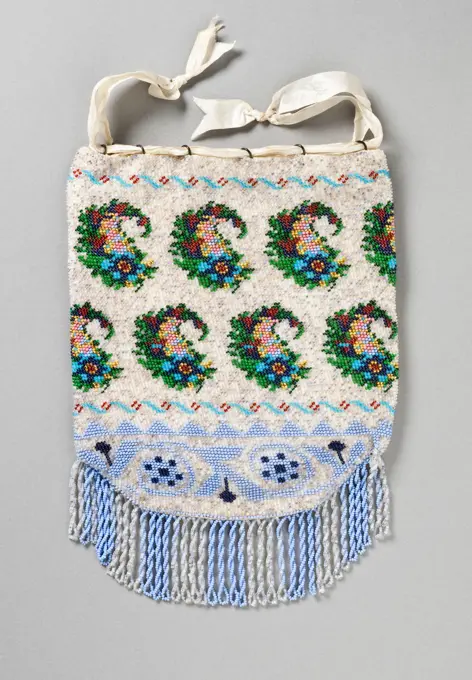
An assortment of decorative purses made from silk and metal, showcasing intricate beadwork and historical craftsmanship from France.
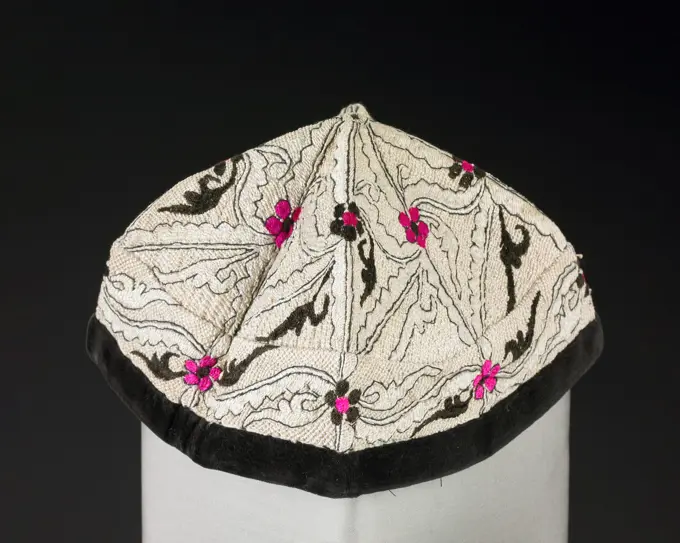
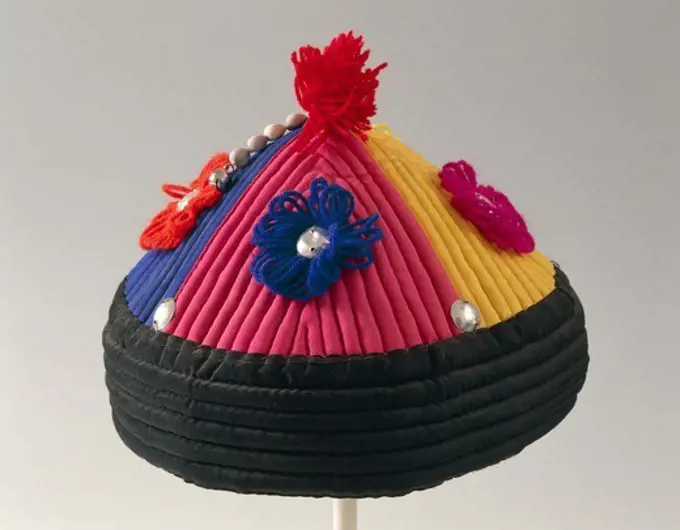
Hat, c. 1918, 4 13/16 x 7 1/2 x 7 1/2 in. (12.22 x 19.05 x 19.05 cm) (approximate), Cotton, velvet, silk; needlework, Uzbekistan, 20th century
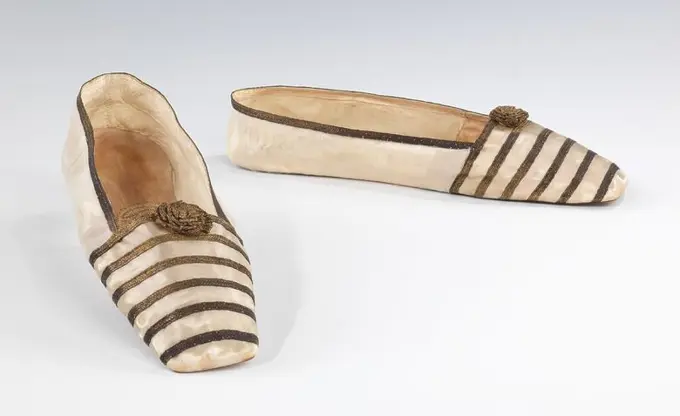
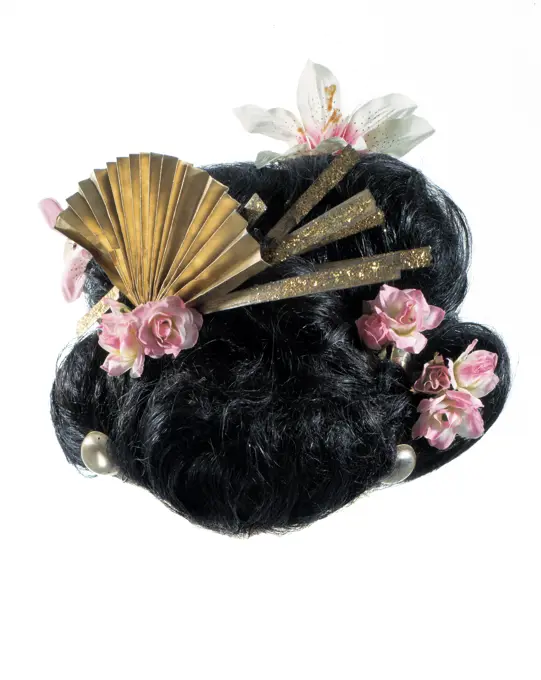
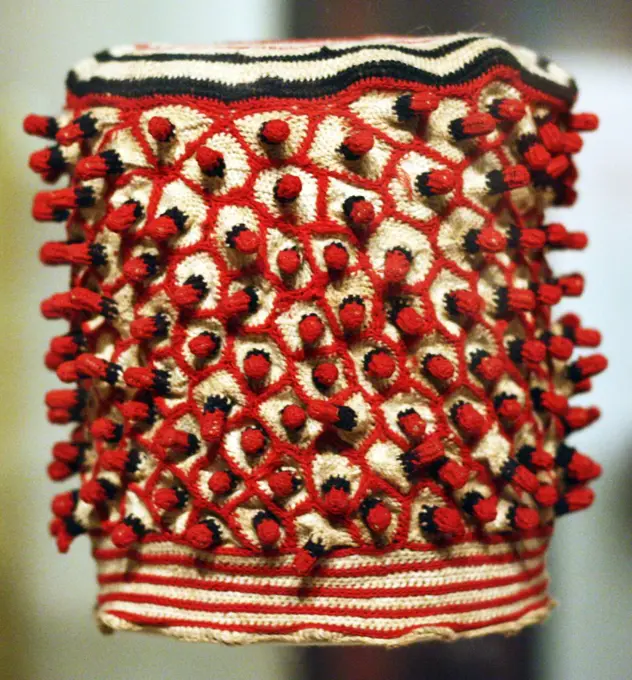
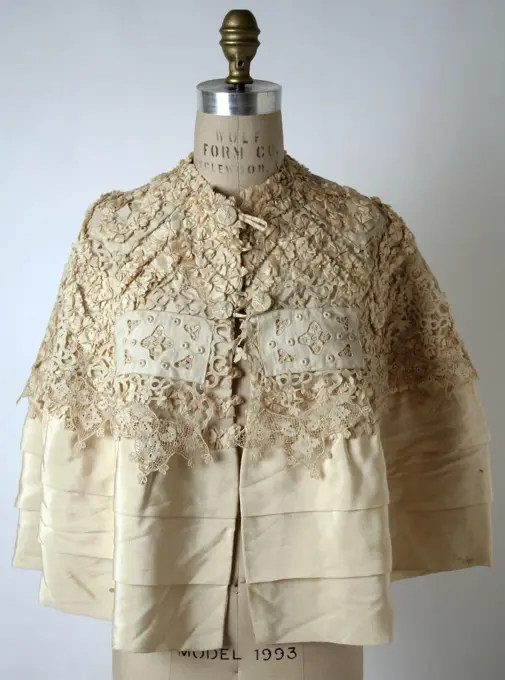
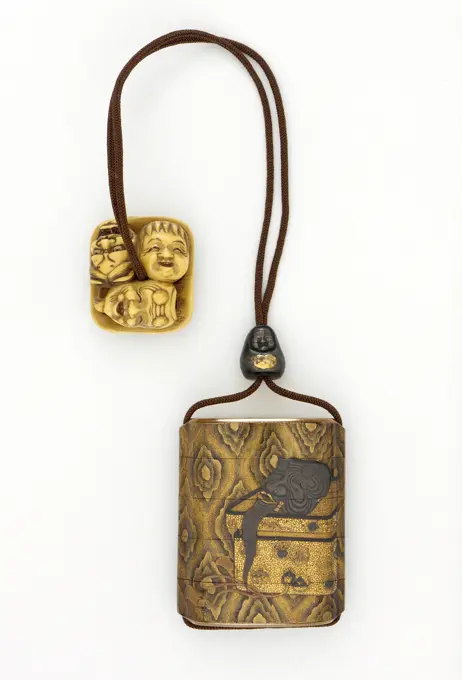
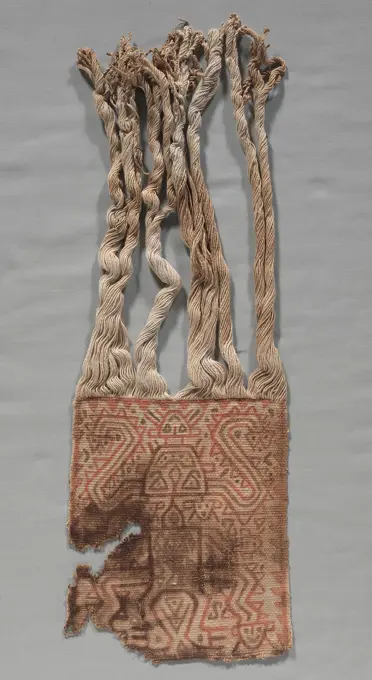
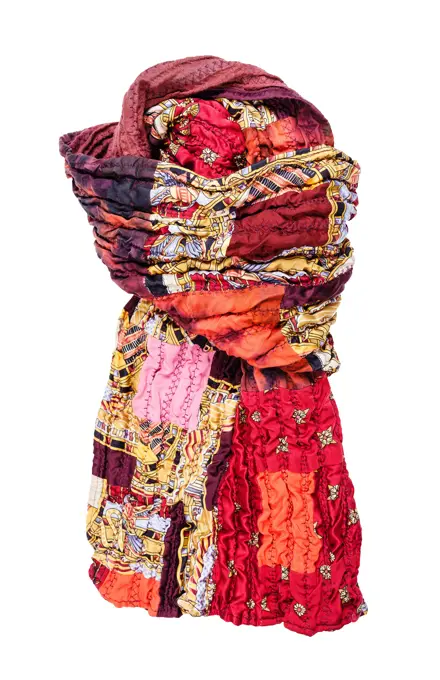
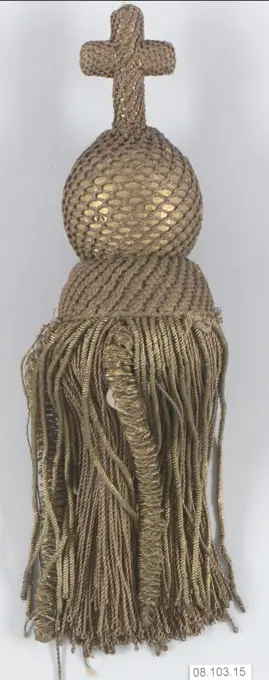
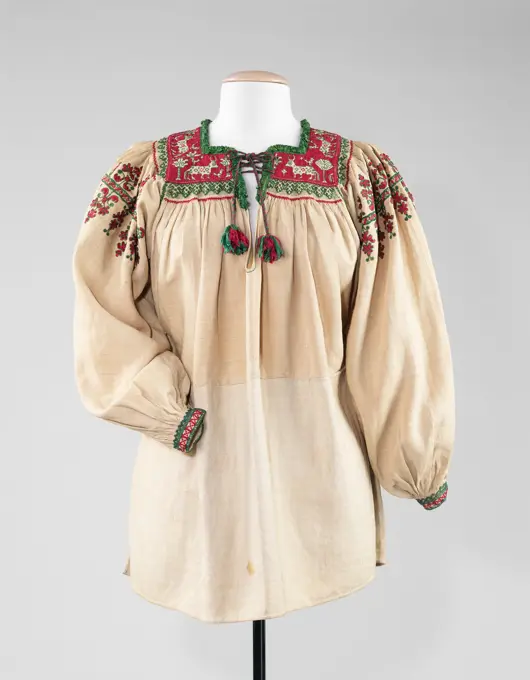
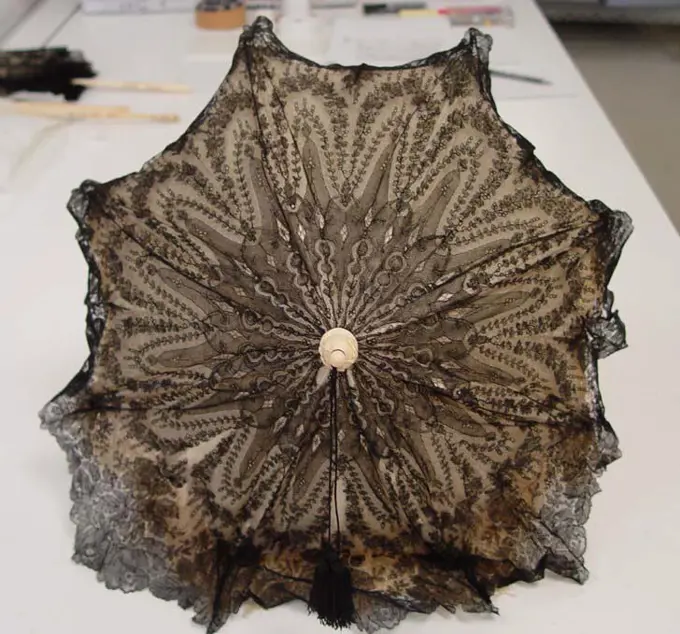
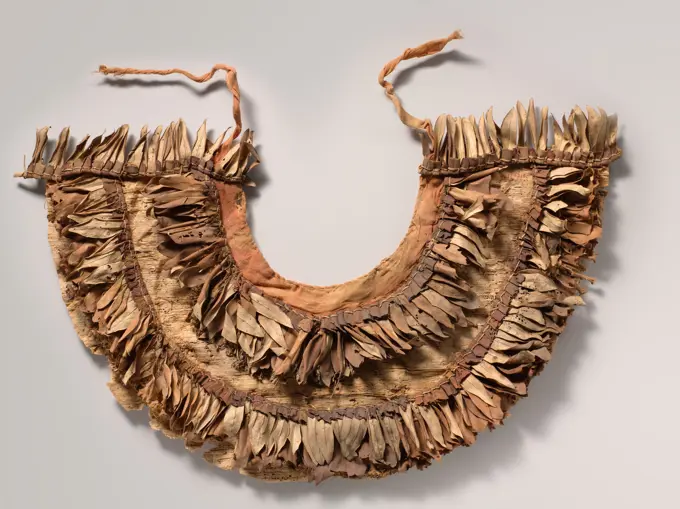
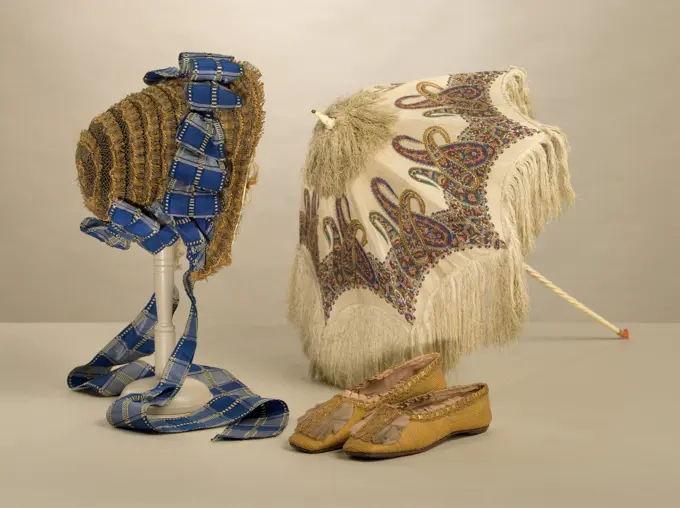
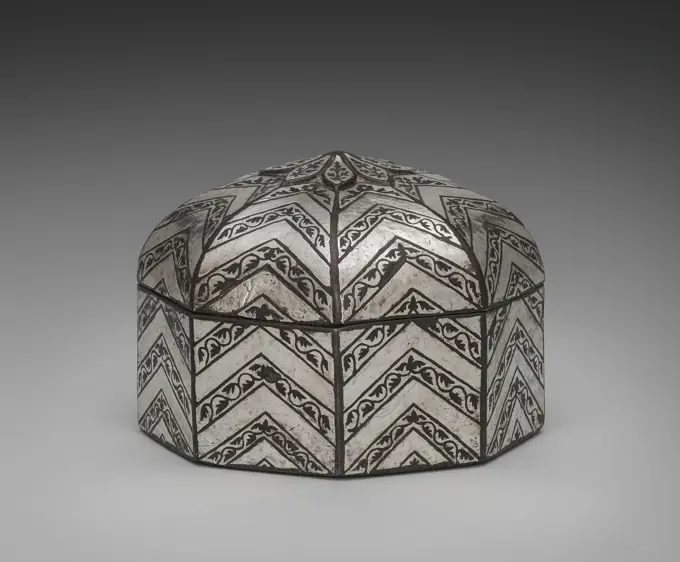
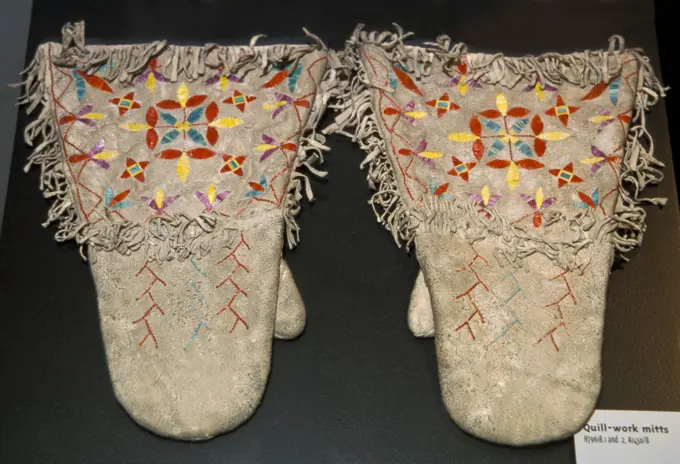
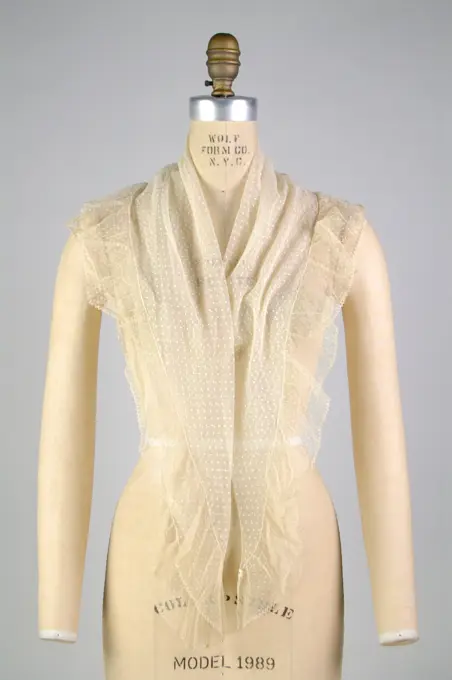
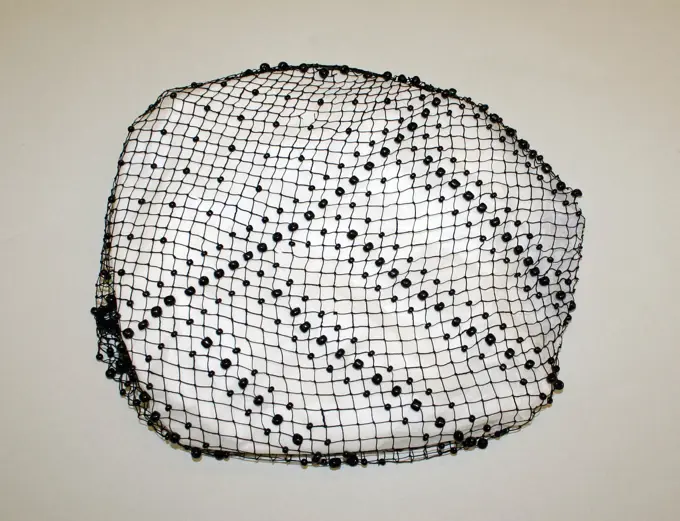
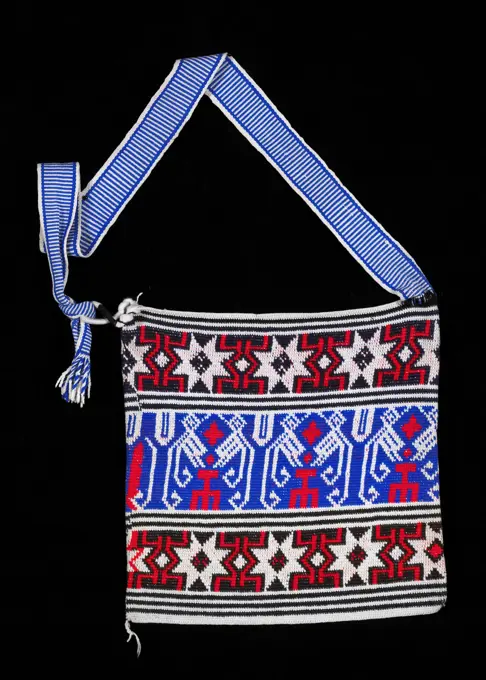
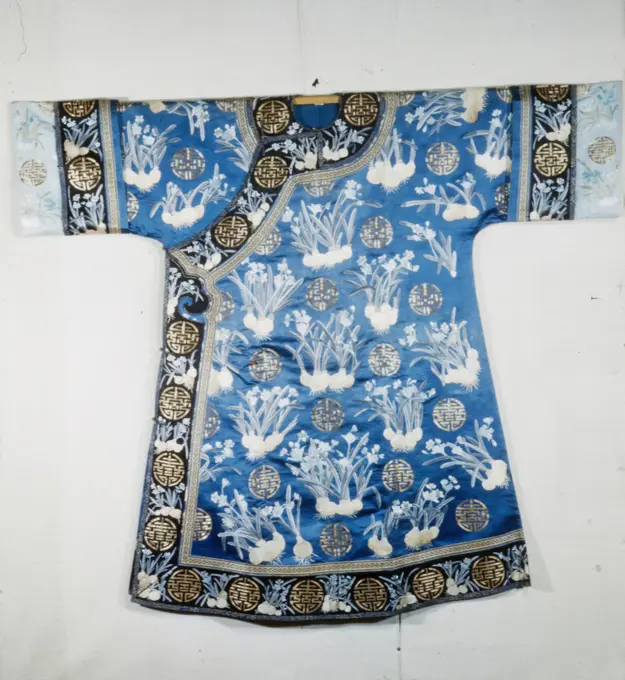
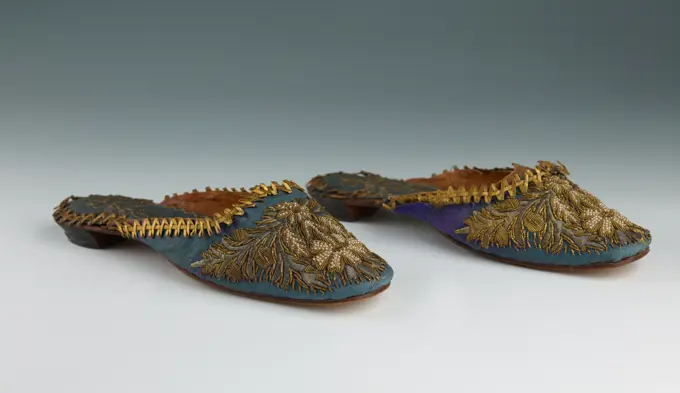
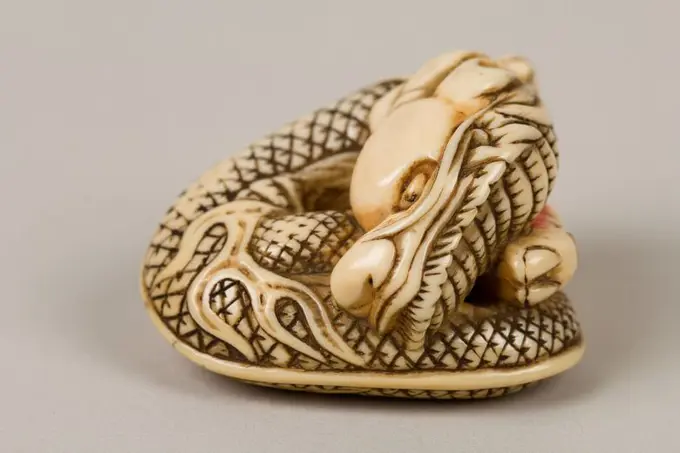
Netsuke of Coiled Dragon Enclosing a Pearl. Culture: Japan. Dimensions: H. 1 3/4 in. (4.4 cm); W. 1 1/2 in. (3.8 cm). Date: late 18th century. Museum: Metropolitan Museum of Art, New York, USA.Mitaine of silk, blue white, c. 1800 - c. 1820 Children's mitaine from silk, alternating blue and whitewashed in width, trimmed with silver frain. Zaanstreek geheel: silk. afzetrand: silver thread Children's mitaine from silk, alternating blue and whitewashed in width, trimmed with silver frain. Zaanstreek geheel: silk. afzetrand: silver threadEmbroidered Bag or Purse 1620.Bourse 1890. GAL2004.280.XFour-Cornered Hat. Peru, South Coast, Wari, 600-800. Costumes; Accessories. Camelid fiber in larkshead knotting with cut pileWoman's Bag (Reticule). Europe, circa 1830. Costumes; Accessories. Silk knit with glass and metallic beadsBrush pot, anonymous, c. 1700 - c. 1724 Porcelain cylindrical brush holder, covered with a monochrome turquoise, blue glaze. The wall of the holder is modeled in the form of a hedge of bamboo branches and leaves. A number of leaves have been demolished on the inside. Monochrome. China porcelain. glaze vitrification Porcelain cylindrical brush holder, covered with a monochrome turquoise, blue glaze. The wall of the holder is modeled in the form of a hedge of bamboo branches and leaves. A number of leaves have been demolished on the inside. Monochrome. China porcelain. glaze vitrificationSilk-straw Reticule. Dated: 1935/1942. Dimensions: overall: 45.7 x 35.4 cm (18 x 13 15/16 in.). Medium: watercolor and graphite on paper. Museum: National Gallery of Art, Washington DC. Author: Dolores Haupt.Tassel French 19th centuryWarm slippers isolated on the white backgroundPendant, 1800s. India. Silver gilt with turquoise and coral; overall: 6 cm (2 3/8 in.).Evening headdress ca. 1855 American. Evening headdress 174778Hunting and sports cap, 1920s, England, United Kingdom, 20th century.Shaffron (Horse's Head Defense). Culture: German, Augsburg. Dimensions: H. 21 1/2 in. (54.6 cm); W. 11 in. (28 cm); D. 8 in. (20.3 cm); Wt. 3 lb. 2 oz. (1430 g). Date: ca. 1545. Museum: Metropolitan Museum of Art, New York, USA.Evening slippers. Culture: British. Designer: Gundry & Sons. Date: 1840-49.The celebrity tie-in is not a new phenomenon to fashion. Merchants and makers have always been anxious to promote their products by their connections to the social elite. A small workshop could survive by local patronage and word-of-mouth referrals, but the increased volume and wider distribution of products generated by the Industrial Revolution necessitated the development of print advertising. Shoes are a particularly good example of this phenomenon, as they were one of the earlier items of apparel to bear labels. In this pair of slippers, the well preserved paper label makes full use of the maker's noble associations to promote the product, squeezing the names of four royal clients into the text. Also of note is it ribbon-striped vamp which enjoyed a period of fashionability in the 1840s. Museum: Metropolitan Museum of Art, New York, USA.geisha's wig still-lifeCotton and wool embroidered hat. 20th century. Sierra Leone, AfricaCap. Culture: Slovak. Date: 1830-50. Museum: Metropolitan Museum of Art, New York, USA.Belt, 80 x 3 3/8 in. (203.2 x 8.57 cm) (with fringe), Silk, ChinaSlippers 1850s American or European. Slippers 112720Basque 1880s American. Basque. American. 1880s. wool, glass beadsCape 1900s House of Paquin French. Cape 105420Hat, before 1929. Africa, Central Africa, Democratic Republic of the Congo, Mangbetu, 20th century. Plant fibers and dye; overall: 9.6 cm (3 3/4 in.); diameter of top: 17.1 cm (6 3/4 in.).Actor's Mask (Inrō/Ojime/Netsuke Ensemble). Attributed to Hara Yōyūsai (Japan, 1772-1845). Japan, 19th century. Costumes; Accessories. inrō Gold, black and gray hiramakie on togidashi ground of black and gold mokume lacquer; ojime mixed metals (shibuichi and silver) and gilt; netsuke ivoryApron ca. 1865 American or European. Apron 121799Attic Black-Figure Band Cup Fragment. Attributed to the Wraith Painter (Greek (Attic))Mummy Bundle "Mask", 200 BC-1. Peru, South Coast, Ica Valley, Ocucaje site, Paracas style (700 BC-AD1). Plain warp-faced cloth, painted: cotton; overall: 61 x 21.6 cm (24 x 8 1/2 in.).Shawl ca. 1850 American or European. Shawl 170458Bliżej Kultury unknownTobacco pouch -tied stitched red brown patchwork scarf isolated tied stitched red brown patchwork scarf isolated on white background ,property released Copyright: xZoonar.com/ValeryxVoennyyx 15362632 ,model released, Symbolfoto ,property releasedQuilted Petticoat. Dated: c. 1938. Dimensions: overall: 50.9 x 38.3 cm (20 1/16 x 15 1/16 in.). Medium: watercolor and graphite on paperboard. Museum: National Gallery of Art, Washington DC. Author: Rex F. Bush.Hat, mid 20th century, 19 7/8 x 22 9/16 in. (50.48 x 57.31 cm) (without top bead pompon), Cotton, buttons, beads, zipper; needlework, Pakistan, 20th centuryTassel 18th century French. Tassel 213511Hair Ornament or Plait Ornament 19th century Among the many beautiful adornments worn by Uzbek women were jewels to adorn their hair. This ornament would have attached to a womans plait, or braid and embellished her long tresses. A variety of materials make up this object including silk, gilt-silver pendants, coral, turquoise, and pieces of green glass. These individual components were not all locally sourced and illustrate the strategic location of Uzbekistan along the silk road. The regions of Bukhara, Khiva, Samarkand, and Kokand were important centers for the trade of jewels, textiles, and other luxury goods. View more. Hair Ornament or Plait Ornament. 19th century. Gold, silk, coral, turquoise, glass. Attributed to probably Uzbekistan. JewelryLegging strip -Fob late 18th century European. Fob 102466Comb. Dimensions: l. 7.4 cm (2 15/16 in). Dynasty: Dynasty 12-13. Date: ca. 1981-1640 B.C.. Museum: Metropolitan Museum of Art, New York, USA.Blouse fourth quarter 19th century Spanish This object was collected by Stewart Culin (1858-1929) during a collection expedition in 1920. Culin was the Brooklyn Museum's first Curator of Ethnology, serving from 1903 to 1929. Possessing an insatiable curiosity and appetite for collecting objects of all kinds, Culin conducted over twenty worldwide collecting expeditions between 1901 and 1928. The trips covered American Indian territories, New England, Asia, India, Great Britain, and all of Eastern and Western Europe. The seven expeditions between 1917 and 1928 were specifically focused on collecting regional textiles and costumes from Eastern and Western Europe and, to a lesser extent, New England. Culin's goals for these trips were not just to expand the Museum's holdings, but also to preserve their cultural contexts. He did so through amassing photographs, notebooks, and ephemera which documented the social, commercial, and cultural circumstances surrounding their acquisition. His collParasol French mid-19th centuryCape fourth quarter 19th century American. Cape 173941Wheellock Pistols with Holsters and Horse Trappings 17th century German. Wheellock Pistols with Holsters and Horse Trappings. German. 17th century. Wood (walnut), bone, mother-of-pearl, textile, metallic thread. Firearms-Pistols-WheellockCape 1892 American. Cape 107121Frank C Barks, Side Saddle, c 1937 Side SaddlePlatte mand, anonymous, 1700 - 1900 Flat basket with handles and red -braided characters on the bottom.  . Flat basket with handles and red -braided characters on the bottom.  .Floral collar from Tutankhamun's Embalming Cache ca. 1336-1327 B.C. New Kingdom This remarkably preserved floral collar, from the funerary cache of Tutankhamun, illustrates how the broad collars so frequently depicted in Egyptian tomb paintings were made. Alternating rows of flower petals and blossoms, leaves, berries, and blue faience beads were sewn to a papyrus backing, and linen ties secured the collar around the wearer's neck. Some of the flora used in the Tutankhamun collars have been identified as olive leaves, cornflowers, and poppies. Several collars in the cache, like this one, were bound around the edge with red cloth, and the resulting combination of red, blue, black, and green must have been very colorful and similar to the polychrome decoration on some of the terracotta vessels in same deposit (09.184.99).After the king's funeral, the floral collars, broken dishes, and other materials used during the ceremonies were placed in the large pottery storage jars that were foundMiser's purse, Medium: silk, metal Technique: crocheted, Coral colored silk, fringed and covered evenly with cut steel beads, which form the outer ends of the bag. The middle, of crocheted black silk, is sewn to the coral portion; triangular lappets of black silk crochet, with cut steel pendants at each triangular point, overlap the coral. Two cut steel rings control the side closing., France, early 19th century, costume & accessories, Miser's purseTrim, fringe, 18th-19th century, 8 x 5 in. (20.32 x 12.7 cm), Passementerie, 18th-19th centuryCap 1845-50 American. Cap 116791Womans shoe unknownHat ca. 1888 American or European. Hat 113038Purse (France); silk, metalCap ca. 1863 American or European. Cap 110178Earrings 18th century-19th century European, Eastern. Earrings 102403Slippers 1891 American. Slippers 102324Indian bone knife with a fox pine handle in a rawhide quiver decorated with porcupine quillsBag for Coca Leaves. Peru, South Coast, Nasca, Wari-related, 600-800. Costumes; Accessories. Camelid fiber and cotton, dovetailed tapestry with loop stitch embroidery, and braided fringeWaist Band, from a four-piece set, 31 7/8 x 9 15/16 in. (80.96 x 25.24 cm) (without ties), Cotton, ChinaChair Seat and Back Panel Made 1701-1800 France. Silk, warp-float faced satin weave; embroidered with silk floss in outline and satin stitches; couching and French knots .Christmas Embroidered Sock Christmas sock on a white isolated background Copyright: xZoonar.com/AndreyxSkatx 14714562Fringe, Medium: silk Technique: woven, Green, pink, yellow, blue and white fringe with a checkboard heading, trellis band pattern and skirt threads arranged in stripes., Greece, 17th century, trimmings, FringeEar pendants (tiboukaria), 1880-1900, Unknown Amazigh (Berber) or Jewish, 17 x 5 in. (43.18 x 12.7 cm), Silver, enamel, coral, amber, glass, shell, coins, seed, plant fiber, Morocco, 19th-20th century, These large ear hoops have enameled pendants, making them too heavy for earlobes. Instead, Muslim and Jewish women usually tied them to cords they attached to their hair. The circular niello designs are created by applying a black metallic compound to line-engraved surfaces, a technique introduced around 1500 by Jewish artisans from Andalusia, Spain, to the Anti-Atlas region of Morocco.Cap ca. 1882 American or European. Cap 116568Basket, 1 5/16 × 3 3/4 × 3 3/4 in. (3.33 × 9.53 × 9.53 cm), Plant fibers, United StatesFor Pantofli unknownCloseup of a colorful  zipper with metal teethBwami Prestige Cap (Mukuba or Nkumbu), early to mid-1900s. Africa, Central Africa, Democratic Republic of Congo, Lega-style maker. Plant fibers, elephant rawhide and hair, cowrie shells, glass beads, and cord; overall: 55.9 cm (22 in.).Baby carrier, c. 1970s-1980s, 28 3/16 x 70 3/4 in. (71.6 x 179.71 cm), Cotton; needlework, China, 20th centuryWaist Belt, 71 x 2 3/8 in. (180.34 x 6.03 cm) (without fringe), Silk, cotton, ChinaParasol 1855-70 American. Parasol 122277Shawl ca. 1850 Russian. Shawl 229314Sharf of white -baking earthenware, on the outside with a painting in blue on a white surface, c. 1500 - c. 1899 fragment   earthenware. glazeCartonnage Mask. Egypt, 2nd century CE. Jewelry and Adornments; masks. Cartonnage, gilding and pigmentsHat ca. 1886 American. Hat 113332Rajput robe, 18th century, 45 5/16 x 63 13/16 in. (115.09 x 162.08 cm), Cotton; brocade, India, 18th centuryVotive Checkerboard Tunic. Culture: Inca. Dimensions: H. 20 5/8 × W. 16 1/2 in. (52.4 × 41.9 cm). Date: 1460-1626.This small tapestry-woven tunic features a checkerboard pattern with a red V-shaped yoke. Although the design follows the conventions of full-sized garments thought to be associated with the Inca military, its scale suggests that it was destined to adorn a votive figure, a custom practiced in both Inca and colonial Spanish contexts. According to the Spanish chronicler Juan de Betanzos, the Inca dressed certain sacred statues, sometimes the size of a child, in finely woven garments. Miniature checkerboard tunics, smaller than the present example, have been found with small gold, silver, and shell figurines as part of <i>capac hucha</i> or "ritual obligation" offerings, a type of ritual practice designed to extend and unite the vast landscape of the Inca Empire. Despite its smaller scale, this garment includes all of the fine detailing of its full-size counterparts. The checkBoot liner -Capot, blacksmith, pumps. Shadow: Cover in Cream Silk Print with polychrome arrangements, Cream silk canvas, Metal carcass with eight branches, pink and white glass needle, flowing in chiseled gold, tip, mast and twisted ivory handle, coral pearls . Capote: Like decorated with straw lace arranged in a spiral; Scottish ribbon. Pumps: blonde straw, knot and lining in pale pink silk taffeta, leather sole. 1848-1860. Galliera, fashion museum of the city of Paris. Polychrome cashmere printing Accessory, needle, ring, white, hood, cord, blue tile, shoe, flow, cover, polychrome arrangement, lining, tip, pump, female, printing, twisted ivory, handle, mat, metal, shadow, gold chisel, white straw , Coral pearl, pale pink, ribbon, silk canvas cream, pink glassRound pouch of ocher yellow Shantungzijde, around which a square surface of embroidered green-gray ran wool decorated with tiger's beads, anonymous, c. 1910 - c. 1920  Round pouch from ocher yellow Shantungzijde, around which a square surface with fanning points of embroidered green-gray ran wool, lined with ocher yellow silk. The four points are attached to the top edge of the pouch, with a tiger eye bead at each end. The wool is decorated with small regularly scattered points and an embroidered border in the golden yellow and brown Vloszijde. In the middle a four -pointed star, within which an embroidered circle in green and brown and a semicircular glass bead. On the points of the star a machine -embroidered line of round brown or elongated golden yellow dots, which comes out in the points of the woolen surface. Along the edge of the bag a strip of crocheted circles through which a double golden yellow rotated cord is strung, with which the bag can be closed. The bag is unlined. NetPurse (USA); wool embroidery on linen canvasBidri Pandan with Chevrons, c. 1700. Southwestern India, Deccan, Karnataka, Bidar. Zinc alloy with silver overlay; diameter: 15 cm (5 7/8 in.); height: 10.5 cm (4 1/8 in.). A pandan is a lidded vessel for serving paan, which has been enjoyed in India for more than two thousand years. Paan is betel or areca nut mixed with lime powder, aromatics such as clove cinnamon, or cardamom, and wrapped in betel leaf. The whole packet is chewed after a meal as a mild stimulant and mouth freshener.Pair of Woman's Shoes. England, circa 1720s. Costumes; Accessories. Brocaded silk, leather, linen, kidCap (Afghanistan); silk on cottonGloves 1825-40 probably French. Gloves 119559Mexican knitted poncho isolatedFashion, China, 20th century. Headdress used by government officials at the beginning of the century.Goldsmith's art, France, 19th-20th century. Rene' Lalique (1860-1945), necklaces with decorated plaques.Back bagShawnee lined deerskin mittens embroidered with colorful porcupine quill-workMuiltje with embroidered side sheet of silk on pattern, with pattern of blue star flowers on yellow stock with green network with red windows and white points, anonymous, c. 1660 Mile with front blade of embroidery from silk on pattern, with pattern of blue star flowers on yellow stock with green network with red diamonds and white points. Model: wide forefoot, pointed point. The heel is halfway through the yellowl and is covered with blue racked leather. Along the edge of the heel are white stitching. The front of the heel runs straight down in a rounded angle from the start of the yellowl. The back of the heel runs straight down in a rounded angle. The course of the back of the heel to the sides of the heel goes in a corner. Covered with ivory white glacé leather. A tire ivory white glacé leather is stitched between the cover sheet and the sole. The insole is made of dark brown leather. The sole is made of dark brown leather. The part of the sole that touches the ground is ran from lGREW Army helmet Pattern 1956 unknown labelFichu ca. 1880 American. Fichu 168684Snood 1870s probably American. Snood 117819Part of a skirt. Culture: possibly French. Dimensions: L. 44 inches (111.8 cm). Date: third quarter 19th century. Museum: Metropolitan Museum of Art, New York, USA.Staffordshire knot, an English corn dolly.Bonnet 1883 French. Bonnet 113238Fragment upholstery of a four-poster bed. Fragment belonging to a wall sky bed.Man's bag, c. 1990, 12 x 12 in. (30.48 x 30.48 cm)33 x 1 1/2 in. (83.82 x 3.81 cm) (object part, strap), Acrylic; crochet, weaving, Guatemala, 20th centuryManchu Woman's Unofficial Informal Court Robe, 1875-1908, L. 56 7/8 in., Embroidered satin, China, 19th-20th century, This impressive garment displays a scattered scheme of gold shou medallions (representing long life) and multicolored flowering narcissus bulbs against a blue satin ground. Datable to the Guanxu period (1875-1908), it displays prominent shou medallions in a style that was popular in the private court of the Empress Dowager Cixi. This gown reportedly belonged to her personally. The fragrant narcissus is a beloved flower of the New Year and a harbinger of spring. This flower originated in Europe, but was known in China by the Tang dynasty (618-906) having been imported through the Middle East along the Silk Road.Pair of shoes unknown