Vintage Purses

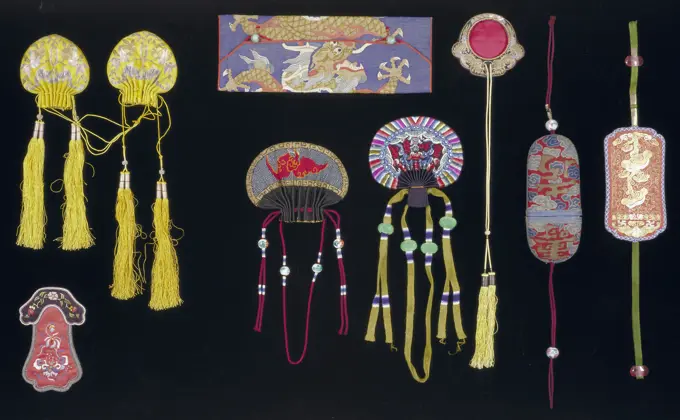
An assortment of decorative purses made from silk and metal, showcasing intricate beadwork and historical craftsmanship from France.
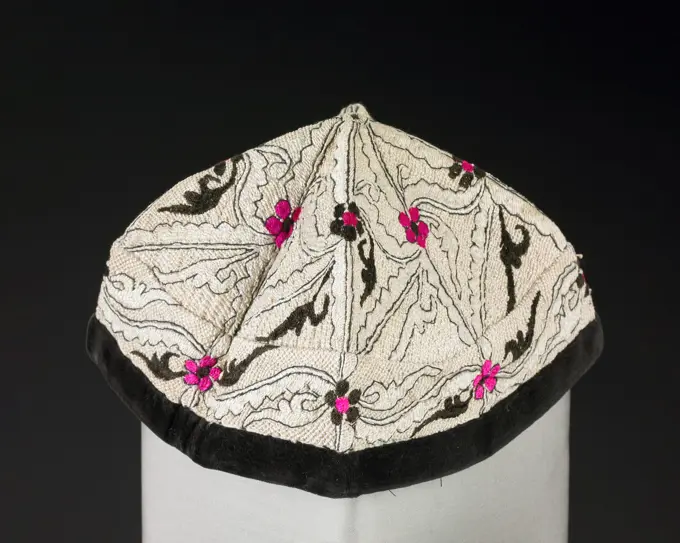
Hat, c. 1918, 4 13/16 x 7 1/2 x 7 1/2 in. (12.22 x 19.05 x 19.05 cm) (approximate), Cotton, velvet, silk; needlework, Uzbekistan, 20th century
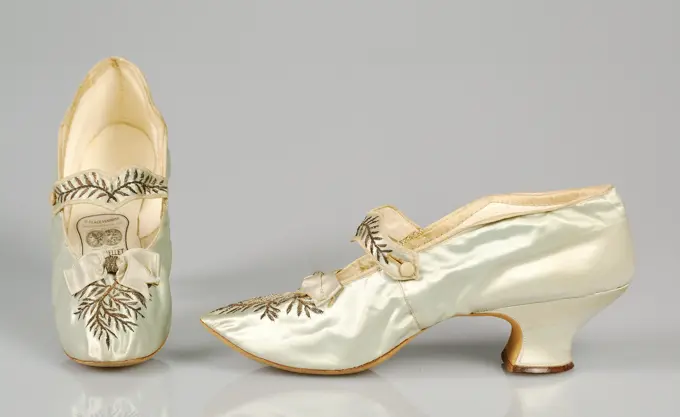
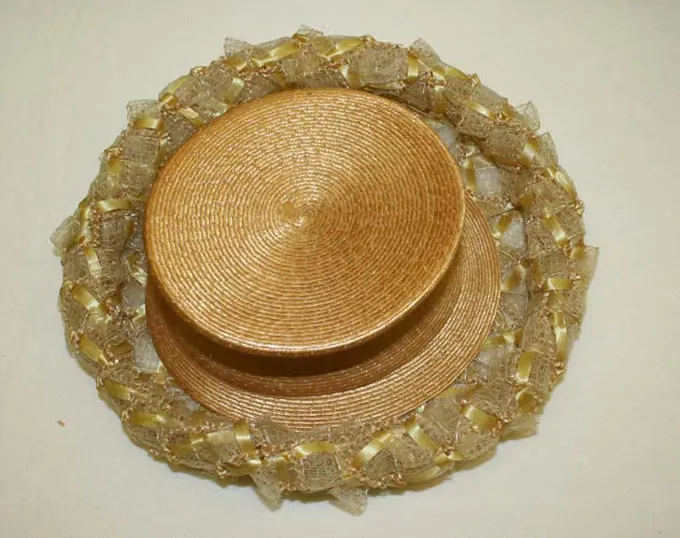
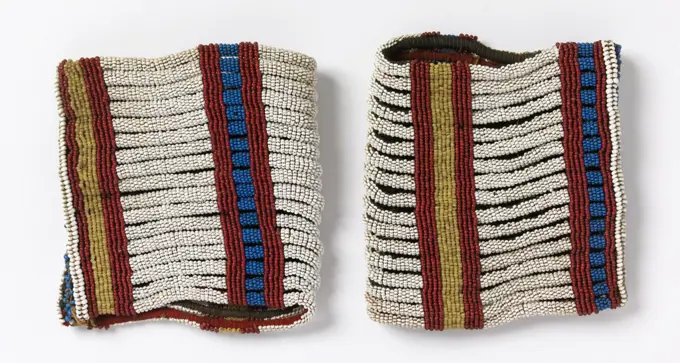
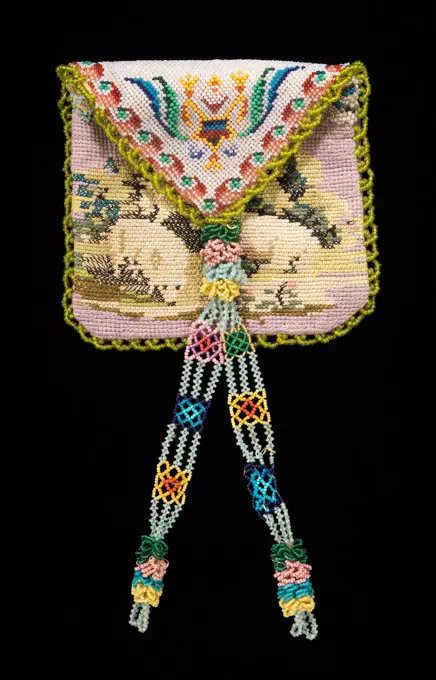
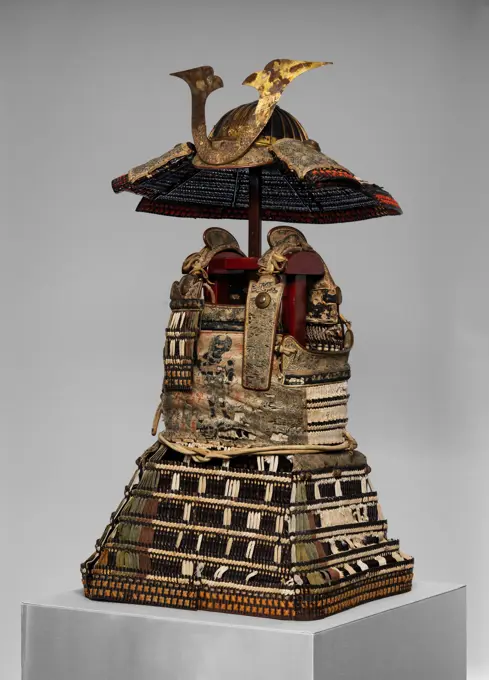
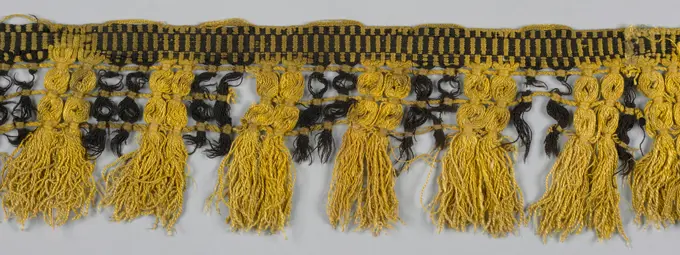
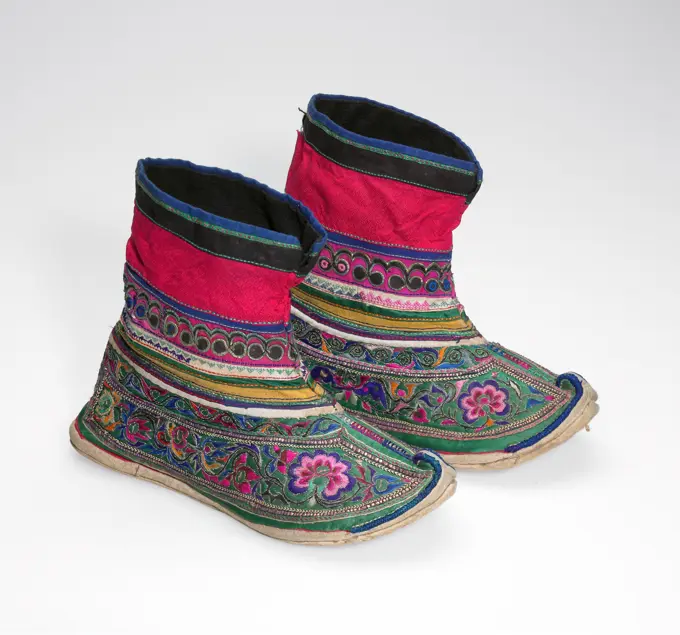
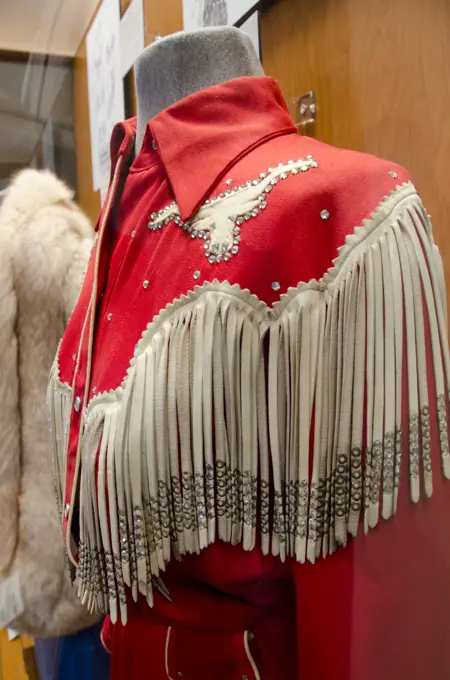
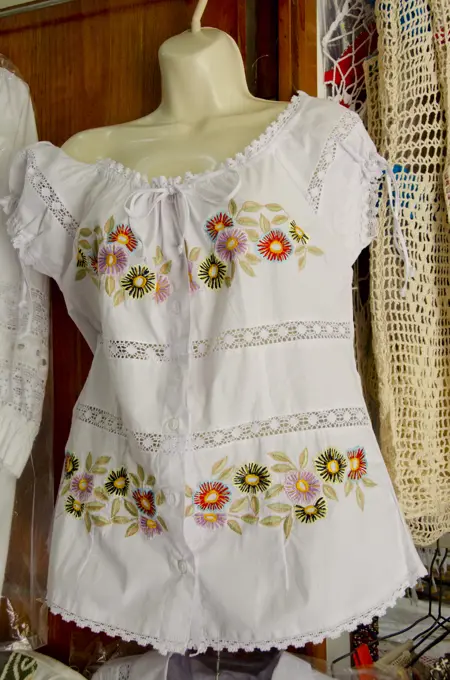
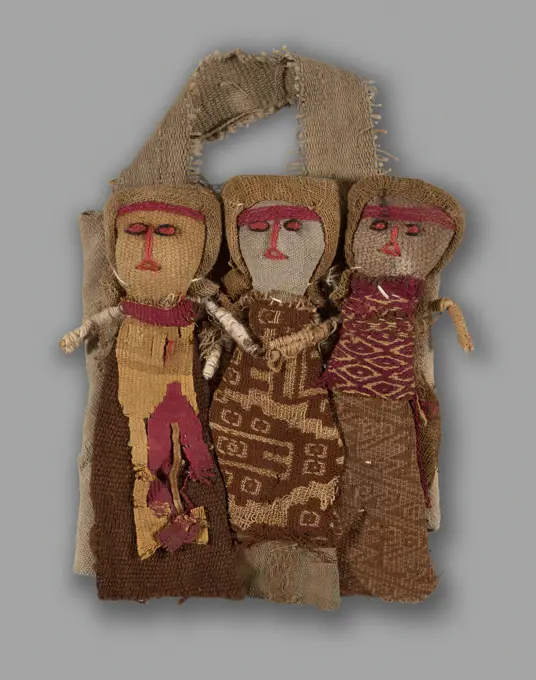
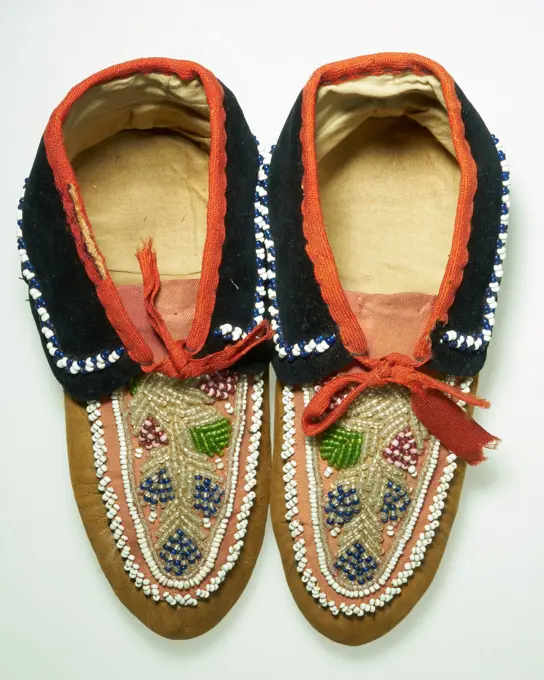
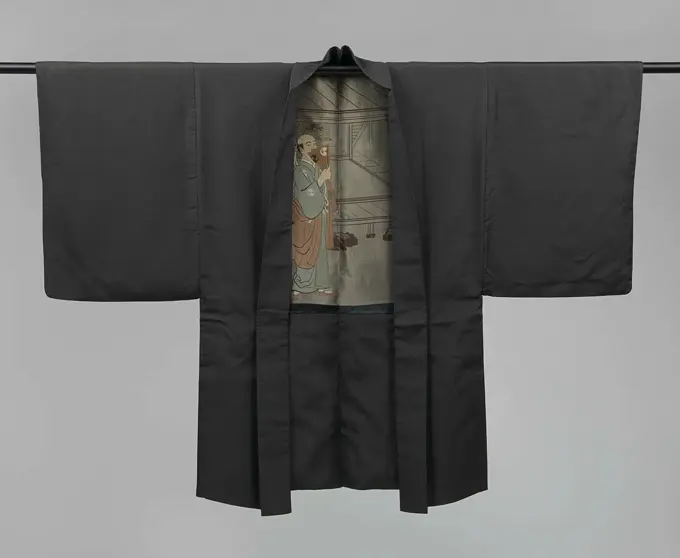
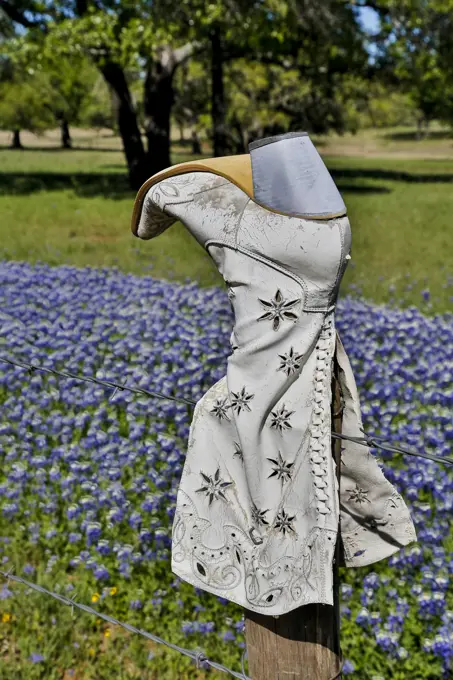
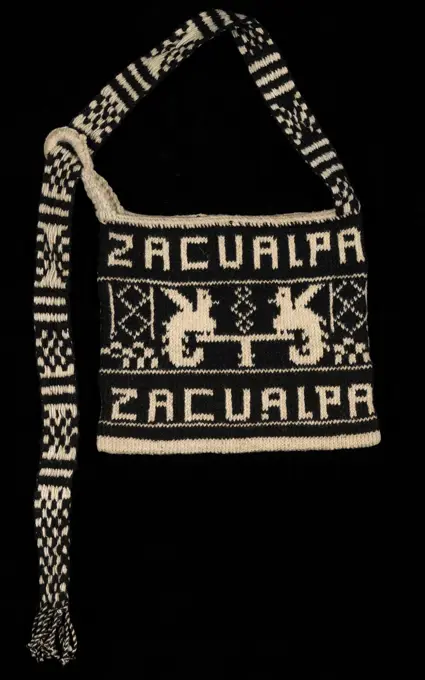
Christmas decorationCase, 19th century, Unknown Chinese, 6 x 3 in. (15.24 x 7.62 cm), without tassels, Cotton, silk, and glass, China, 19th centuryBasket, 1900-1942, 1 x 1 x 1 in. (2.5 x 2.5 x 2.5 cm), Natural plant fibers, United States, 20th century, In the early 1900s, many Euro-American women traveling through the Southwest region of the United States became infatuated with miniature Native American baskets, and some became avid collectors. Native women basket makers responded to this demand by creating ever-smaller baskets, utilizing the same harvesting, processing, and coiling techniques as those for personal use. Creating tightly woven, tiny baskets in an expanding range of designs and styles for their new clientele required the same levels of expertise and knowledgebut perhaps even more dexterity and skill.Stockings 1875-99 probably French. Stockings 121441Two LimeContainersPointed, asymmetrical cap of long-haired black felt and gray velvet. Pointed, asymmetrical cap of long-haired black felt and gray velvet. With a sewn label on the inside: Caroline Reboux / 9 Avenue Matignon. Paris.Evening shoes ca. 1895 L. Perchellet French. Evening shoes 169959Letter Case (Spain); silk, mica, bast fiberHat ca. 1880 American or European. Hat 113121Fragment of the tulle frill unknownFanchon. Culture: French. Date: ca. 1865. Museum: Metropolitan Museum of Art, New York, USA.Bracelets (South Africa); beads, hideBox -GORRO MILICIA FALANGE DISTINTIVO COMBATE 1 LINEA. Location: EXPOSICION DE LA GUERRA CIVIL ESPAÑOLA. MADRID. SPAIN.Bag. England. Date: 1601-1700. Dimensions: 12.7 × 14.3 cm (5 × 5 5/8 in.)Tassels: 5 cm (2 in.)Drawstring (e×tended): 30.5 cm (12 in.). Linen, plain weave; embroidered with silk threads in tent stitch; edging: silk and gilt-metal-strip-wrapped silk, plain weave; drawstrings; silk, plaited; tassels: silk and gilt-metal-wrapped silk, plaited; lining: silk, plain weave. Origin: England. Museum: The Chicago Art Institute, Chicago, USA.Bronze decorative bracelet; Fang tribe; Equatorial Guinea, West Africa. 1900Purse 1800-1820 Mexican The construction of this bag combines beadwork and needlework. The needlepoint lamb motif recurs frequently in beaded bags. The lining, an 18th-century dress silk, possibly French, is an example of the reuse of precious dress silks from earlier periods. The crown motif may have some ceremonial significance, possibly related to marriage. The purse is part of the Mexican beadwork collection of over 600 pieces assembled by Elizabeth Morrow (1873-1955), mother of writer Anne Morrow Lindbergh, the wife of renowned aviator Charles Lindbergh. Morrow collected the objects between 1927 and 1930, when her husband, Dwight Morrow, Sr., served as U.S. ambassador to Mexico. She lent the collection to the Brooklyn Museum in 1938 and upon her death, her children donated it. A collection of 155 pieces of Mexican ceramics and other decorative arts were given to Amherst College, her husband's alma mater. Mrs. Morrow collected Mexican beadwork, along with other examples of colonialA pair of boys' shoes unknownArmor (Yoroi) of Ashikaga Takauji (1305-1358) early-mid-14th century Japanese This is a rare example of a medieval yoroi. The yoroi is characterized by a cuirass that wraps around the body and is closed by a separate panel (waidate) on the right side and by a deep four-sided skirt. In use from around the tenth to the fourteenth century, yoroi were generally worn by warriors on horseback.Originally, this armor was laced in white silk and had diagonal bands of multicolored lacings at the edges of the skirt and the sode (shoulder guards, missing here). The colored lacings symbolized the rainbow, which represented both good fortune and fleeting beauty. The breastplate is covered with stenciled leather bearing the image of the powerful Buddhist deity Fud My-, whose fierce mien and attributes of calmness and inner strength were highly prized by the samurai. The helmet, long associated with this armor, dates from the middle of the fourteenth century.Traditionally, it is believed that this Shoes 1760s British. Shoes 112645Umbrella early 19th century European. Umbrella 104836Glove of deer leather () With wide, rippled caps decorated with a symmetrical embossed designed motif, men's model. Left glove of deer leather () With wide, pinned caps decorated with a symmetrical embossed designed motif, men's model.Pair of Moccasins Made 1875-1900 Plains. Hide, stitched with animal product; embroidered with porcupine-quill-wrapped cotton in buttonhole stitches; beaded with glass beads; tassels of cotton, metal, and feathers . Sioux SanteeNecklace, c. 1920s, 16 in. (40.64 cm) (bead length), Plastic, silk, Poland, 20th centuryFringe (Spain); 1909-12-8Wedding slippers. Culture: probably French. Date: 1857.Even as heels began to come back into fashion in the 1850s, the prevalent choice of brides was the flat, heelless slippers that had been worn for nearly half a century. Changes in toe shape, throat depth and shape, and trimming distinguish the slippers of one date from another. This pair wedding shoes are adorned with a large and elaborate combination bow/rosette accentuated with web-like lace, a form of trimming which was stylish in the late 1850s and early 1860s. Museum: Metropolitan Museum of Art, New York, USA.Bag 18th century British. Bag 221610Pair of Shoes, 7 x 10 1/8 x 4 3/16 in. (17.78 x 25.72 x 10.64 cm) (each, approximate), Cotton, silk, metallic strips, sequins, ChinaStockings 1860-69 American. Stockings 104146Chasuble (a) and burse(b).  Maker: UnknownPair of womens shoes with pointed toe, c. 1900 - c. 1910 Pump from golden -yellowed glacéle leather, decorated with gold/brown beads. Pump model. Very pointed nose and low 'Pompadour' heel. On the nose is decorated with a large triangle of flower branches. Belgium whole: Pump from golden -yellowed glacéle leather, decorated with gold/brown beads. Pump model. Very pointed nose and low 'Pompadour' heel. On the nose is decorated with a large triangle of flower branches. Belgium whole:USA, Tennessee, Nashville. Country Music Hall of Fame. Patsy Cline collection, red costume with fringe.Left glove from beige crocheted in silk. Left glove from beige ajour crocheted in silk, no closure.Stockings 1860-70 American. Stockings 173329Brazil, Fortaleza. Emcetur Tourist Center, handicraft market housed within a former prison. Handmade textiles, lace and embroidery work, a specialty of the.Dolls Made 1950-1984 Peru. Contemporary assemblage of materials from a variety of past cultures. Cotton and wool, variety of weaves' embroidered with wool in satin and back stitches; cotton wrapped twigs . ChancayCrampons on slipperUnder Apron, 25 1/2 x 28 1/2 in. (64.77 x 72.39 cm), Silk, cotton, ChinaFigure China. Figure 62945Moccasins, 19th-20th century, 3 1/4 x 9 x 4 in. (8.26 x 22.86 x 10.16 cm), Hide, sinew, cotton, velvet, glass beads, United States, 19th-20th centuryJapanesse new year decorationMen's Haori with Yuranosuke at the Ichiriki Teahouse. Haori for a man with an adornment to the lining of a man standing with a range for his face in the garden of a house, where behind the veranda shows a room with a waves and a hanging roll painting with a landscape, one Lantern hanging on the roof. The double comma family crest on the range identifies the man as Yuranosuke, the leader of the 47 masterless Samurai, who will get a letter about his rival morono at the Ichiriki Teahuis. Gray-black silk with brocade textured decoration. See also AK-RAK-2009-3-54.The Imperial Crown of the Holy Roman Empire, 1800, woodcut, Austria, EuropeCowboy boots on fenceline near Fredericksburg, Springtime, Blue Bonnet bloom, TexasWedding slippers 1894 American. Wedding slippers 113196Baby's Cap (England); Bequest of Marian Hague; 1971-50-442BannerMan's bag, 1997, 13 x 14 1/2 in. (33.02 x 36.83 cm)52 x 2 in. (132.08 x 5.08 cm) (object part, strap), Wool; knitting, weaving, Guatemala, 20th century