Vintage Shoemaking Tools

Antique ivory and wooden tools used in shoemaking, including scoops and pullers, characterized by elegant designs and historical significance.
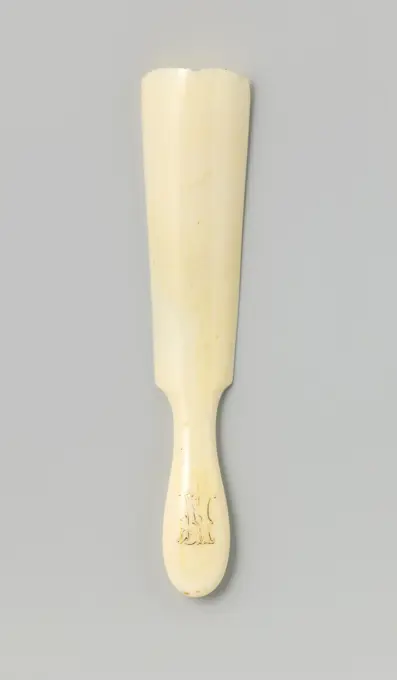
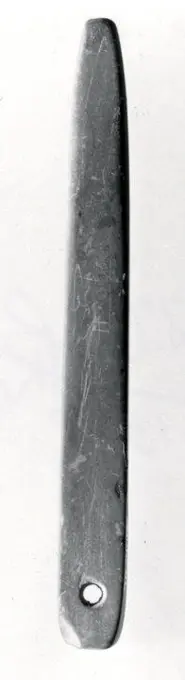
Shoe puller of ivory with monogram JVN, c. 1910 Shoe puller from ivory with the monogram JVN, in embroidered bag.  ivory Shoe puller from ivory with the monogram JVN, in embroidered bag.  ivory
Shoe puller of ivory with monogram JVN, c. 1910 Shoe puller from ivory with the monogram JVN, in embroidered bag. ivory Shoe puller from ivory with the monogram JVN, in embroidered bag. ivory
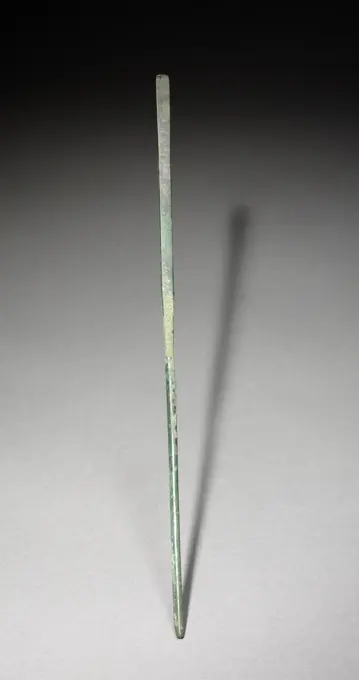
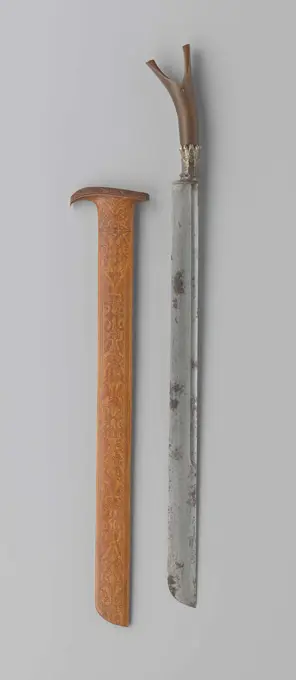
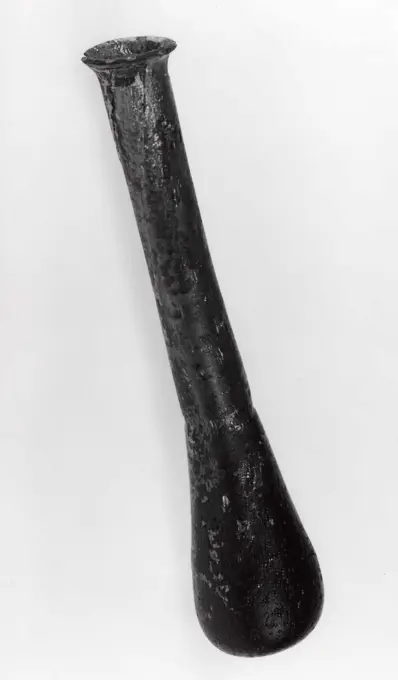
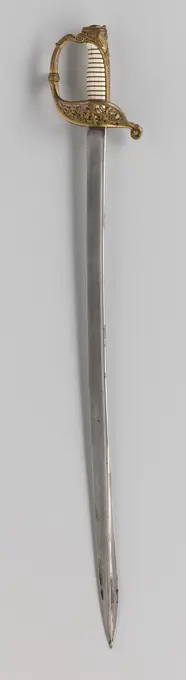
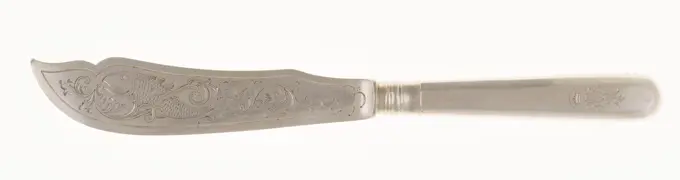
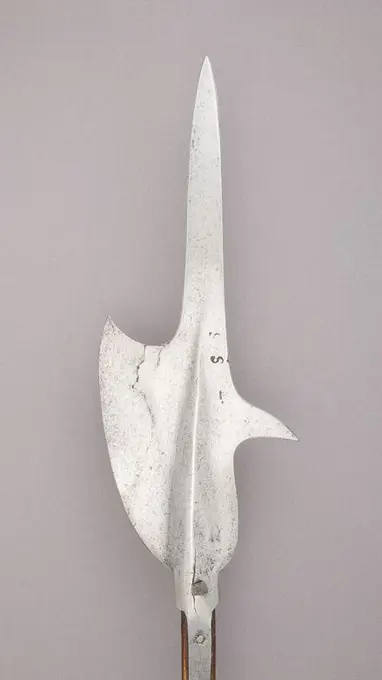
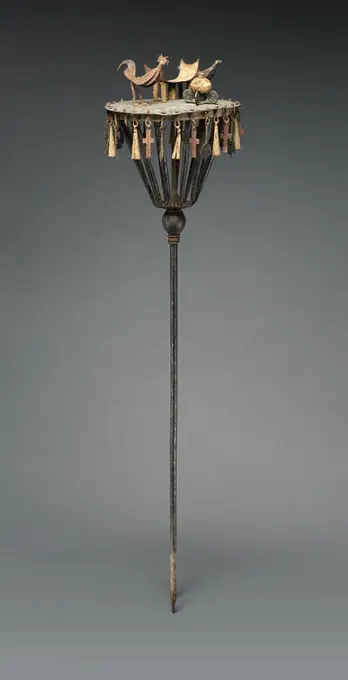
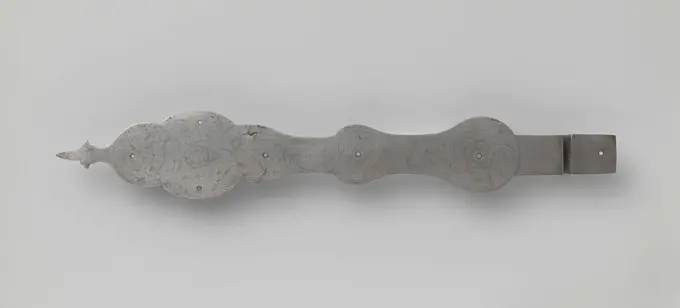
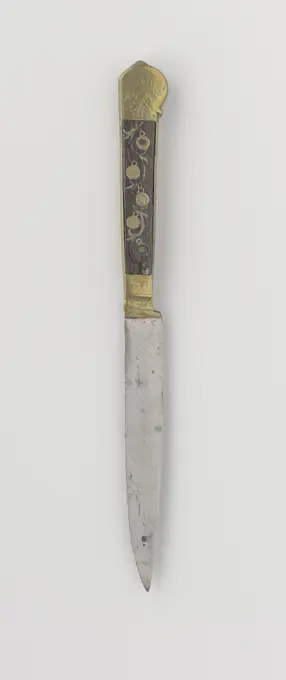
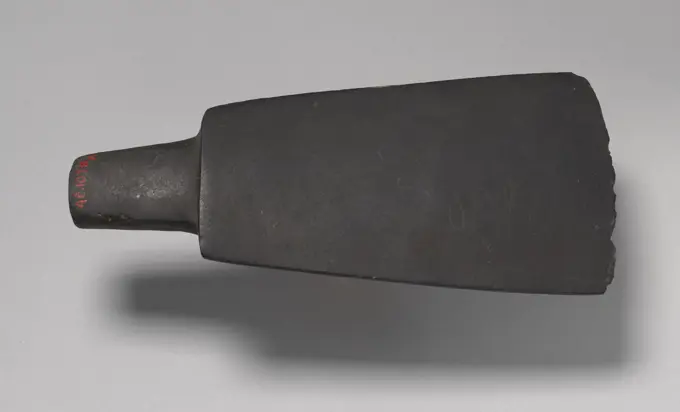
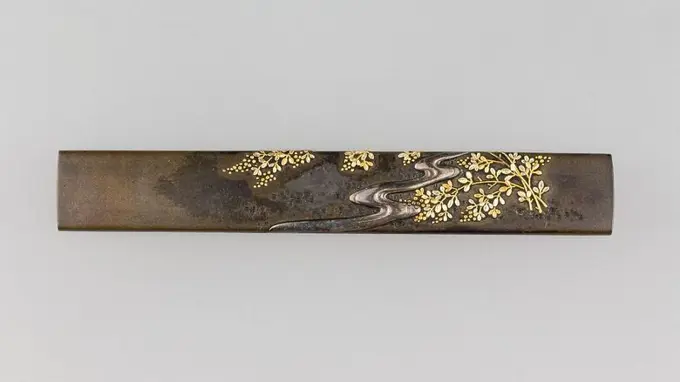
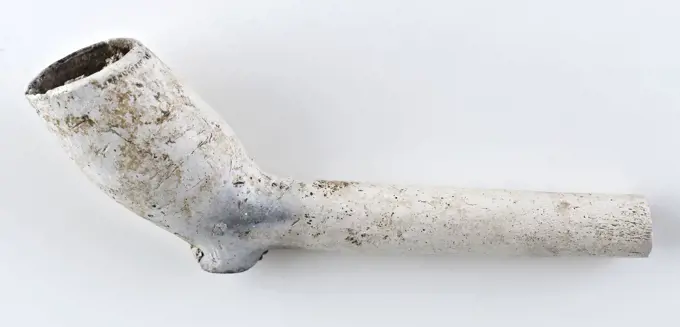
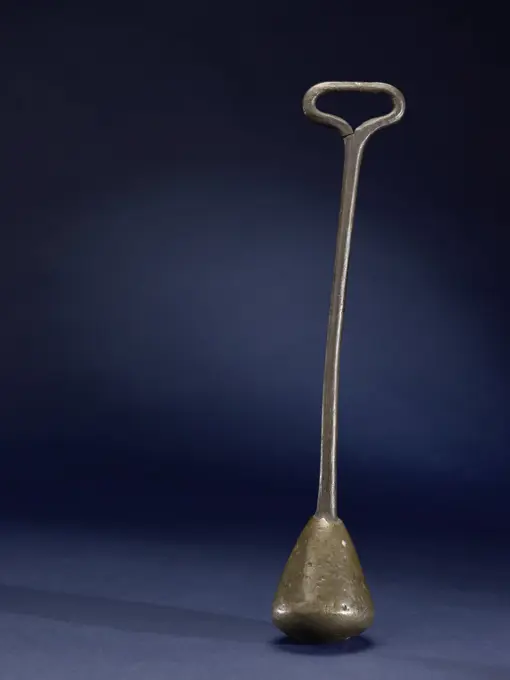
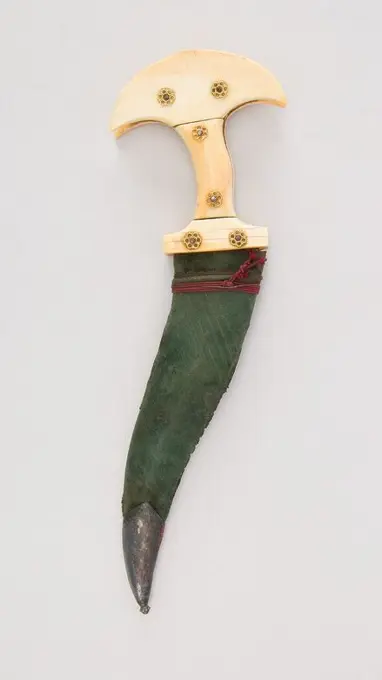
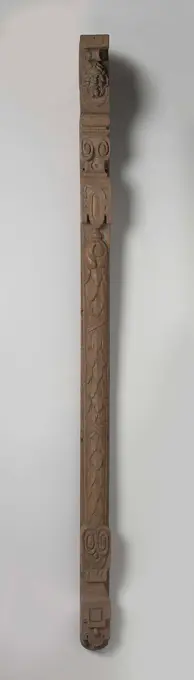
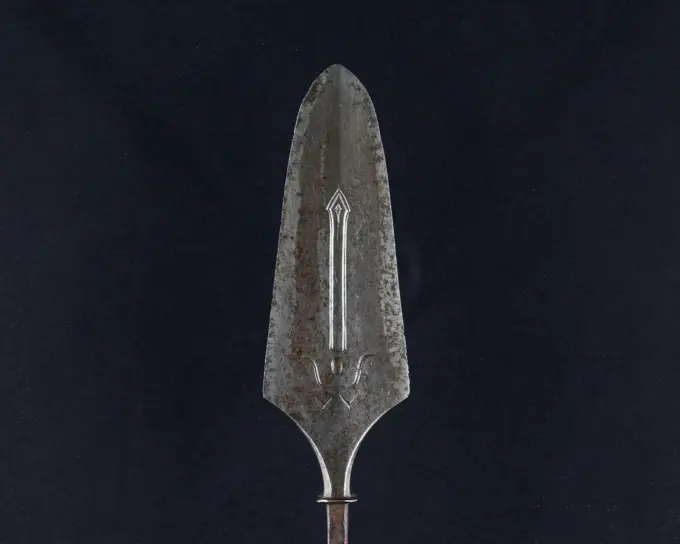
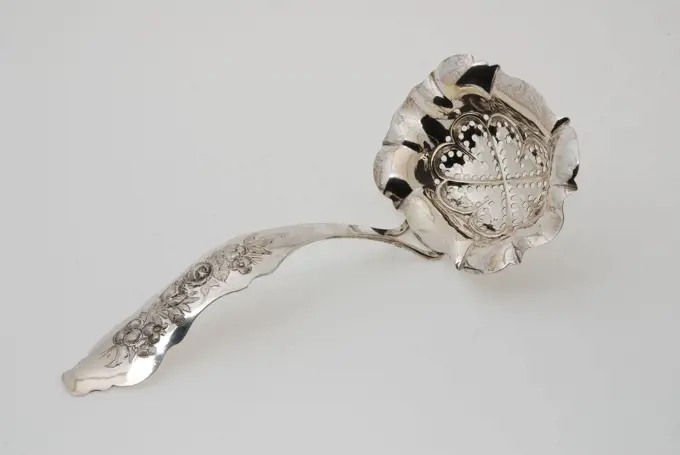
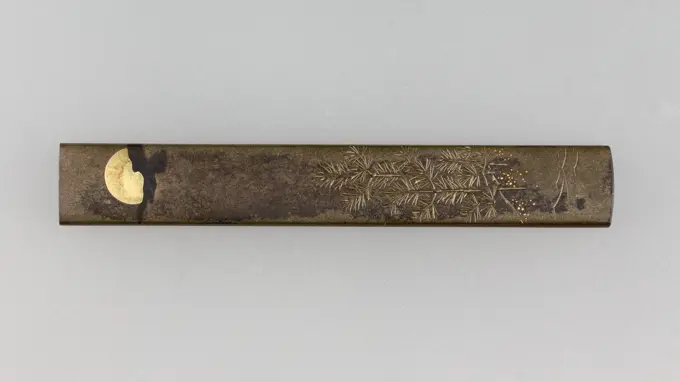
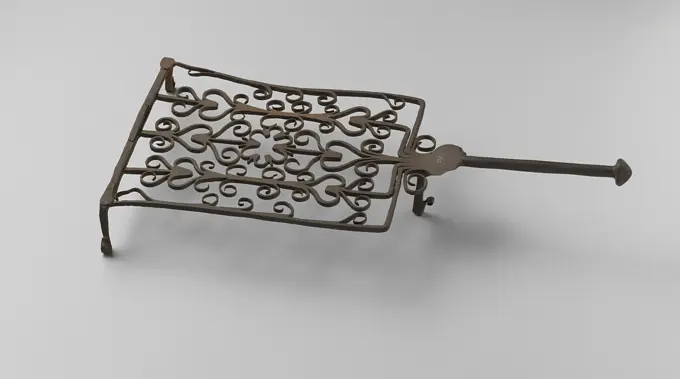
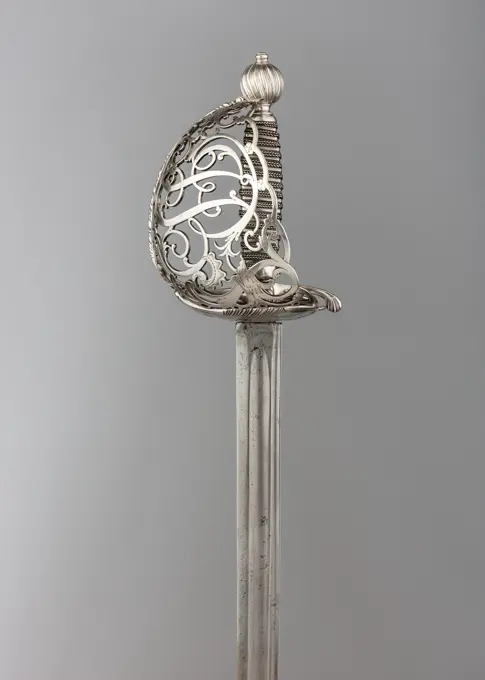
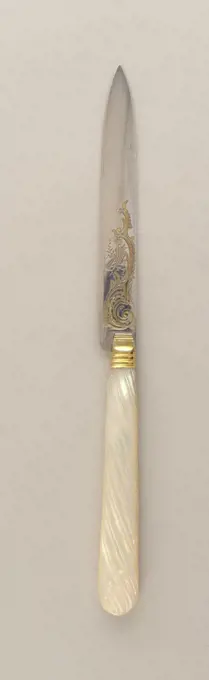
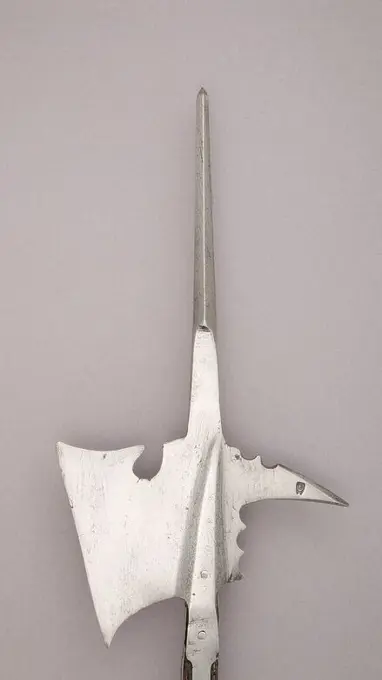
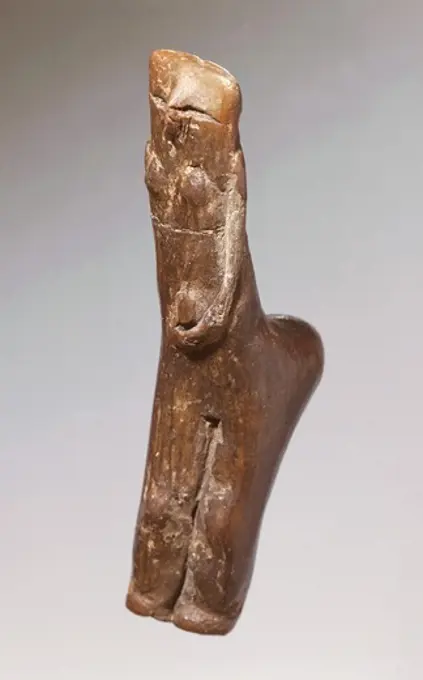
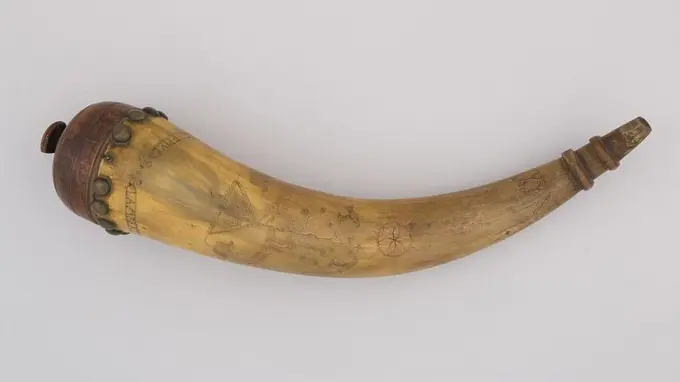
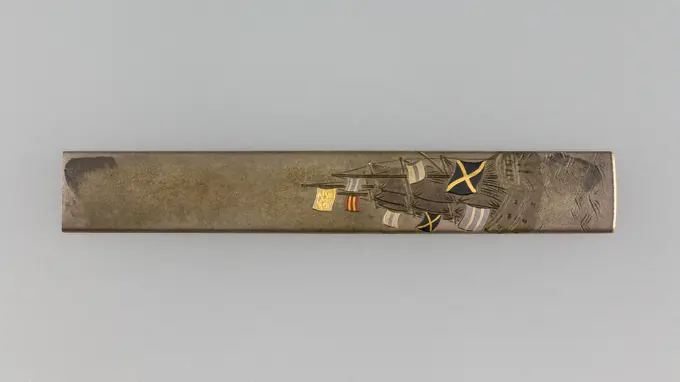
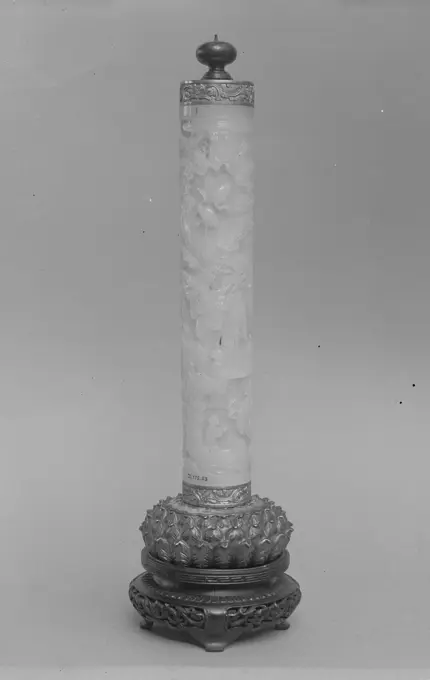
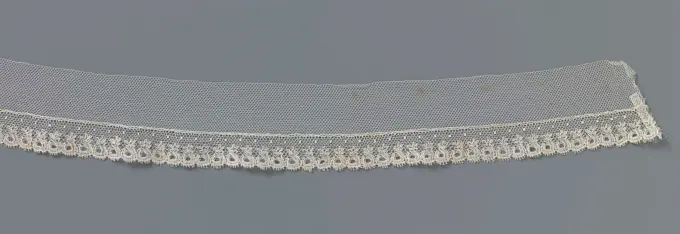
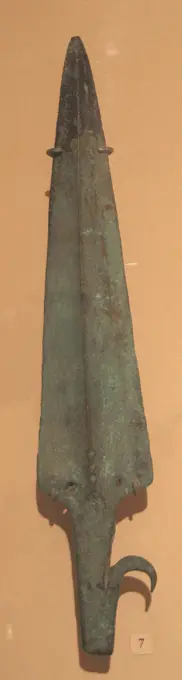
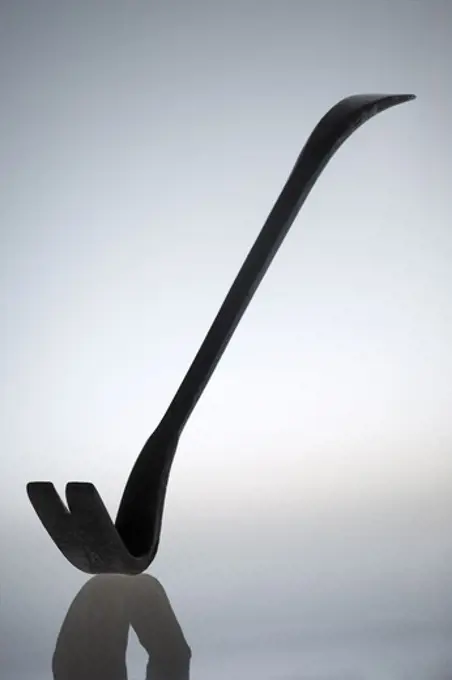
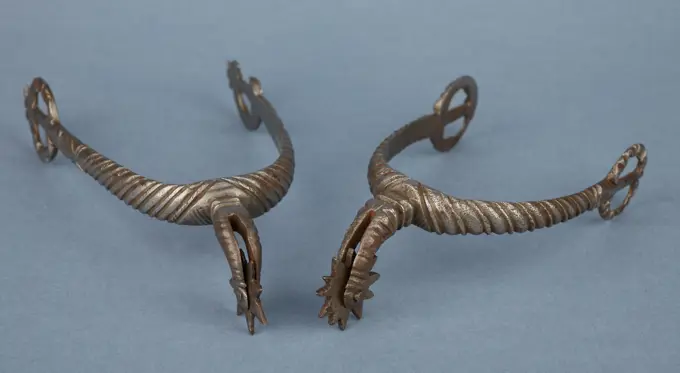
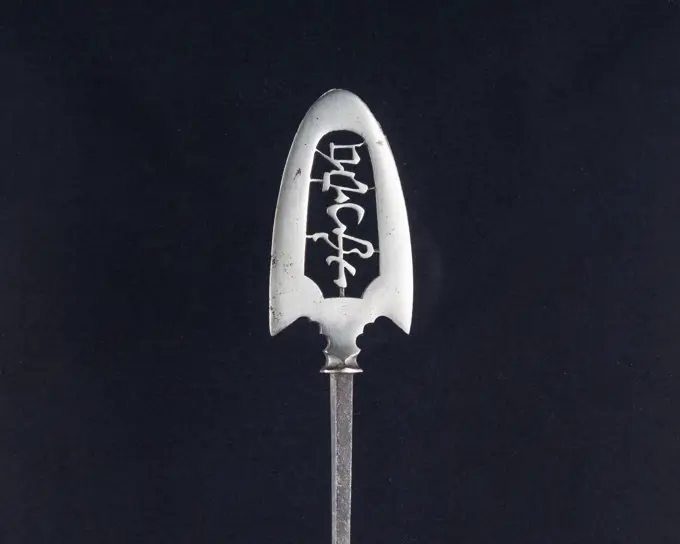
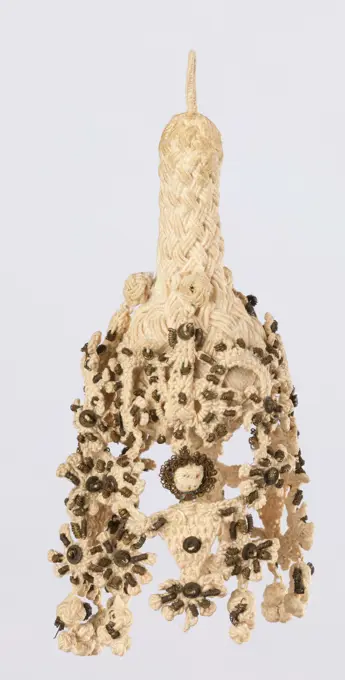
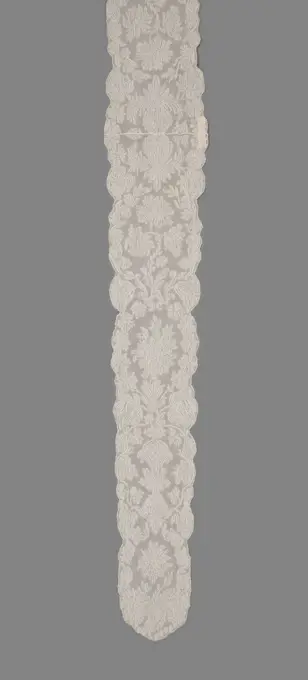
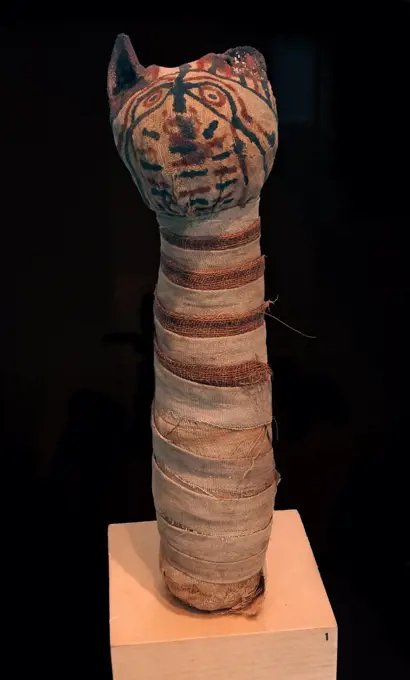
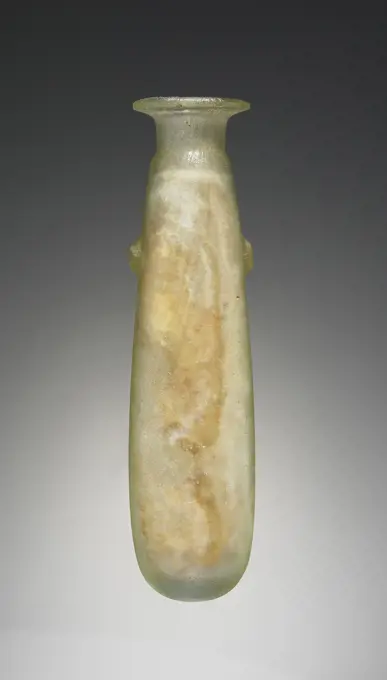
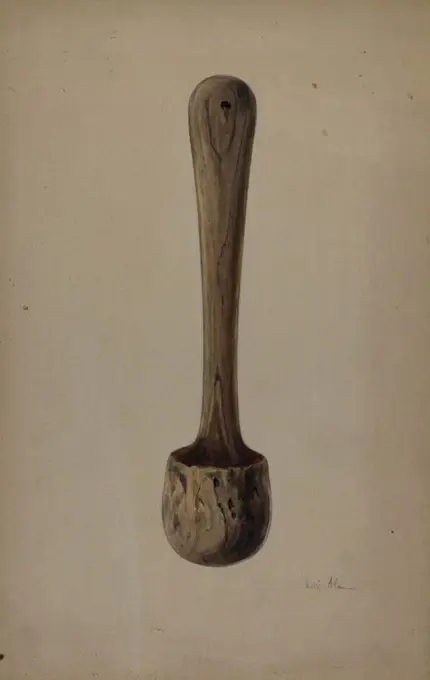
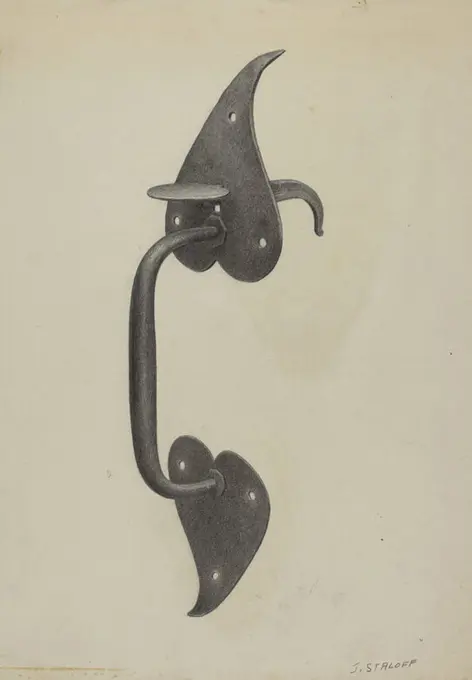
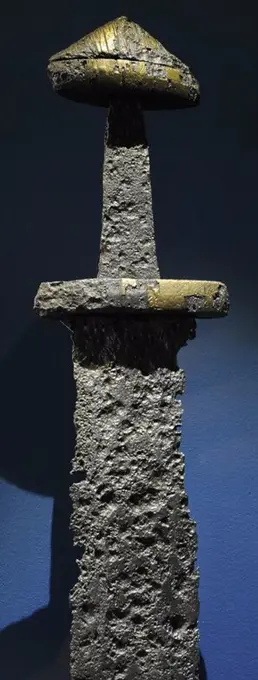
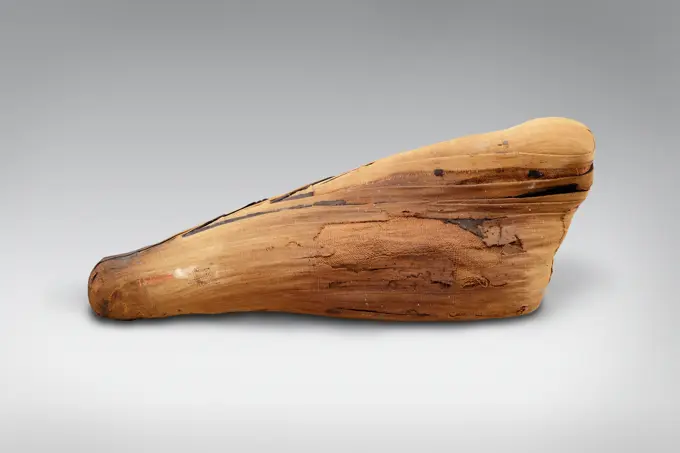
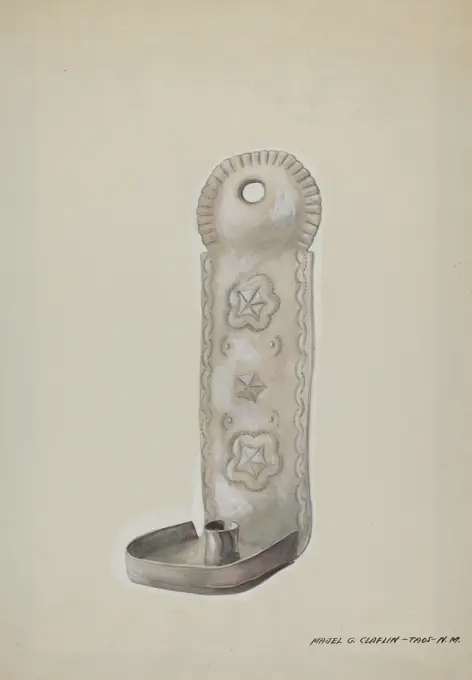
Ivory scooper with monogram jvn. Scooper of ivory with the jvn monogram, in embroidered bag.Shoe puller of ivory with monogram JVN, c. 1910 Shoe puller from ivory with the monogram JVN, in embroidered bag.  ivory Shoe puller from ivory with the monogram JVN, in embroidered bag.  ivorySpindle 580-640 Coptic. Spindle 474946Stand late 9th-early 10th century. Stand 449334Chopstick, 918-1392. Korea, Goryeo period (918-1392). overall: 25 cm (9 13/16 in.).Tractor bracket of a gun from the wreck of the East Indians Hollandia, Anonymous, 1700 - in Or Before 1743 pistol Pistol, trigger guard; id. NG 1978-54H1651. Netherlands copper (metal)   SecondSinkin panjang met schede uit het bezit van generaal G.C.E. van Daalen.The Sinkin Panjang has a corresponding sheath. The blade of the weapon is entirely straight where the sheath and the back run parallel to each other. Near the item the cut bends sloping to the back. Along the back runs to about two-thirds of the blade on both sides a wide, pretty shallow groove. The diameter of the blade is wedge-shaped, with slightly hollow sides. The back is gradually becoming slightly narrower. The handle is a stem ring that has been forged with the one-piece blade. The stem ring has eight or nine corners (sepals). The blade has been dama. The handle has been explored. The handle is made of horn of the car building and equipped with a simple grooves pattern. The sheath is decorated with natural and floral motifs.Toilet bottle mid-1st-2nd century Roman. Toilet bottle. Roman. mid-1st-2nd century. Probably transparent green glass. Blown, the rim finished at the furnace.. GlassOfficierssabel Marine, anonymous, 1850 - before 1900 sabre  Netherlands iron (metal). brass (alloy). copper (metal). wood (plant material). rope. sharkskin forging / casting / gilding / engraving  DoggersbankYeah - Opatat to fish; W Admimir, Niko Aj Gawri (Fl. 1898-1917); 1888 (1888-00-00-1888-00-00);Halberd. Culture: German. Dimensions: L. 84 7/16 in. (214.5 cm); L. of head 18 in. (45.7 cm); W. 6 3/4 in. (17.1 cm); Wt. 4 lbs. 11.6 oz. (2143.2 g). Date: ca. 1640. Museum: Metropolitan Museum of Art, New York, USA.Altar Staff (Asen). Culture: Fon peoples. Dimensions: H. 56 1/8 x Diam. 13 1/8 in. (142.6 x 33.3 cm). Date: 19th century. Museum: Metropolitan Museum of Art, New York, USA.Engraved bend.Bronze buckle, China. Chinese Civilisation, Han Dynasty, 3rd century.Four knives and a fork belonging to Emperor Charles V, anonymous, 1532 Pre -cutting knife with a handle of ebony and mounted with copper and engraved with the coat of arms of Karel V. Italy ebony (wood). copper (metal). iron (metal) Pre -cutting knife with a handle of ebony and mounted with copper and engraved with the coat of arms of Karel V. Italy ebony (wood). copper (metal). iron (metal)Bronze candelabrum. Culture: Etruscan. Dimensions: H. 61 in. (154.9 cm). Date: ca. 500-475 B.C..This exquisite candelabrum, probably made at Vulci, was assembled from six solid-cast elements. The pieces are held together by two cross-pins and a small amount of lead-tin solder near the top. Candles similar to modern wax varieties would have been stuck vertically into the four prongs at the top of the fluted shaft. The finial depicts Hercle and Menrva (Greek: Herakles and Athena), a popular mythical pair frequently represented in both Etruscan and Greek art at this time. Museum: Metropolitan Museum of Art, New York, USA.Wooden Doorbolt. Egypt or Eastern Mediterranean, Old Kingdom - Late Period (2687 - 333 BCE). Architecture; Architectural Elements. WoodBlade from a Ceremonial Adze, 1800s. Polynesia, Mangaia, Cook Islands, 19th century. Stone; blade: 9.3 x 3.6 cm (3 11/16 x 1 7/16 in.). Before European contact, Polynesian carving tools were fashioned from bone, shell, stone, or teeth. The introduction of iron tools facilitated carving, while the demand of European sailors and missionaries for souvenirs provided a new market for craft products. Ceremonial adzes probably represented gods or spirits. The wooden handle of this example is carved with the characteristic K motif. The stone adze blade is lashed to the handle with finely plaited sennit fiber cord. According to legend, the distinctive pattern formed by the sennit lashing was taught to Mangaian craftsman by the gods.Knife Handle (Kozuka). Culture: Japanese. Dimensions: L. 3 13/16 in. (9.7 cm); W. 9/16 in. (1.4 cm); thickness 3/16 in. (0.5 cm); Wt. 1.2 oz. (34 g). Date: 18th century. Museum: Metropolitan Museum of Art, New York, USA.Baluster mid-18th century British. Baluster. British. mid-18th century. Oak. WoodworkROMAN WATER PUMP DOUBLE ACTION - FROM SOTIEL CORONADA MINE (HUELVA). Location: MUSEO ARQUEOLOGICO NACIONAL-COLECCION. MADRID. SPANIEN.Clay pipe, unnoticed, with smooth handle, clay pipe smoking equipment smoke floor pottery ceramic pottery, pressed finished baked Clay pipe unnoticed with smooth handle. Radica ring under lip upper edge only on side steel archeology Rotterdam City center Cool Schiedamse Vest Mainland City Triangle Job smoking tobacco craft Soil discovery: Vasteland-Baan Schiedamse Vest Rotterdam complex of materials from the production of pottery and pipe making and household waste from the 17th century.White clay pipe, unnoticed, with smooth handle, clay pipe smoking equipment smoke floor pottery ceramics pottery, pressed finished baked White clay pipe unnoticed with smooth handle. Boiler shows shrinkage or pressure cracks in pottery archeology smoking tobaccoStamper van Brons and IJzer, Willem Wegewart (I) (attributed to), in or after 1568 The pear -shaped pestle is made of bronze and perhaps later made than the corresponding mortar. The handle and the handle are made of wrought iron. Deventer bronze (metal). wrought iron (iron alloy) casting / forging The pear -shaped pestle is made of bronze and perhaps later made than the corresponding mortar. The handle and the handle are made of wrought iron. Deventer bronze (metal). wrought iron (iron alloy) casting / forgingDagger (Khanjarli) with Sheath. Culture: Indian. Dimensions: H. with sheath 13 1/2 in. (34.3 cm); H. without sheath 12 3/4 in. (32.4 cm); H. of blade 8 3/4 in. (22.2 cm); W. 4 5/16 in. (11 cm); Wt. 11.3 oz. (320.3 g); Wt. of sheath 1.2 oz. (34 g). Date: 17th-18th century. Museum: Metropolitan Museum of Art, New York, USA.Couteau de Brèche ca. 1500 French. Couteau de Brèche 26701Spindle and Whorl, Fragment , 1000-1400. Wood, pigment, camelid fiber, 1/2 x 1/2 x 4 1/4 in. (1.3 x 1.3 x 10.8 cm).   Arts of the Americas 1000-1400Fork, Herder, ivory, steel, silver, Four-tined (uneven lengths), squared shoulder, flat lobed baluster neck. Silver ferrule engraved with floral sprays. Ivory handle, oval in section, tapered toward tines, carved in relief with stylized lion and unicorn on plinth. (English royal supporters), Germany / Netherlands, ca. 1690, cutlery, Decorative Arts, ForkEngraved bend stiver, 1000 - 2000   metal engraving   metal engravingTwo Toddy Ladles,  1792 - 1820Box for poetry paper with patterned paper, Kamisaka Yukichi, c. 1910 - c. 1925 Elongated rectangular box for poetry paper (tanzaku) in paint with a decoration in Maki-e with the pattern of golden fragments of paper with decorations of trees, plovers and water, part of a set with the AK-C-2019 writing box, plea and water -1-1. Kyoto lacquer (coating) lacquering Elongated rectangular box for poetry paper (tanzaku) in paint with a decoration in Maki-e with the pattern of golden fragments of paper with decorations of trees, plovers and water, part of a set with the AK-C-2019 writing box, plea and water -1-1. Kyoto lacquer (coating) lacqueringAsschep, anonymous, c. 1700 - c. 1800 ASS SCHEP WITH LONG STEEL. The stem is turned and has a ring at the end. The shan of shank is marked with a radiant sun () In a shaped shield. Netherlands silver (metal) ASS SCHEP WITH LONG STEEL. The stem is turned and has a ring at the end. The shan of shank is marked with a radiant sun () In a shaped shield. Netherlands silver (metal)Dagger  c. 3300-3200 B.C.  Guebel-el-Arak Mesopotamian Art  Musee du Louvre, Paris  Needlepoint (Cutwork) Lace Band, 17th century. Italy, 17th century. Lace, needlepoint: linen; average: 15.9 x 274.4 cm (6 1/4 x 108 1/16 in.).Gebeeldhouwde stijl van eikenhout, afkomstig uit het z.g. Huis van Alva, Warmoestraat te Amsterdam.Sculpted oak style without finish, from the Z.G. House of Alva, Warmoestraat in Amsterdam. In total it concerns two consoles, three wide and three narrow styles (BK-KOG-755-A to C, E to H). See also BK-KOG-754-1 to 7, these are 6 painted styles that come from the same house.Baluster late 17th-early 18th century British. Baluster. British. late 17th-early 18th century. Deal. WoodworkArrowhead (Yanone) 18th century Japanese Although today Japanese warriors are renowned most for their swordsmanship, archery, especially from horseback, has been an essential part of samurai warfare and culture for centuries. Arrows were fitted with heads of varying shape according to their intended use in war, the hunt, or target practice. Arrowheads made for use on the battlefield incorporated different designs intended for specialized purposes such as the piercing of armor or to cause maximum damage to horses and unarmored personnel.Large arrowheads, pierced and elaborately chiseled with landscapes, birds, flowers, dragons, and Buddhist divinities, were created to be admired for the beauty of their metalwork and design rather than for use in archery. Such highly elaborate examples may have been made for presentation or as a votive offerings to a shrine.. Arrowhead (Yanone). Japanese. 18th century. Steel. Archery Equipment-ArrowheadsTablespoon.   Maker: Richard Cutler, American, 1736-1810silversmith: J. Lang & C. Koops, Silver scatter spoon, spoon cutlery silver, driven sawn engraved Shallow bin with convex wave point edge. Bake openwork with holes in pattern that reminds four hearts with the points towards each other. The handle is attached to the tray at an angle of 90 degrees by means of two rods. It initially runs straight but runs halfway through bend to the rear of the rear of the stem (smashed) sprinkling sugar sprinkles.Caliber size for fire mouths, Anonymous, 1700 - 1800  So -called 'feel size', with which you can measure performing play consisting of 23 in size varying flat bars. The bars are on top of each other and are separately rotating around an axis. The rods have the inscription on the top and bottom: Karonades / 6, 8, 12, 18, 24, 30, 36, 42, 48, 64. Kanon / ½, 1, 2, 3, 4, 5, 6, 8, 8, 8 12, 18, 24, 30, 36. Netherlands brass (alloy) rolling / snipping  NetherlandsChopstick, 918-1392. Korea, Goryeo period (918-1392). overall: 26.8 cm (10 9/16 in.).Knife Handle (Kozuka) 19th century Japanese A kozuka is a handle of a by-knife that is part of a sword mounting. It is kept in a slot on the reverse of a katana scabbard, often with a matching kōgai (hairdressing tool).. Knife Handle (Kozuka) 29787Apostle spoon: St. Jude 1592/93 William Cawdell The set (67.166.1-.13) includes a master spoon with a figure of Christ and twelve apostle spoons. Martin Hewitt who made the Saint Andrew spoon had served his apprenticeship under William Cawdell. Both were specialist spoonmakers.. Apostle spoon: St. Jude. British, London. 1592/93. Silver, partly gilded. Metalwork-SilverEtruscan Red Ware Stand; Etruria; about 600 B.C; Terracotta (Coarse Fabric); 14 × 43 cm (5 1,2 × 16 15,16 in.)Tassel 17th century Italian. Tassel. Italian. 17th century. Linen. Textiles-TrimmingsRooster van ijzer.An iron grid. One of the legs is missing.Pin ca. 1000 B.C. or later () Irish. Pin 468289Pen and Ink Box (base), 1697-98. Iran, Safavid period (1501-1722). Lacquer over papier maché; overall: 3.6 x 22.3 x 4.2 cm (1 7/16 x 8 3/4 x 1 5/8 in.).Whetstone ca. 3rd-7th century A.D. Sasanian. Whetstone 323204Basket-Hilted Sword ca. 1750-60 British The intricate interlace pattern of the basket includes the monogram IB or JB, presumably the initials of the original owner.. Basket-Hilted Sword. British. ca. 1750-60. Steel, silver. SwordsMessenheft from the wreck of the East Indians Hollandia, 1700 - in or before 1743  Knife, handle, cylindrical: tapering; id. NG 1979-403H, ferrules, id. NG 1980-27H426. Netherlands wood (plant material)   SecondFruit knife, F. Nicoud, French, active 1890, Silver, steel, mother-of-pearl, gilding, One of twelve fruit knives with mother-of-pearl handles and engraved and gilt decoration on blades., ca. 1890, cutlery, Decorative Arts, Fruit knifeSpear 18th-19th century Indonesian. Spear 30657Arrow Point, 1700s. Japan, Edo period (1615-1868). Steel; overall: 23.7 cm (9 5/16 in.); head: 7.2 cm (2 13/16 in.).Halberd. Culture: German. Dimensions: L. 84 7/8 in. (215.5 cm); L. of head 17 3/8 in. (44.1 cm); W. 10 1/2 in. (26.6 cm); Wt. 5 lbs. 2 oz. (2320 g). Date: early 16th century. Museum: Metropolitan Museum of Art, New York, USA.Strip bobbin with oval cartouches with a peony, anonymous, c. 1650 - c. 1660 Strip of natural -colored Dutch bobbin. The strip is bent in such a way that it forms a circle if you lay the short sides against each other. The pattern consists of a repeating symmetrical motif from an oval cartouche from which a large leaf comes down from the left and right, with a relatively small peony halfway. In the cartouche you can see a symmetrical drawing of curly leaves, flowers and shapes. The oval cartouches with peonies are connected by a round grid with braid strokes. The motifs are made in linen battle with openwork edges. The bottom is straight finished with picots. A woven linen strap is sewn along the top edge. Antwerp linen (material) bobbin lace Strip of natural -colored Dutch bobbin. The strip is bent in such a way that it forms a circle if you lay the short sides against each other. The pattern consists of a repeating symmetrical motif from an oval cartouche from which a large leaf comePrehistory, Bulgaria, Neolithic. Terracotta female idol. From Karanovo.Powder Horn. Culture: Colonial American. Dimensions: L. 13 1/2 in. (34.3 cm); Diam. 3 in. (7.6 cm); Wt. 8.1 oz. (229.6 g). Date: 1764. Museum: Metropolitan Museum of Art, New York, USA.Knife Handle (Kozuka) mid-19th century Japanese A kozuka is a handle of a by-knife that is part of a sword mounting. It is kept in a slot on the reverse of a katana scabbard, often with a matching kōgai (hairdressing tool).. Knife Handle (Kozuka) 29904Column China. Column. China. Nephrite with enameled copper stand. Qing dynasty (1644-1911), Qianlong period (1736-95). JadeAmulet - Papyrus ColumnFragments, Medium: silk, linen, metallic Technique: woven, Green and gold large cartouches., 17th century, woven textiles, FragmentsThe application side with a spreading pattern of leaves and a ribbon edge, anonymous, c. 1900 - c. 1924 Das of natural application side - bobbin -lace Applicated on mechanical tulle and ends of mixed side: ribbon side, a splashed ribbon in combination with needle -sided fillings. Elongated rectangular model. The tie has a stray pattern with leaves on an S-shaped twig and along the long sides of the tie a succession of similar leaves or ovals, each finished all around with fine picots. Two long thin flower branches have been applied on each end of the tie, with oval leaves on either side and at the end a star -shaped flower with pointed soil petals. One branch is bent, the other is faint s-shaped. The ends have a scrap edge that is made with a closed ribbon. The ribbon forms half oval sculptures that are filled with needle lace soils made with coarse yarn. The scoops are finished with a bow edge that is made with the same kind of coarse yarn as the needle side fillings. Europe cotton (tStrook kloskant met een rand van doorbroken cirkeltjes bekroond door.Strip natural colosside: Lille side. The strip is sewn to a wider strip machine tulle, without pattern. The repeating pattern on the clooted strip exists along the underside out of broken circles placed against each other, which are crowned at the breaking point by a folding leaf. Above this pattern is a row with square moes. The motifs are connected by a fine grille, a tulet. The motifs are made in linen stroke with thicker, shiny contour wires. The Moeses are made in shape stroke. The top of the strip is straight finished. The scivels along the underside are finished with picots.Baluster mid-18th century British. Baluster. British. mid-18th century. Walnut. WoodworkHarpoon 1500-500 B.C. India. Harpoon 50596Clothespins, still lifeBrooch -Flask, Iridized glass, Pale green Roman glass. A squat, bulbous body with tall, straight neck and horizontal rim. Iridescene mainly on interior., probably Italy, 1st-3rd century, glasswares, Decorative Arts, FlaskPersian axKey 15th century German The decoration of Gothic iron locks and keys was often elaborate and of the highest standard of workmanship. The motifs were frequently drawn from Gothic architecture, reproducing on a miniature scale complicated tracery patterns and even tiny statuettes. A number of these tiny locks were compound, with some of the mechanisms concealed from view, and required two or even three keys used in sequence to open them. It has been suggested that the greatly expanded use of locks on doors, or coffrets and other types of storage chests was a result of the increasing urbanization of life and the new emphasis on material wealth and private ownership which developed in the late Middle Ages.. Key. German. 15th century. Iron. Metalwork-IronKey; iron; 1915-16-11A crowbar.Reliefs from the tomb of Meketre ca. 1981-1975 B.C. Middle Kingdom. Reliefs from the tomb of Meketre 668894Goldweight Knot, 19th-20th century, 1 7/16 x 3/8 x 3/16 in. (3.65 x 0.95 x 0.48 cm), Brass, Ghana, 19th-20th centuryEmbroidered Headdress (Called "Triesische"), 1700s. Germany, 18th century. Embroidery, metallic thread and spangles; lace edging and ribbon streamers; overall: 55.9 x 25.4 cm (22 x 10 in.).Halberd ca. 1550 Italian. Halberd 26196Pair of Barogue spursArrowhead (Yanone) 18th century Japanese Although today Japanese warriors are renowned most for their swordsmanship, archery, especially from horseback, has been an essential part of samurai warfare and culture for centuries. Arrows were fitted with heads of varying shape according to their intended use in war, the hunt, or target practice. Arrowheads made for use on the battlefield incorporated different designs intended for specialized purposes such as the piercing of armor or to cause maximum damage to horses and unarmored personnel.Large arrowheads, pierced and elaborately chiseled with landscapes, birds, flowers, dragons, and Buddhist divinities, were created to be admired for the beauty of their metalwork and design rather than for use in archery. Such highly elaborate examples may have been made for presentation or as a votive offerings to a shrine.. Arrowhead (Yanone). Japanese. 18th century. Steel. Archery Equipment-ArrowheadsTassel (Italy); linen, metal wireTassel (Spain); silk, wooden coreGlass perfume bottle Roman late 1st-3rd century CE Translucent light blue.Everted, funnel-shaped rim, with rounded lip; cylindrical neck, expanding downwards, with horizontal tooling indent around base; elongated piriform body; thick, flat bottom.Complete, except for large weathered chip in rim; some severe pitting of surface bubbles, thick creamy weathering around rim, dulling, and brilliant iridescence. View more. Glass perfume bottle. Roman. late 1st-3rd century CE. Glass; blown. Imperial. Glasskijkkast, anonymous, after c. 1900 - in or before c. 1936 View box, the inside is covered with light blue paper with leaf motifs. A foldable magnifying glass has been applied to the front. The inside also consists of folding walls. A gold -colored handle is attached to the lid. Front a lock (key is missing).  oak (wood) View box, the inside is covered with light blue paper with leaf motifs. A foldable magnifying glass has been applied to the front. The inside also consists of folding walls. A gold -colored handle is attached to the lid. Front a lock (key is missing).  oak (wood)Hat-slip (barbe) from Valenciennes side, anonymous, c. 1750 - c. 1760  Capslip consisting of two -sewn hats from Kloskant. The pattern has flowers and leaves. The scalloped edge is trimmed with picots. France (possibly) linen (material). Valenciennes laceManiple unknownKnife, steel, horn, silver, mother-of-pearl, ivory, Sabre-shaped blade, decorated on back of spine, rounded bolster. Silver ferrule with floral pattern. Tapered handle octagonal-shaped in centre, end of handle decorated with horizontal silver bands and mother-of-pearl points. Silver mounts on top of handle has inscription, ivory knob in centre. The end of handle screwed to the handle; salt container., possibly Germany, 1770-1800, cutlery, Decorative Arts, KnifeStirrup 10th-11th century German or West Slavic This triangular stirrup was used in the eastern part of the Baltic, where Viking and West Slavic populations were cohabitating.Horses had a great societal importance in Germanic and Slavic cultures, in both social and religious aspects. Equestrian equipment, like stirrups, spurs and bits, are regularly found in their burials, among the goods warriors wanted to bring with them to the afterlife. The elite would sometimes even be accompanied by sacrificed horses, a meaningful practice at that time, considering the high economic value of horses.. Stirrup. German or West Slavic. 10th-11th century. Iron. Dolkheim, East Prussia. Equestrian Equipment-StirrupsEgyptian mummified cat. Late Period-Ptolemaic Period (715-30 B.C.). In the Late Period animal worship reached its zenith, with thousands of mummies to be found in immense cemeteries.Alabastron; Achaemenid (Persian) Empire, Eastern Mediterranean; 7th - 6th century B.C; Glass; 14 × 3.5 cm (5 1,2 × 1 3,8 in.)Alabastron with duck handles 1st millennium B.C.-A.D.1st millennium. Alabastron with duck handles 326056Tablecloth ,, 1800 - 1899 White linen tablecloth with a grain of barley pattern. Brand WT 12. Northern Netherlands linen (material) White linen tablecloth with a grain of barley pattern. Brand WT 12. Northern Netherlands linen (material)Potato Masher. Dated: c. 1937. Dimensions: overall: 35.7 x 22.9 cm (14 1/16 x 9 in.) Original IAD Object: 10" long; 2 1/2" wide. Medium: watercolor and graphite on paperboard. Museum: National Gallery of Art, Washington DC. Author: Marie Alain.Handen van Vertind iron with leaf motifs, anonymous, 1600 - 1800 Handen of Vertind iron. At the bottom a large round opening of a hinge with a round start. From there, two symmetrical leaf motifs spring, which split towards the end.  iron (metal). tin (metal) Handen of Vertind iron. At the bottom a large round opening of a hinge with a round start. From there, two symmetrical leaf motifs spring, which split towards the end.  iron (metal). tin (metal)Pa. German Door Handle. Dated: c. 1938. Dimensions: overall: 28.8 x 22.5 cm (11 5/16 x 8 7/8 in.) Original IAD Object: 19 3/4" long; 3 1/4" wide. Medium: graphite on paperboard. Museum: National Gallery of Art, Washington DC. Author: Jack Staloff.Early Carolingian sword, detail. Orlic, Gradac Drniski. Croatia. Museum of Croatian Archaeological Monuments, Split, Croatia.Printing roller, Wood, metal, felt, Close-set, repeating floral medallions. The complete design is drawn on the flat portions of the cylinder. Traces of red paint. Made for same paper as 1943-54-4., USA, 1850-65, Wallcoverings, Printing rollerBottle 101 CE-300 CE Syria. Glass, blown technique . Ancient RomanSacred animal mummy of an ibis ca. 400 B.C.-100 A.D. Late Period-Roman Period Animal cults The Egyptians considered certain individual animals to be living manifestations of a god, such as, since earliest times, the Apis bull. Those individuals were duly mummified when they died and buried for eternal life, then replaced by another single living manifestation. During the first millennium B.C., many multiples of animals associated with certain gods were specially raised in temple precincts as simultaneous avatars of that god and then mummified in large contingents and deposited in catacombs for eternal life. The ancient perception of these multiples, the evolution of the practice in this direction, and variations within the practice are not easily accessible to us. But the hundreds of thousands of often elaborately prepared animal mummies found in catacombs and other locales testify to its ancient resonance. Animal mummies Research on animal mummies has shown that the majority of mummieGarden pot, by Turin Work, 1575 - 1600, 16th Century, Bronze. Italy: Piemonte: Turin: Royal Palace: galleria della Sindone. Detail of the pot handleMajel G Claflin, Tin Candle Sconce, c 1937 Tin Candle Sconce