Vintage Shoemaking Tools

Antique ivory and wooden tools used in shoemaking, including scoops and pullers, characterized by elegant designs and historical significance.
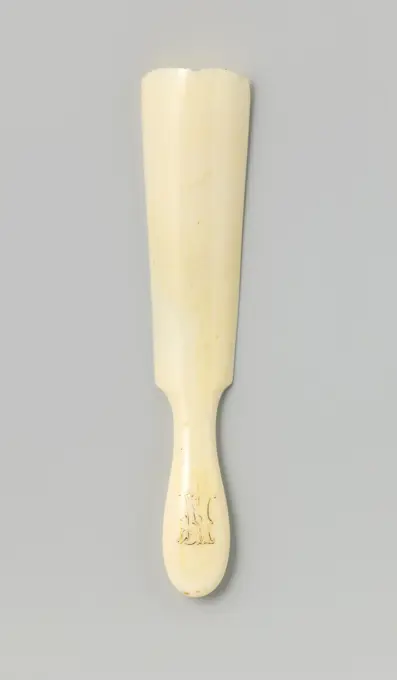
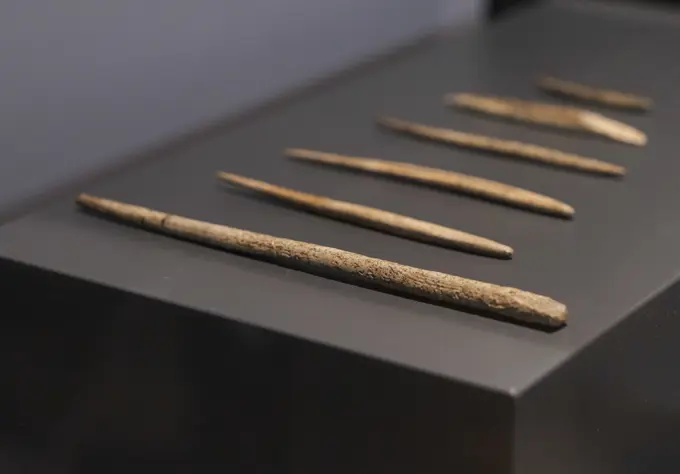
Shoe puller of ivory with monogram JVN, c. 1910 Shoe puller from ivory with the monogram JVN, in embroidered bag.  ivory Shoe puller from ivory with the monogram JVN, in embroidered bag.  ivory
Shoe puller of ivory with monogram JVN, c. 1910 Shoe puller from ivory with the monogram JVN, in embroidered bag. ivory Shoe puller from ivory with the monogram JVN, in embroidered bag. ivory
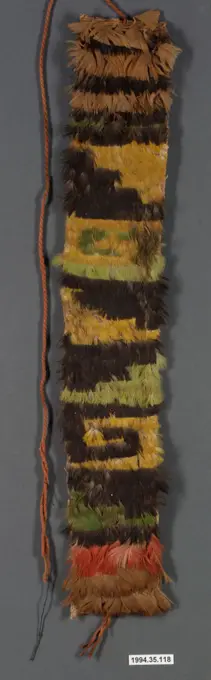
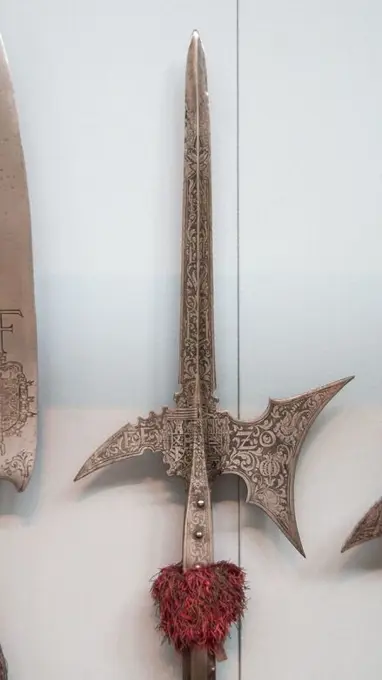
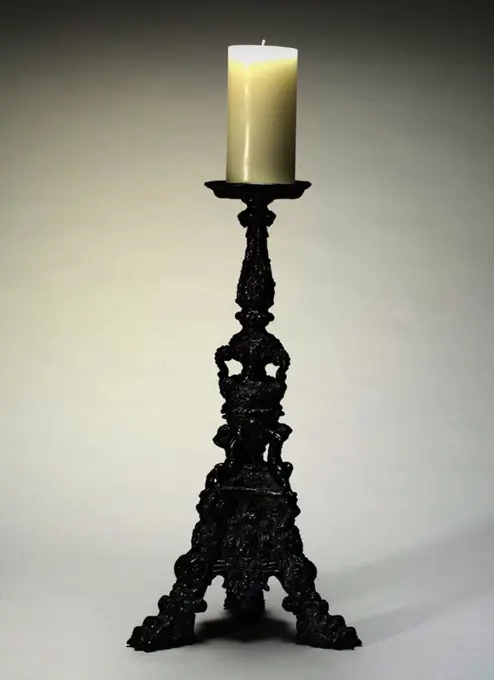
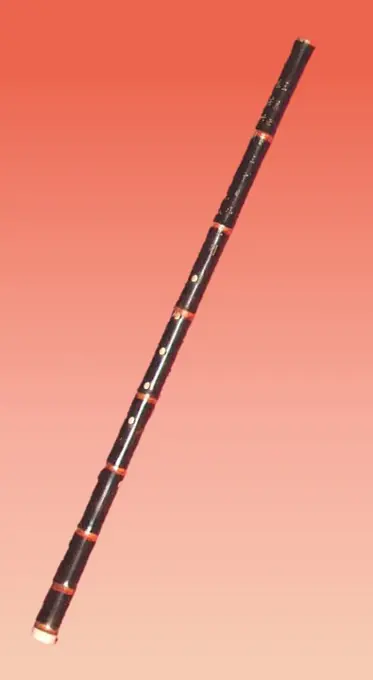
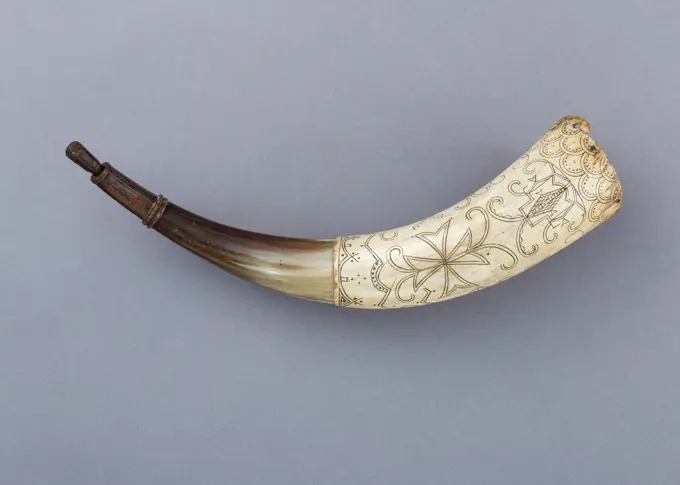
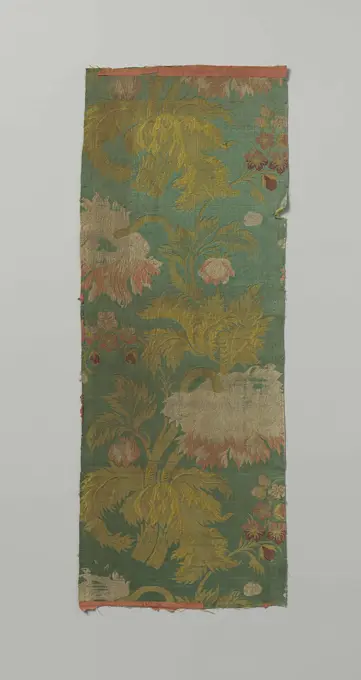
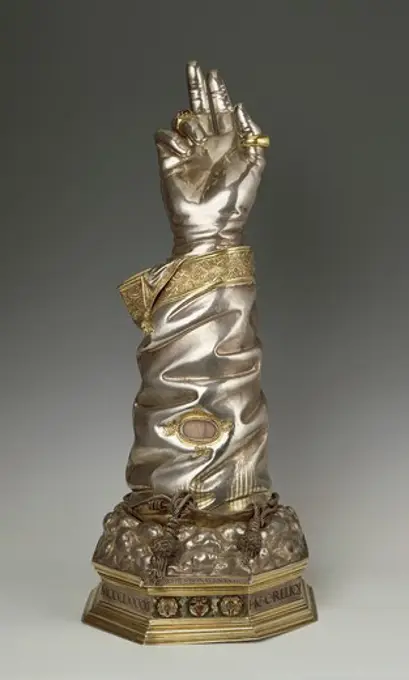
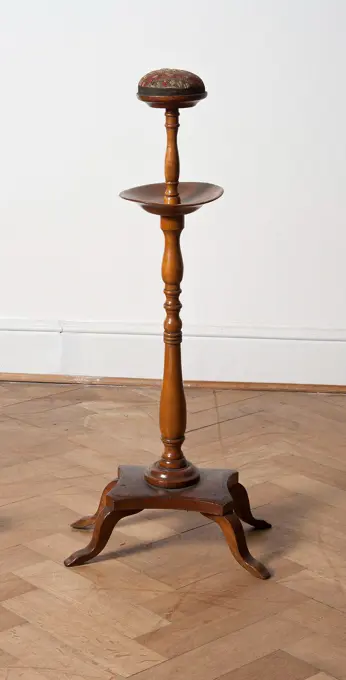
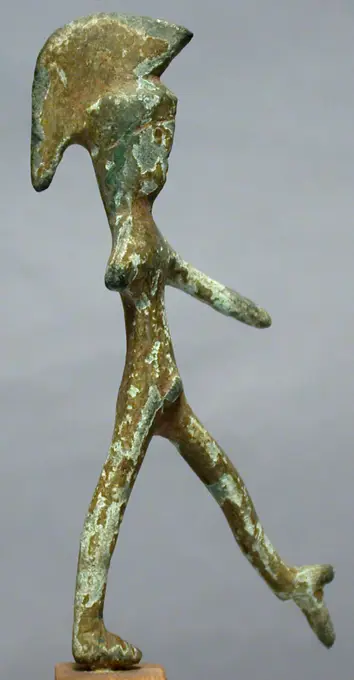
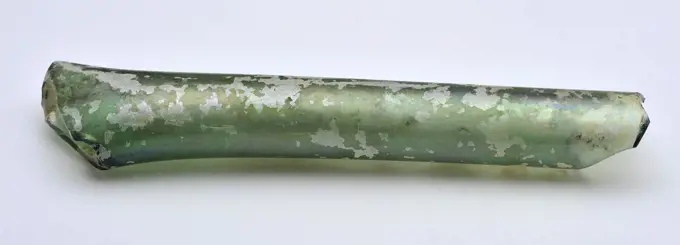
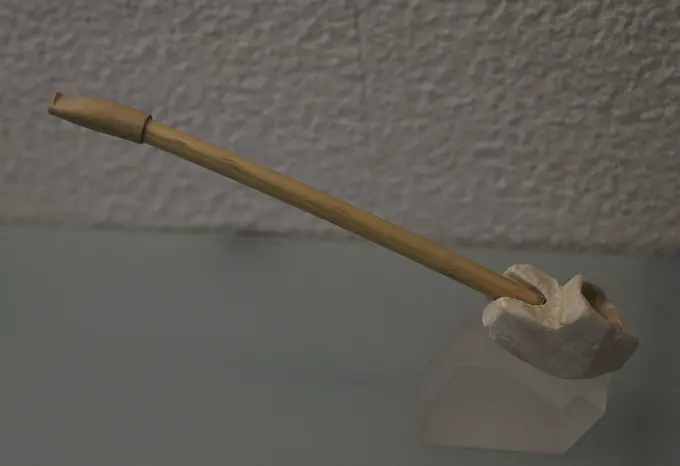
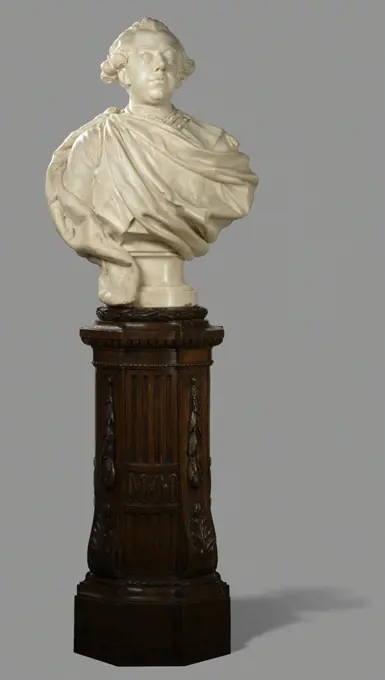
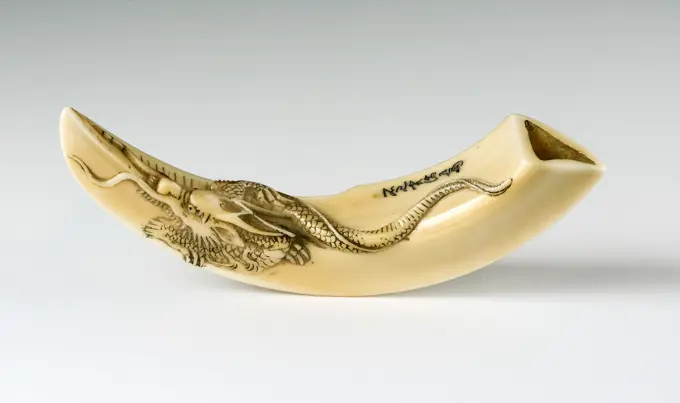
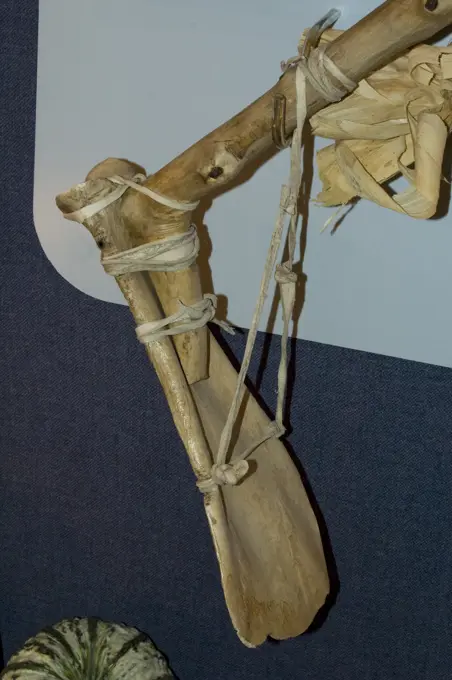
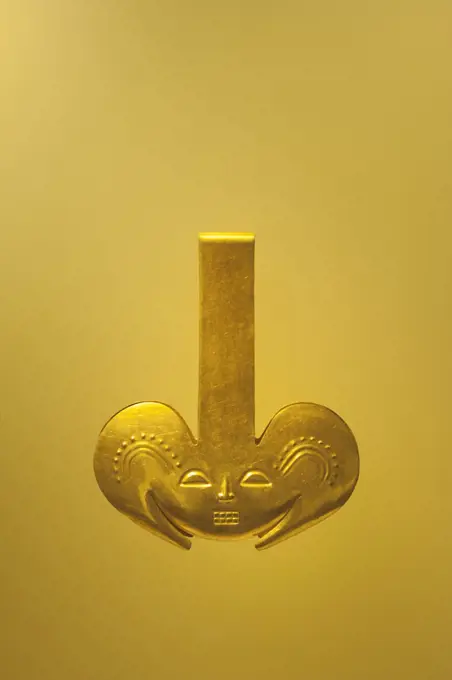
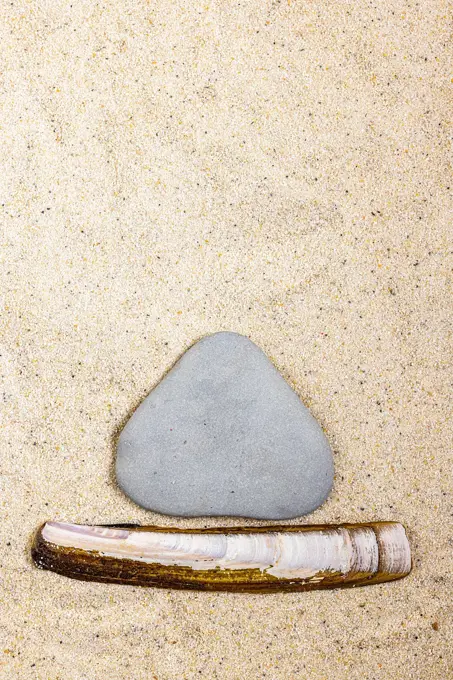
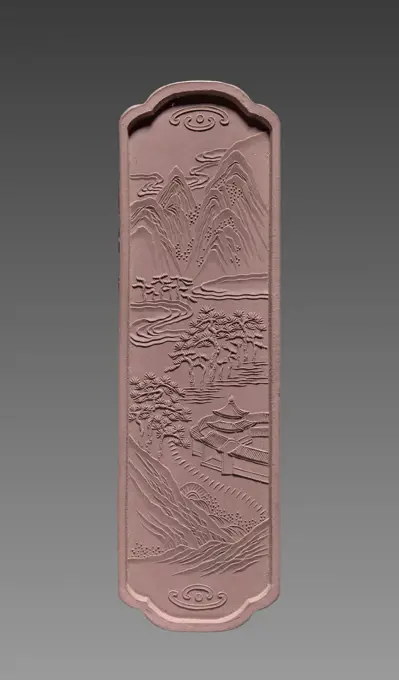
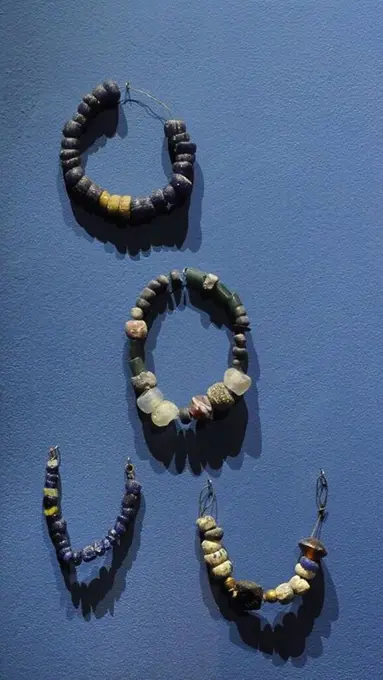
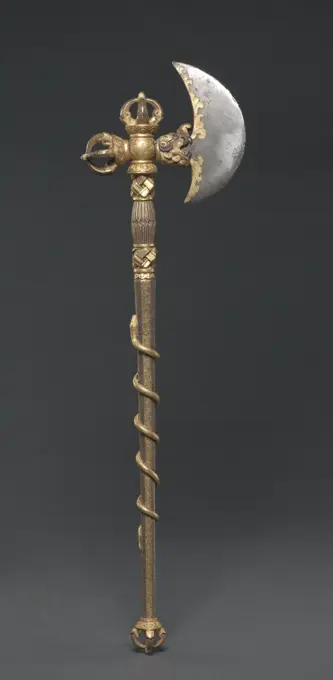
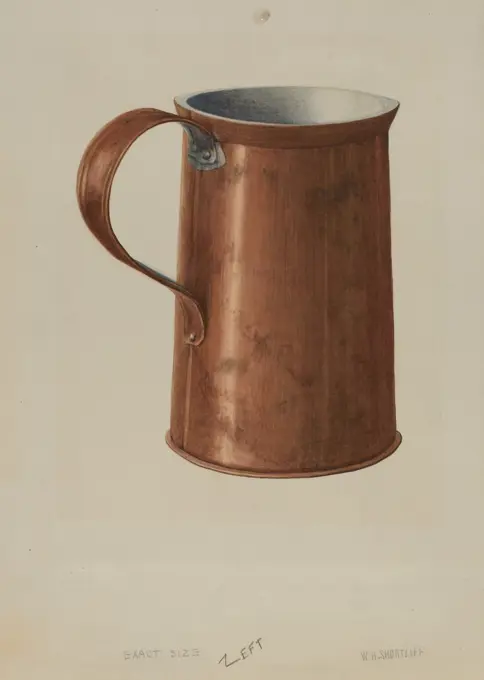
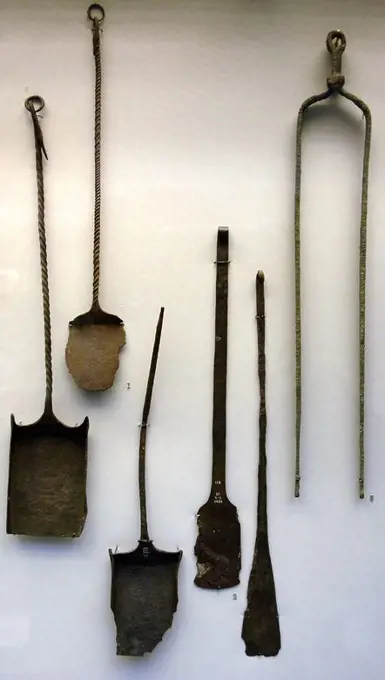
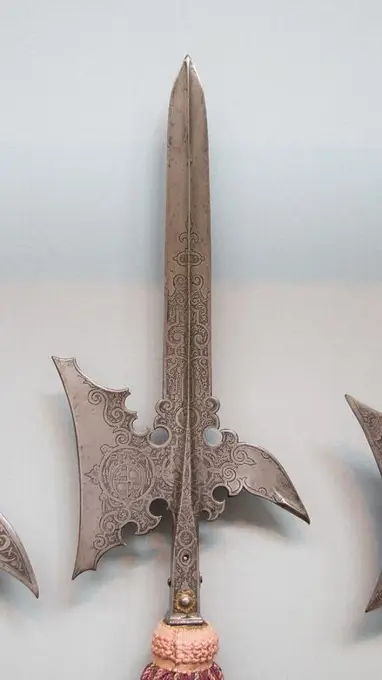
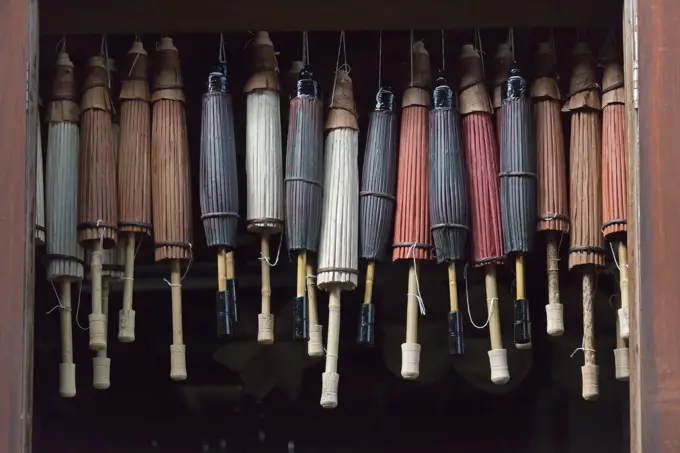
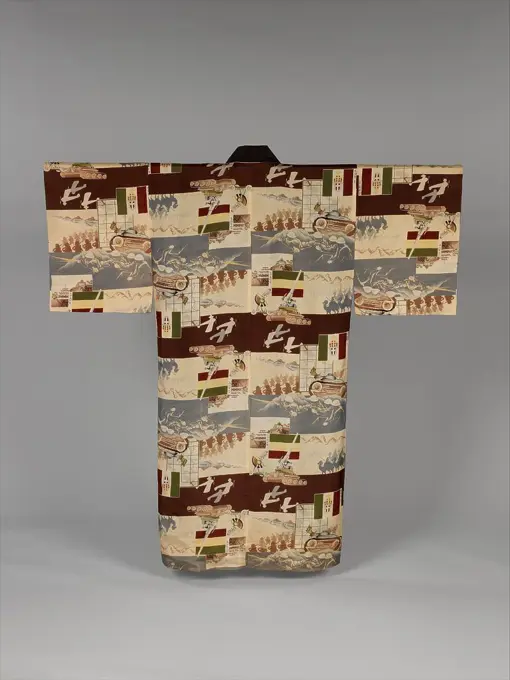
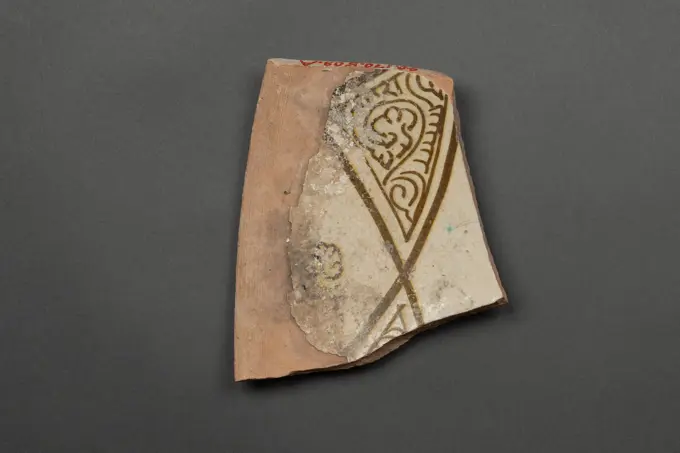
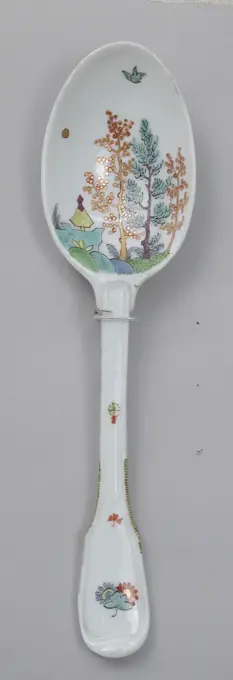
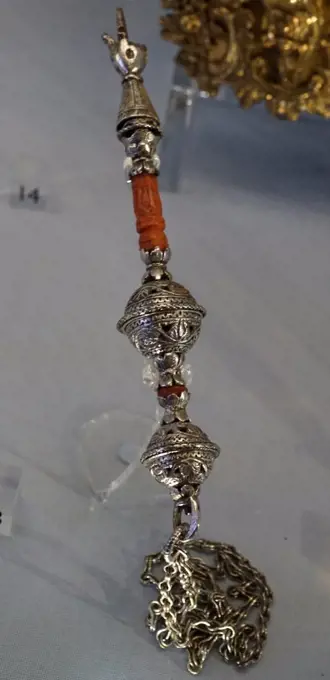
Baluster second half 17th century British. Baluster. British. second half 17th century. Deal. WoodworkRush and Candle Stand. Dated: c. 1938. Dimensions: overall: 51.8 x 30.8 cm (20 3/8 x 12 1/8 in.). Medium: graphite on paper. Museum: National Gallery of Art, Washington DC. Author: Benjamin Resnick.Feathered Band Peruvian 14th-early 16th century View more. Feathered Band. Peruvian. 14th-early 16th century. Cotton, feathers. Peru. Textiles-FeatherworkStrainer Italic 8th-1st century BCE The bowl has four holes and the handle is bent twice at right angles.Halberd of Archduke Ferdinand II of Austria (1578-1637, Emperor from 1619). Culture: German. Dimensions: L. 99 1/2 in. (252.7 cm); L. of head (excluding straps) 24 1/4 in. (61.6 cm); W. 12 7/8 in. (32.7 cm); Wt. 6 lb. 1 oz. (2750 g). Date: dated 1598. Museum: Metropolitan Museum of Art, New York, USA.Spoon with oval container and straight handle with diamond -shaped cross -section, anonymous, c. 1590 - c. 1596 spoon. fragment Spoon with oval container and a straight handle with a diamond -shaped cross -section. Steel attack a point. Netherlands tin (metal) casting  Nova Zembla. Saving HuysAltar-Candlestick with Shield of Arms of the Garzoni of Venice. Dated: third quarter 16th century. Dimensions: overall: 57.2 x 24.1 x 20.5 cm (22 1/2 x 9 1/2 x 8 1/16 in.). Medium: bronze//Dark brown bronze. Museum: National Gallery of Art, Washington DC. Author: Venetian 16th Century.Xiao () late 19th century Chinese Used in Confucian ceremonies including weddings and funerals, this end blown notched flute of southeast China and Taiwan, was created by disassembling a panpipe called paixiao and placing equidistant fingerholes on each pipe. Often associated with scholars, some xiao have poems inscribed on them. The Japanese shakuhachi is said to be a descendant of the xiao, which is known as dosho in Japan.. Xiao (). Chinese. late 19th century. Bamboo. Qing dynasty (1644-1911). China. Aerophone-Blow Hole-end-blown flute (vertical)Passe -Partout for Painting, Tatsu, 1700 - 1800 Passe-partout for painting Standing woman reads a letter; In the air a flight geese and on the ground browse and a plum blossom branch. Japan paper Passe-partout for painting Standing woman reads a letter; In the air a flight geese and on the ground browse and a plum blossom branch. Japan paperPowder Horn ca. 1779-80 Native American, possibly Penobscot The style of engraving on this horn suggests that its decorator was Penobscot. It may have been made for a Massachusetts soldier during the Penobscot expedition of 1779-80.. Powder Horn. Native American, possibly Penobscot. ca. 1779-80. Horn (cow), wood (pine). Firearms Accessories-Powder HornsFossil Echinoids, Conulus Albogalerus. One of four fossil echinoids, Conulus albogalerus preserved in flint. From the Upper Chalk of Gravesend, Kent.. Natural Science Collection - PalaeontologyFragment veelkleurig zijde lampas.Two fragments of a silk tissue. Two fragments sewn together. A large branch with yellow-green leaves, large salmon-colored flowers and ditto buttons in various shades on and green soil. Numbered a and B.Goldsmith's art, Italy, 15th century. Reliquary of holy arm of Saint Bonaventure, gold and silver, 1491. Bagnoregio Cathedral, Lazio Region.Sewing table. unknown, authorSconce. unknown, authorFlambeau. Dated: c. 1937. Dimensions: overall: 33 x 42.7 cm (13 x 16 13/16 in.). Medium: watercolor, gouache, and colored pencil on paperboard. Museum: National Gallery of Art, Washington DC. Author: Ivar Julius.Vajra ca. 10th century Indonesia, Java Symbolizing the energy associated with enlightenment, the vajra is often described as a bolt of lightning with the indestructible, luminescent quality of a diamond. Vajras like these examples are used in Esoteric Buddhist rituals in conjunction with mantras and hand gestures. On each end, the four prongs, representing the cardinal directions, surround a central spike marking the cosmic axis.. Vajra. Indonesia, Java. ca. 10th century. Bronze. Central or Eastern Javanese period. SculptureKnife, steel, enamel, brass, Sabre-shaped blade, plain ferrule. Handle light blue enamel with multi- colored floral decoration in white, pink and black. Brass mounts along the sides of the handle., possibly Germany, 17th century, cutlery, Decorative Arts, KnifeBronze statuette of a warrior 6th to 5th century B.C. Etruscan The warrior was a popular subject in 6th and 5th c. B.C. statuettes in Etruria and Umbria. Likely a votive offering, it is not known whether the figure represented a divine or human warrior.. Bronze statuette of a warrior 330033Glass tube or neck, cylindrical and pinched on one side, glass soil found glass, w 1.9 hand-blown Glass tube Possible neck of bottle or other object Partially squeezed cylindrically with one end. Green tinted glass affected by irisation archeology Valckensteyn Poortugaal Albrandswaard Soil discovery: castle Valckensteyn in Poortugaal now Albrandswaard 1961-1962.Silver spoon with inscription. 15th century. Spoon with inscription. 15th century . Wooden spoon with carved and decorated handle, 12th century. Horn spoon, possibly 15th century. Historical Museum.Hispano-Muslim pipe. 14th century. Used to consume hashish in the hammam (bath). The handle is a modern reconstruction. Marble. From Toledo. Sephardic Museum. Toledo. Castile-La Mancha. Spain.Przeszo Przyszo TomotadaNecklace 500 B.C.-A.D. 900 Indigenous American (Costa Rican) This collection of largely ethnographic jewelry includes examples from cultures in South America, North America, Europe, Asia, and Africa and dates from the Pre-Columbian period to the twentieth century. Owned by renowned art collector and fashion enthusiast Muriel Kallis Newman, the collection represents her knowledge and appreciation of a wide range of jewelry design and making traditions. Numerous items in her collection are composite artifacts made from various cultures and time periods reappropriated as modern jewelry creations by or for Muriel. It is important to note that Newman wore many of the pieces in the collection, interpreting them to suit and express her own singular, often avant-garde style.. Necklace. Indigenous American (Costa Rican). 500 B.C.-A.D. 900. jadedetail of a falcon from the Coffin of Djedjehutyiuefankh, from the Great temple at Deir el Bahri, Thebes; Egypt. Dated to 25th Dynasty circa 770-712 BCColumn North Italian ca. 1400Bust of Stadtholder William V 1748-1806, née Collot, Marie-Anne Falconet, 1782Dragon on Boar's Tusk. Tsuramitsu (Japan, Iwami, 1793-1859). Japan, early to mid-19th century. Costumes; Accessories. Boar tusk. Cornelis de Witt is reputed to have slept in this hammock during the Battle of Medway. He sailed with De Ruyter's fleet as an envoy of the States-General, but was chiefly a representative for his brother Johan, who as grand pensionary had masterminded the daring attack. The hammock entered the Rijksmuseums collection through De Witt's descendants.Scapula bones were used to make tools such as this garden hoe used in early Native American farming on display at the On-A-Slant Indian Village museum, SDKnife Handle (Kozuka). Culture: Japanese. Dimensions: L. 3 13/16 in. (9.7 cm); W. 9/16 in. (1.4 cm); thickness 1/4 in. (0.6 cm); Wt. 1.1 oz. (31.2 g). Date: ca. 1615-1868. Museum: Metropolitan Museum of Art, New York, USA.Pair of Doors 17th century. Pair of Doors 445997Golden Artifact In The Gold Museum In La Candelaria, The Old Town Of Bogota, ColombiaPointed and Grooved Stone Blade before 16th century Woodland. Pointed and Grooved Stone Blade 317284Tall CaseClock.   Maker: Nehemiah B. Bassett, American, 1770-1844Close-up of RakhiCandlestick late 18th-early 19th century British or Irish. Candlestick. British or Irish. late 18th-early 19th century. Glass. GlassBottle painted in under-glaze cobalt blue within manganese black outlines with deer in flowers, Iran. From Meshhen dynasty, 17th century19th century silver Shabbat (Sabbath) candle holder.Tassel 17th century Italian. Tassel. Italian. 17th century. Linen. Textiles-TrimmingsSword shaped scabbard shell and a stone together form a sailing ship, creative concept by the sea, still lifeSkein ca. 1840 British. Skein. British. ca. 1840. Cotton. Textiles-Methods and MaterialsBrooch Fragment. Gjonnes, Larvik k., Vestfold, 8th-9th century. Brooch. Unknown. 8th-9th century. Brooch. Rosland, Bamble k., Telemark, Iron Age. Norway. Historical Museum. Oslo. Norway.Actinolite. minerals. Europe; Austria; Tyrol Province; GreinerInk Cake, 1736-95. China, Qing Dynasty (1644-1911), Qianlong reign (1736-95). Ink cake; overall: 10.2 x 3.1 cm (4 x 1 1/4 in.).Necklaces with glass and metal beads. From early medieval graves. Biskupija, Ostrovica-Greblje. Croatia. Museum of Croatian Archaeological Monuments, Split, Croatia.Ritual Axe, c. 1407-1410. Sino-Tibetan, Derge School, Yongle period (1403-1427). Iron alloy with gold and silver inlay; overall: 40.4 cm (15 7/8 in.).Wilford H Shurtliff, Copper Measuring Cup, c 1938 Copper Measuring CupAgricultural tools from the ancient Cypriot city of Enkomi. 1200-1050 BC. British Museum. London. England. United Kingdom.Halberd of Wolf Dietrich von Raitenau, Prince-Archbishop of Salzburg (reigned 1587-1612). Culture: German. Dimensions: L. of head 23 7/32 in. (59 cm); W. of head 9 27/32 in. (24.99 cm). Date: dated 1589. Museum: Metropolitan Museum of Art, New York, USA.Dessert knife, F. Nicoud, French, active 1890, Silver, steel, mother-of-pearl, gilding, One of twelve steel-bladed dessert knives with mother-of-pearl handles and gilt bolsters., ca. 1890, cutlery, Decorative Arts, Dessert knifeEpaulet of Otto Willem Falck, in 1830/32 Maj. Commander Bat. Mobile Amsterd. Schutterij, in Velde drawn October 29, 1830., 1800 - 1830  Silver epaulette with thick weak troels. Netherlands silver thread. wool   BelgiumPendant, 400-700. Panama, International Style, 5th-7th century. Cast gold; overall: 10.8 x 3.9 cm (4 1/4 x 1 9/16 in.).Kohl Container 401 CE-600 CE Levant. Glass containers were used to store cosmetics, including scented oils and kohl, a mineral compound used to dramatic effect to darken eyelids and eyelashes. Containers for cosmetics were fashioned out of a variety of materials in addition to glass, including metal, ivory, bone, and wood. In his writings, the third-century church father Saint Clement of Alexandria (d. 215) mentions white lead, charcoal, and even the ìdroppings of crocodilesî as common ingredients for cosmetics, although he must be regarded as a hostile witness at best. Nevertheless, the fact that his writings feature such detail about the use of makeup attests to its ubiquity.Multicompartment kohl containers were formed when a hollow tube of glass was folded in half, thereby creating two tubular containers from one. Over time, the appearance of these vessels became more elaborate and whimsical.. Glass, blown technique . ByzantineWig bag, Medium: silk, Flat black silk taffeta sack or bag, with wide flat top, and drawstring. Type of bag which was used for tail of wig to keep wig off collar., France, 18th century, costume & accessories, Wig bagArtwork, Table, Crockery, Cutlery, Sonderborg, Syddanmark, Denmark, EuropeRed-brown brick from V.O.C. ship De 'Witte Leeuw', Anonymous, 1613 brick (clay product) Brick. With yellow and white attack.  brick (clay product)Cannonball, Muenchhausen Museum, Muenchhausenstadt Bodenwerder, Lower Saxony, Germany, EuropeWoman's Fanchon BonnetPepper grinder Tall wooden pepper grinder at kitchen countertop Copyright: xZoonar.com/NikolaxObradovicx 15911147Schist cosmetic palette representing the victory of the king portrayed as a bull, verso, Predynastic Period, Naqada cultureBraided Cord withFinialsCordFinialMiser's Purse (France); silk, metal; L: 12 cm (4 3/4 in.)assegayas, Altamira, Santillana del mar, Museum of prehistory and archeology (MUPAC), Santander, Cantabria, SpainWell Upholstered 1026902348Umbrellas, Inle Lake, Shan State, MyanmarMan's Under-Kimono (Nagajuban) with "Italy in Ethiopia" Symbols. Culture: Japan. Dimensions: Overall: 53 × 52 in. (134.6 × 132.1 cm). Date: ca. 1935-45.Italy's condemnation by the League of Nations in 1935 for invading Ethiopia and Somaliland (now Somalia) paralleled the chastisement of Japan in 1932 after their occupation of Manchuria. The Italian action was thus publicly promoted by the Japanese, resulting in a number of these "Italy in Ethiopia" fabrics. The graphic design is incredibly sophisticated, including maps, silhouettes, photographic images, drawings, and flags. The Italian flag retained the cruciform emblem seen on this textile until 1945. Museum: Metropolitan Museum of Art, New York, USA.Fragments of a Bowl 9th-10th century These ceramic fragments were excavated at the site of Tepe Madrasa in Nishapur.Nishapur was a vital city in the early and middle Islamic periods, located along one of the main trajectories that connected Iran and West Asia Islamic lands with Central Asia and China. These itineraries are often referred by the term Silk routes but were in fact crucial to the movement of constellations of materials and objects, as well as people and ideas. The diverse population of Nishapur and its surroundings, from the better-researched elite groups of merchants, land-owning aristocracy, and literates, to the less-known artisans, farmers, miners, and servants, were instrumental in adapting global cultural trends to create their own distinctive visual languages. This is seen in the material remains of everyday life in medieval Nishapur - from pots and pans to lighting devices, inkwells, textiles and trimmings, jewelry, games and toys, talismanic devices, weapons, coinVintage hanging swing seat on white background, stock photoSpoon with the arms of Johann Christian, Graf von Hennicke (1692-1752) ca. 1735-40 Meissen Manufactory German. Spoon with the arms of Johann Christian, Graf von Hennicke (1692-1752). German, Meissen. ca. 1735-40. Hard-paste porcelain. Ceramics-PorcelainAmulet of a Cross 300 CE-400 CE Egypt. Glass . ByzantineBeautiful beads of the same type and colorTebutje and sawfish sword, 19th century, Micronesia, Álava Armory Museum, Vitoria, Basque Country, Spain.Bow of old Viking ship with dragon head against grey sky.Funerary Equipment Belonging to Three Foreign Wives of Thutmose III, Metropolitan Museum of Art, Manhattan, New York City, USA, North AmericaSilver gilt yad (pointer) used to read a sacred text of the Torah. Dated 18th Century