Vintage Textile Fragments

Fragments of woven textiles from Italy and Japan, showcasing historical patterns and rich colors from different centuries.

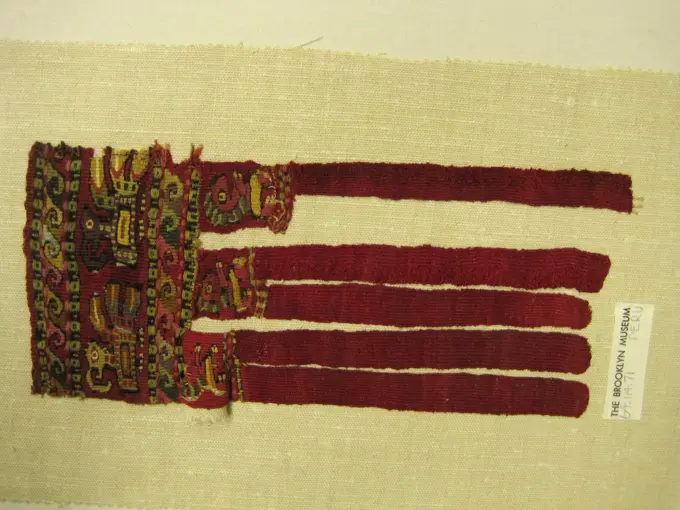
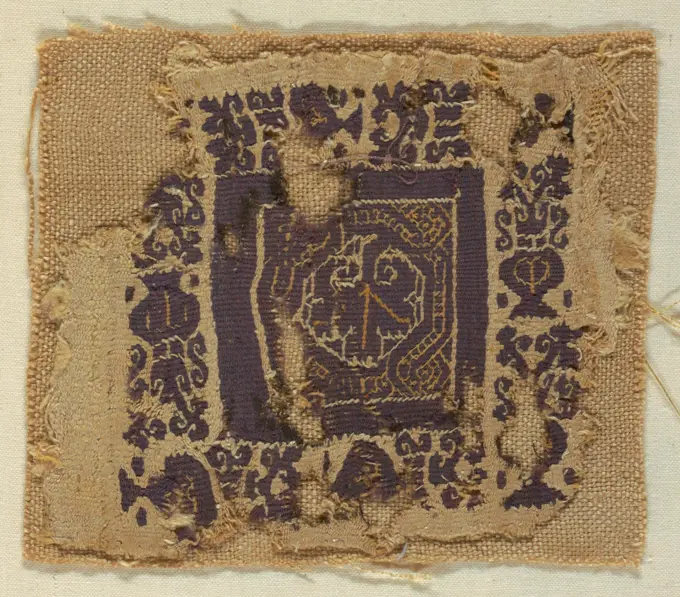
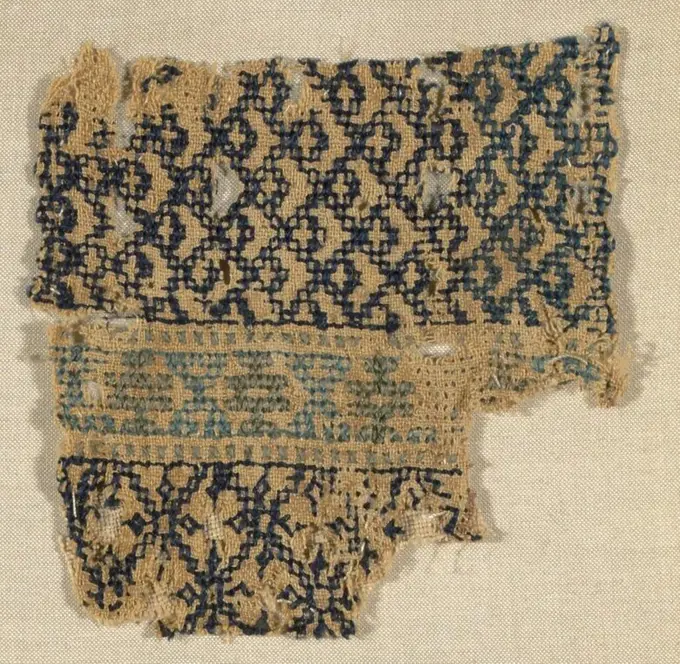
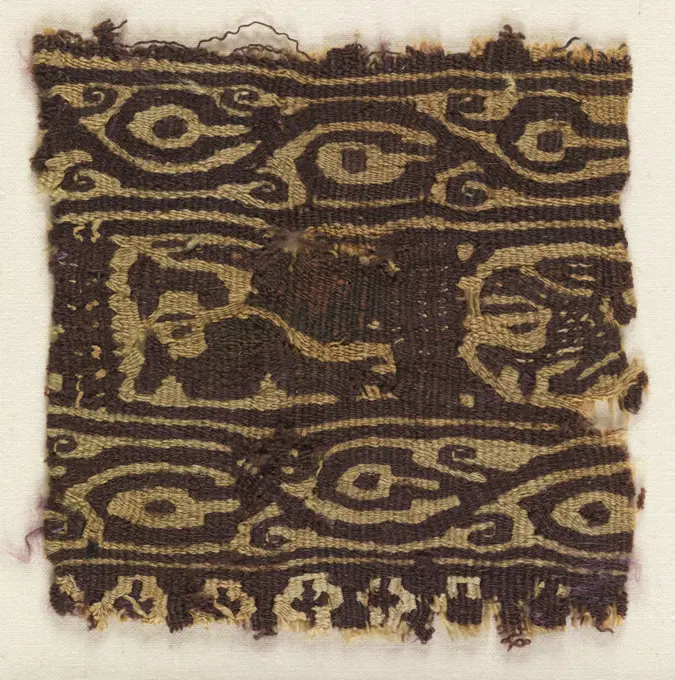
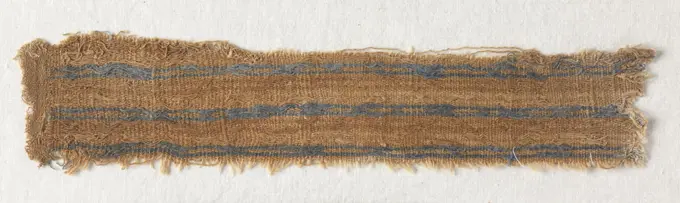
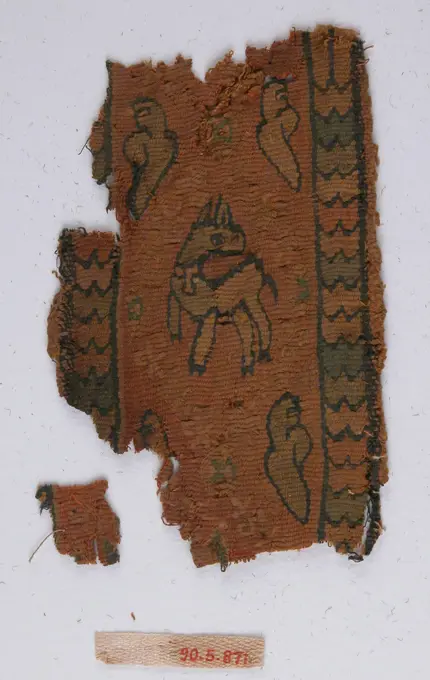
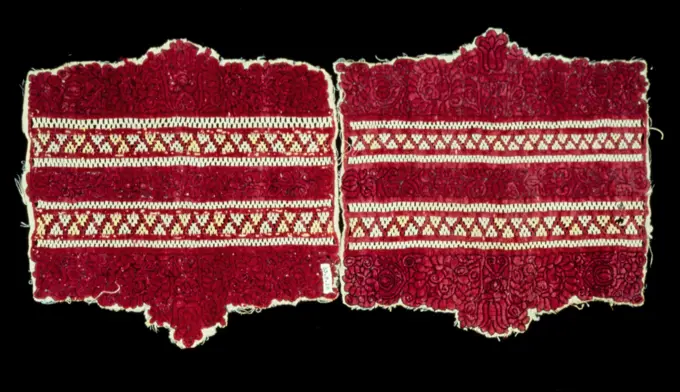
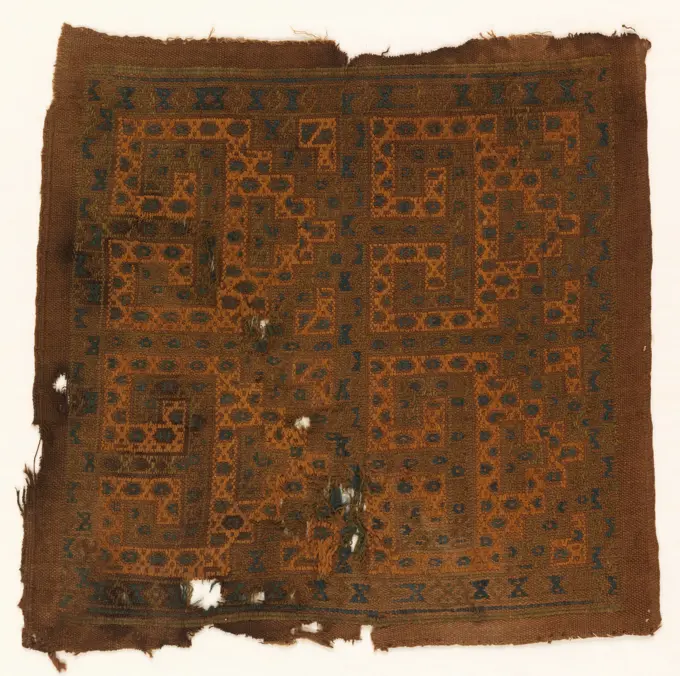
Bands, Medium; linen Technique: plain weave and tapestry weave, Bands of triangles and arrow and wave design, 13th century, woven textiles, Bands
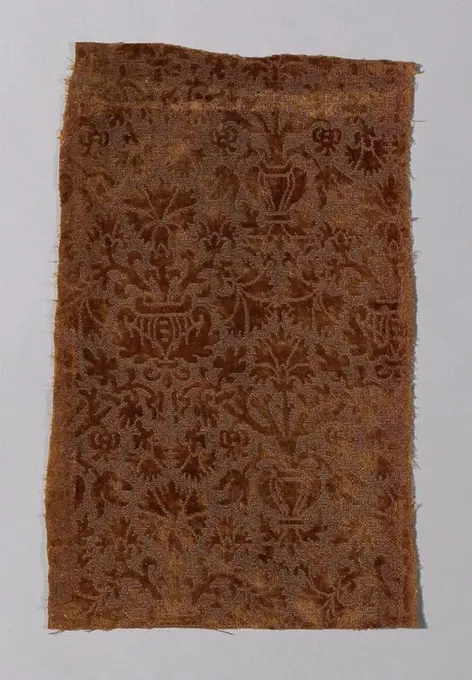
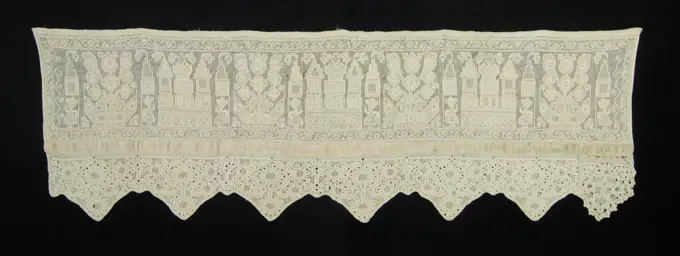
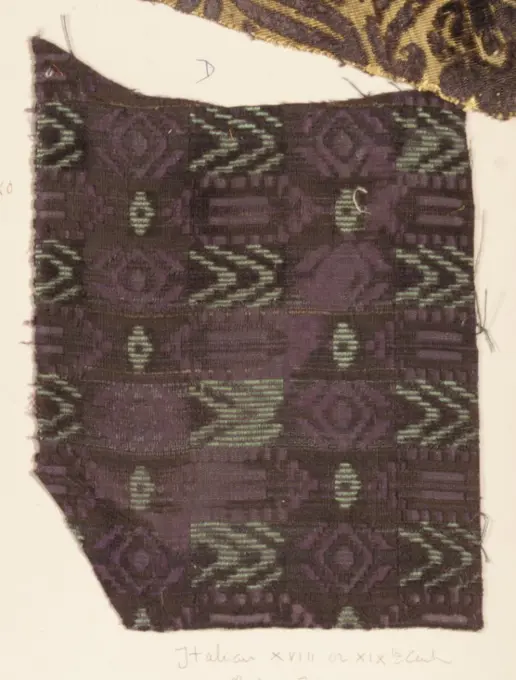
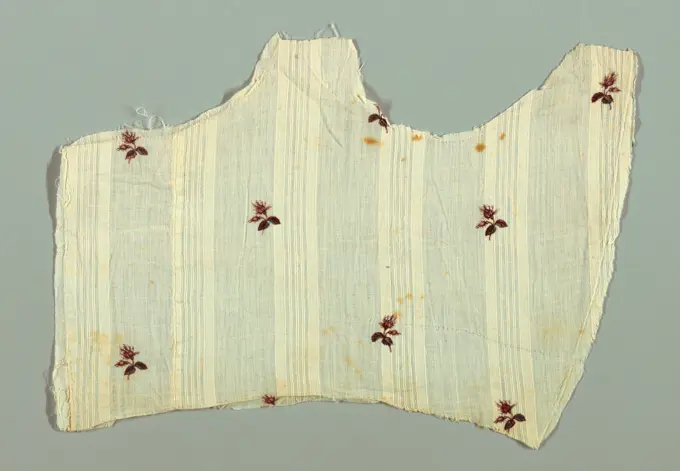
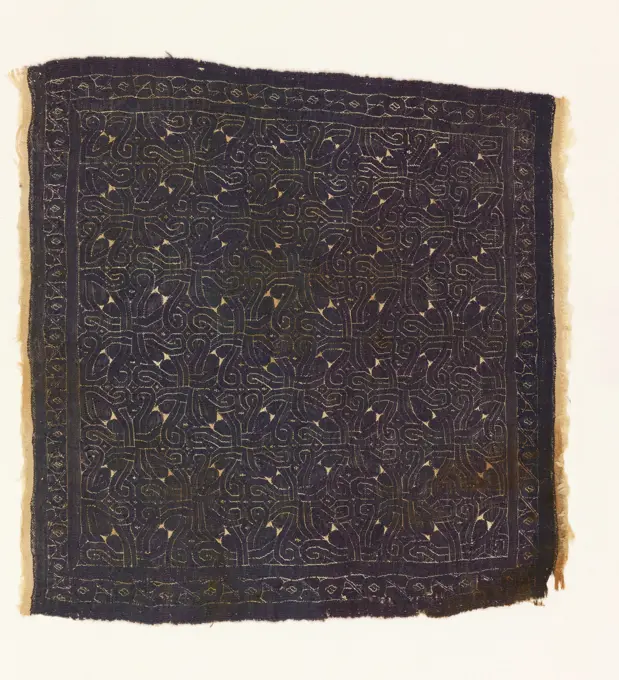
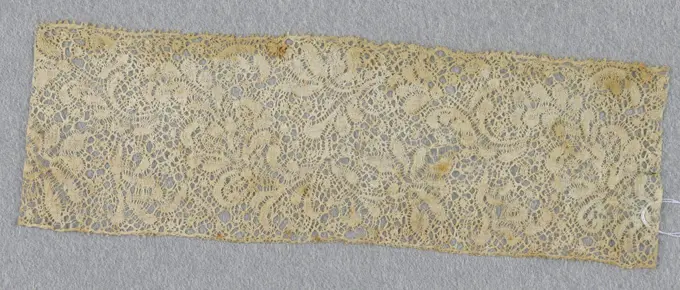
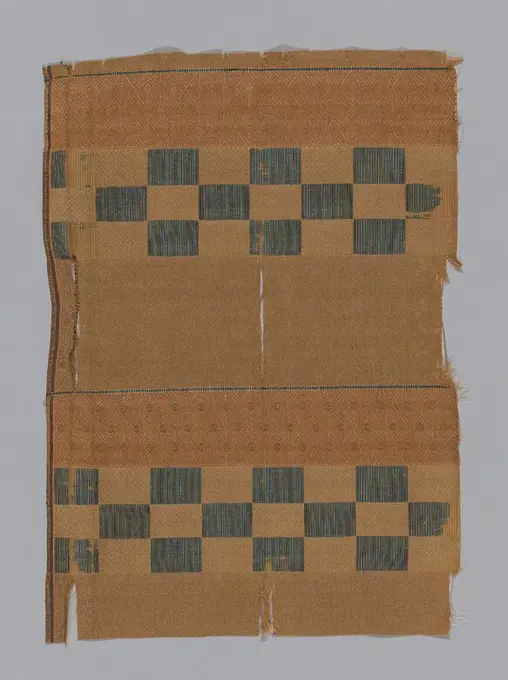
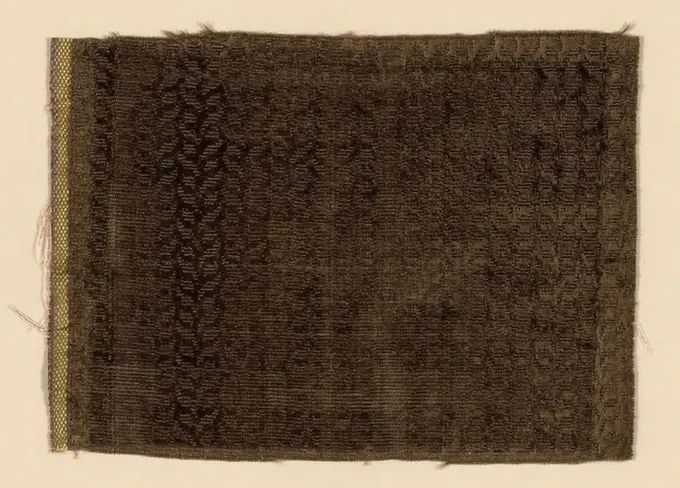
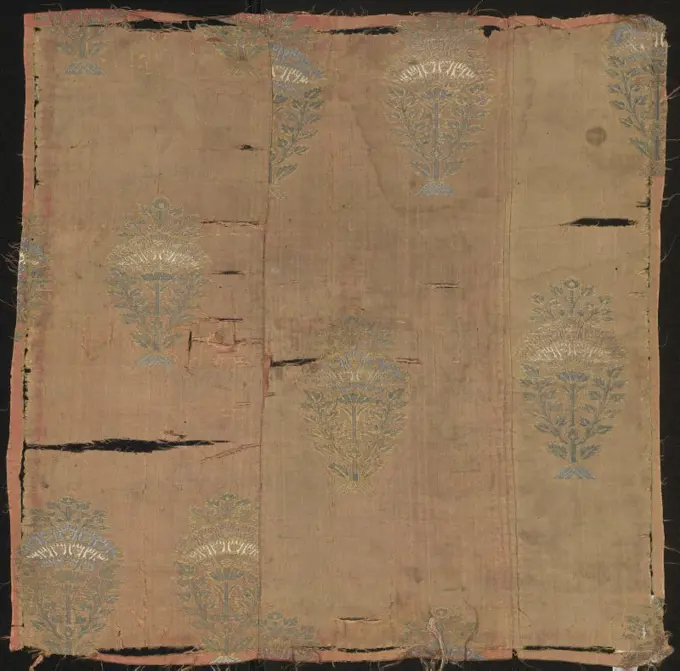
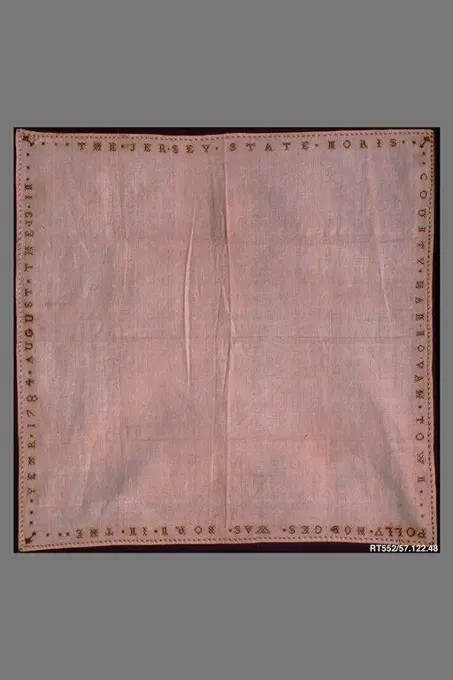
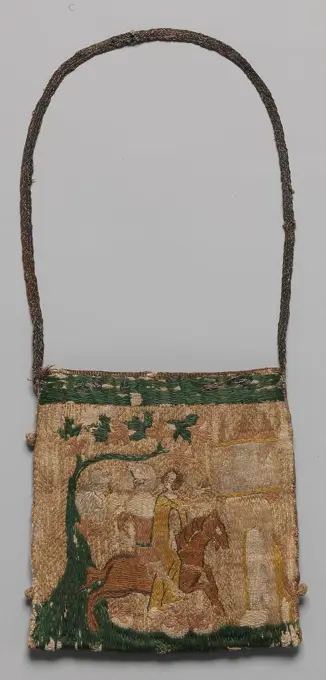
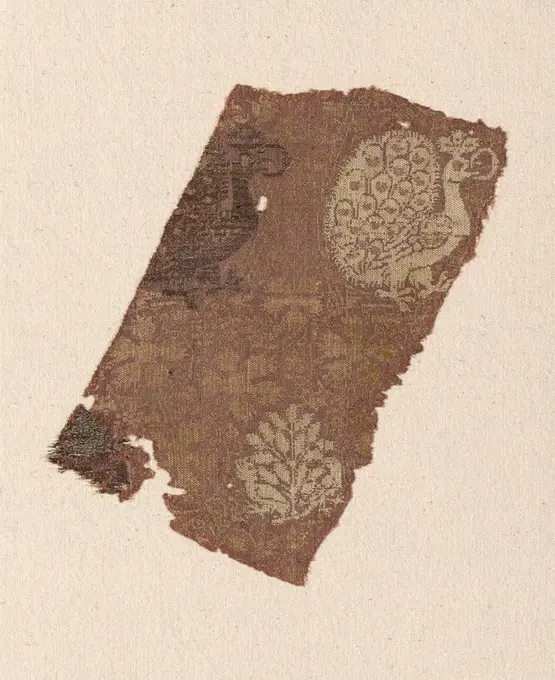
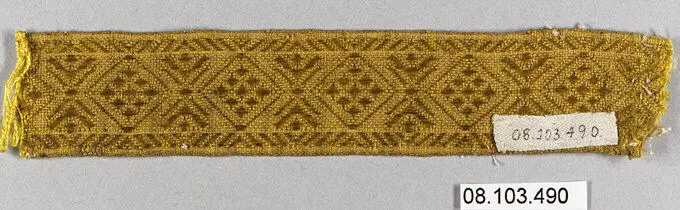
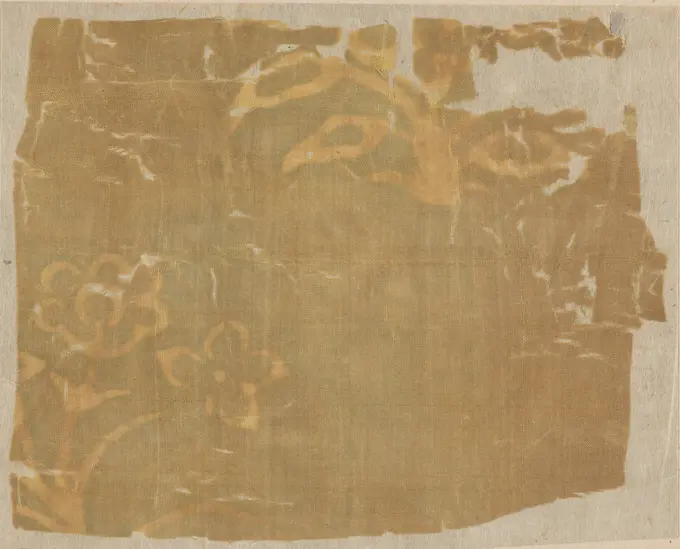
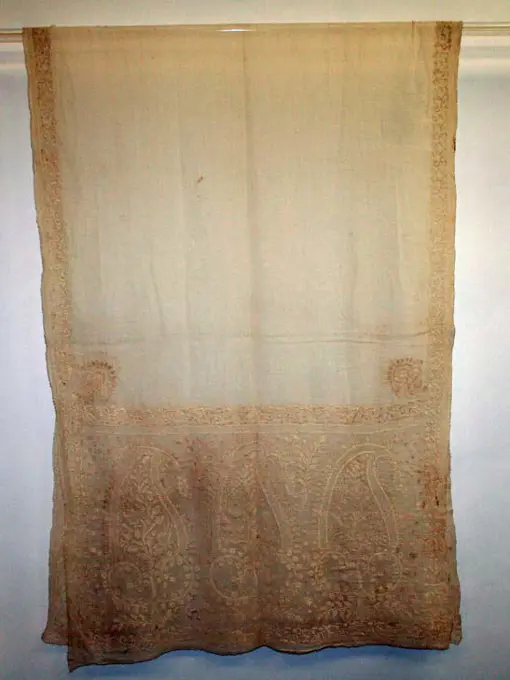
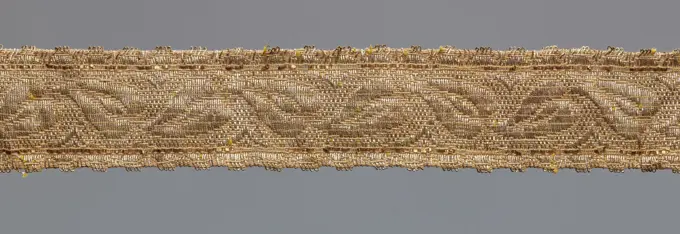
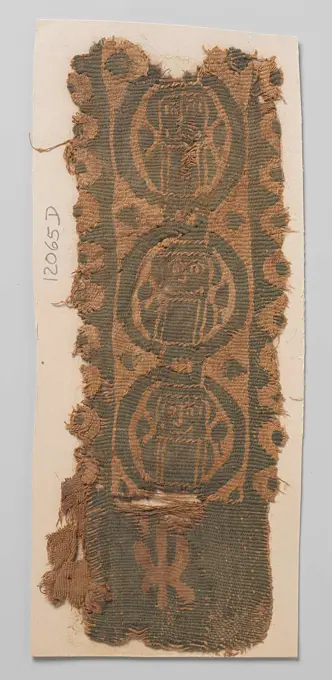
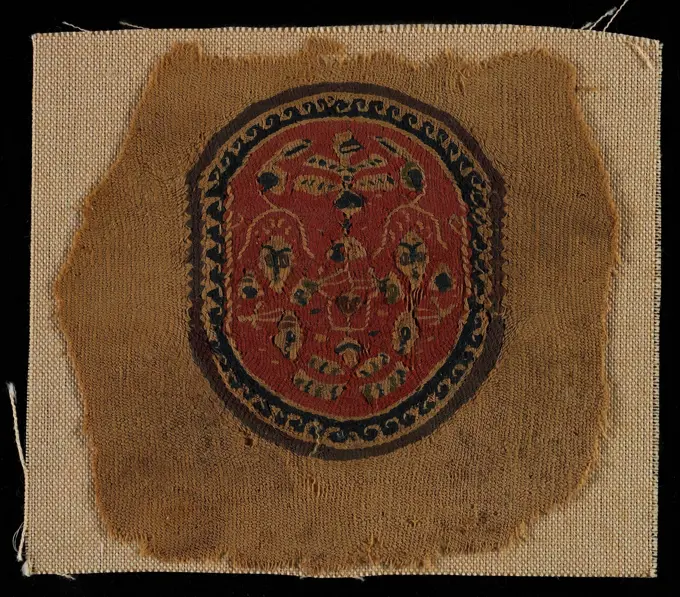
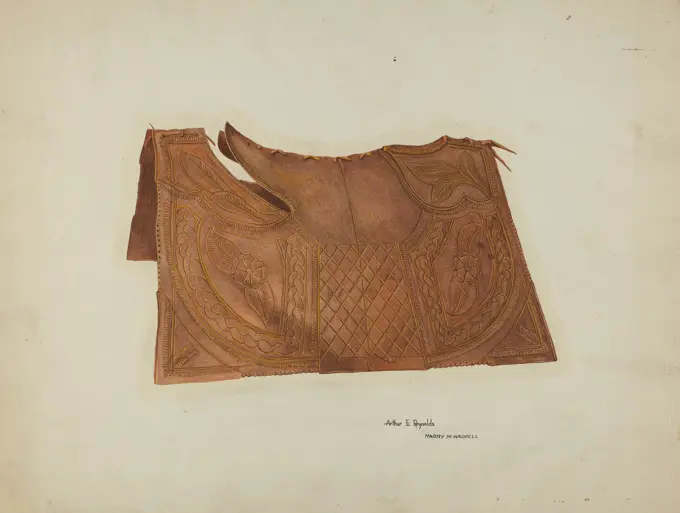
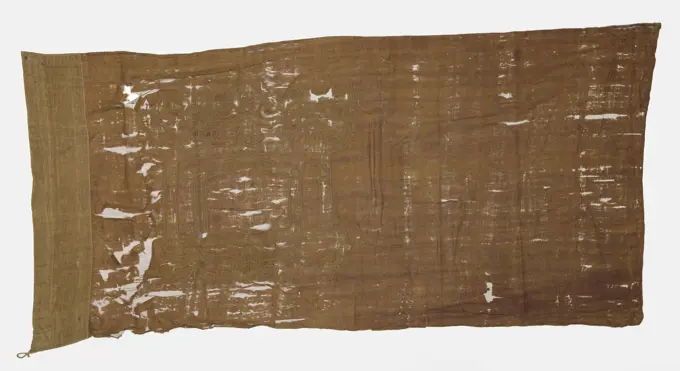
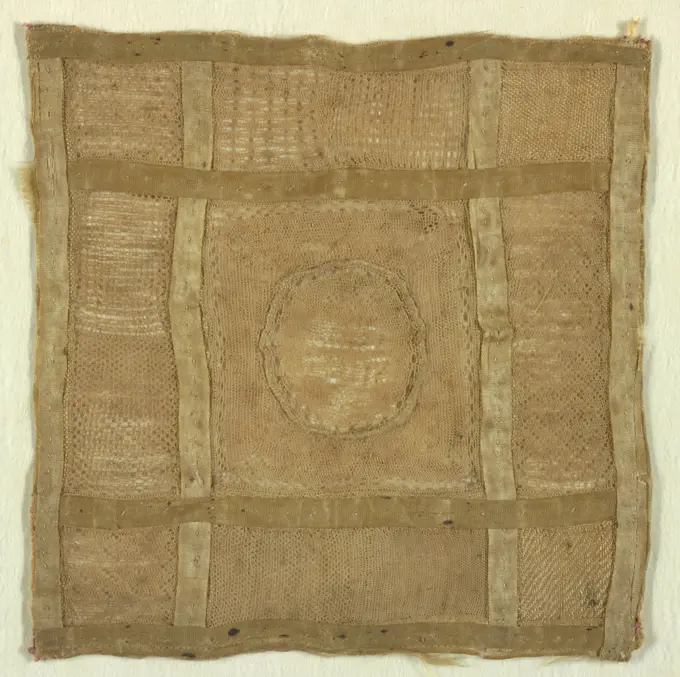
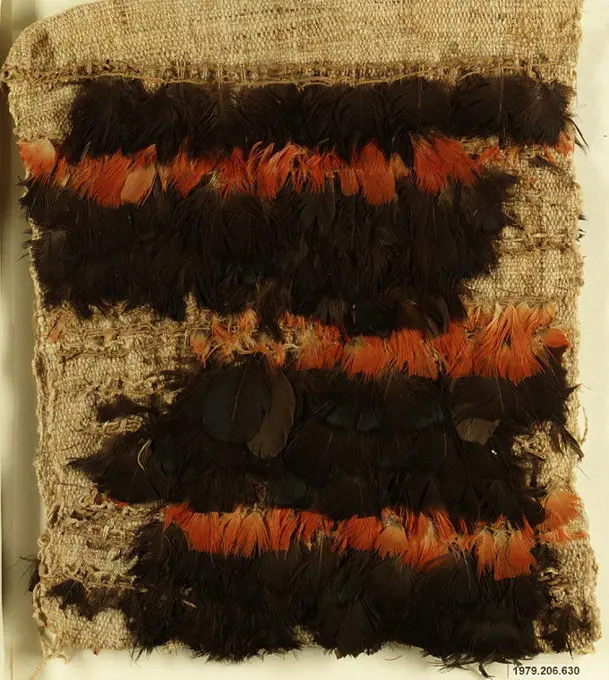
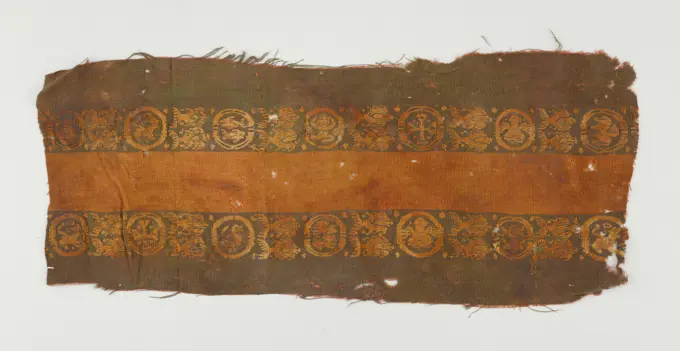
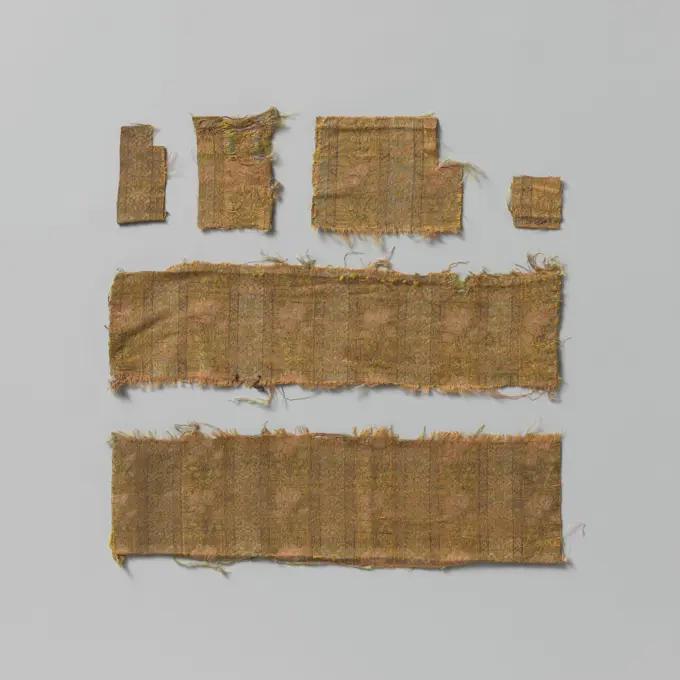
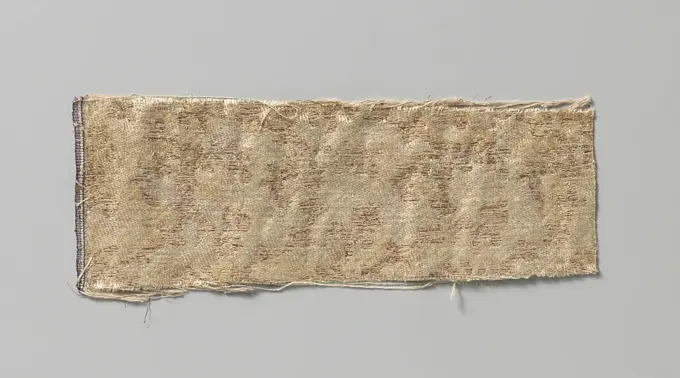
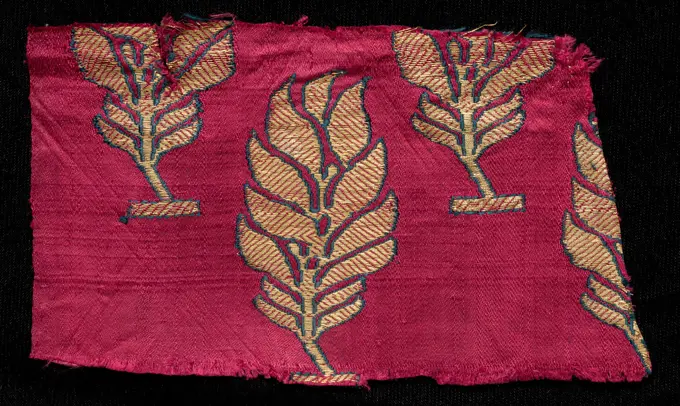
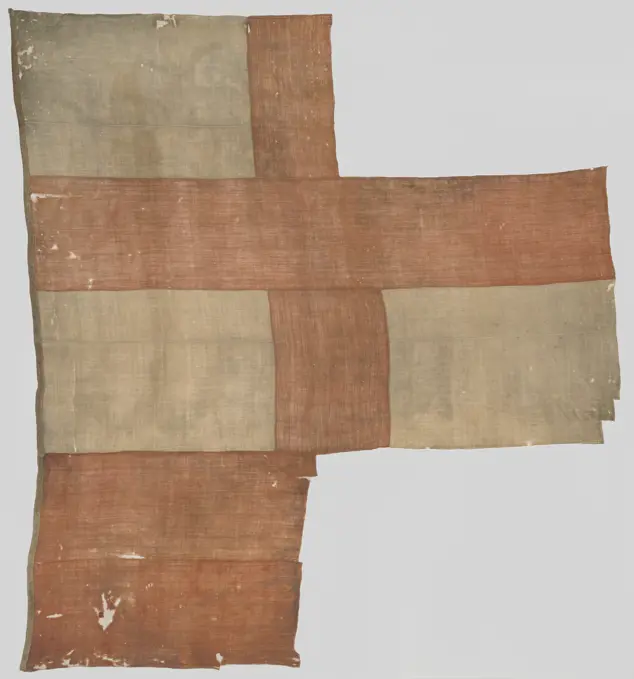
Fragment 18th century Italian. Fragment 230404Fragment Made 1575-1600 Italy. cisele solid twill velvet .Piece 18th-19th century Japan. Piece. Japan. 18th-19th century. Silk. Textiles-WovenFragment. Italy. Date: 1575-1600. Dimensions: 34.9 x 22.2 cm (13 3/4 x 8 3/4 in.). Cisele solid twill velvet. Origin: Italy. Museum: The Chicago Art Institute, Chicago, USA.Bands, Medium; linen Technique: plain weave and tapestry weave, Bands of triangles and arrow and wave design, 13th century, woven textiles, BandsVelvet Textile, 16th century. Spain, 16th century. Velvet; silk and metallic thread; overall: 43 x 14.5 cm (16 15/16 x 5 11/16 in.).Fragment; silk; Warp x Weft: 15.6 x 10.8 cm (6 1/8 x 4 1/4 in.)Textile Fragment 18th century. Textile Fragment 454594Tunic Fragment 7th-9th century Wari. Tunic Fragment 308094Pillow Cover (Italy); silk on linenSampler, Medium: cotton Technique: embroidered in chain, button hole, satin, overcasting, threaded running, and knot stitches with needle made lace-loop and twist on plain weave foundation, Whitework sampler with seven plackets and eight button holes. Two separate samplers sewn together., Denmark, 1816, embroidery & stitching, SamplerFragment, 17th century; silkBed curtain border 1800-1850 Russian. Bed curtain border 173366Fragment Italian 18th-19th centuryTextile (England); cottonFragment; linen; Bequest of Marian Hague; 1971-50-251Ritual Cloth(Bidak)Square; linen warp, linen and wool weftsSampler(Limar)Towel, 19th century, 50 x 24 in. (127 x 61 cm), Linen (), silver thread; needlework, Turkey, 19th centuryBand fragment, Medium:Warp; S-spun linen. Wefts; S-spun linen, S-spun wool. Technique: Slit tapestry woven with supplementary weft wrapping., Fragment of narrow decorative band mounted on modern plain weave linen. Pattern in purple on white ground. Lizard () head., Egypt, 4th-5th century, woven textiles, Band fragmentFragment, Medium: silk Technique: supplemewntary warp forming cut and uncut raised pile (velvet), Leaves in interlaced strapwork in brown on white., 17th century, woven textiles, FragmentFragment, before 1968. Iran or Iraq , Seljuk period, 11th - 12th century. Lampas weave, silk; overall: 19.5 x 27.2 cm (7 11/16 x 10 11/16 in.).Sampler with decorative drawn thread work unknown, a professional school in KrakowMantle 7th-9th century Wari. Mantle 312672Border, Medium: Technique: bobbin lace, Bobbin lace sample, floral vine; early 18th century Binche, early 18th century, lace, BorderRussian sash unknown, unknown manufactureTextile Fragment 9th-10th century. Textile Fragment 452539Textile Fragment, Undetermined or Textile Fragment, Undetermined, Border Fringe Chimú. , 1000-1532. Cotton, camelid fiber, 10 3/4 × 4 1/2 in. (27.3 × 11.4 cm).   Arts of the Americas 1000-1532Sari, 19th century, L.123 x W.62 in., cotton, silk and metal thread, India, 19th centuryFragment (From a Noh Costume). Japan. Date: 1601-1700. Dimensions: 48.9 x 34.6 cm (19 1/4 x 13 5/8 in.). Fancy compound satin, silk and gilt and silvered paper; 2-3 strips to m.m. Origin: Japan. Museum: The Chicago Art Institute, Chicago, USA.Fragment lampas, anonymous, 1715 - 1730 Weave a fragment of red floral satin with silver wire. France silk. lampas (textile material) Weave a fragment of red floral satin with silver wire. France silk. lampas (textile material)Fragment 16th-17th century Italian. Fragment 230611Fragment. Italy. Date: 1775-1800. Dimensions: 13.8 x 18.7 cm (5 1/2 x 7 3/8 in.). Silk, cut, uncut, and voided velvet. Origin: Italy. Museum: The Chicago Art Institute, Chicago, USA.Fragment of fabric unknownBorder; cotton, silkTowel border 1800-1850 Russian. Towel border 173355Bliej Kultury unknownFragment, Medium: cotton Technique: complementary wefts; plain weave foundation; Three sections: 1) predominantly warp-faced plain weave (plaid), 2) wefts faced plain weave (on grouped warps) 3) complimentary wefts, plain weave, sides: one intact, ends: one has warp selvage, Plain weave with crossing bands of double-faced weft patterning. Brown and white plaid effect crossed at intervals by narrow brown ribbed bands with blue continuous scroll., Peru, ca. 1000, woven textiles, FragmentFragment kilimu. unknown, authorQuilt (Italy); linen, cottonFragment red velvet brocade with a pattern of floral motifs. Fragment (three pieced parts) Red silk velvet with a pattern of horizontal gerijde lobby leaves on braided stem between which pomegranates and rosettes of gold thread. Pattern has been supplemented.Sampler, Alls Tanner, English, Medium: wool embroidery on wool foundation Technique: cross, montenegrin cross, eyelet, and double running stitches, Made by the maker of 1941-69-60. Here the name is spelt 'Alse'. Cross borders with ornament, alphabet and verse., England, 1703, embroidery & stitching, SamplerPiece 16th century Japan. Piece 71121Sari, early 1900s. India, early 20th century. Silk, metallic thread; overall: 236.2 x 118.1 cm (93 x 46 1/2 in.).Piece of fabric. unknown, authorFragment of Zeoftatijn, Anonymous, 1690 - 1699 A fragment of a gray tissue with an irregular light-brown drawing with gold. NOTE: MEERSHIP; 0.5 cm chain rips (different colors).  silk. cotton (textile). A fragment of a gray tissue with an irregular light-brown drawing with gold. NOTE: MEERSHIP; 0.5 cm chain rips (different colors).  silk. cotton (textile).Fragment of a Ship Flag. Fragment of the sling of a ship flag, blue with a white rectangle in the upper neck with a red cross (St. George's Cross). This is a blue ship flag of the period 1630-1707.Sampler Made 1701-1900 Turkey. Embroidered .Fragment 15th-16th century Italian, Venice or Damascan. Fragment 230605Piece 18th-19th century Japan. Piece 66951Embroidered sampler ca. 1795 Polly Hodges This handkerchief served as a type as sampler since Polly Hodges practiced her fine cross-stitch lettering around its border.. Embroidered sampler 14062Fragment of a Shoulder Band 6th century. Fragment of a Shoulder Band 443778Sampler (Germany); silk embroidery on linen foundationFragment, Medium: linen Technique: bobbin lace (early Valenciennes ground), Fragment of Valenciennes with scrolling branches with blossoms and flowers., 17th century, lace, FragmentTextile Fragment 4th-6th century or 9th century. Textile Fragment 456913FragmentTunic. Possibly Chancay; Peru, Possibly central coast. Date: 1000-1532. Dimensions: 36.8 x 96.5 cm (14 1/2 x 38 in.). Origin: Peru. Museum: The Chicago Art Institute, USA.Sampler Made 1808 United States. Linen, plain weave; embroidered with silk in bullion, cross, eyelet, stem, and surface satin stitches . Nancy LairdFragment of the mantle of Philip of Castile, Archbishop of Sevilla ,, c. 1250 - c. 1299 Fragment silk tissue in gold, yellow and blue. The symmetrical pattern has geometric shapes of squares in which rosettes, star shapes and rectangles. Spain silk damask Fragment silk tissue in gold, yellow and blue. The symmetrical pattern has geometric shapes of squares in which rosettes, star shapes and rectangles. Spain silk damaskFragment green silk tissue with stylized leaf motif. Fragment green silk with pattern in gold from hexagons shaped by interrupted tape work.Border; linen; 6.5 x 24 cm (2 9/16 x 9 7/16 in. ); Bequest of Marian Hague; 1971-50-476Ribbon (USA); silkDarning sampler. Date/Period: 1852. Darning sampler. Medium: silk embroidery on linen foundation. Technique: embroidered in running (pattern darning) and cross stitches on plain weave foundation. Height: 325 mm (12.79 in); Width: 360 mm (14.17 in). Author: UNKNOWN.Fragment. Egypt. Date: 1201-1400. Dimensions: 8.7 × 9 cm (3 3/8 × 3 1/2 in.). Origin: Egypt. Museum: The Chicago Art Institute, Chicago, USA.Fragment (Bonnet Trim) Made 1850 Europe. Three tapes of horsehair, twill oblique interlacing; two tapes of horsehair and straw, twill oblique interlacing, openwork with supplementary wrapping elements; one tape of horsehair and straw, plain weave, openwork with raised profile formed by extended wrapped and twill oblique interlaced wefts; embellished with horsehair, cotton, and straw in twined tapes of twill oblique interlacing and florets of cotton plain weave with supplementary pile wefts forming cut solid velvet (velveteen); embroidered with straw in back stitches .Purse with scenes from the story of Patient Griselda. Culture: French. Dimensions: Overall: 6 x 5 5/8in. (15.2 x 14.3cm). Date: 14th century.This embroidered scene depicts the popular medieval tale of Griselda, a poor maiden who was tested long and cruelly by her noble husband and thus exemplifies ideal Christian patience. The story appeared in various forms, the best known of which is "The Clerk's Tale" in Chaucer's Canterbury Tales. The needlework may have been made professionally, or by its owner, inasmuch as needlework was considered an essential part of a woman's education. Museum: Metropolitan Museum of Art, New York, USA.Linen stoppipe .. Linen stoppipe, where embroidered is the letters and the year 1758.Fragment. Italy. Date: 1301-1400. Dimensions: 22.4 x 20.2 cm (8 7/8 x 8 in.)Weft pattern repeat: 9.4 cm (3 3/4 in.). Silk and gilt-animal-substrate-wrapped linen, plain weave with supplementary patterning and brocading wefts bound by secondary binding warps in plain interlacings. Origin: Italy. Museum: The Chicago Art Institute, Chicago, USA.Galloon 18th century French. Galloon 213987Fragment, 700s. China or Japan, 8th century. Tabby weave; overall: 9 x 11.2 cm (3 9/16 x 4 7/16 in.).Shawl 1800-1810 probably American. Shawl 110118Fragment, Medium: wool Technique: plain weave with discontinuous wefts (tapestry), Fragment of a tapestry-woven band in purple and undyed wool. Two bands of rinceaux, each leaf containing a purple dot, flanking a roughly recognizable seater figure. At one edge the remnants of a border of small purple crosses against an undyed ground., Egypt, 6th-8th century, woven textiles, FragmentGallon;  19th century (1801-00-00-1900-00-00);Sampler 18th century German or British. Sampler. German or British. 18th century. Cotton on linen. Textiles-EmbroideredStencil, Bamboos against key frets; 1979-26-17Fragment silk tissue from a seat cover. Fragment yellow silk tissue, from a seat cover. The pattern has pink palmets and arabesken on a yellow ground. The fragment belongs to thirteen fragments with Invnr. BK-1992-18-A T / M BK-1992-18-m.Sample (USA); linenFragment, Medium: cotton Technique: supplementary wefts, inserts into structure, Plain weave and plain weave, lancé. Tan plain weave with paired interrupted blue pencil-stripes formed by extra wefts, lancé. Loom joined to small piece of much finder tan cotton plain weave., Peru, before 1500, woven textiles, FragmentWeefselfragment met clavus.Gray-green and natural-colored clavus () With three medallions with stylized human figure, half in front of an irregular X with a vertical line. The whole on both sides deposited with a pearl edge. At the bottom left is another fragment of the underground tissue.Textile Fragment, 6 1/4 x 6 1/2 in. (15.88 x 16.51 cm) (fragment)6 5/16 x 7 3/8 in. (16.03 x 18.73 cm) (mount), Linen (), wool (), EgyptArthur P Reynolds and Harry Mann Waddell, Saddle Cover, c 1940 Saddle CoverTowel, 1800s, Turkey, maker unknown. Gift of Mrs E O'Malley, 1990.Towel; cotton embroidery, linen foundation; Warp x Weft: 89.5 x 40.5 cm (35 1/4 x 15 15/16 in.); Bequest of Mrs. Henry E. Coe; 1941-69-258Flag, anonymous, in or before 1822 flag The flag is red with a white orbit along the pants and a white rose in the field. Indonesian Archipelago linen (material).   Sulawusi. TontoliSampler, Medium: linen, silk Technique: Hollie point and darning stitches, Central square with initials 'H. D.' and date. Surrounded by six panels of designs in Hollie point and two in darning., England, 1802, embroidery & stitching, SamplerFragment of a Shoulder Band 6th-7th century. Fragment of a Shoulder Band 444349Miniature Dress 12th-13th century Ica. Miniature Dress 312821Fragment zijdeweefsel, , c. 1900 - c. 1905 Fragment (consisting of two pieces) of blue silk with pattern in, among other things, white, green and gold, with eight steps with the presentation of chained lion on tree. Added. Incomplete report. Spain (possibly)Italy (possibly)draughtsman: Krefeld Ketting an element: Silk. Lampas (textile material) Fragment (consisting of two pieces) of blue silk with pattern in, among other things, white, green and gold, with eight steps with the presentation of chained lion on tree. Added. Incomplete report. Spain (possibly)Italy (possibly)draughtsman: Krefeld Ketting an element: Silk. Lampas (textile material)Fragment, 19th century, 9 1/8 x 9 1/8 in. (23.16 x 23.16 cm), Cotton; embroidery, 19th centuryFragment of Coptic fabric unknownFragment of Coptic fabric unknownFragment Silk Brokaat tissue with a pattern of pastel -colored flowers on striped soil, 1600 - 1800 Fragment Silk Brokaat tissue with a pattern of pastel -colored flowers on striped soil. Pattern: vertical silver lanes (perishing up to the yellow core) interspersed with narrow light blue lanes in gray-beige frame. Filling of curved flower branches and stiff palm flowers in pink with white and pink with silver. Eastern textile. Persia silk. brocade (textile) Fragment Silk Brokaat tissue with a pattern of pastel -colored flowers on striped soil. Pattern: vertical silver lanes (perishing up to the yellow core) interspersed with narrow light blue lanes in gray-beige frame. Filling of curved flower branches and stiff palm flowers in pink with white and pink with silver. Eastern textile. Persia silk. brocade (textile)Painted textile with scattered floral scrolls China. Painted textile with scattered floral scrolls 39826Fragment van zijde satijn.A fragment of a gray tissue with an irregular light-brown drawing with gold. Note: Self side; 0.5 cm Chain trips (Deviating colors).Textile (Peru); cotton, woolclose up of an empty wooden sign on white background with clipping pathBrocade, 1800s. India, Benares , 19th century. Brocade, "kimkhwab"; silk and gold; overall: 7.9 x 14.6 cm (3 1/8 x 5 3/4 in.).Plaque with Interlinked Scrolls. China. Date: 700 BC-600 BC. Dimensions: 1 7/16 × 7/8 × 1/8 in. Jade. Origin: China. Museum: The Chicago Art Institute, Chicago, USA.Fragment of a Ship Flag, anonymous, c. 1620 - c. 1707 ship flag Bovenhals of a ship's flag, red with a white rectangle with a red cross in the upper neck (St. George's Cross). This is a red ship's flag of the period 1620-1707. England wool  flag, colours (as symbol of the state, etc.) England