Vintage Textiles and Accessories

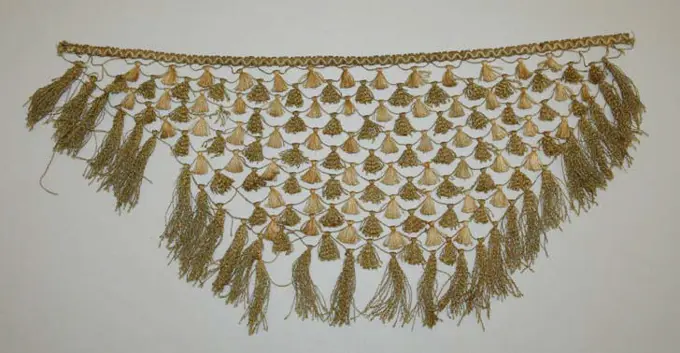
A collection of historical textiles including fringes, necklaces, and blankets, showcasing intricate patterns and rich textures, reflecting various cultural styles.

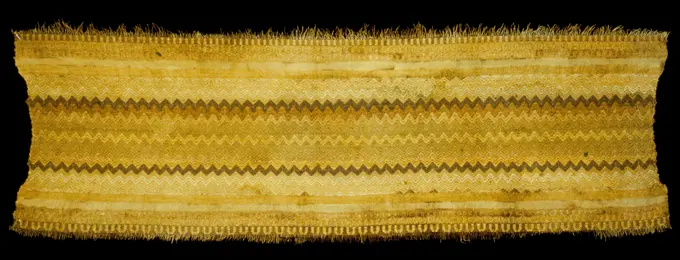
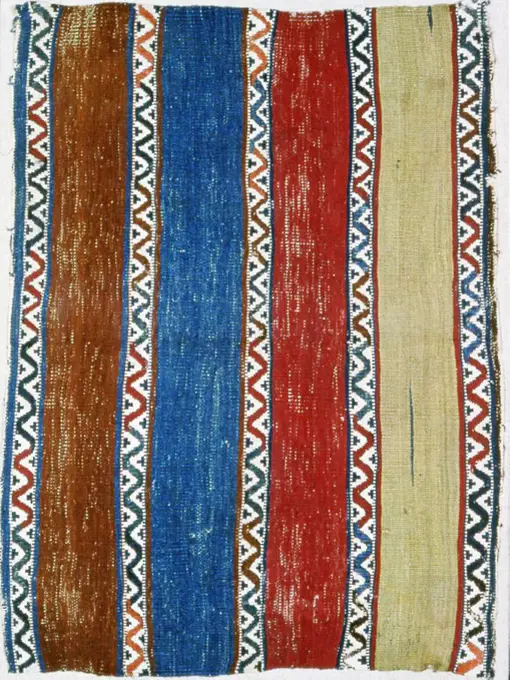
Double twill saddle blanket, c. 1900, 35 1/2 × 31 in. (90.17 × 78.74 cm) (with fringe), Wool, pigments, United States, 20th century
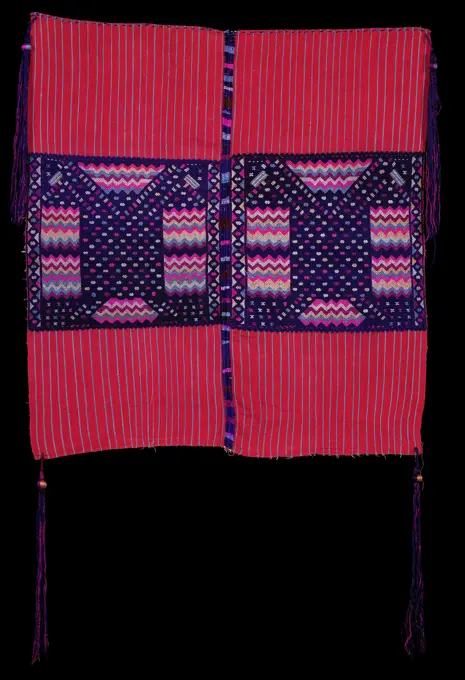
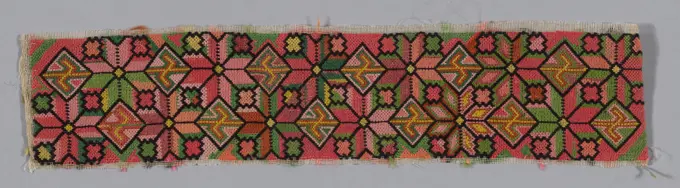
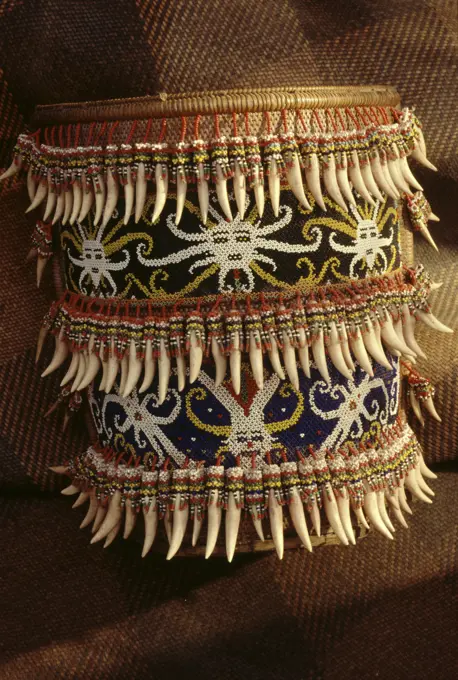
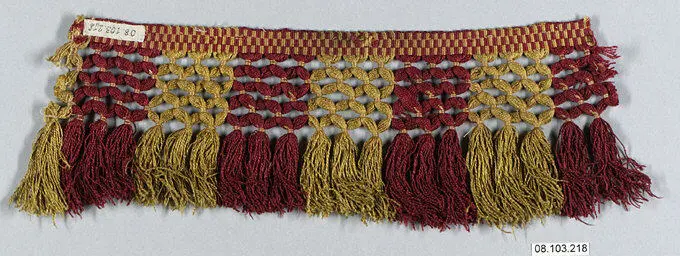
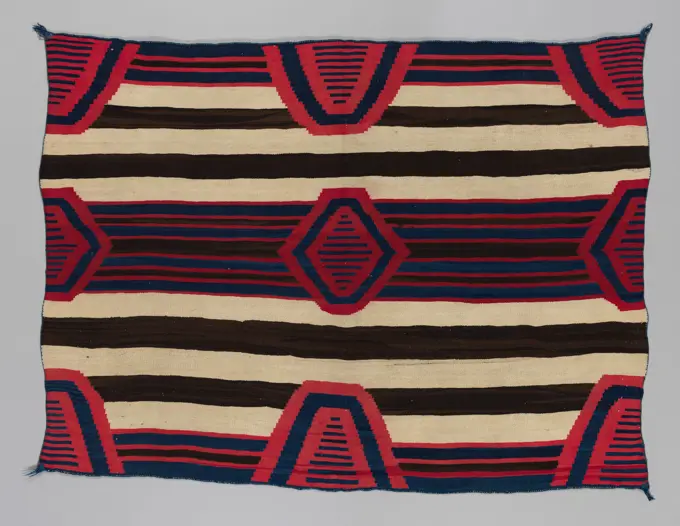
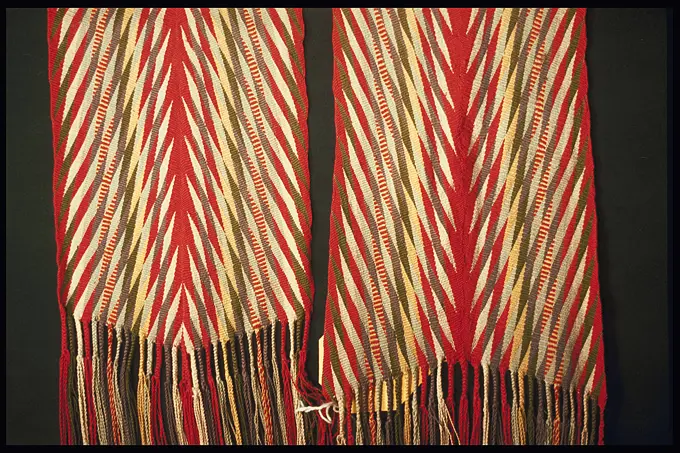
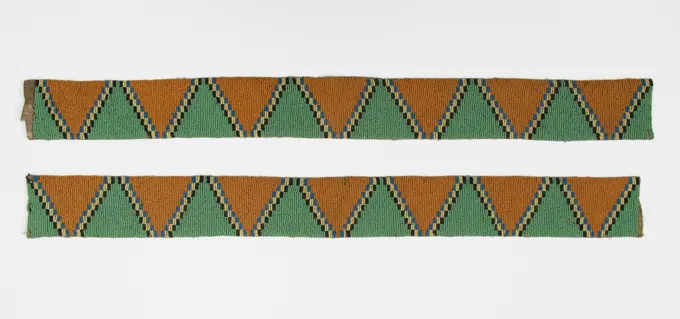
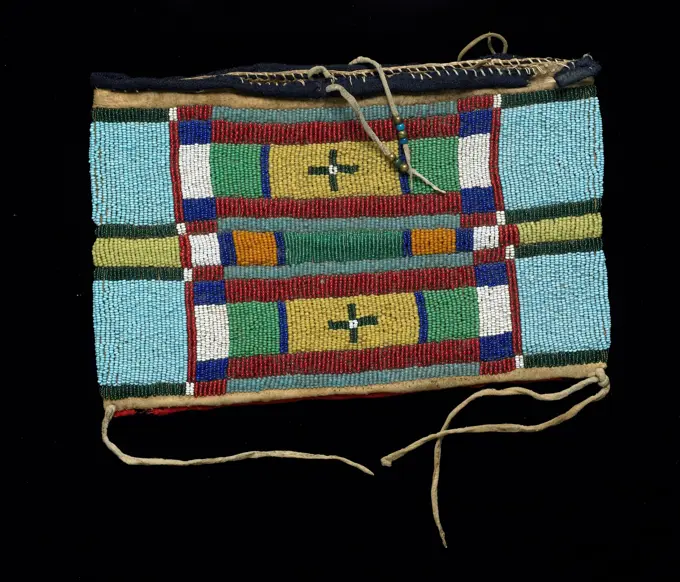
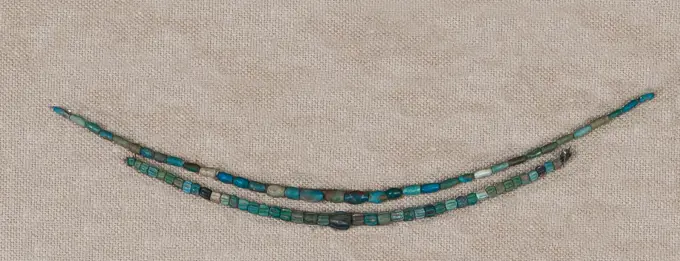
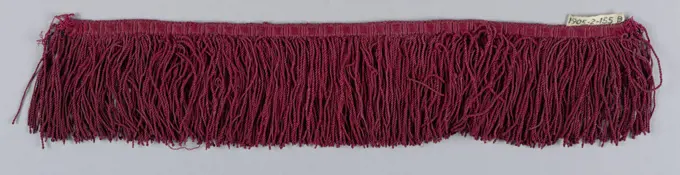
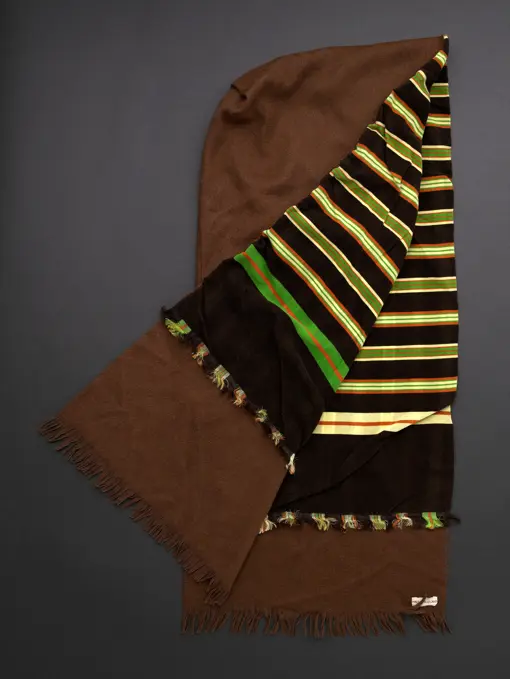
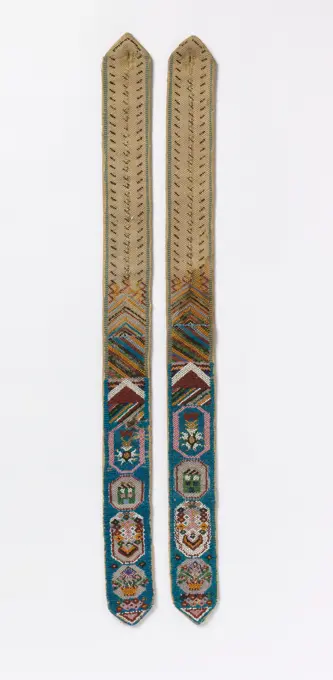
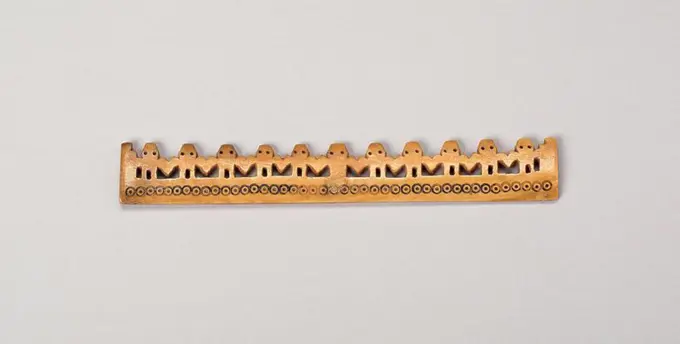
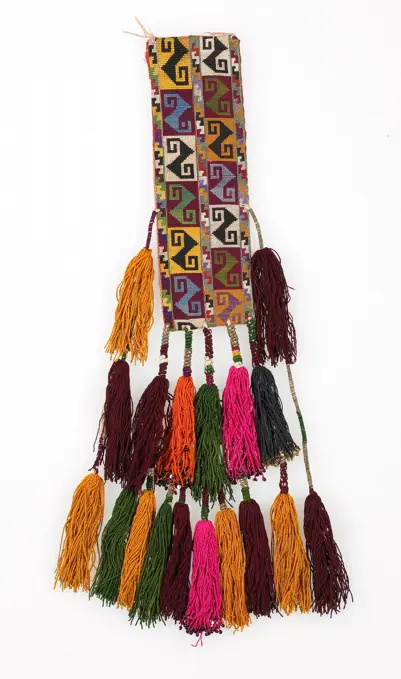
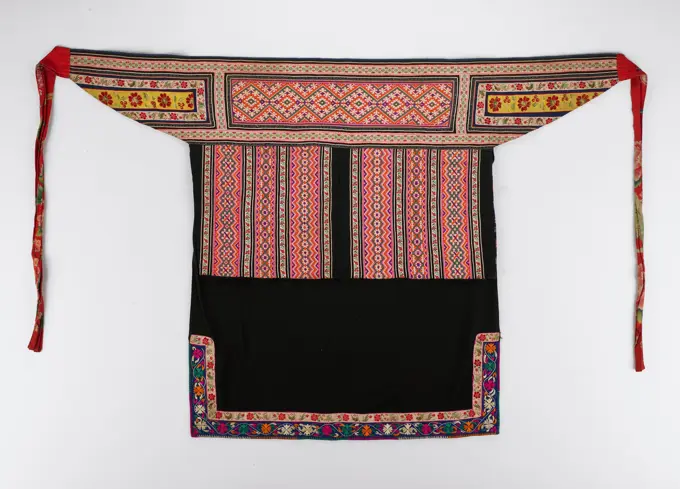
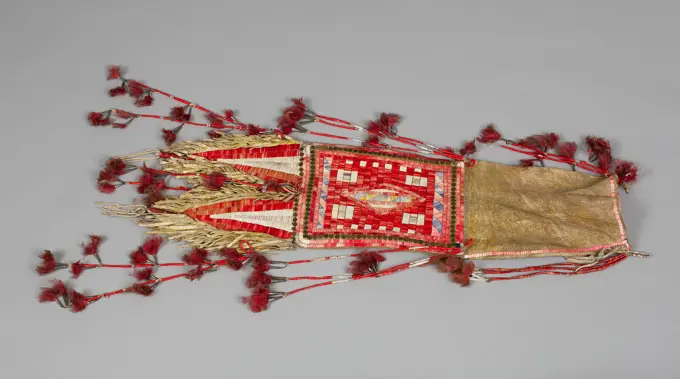
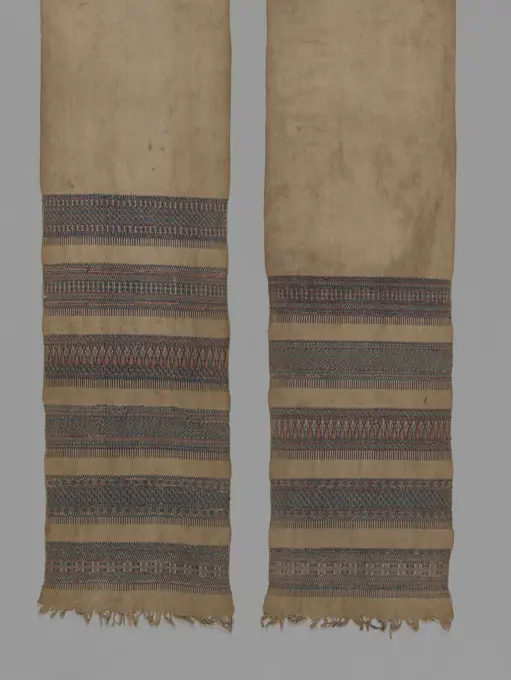
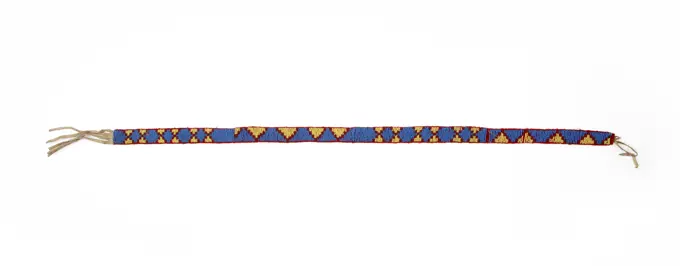
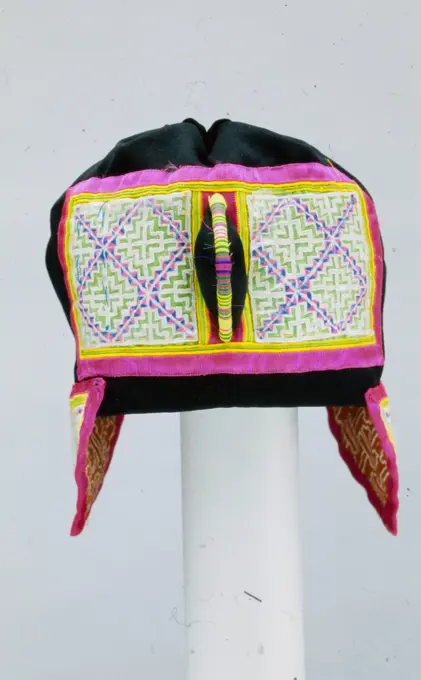
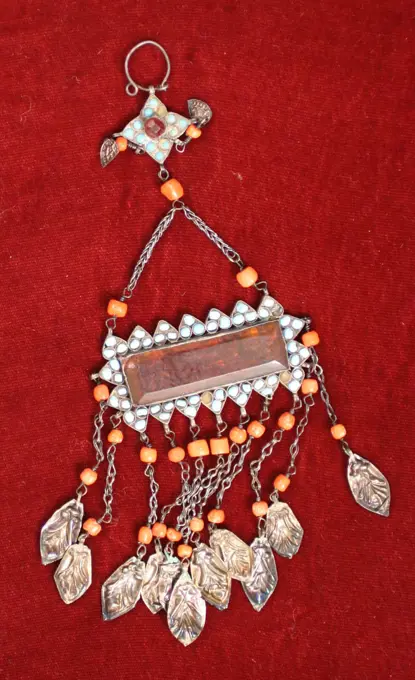
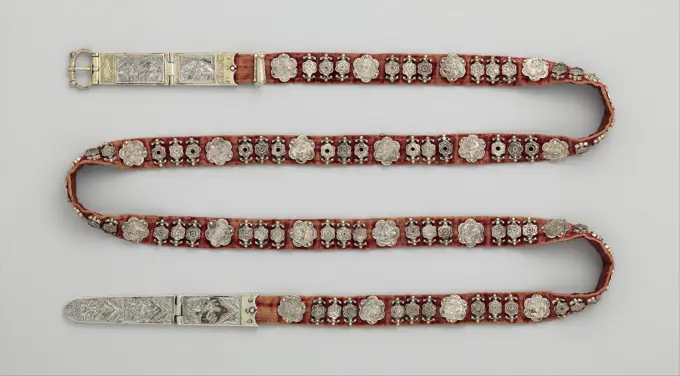
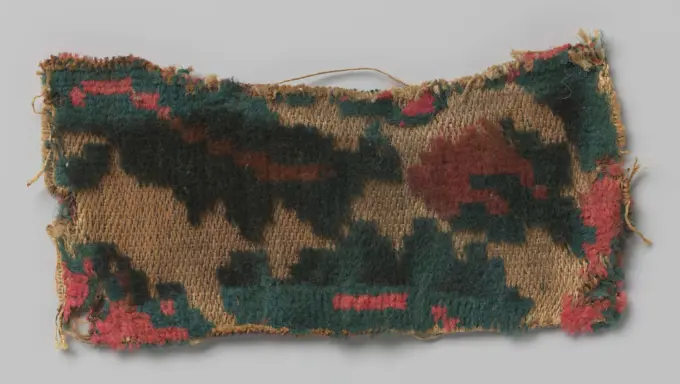
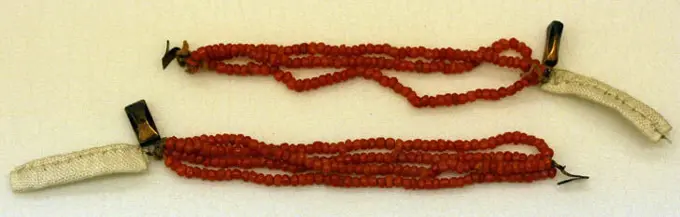
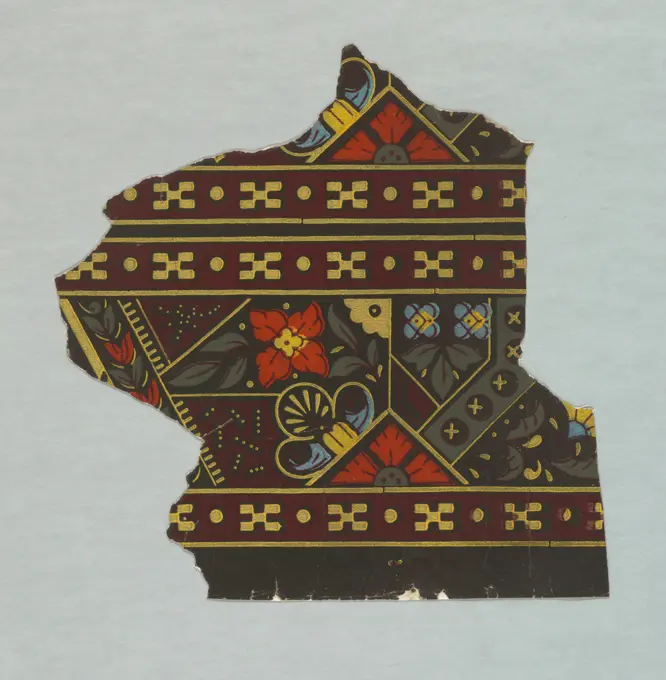
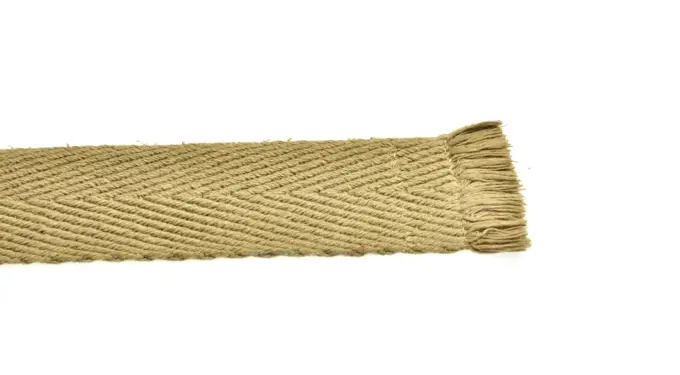
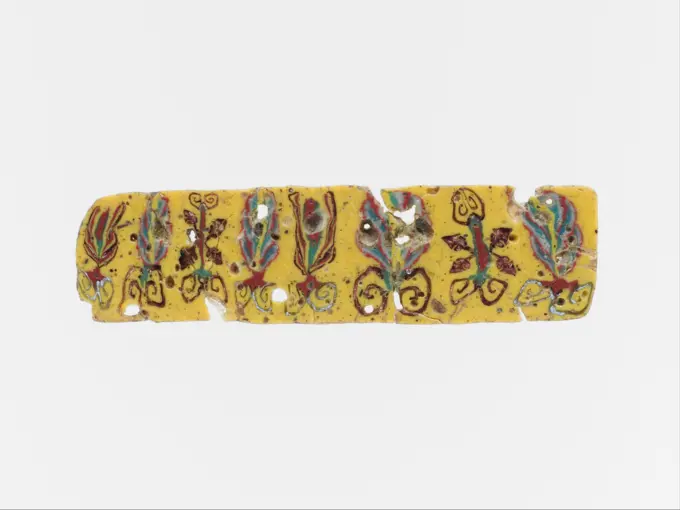
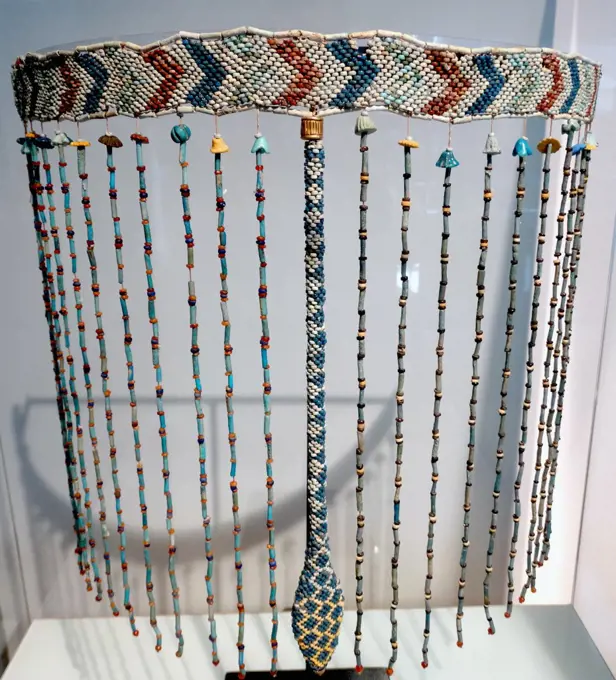
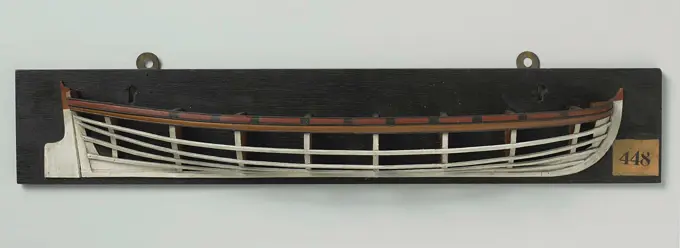
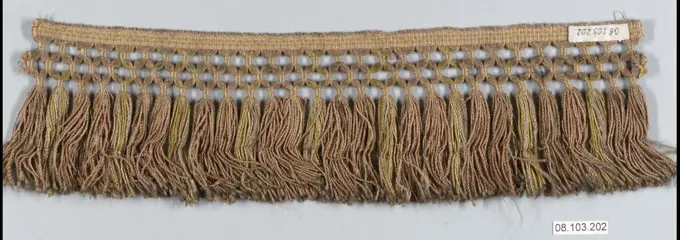
Fringe Spanish or Italian 18th-19th centuryNecklace -Stock Exchange bag. End XIXth. Gal1973.67.45Double twill saddle blanket, c. 1900, 35 1/2 × 31 in. (90.17 × 78.74 cm) (with fringe), Wool, pigments, United States, 20th centuryWoman's Sleeve Band Made 1875-1900 China. Stylized floral and geometric pattern primarily blue tones embroidered on gauze. . Han-ChineseFringe 1775 French. Fringe 225101Skirt, early 20th century, 25 1/2 x 50 in. (64.77 x 127 cm), Cotton, silk; weft patterning, Vietnam, 20th centuryLegging strip  -Strip -Man's ceremonial tzute, c. 1970, 33 1/8 x 30 11/16 in. (84.14 x 77.95 cm) (without tassels), Cotton, silk; supplementary weft patterning; embroidery, Guatemala, 20th centuryBand (for Woman's Trousers or Robe) Made 1875-1900 China. .Harness strap -Baby carrier with beaded masks motif and three rows of leopard´s fangs, Sarawak, Borneo, Malaysia, Southeast Asia, AsiaFringe 17th century probably European. Fringe 213714Legging strip  -Bag.   Maker: UnknownShawl, 19th century, 104 x 54 in. (264.16 x 137.16 cm) (Irregular shape), Linen; bobbin lace, France, 19th centuryShawl Fragments (India); wool, silkFringe probably European 19th centuryChief's blanket 1865-70 Unidentified The six Navajo weavings from the Ernst Collection represent a range of traditional Indigenous designs, adding depth and range to The Mets holdings of Native North American textiles.Weaving is an ancient form of visual expression, and the Indigenous peoples of the Southwest have been producing complex textiles for centuries. Navajo weavings were widely traded—for their aesthetic quality and use value—among neighboring groups, particularly in the Plains region. By the mid-nineteenth century, non-Natives were seeking out blankets and serapes as works of art and souvenirs. They were called "chiefs blankets" by both Native and Euro-Americans due to their high cost and importance. The term "second phase" is used by cultural historians and collectors to refer to weavings with red rectangles made between 1850 and 1880. "Third-phase" blankets are characterized by artful compositions of diamonds or cross formations, and date to between 1860 and 1880.This dyBourse. GAL1988.110.13Tassel or Embellishment for aGarment.  Artist: UnknownFringe (Italy); silkFringe (Greece); silkArrow sash -Legging strip  -Headband, 20 1/2 x 1 1/2 in. (52.07 x 3.81 cm), Cotton, ChinaCeremonial punchu (poncho), 20th century, 27 5/8 x 50 1/2 in. (70.17 x 128.27 cm) (folded), Alpaca, Bolivia, 20th century, Punchus, or ponchos, became popular in the Andes during Spanish colonial rule (1533-1825). Following a Native uprising in the 1780s, the Spanish viceroy forbade tunics, believing them to be a source of indigenous nationalism. As an alternative, men began wearing ponchos, which were essentially tunics with open sides. They were quickly embraced as a new symbol of Native identity. Ironically, the Spanish military also appreciated the versatility of ponchos, adopting them as part of their uniform.Bag (France); silk, metalFringe, Medium: silk, metallic thread (gold strips wound on a silk core) Technique: soumak weave, Fringe with a soumak heading in pink and gold metallic thread. Band has a trellis pattern in gold metallic thread above a skirt of twisted blue threads., Greece, 17th century, trimmings, FringeClose-up of awetoApron, from a three-piece set, 21 3/4 x 23 in. (55.25 x 58.42 cm) (width at waist), Cotton, silk, metallic, ChinaTraditional turkish handmade bagPouch, c. 1880, 6 9/16 x 9 15/16 in. (16.67 x 25.24 cm) (without ties or strap), Hide, metal and glass beads, flannel, United States, 19th centuryRug (Woman's Wearing Blanket Style), c. 1895-1905. America, Native North American, Southwest, Navajo, Post-Contact, Early Period. Tapestry weave: wool (handspun); overall: 125 x 146.5 cm (49 3/16 x 57 11/16 in.).Three Border Fragments, c. 1100-1400. Peru, Central Coast, Chancay, 12th-15th century. Tabby, brocaded; cotton and wool; overall: 11.5 x 56 cm (4 1/2 x 22 1/16 in.).Baby Carrier, 66 x 22 in. (167.64 x 55.88 cm), ChinaNecklace ca. 1981-1295 B.C. Middle Kingdom-Early New Kingdom. Necklace. ca. 1981-1295 B.C.. Faience. Middle Kingdom-Early New Kingdom. From Egypt, Memphite Region, Lisht North, south of pyramid, debris, MMA excavations, 1913-14. Dynasty 12-18Woven Strip, 19th century, 44 x 14 1/2 in. (111.76 x 36.8 cm), Wool, Switzerland, 19th centuryBourse. Gal1986.200.23Textile 19th century Japan. Textile 68066Bag of knotted (macramé) rope with tas side covered, wooden clamping circuit and lined with light blue silk. Bag of knotted (macramé) rope with tap side, wooden clamping closure and lined with light blue silk. Model: Hemisphere.Fringe, Medium: silk Technique: woven, Red fringe with an ornamental heading and a skirt of looped and twisted threads., Italy, 16th century, trimmings, FringeTraditional Hopi weaving loom with colorful yarns is used to make ladies sashes and mens belts from wool and cotton.Africa, Ethiopia, Omo River Valley, South Omo, Hamer tribe. Detail of beads worn by Hamer man.cribbage board, wood, Tartanware, Possibly for export market, Scotland, ca. 1880-1900, toys & games, Decorative Arts, cribbage boardCapuchon made from a brown woolen scarf bearing a "Made in Scotland" label and a second brown, green, orange, pale yellow, 1940-1944 silk satin scarf. Galliera, fashion museum of the city of Paris. Bayadère. Accessory, cap, scarf, female, haute coutureFringe (Spain); silkBand Fragment 15th-16th century Inca. Band Fragment 315708Pair Of Suspenders; cotton, linen, glassNecktie -Balance-Beam Scale with Row of Cut-Out Figures and Incised Circles. Possibly Nazca; South coast, Peru. Date: 500 AD-800 AD. Dimensions: 14 x 2.1 cm (5 1/2 x 13/16 in.). Bone with pigment. Origin: Peru. Museum: The Chicago Art Institute, Chicago, USA.Fringe (Spain); silkTent hanging, 19th-20th century, 19 1/2 x 5 1/2 in. (49.53 x 13.97 cm) (includes tassels), Silk, cotton, glass, metal; cross-stitch, chain stitch, Uzbekistan, 19th-20th centuryTapestry Fragment with Figures Chimú 12th-15th century View more. Tapestry Fragment with Figures. Chimú. 12th-15th century. Camelid hair, cotton. Peru. Textiles-WovenBaby Carrier, 20th century, 35 3/8 x 51 in. (89.9 x 129.5 cm), Cotton, China, 20th centuryBelt, 20th century, 94 x 4 1/4 in. (238.76 x 10.8 cm), Wool, Mexico, 20th centuryTextile Fragment 3rd-4th century. Textile Fragment 443529Headdress 1840-50 American. Headdress. American. 1840-50. silkBag (Italy); silkWearing Blanket 1865-75 Navajo. Wearing Blanket. Navajo. 1865-75. Wool. United States, Arizona or New Mexico. Textiles-WovenTobacco Bag 1880-1890 Northern Plains. Porcupine quills, leather, beads, shell, and feathers . DakotaBag 7th century Nasca. Bag 312668Necklace -Sari, 20th century, 206 x 45 1/2 in. (523.24 x 115.6 cm), Silk; purple and gold border weft ikat on red middle ground, India, 20th centuryCover Made 1875-1900 United States. Wool and cotton, stripes of weft-faced warp-ribbed plain weave and stripes of slit tapestry weave .Crupper -Loincloth (Pio (s)u(ng)ki or Cawat)Pair of Leg Wraps and Ties, Cotton, silk, ChinaSash, Medium: silk, Italy, 19th century, woven textiles, SashTumpline -Headband, 20 1/2 x 1 1/4 in. (52.07 x 3.18 cm), Cotton, ChinaSotck exchange. Mid -19th. Gal1986.200.22Arrow sash -Baby Hat, 20th century, 7 x 9 in. (17.78 x 22.86 cm), Cotton, synthetic, plastic; embroidery and appliqué, Laos, 20th century, Many cultures create special hats for children because their heads are particularly vulnerable. Hats protect from physical dangers, such as cold and falls, but also from evil spirits that might lure the child's spirit away.Pendant, One of a Pair 19th century These ornaments, with their generous use of turquoise and coral, are typical of nineteenth century Uzbekistan. They may have been worn as earrings, or possibly as pendants, and would have been part of an ensemble of jewels, including necklaces, head and hair ornaments, bracelets and rings.. Pendant, One of a Pair 444654Belt ca. 1330-50 North Italian The celebrated Italian poet Giovanni Boccaccio (1313-1375) tells of a silver belt stolen from a virtuous Genoese woman that was offered for sale in the market at Acre, a principal arrival point for European Christian pilgrims. The story bears witness to the lucrative and lively commerce between Italian merchant cities and the Holy Land. This belt, which combines typically European motifs like that of a woman spinning with images of men in Persian inspired costumes, boasts of the same wide world that Boccaccio took for granted.. Belt 683988Fringe probably European 19th centuryFragment geschoren fluweel.Fragment shaved velvet with pattern of O.A. leaves in the colors green and red. Note: This fragment probably belongs to the chair with inv.no. BK-KOG-1443-C.Jewelry set 1844 American or European. Jewelry set 105456Border (USA); machine-printed paper; 21 x 20 cm (8 1/4 x 7 7/8 in.)Decorative pillow isolated with clipping path included Decorative pillow isolated with clipping path included Copyright: xZoonar.com/Baloncicix 7279983Belt, from a set of men's clothing, 91 3/16 x 3 13/16 in. (231.62 x 9.68 cm) (without tassels), Cotton, shells, beads, metal strips, ChinaFragment, Medium: wool, cactus-spine, linen Technique: wrapping, On pointed cactus-spine 'warps', red, green, brown and buff wool, with some linen, is wound in tapestry, making rough pattern of small triangles., Peru, before 1536, appliances & tools, FragmentWaistBandtrousers beltTrimming, USA, ca. 1880, trimmings, TrimmingFabric of felt as background or textureApron, 16 7/16 x 21 5/16 in. (41.75 x 54.13 cm) (without fringe), Cotton, silk, wool, metal bar beads, ChinaGlass mosaic inlay 1st century B.C.-1st century A.D. Egyptian, Roman Opaque yellow ground; decoration in opaque white, red, and greyish green, and translucent deep purple appearing black.Narrow horizontal strip, tapering slightly towards the left and rounded left edge.Asymmetrical repetitive floral motif with palmettes, lotus buds, and stems flanked by four ivy leaves.Broken and repaired with some cracks and losses; upper, underside, and edges ground and polished; deep pitting of some surface bubbles.The strip is decorated with lotus and palmette motifs.. Glass mosaic inlay. Egyptian, Roman. 1st century B.C.-1st century A.D.. Glass; cast. Hellenistic. GlassBerlin Wool Work Sampler. England, circa 1860. Textiles; embroidery. Linen plain weave (canvas) with wool, silk, and metallic-thread embroidery, glass and metal beads, and silk plain weave (taffeta)DP Jones, End of Chest, 1942 End of ChestKontusz sash. unknown, authorPouch 1840-50 American. Pouch 168859Sotck exchange. Beginning XIXth. Gal1957.23.83Fringe 17th-18th century probably European. Fringe 213749Egyptian Middle Kingdom girdle or decorative beaded waistband (2040-1640 BC).Half Model of a Launch.Polychromed mold model (starboard) of a rowing boat. The boois above the bark wood is closed. Ten shots are indicated. Flat mirror, wide stir. The seam runs to both ends, one bark wood. Peaked round trip.Ornament; wood, carvedBelt -