Vintage Textiles and Accessories

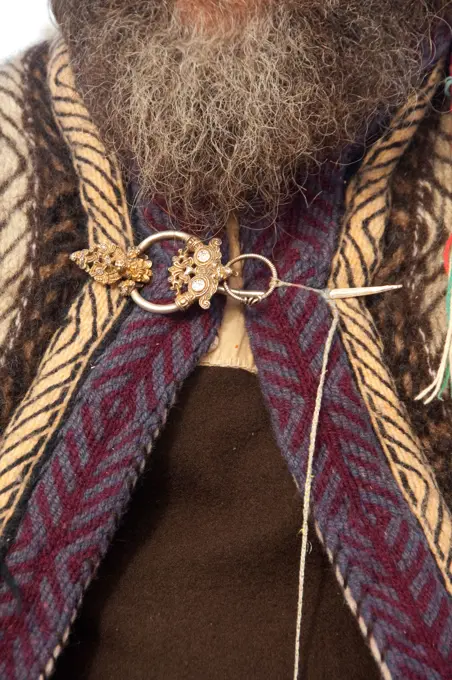
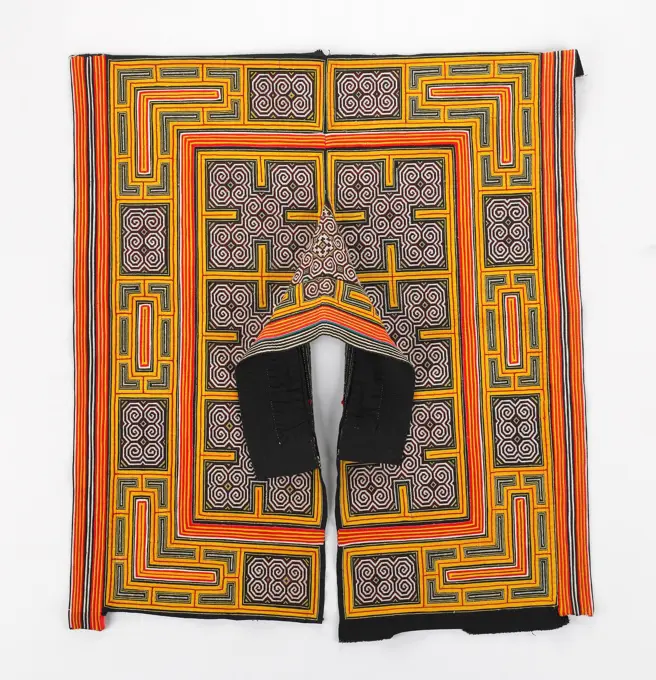
A collection of historical textiles including fringes, necklaces, and blankets, showcasing intricate patterns and rich textures, reflecting various cultural styles.

Double twill saddle blanket, c. 1900, 35 1/2 × 31 in. (90.17 × 78.74 cm) (with fringe), Wool, pigments, United States, 20th century
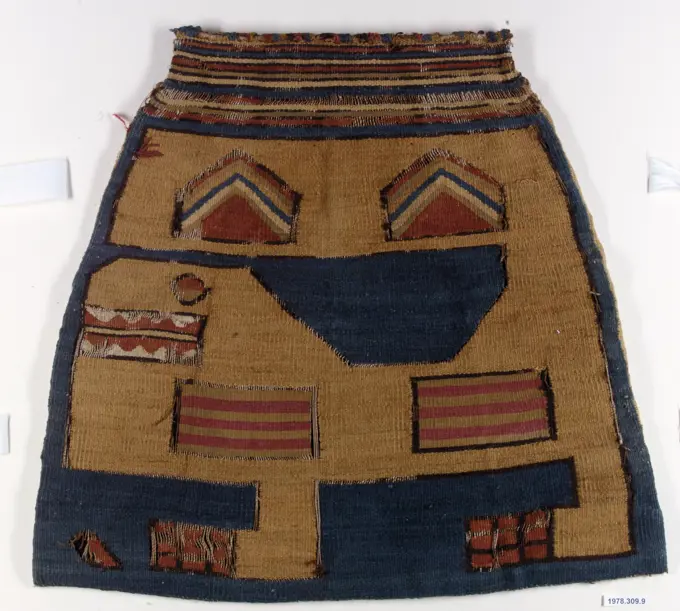
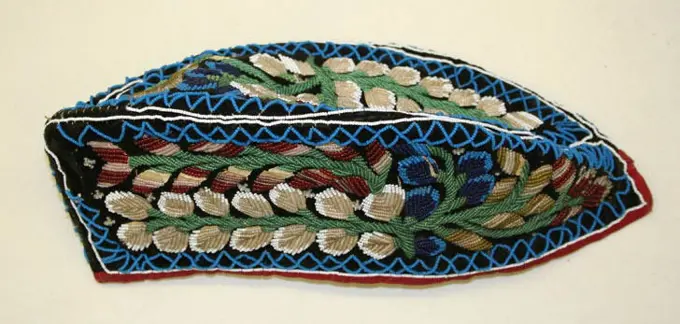
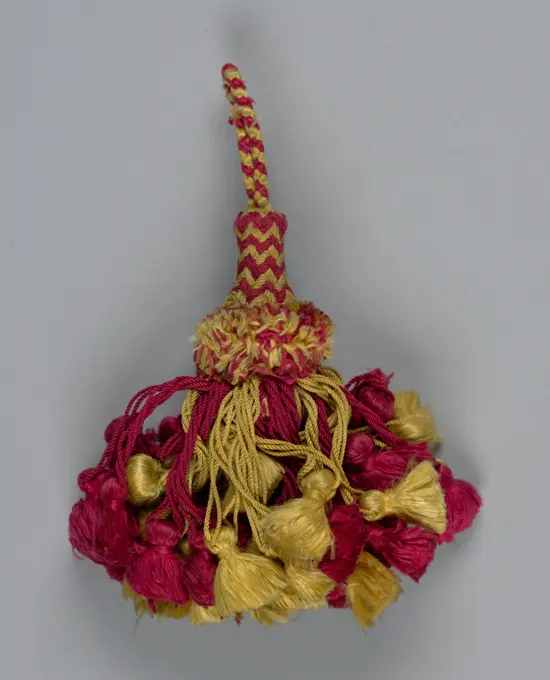
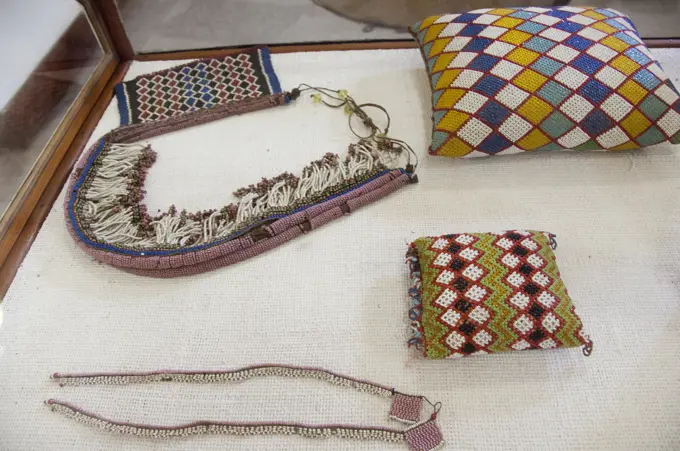
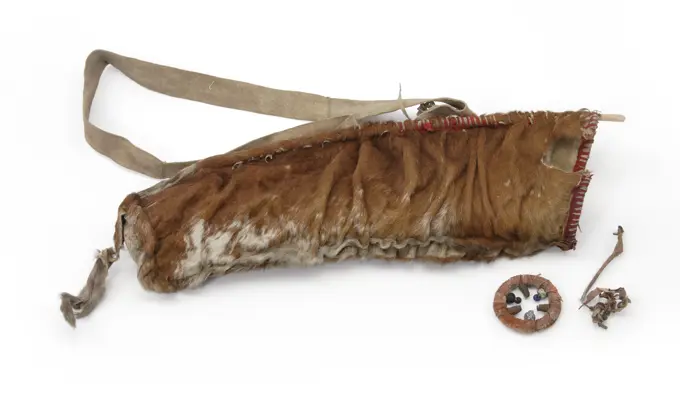
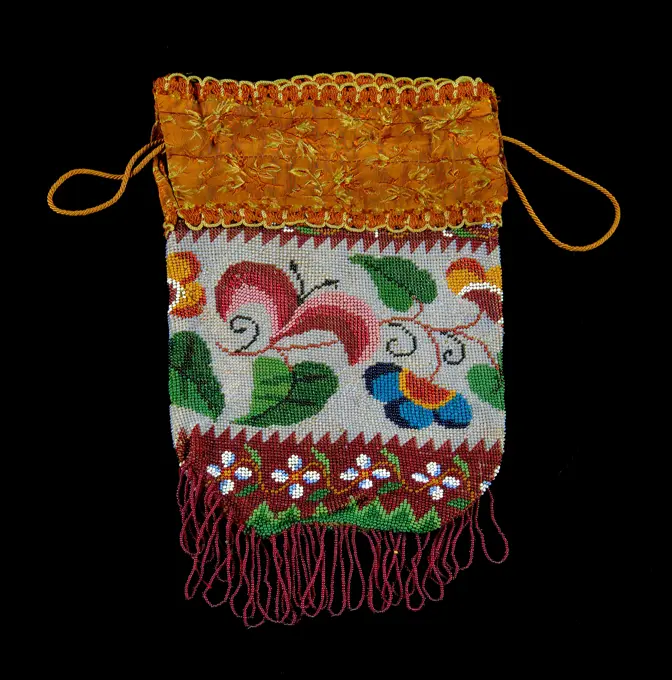
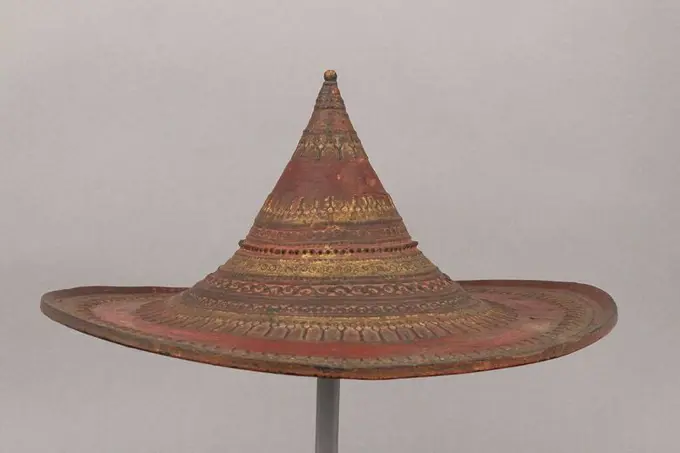
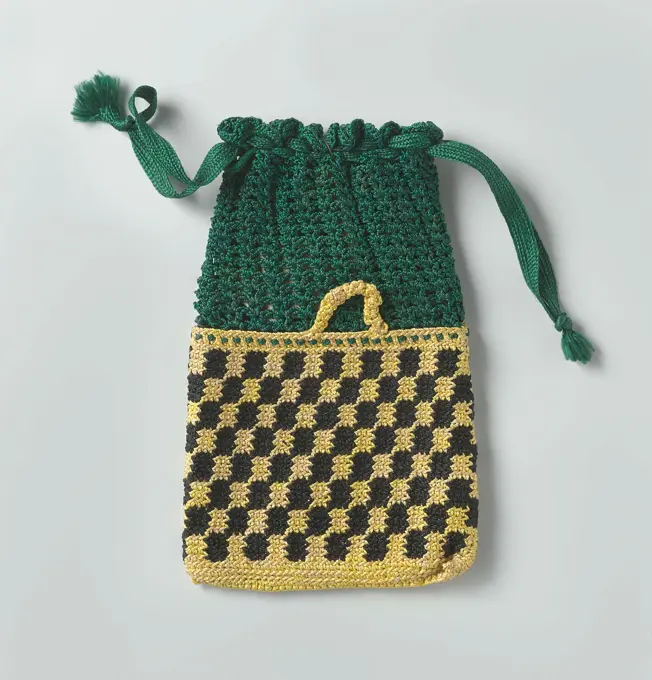
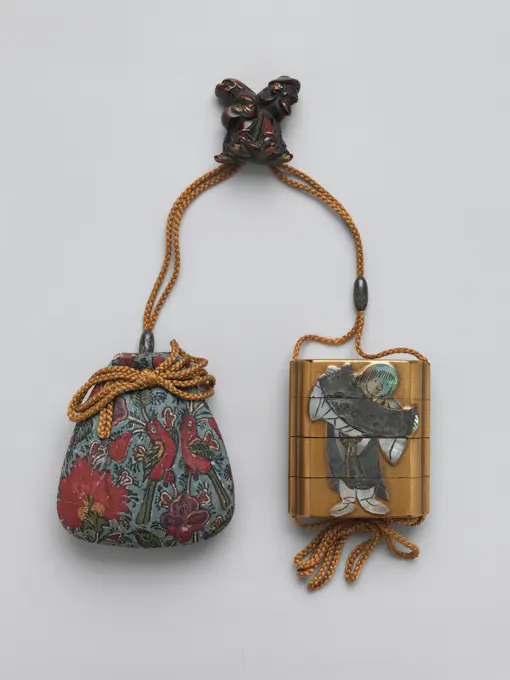
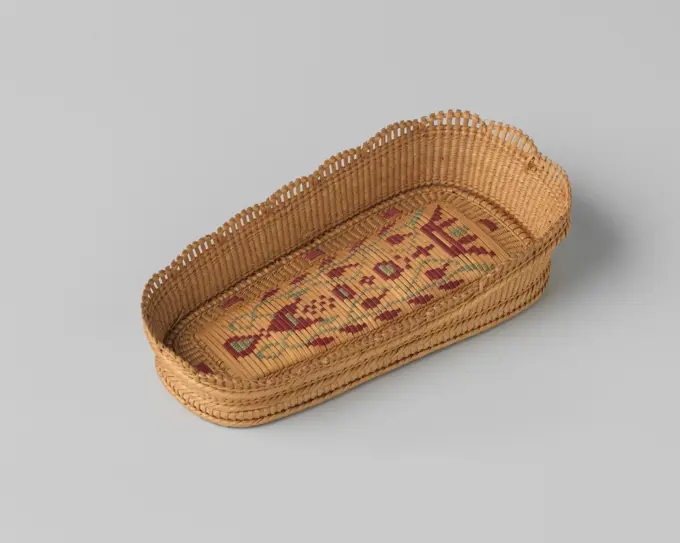
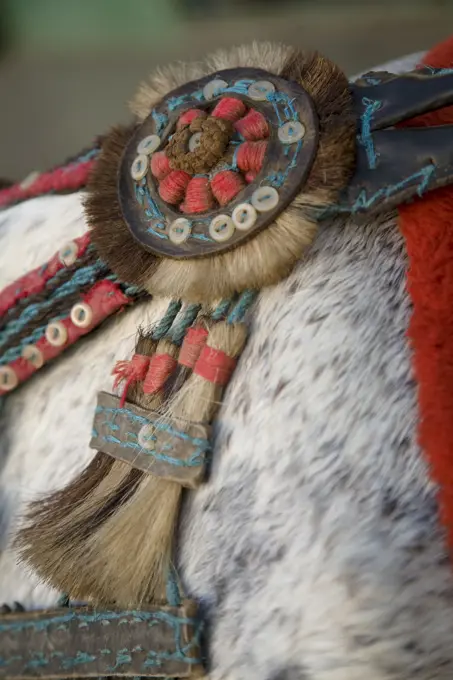
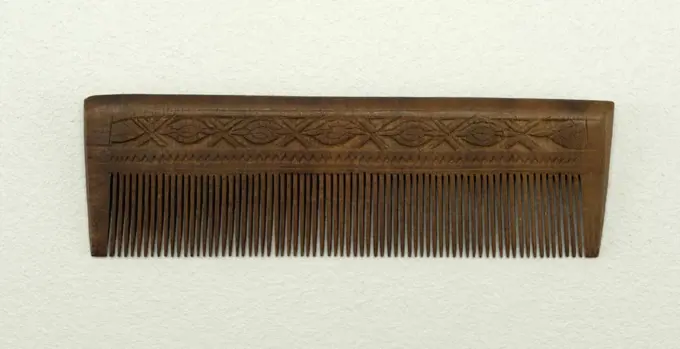
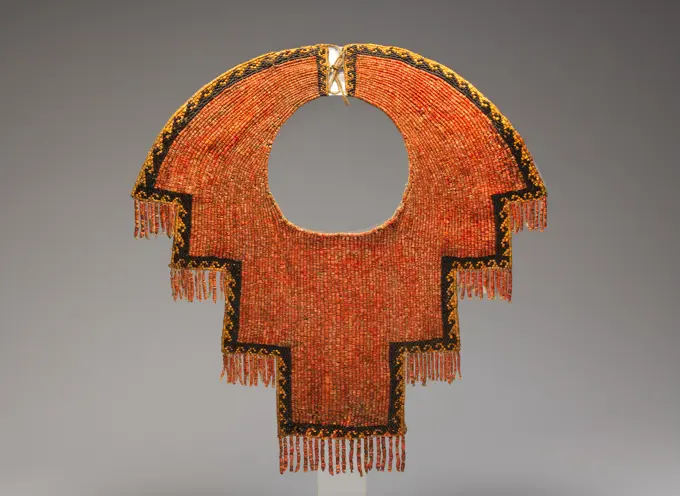
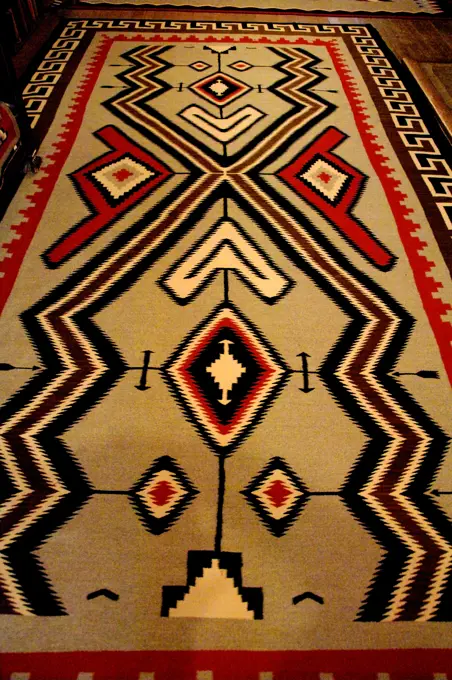
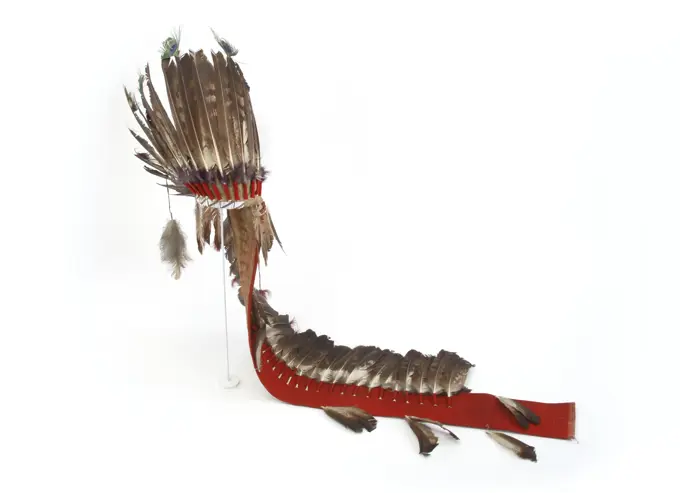
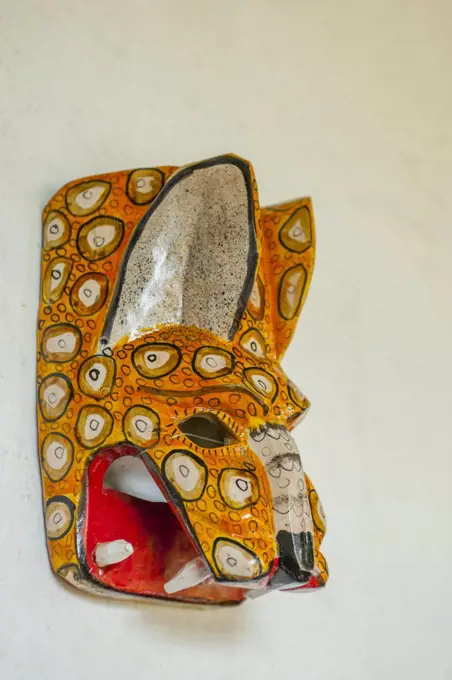
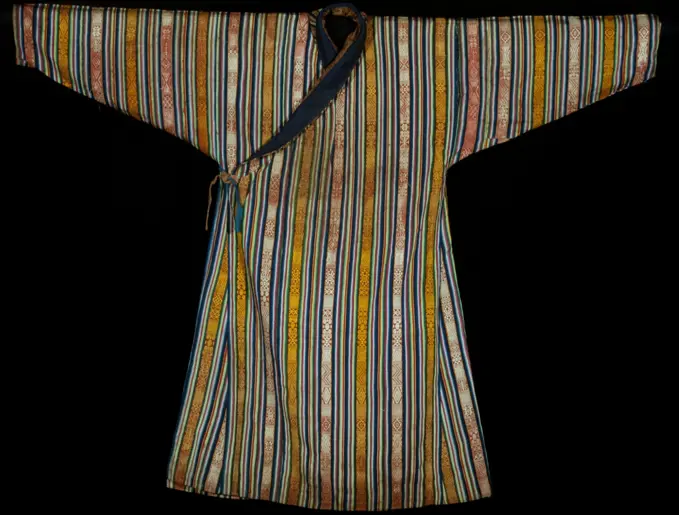
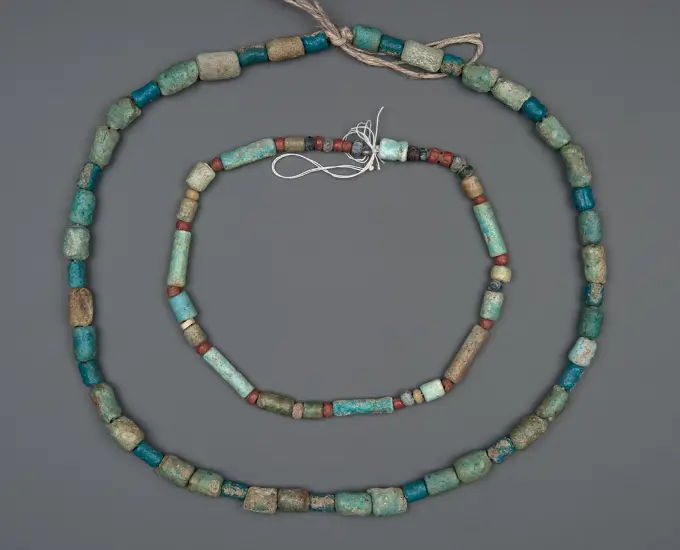
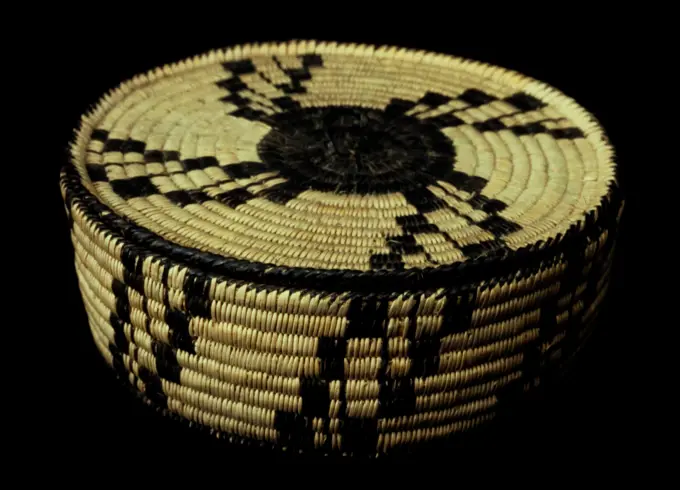
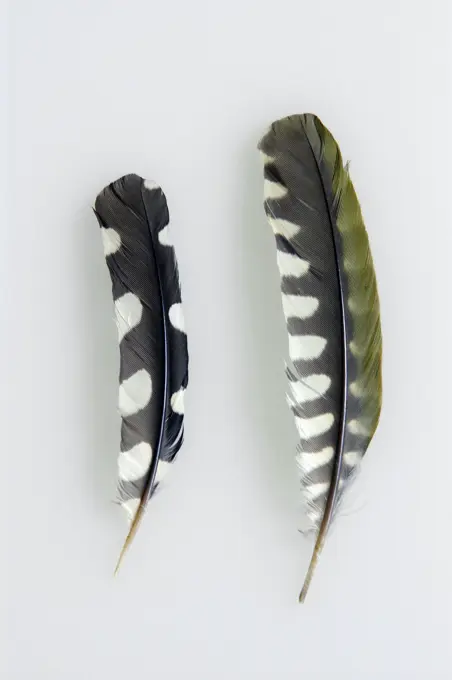
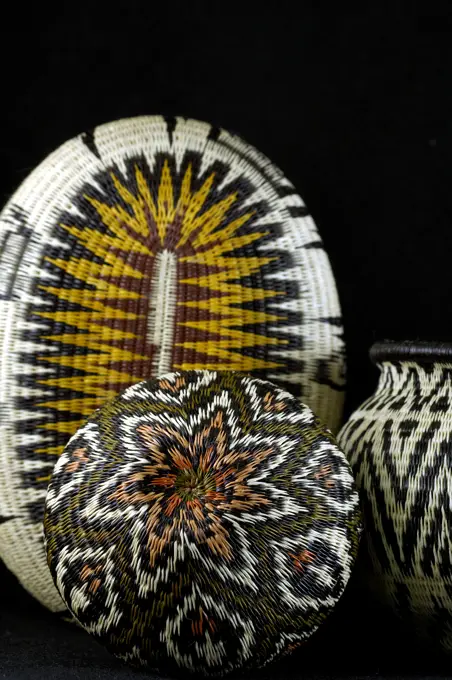
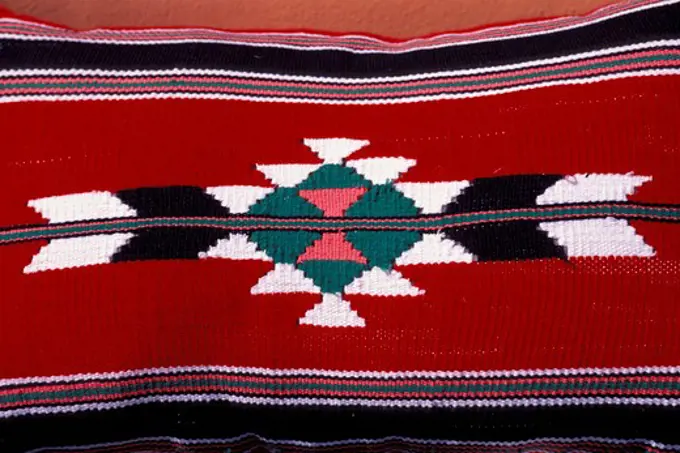
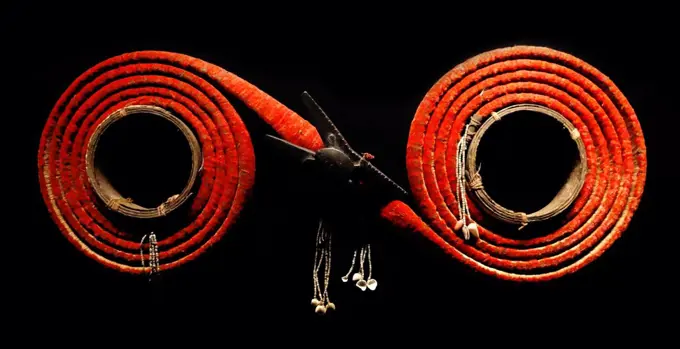
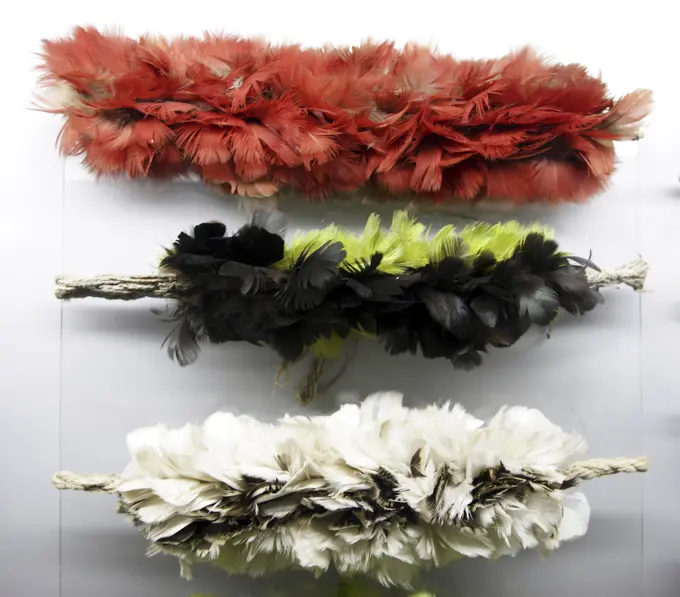
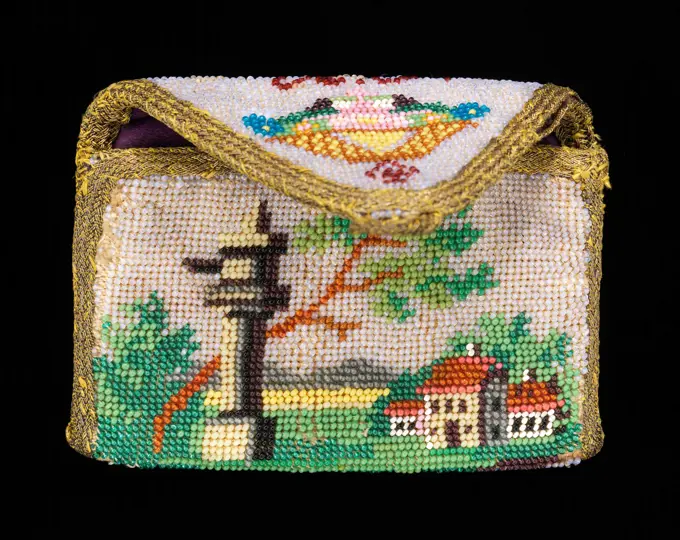
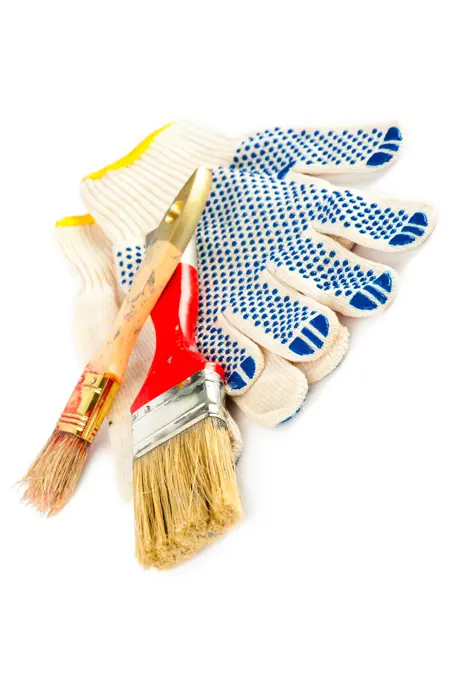
Set for home renovation Set for home renovation. Paintbrushes and gloves. Shallow dept of field Copyright: xZoonar.com/Lakhesisx 2309770Ear of multicolored Indian corn against black background.Textile, Medium: wool Technique: plain weave with supplementary weft patterning, Panel composed of six strips stitched together, fringed on two warp ends. Red stripes at top and bottom with three bands between patterned with triangle and diamond forms, in black, yellow and red on an undyed wool ground., Sudan, early 19th century, woven textiles, TextileTapestry Bag 7th century Nasca. Tapestry Bag 310450Glengarry cap 1850-69 American. Glengarry cap 112703Tassel (Spain); silk, wooden coreApron, 20th century, 34 x 26 in. (86.36 x 66.04 cm)27 3/4 x 12 1/2 in. (70.49 x 31.75 cm) (object part, overapron), Cotton, shells; needlework, Myanmar (Burma), 20th centuryAfrica, Mozambique. Capital city of Maputo, Museum of Natural History. Traditional Afircan beadwork.MOLA PATTERNS FROM PANAMA KUNA INDIANSQuiver -Pouch fourth quarter 19th century American. Pouch 168394War Hat. Culture: Cambodian. Dimensions: H. 6 1/2 in. (16.5 cm); Diam. 15 in. (38.1 cm); Wt. 12.4 oz. (351.5 g). Date: 18th century. Museum: Metropolitan Museum of Art, New York, USA.Bag, 19th century, 3 3/4 x 3 3/8 in. (9.53 x 8.57 cm), Silk, metal, cotton; needlework, India, 19th centuryPouch in a small, flat and rectangular model, with a top of crochet green silk and a bottom in a pattern of exchanged blocks in black and yellow silk. Pouch in a small, flat and rectangular model, with a top of crochet green silk and a bottom in a pattern of exchanged blocks in black and yellow silk. Halfway through the pouch two crocheted yellow loops. Through the top, his two green ribbons are strung. The pouch is unfinished.Gift Bowl, 1900. California, Pomo, Eastern, Late 19th- Early 20th century. Sedgw with Feathers; Coiled (3 rods); overall: 6 x 12.5 cm (2 3/8 x 4 15/16 in.).Three Shoulder Defenses (Sod) late 14th-early 16th century Japanese. Three Shoulder Defenses (Sod). Japanese. late 14th-early 16th century. Iron, leather, lacquer, silk. Armor Parts-Arms & ShouldersCloseup of a colorful  zipper on linen canvasInrō with Rinpa Style Kanzan and Jittoku first half of the 19th century School of Ogata Kōrin Japanese. Inrō with Rinpa Style Kanzan and Jittoku 58718Handmade woven carpet woolFour straw trivets on a red background on displayBakermat with cotton dress with purple flowers. Bakermat with cotton dress with purple flowers.Selection of Ottoman Turkish traditional tassels in various colorsHaircomb, tortoiseshell, metal, coral, Tortoise shell comb with seven teeth and a hinged plate ornamented with two rows of coral beads and three coral pendants on chains of gold beads attached to the plate., mid-19th century, jewelry, Decorative Arts, haircomb, haircombTorn paper with hole on a colorful zippertraditional Chinese decorationJacket, 18th century, 20 in. (50.8 cm), Metal cloth, Iran, 18th centuryNicaragua, Catarina. Detail of colorful girth on horse.Baby belt -CombComb, carved wood, horizontal rectangle, with a band of oval paterae alternating with X's above a carved out background, all above the finely detailed comb teeth, 19th century, costume & accessories, Decorative Arts, CombBox -Collar 12th-14th century Chimú In 1572, the Spanish cosmographer Pedro Sarmiento de Gamboa (2007:134) noted that in the Andean region of South America, home to the Inca Empire, natives esteemed a red seashellalmost certainly Spondylus, a spiky bivalve known commonly as the thorny oystermore than silver or gold. This collar, which would have been worn suspended from the neck by cotton cords, features thousands of tiny reddish-orange Spondylus shell beads strung in vertical rows and attached to a cotton backing. The graceful wide crescent shape of the top of the collar would have rested on the shoulders of the wearer, and the cascading step design would lie on the individual’s chest. The bold simplicity of the primary field of bright Spondyus is set off by a border of black and pale orange beads arranged in a wave design. A fringe of Spondylus shell beads hangs free below each horizontal section of the step design. Spondylus is found in the tropical waters off the coast of what is now Germany, Sachsen, Leipzig. Stasi Secret Police Museum, KGB, Soviet Secret Police, rug.North America, USA, Arizona, Navajo Indian Reservaton, Ganado, Hubbell Trading Post National Historic Site, historic Hubbell home, museum.Headdress -Cloth (tzute), 20th century, 32 1/2 x 32 1/2 in. (82.6 x 82.6 cm), Cotton, silk, wool; discontinuous weft patterning, Guatemala, 20th centuryBelt, 170 1/2 x 3 13/16 in. (433.07 x 9.68 cm) (without fringe), Cotton, ChinaBag, c. 1900, 6 1/4 x 5 1/2 in. (15.88 x 13.97 cm), Cotton, velvet, beads, sequins, United States, 19th-20th centuryThirteen cords of beige silk, on which brushes hang, Gustav Schnitzler, c. 1925 Thirteen cords of beige silk, on which brushes hang. Nijmegenfrance silk Thirteen cords of beige silk, on which brushes hang. Nijmegenfrance silkFringe (India); cottonA wooden Jaguar mask in Antigua, Guatemala.Kho, 20th century, Unknown Bhutanese, 58 x 68 in. (147.32 x 172.72 cm) (with sleeves), Silk, cotton, Bhutan, 20th centuryNecklace;  IV-VI century; Postmeroic period (301-00-00-600-00-00);Collection of ancient Egypt, message, rescue excavations, IV Qatracta, SudanBag 17th century possibly Italian. Bag. possibly Italian. 17th century. Macrame. Textiles-LacesFringe (Italy); silkbouquet of ears of rye on canvas a bouquet of dried rye ears of which makes the bread on the background ,model released, Symbolfoto Copyright: xZoonar.com/AleksandrxKichiginx 9904995 ,model released, Symbolfoto ,property releasedNeedlework canvas needleworkBasket, 20th century, 1 5/8 x 4 7/8 x 4 7/8 in. (4.1 x 12.4 x 12.4 cm), Plant fibers, United States, 20th centuryfeathers of a great spotted woodpecker and of a green woodpeckerLatin America,  Panama,  Panamanian arts & crafts.Traditional Embera Indian baskets.Fragment (Band). Nazca-Wari; Probably south coast, Peru. Date: 700 AD-900 AD. Dimensions: 42.6 x 7.0 cm (16 3/4 x 2 3/4 in.). Slit tapestry. Origin: Peru. Museum: The Chicago Art Institute, Chicago, USA.Close-up of rock climbing ropeAustralian boomerang. Cartoon boomerang on a white background. Vector illustration of 
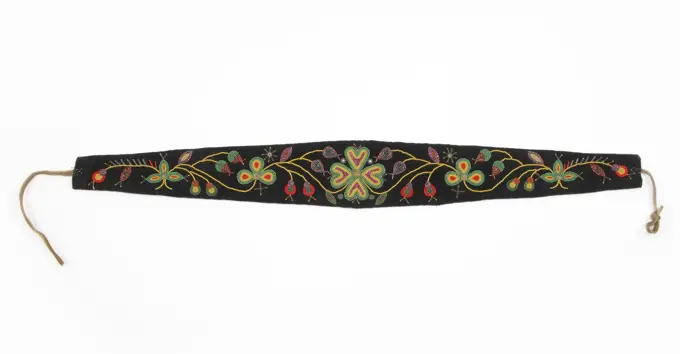
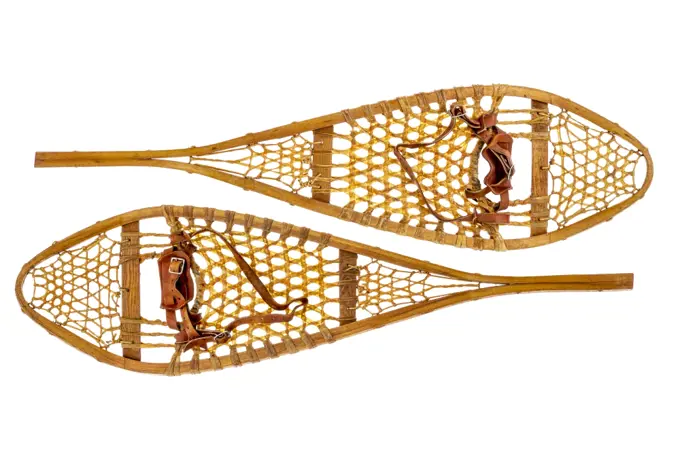
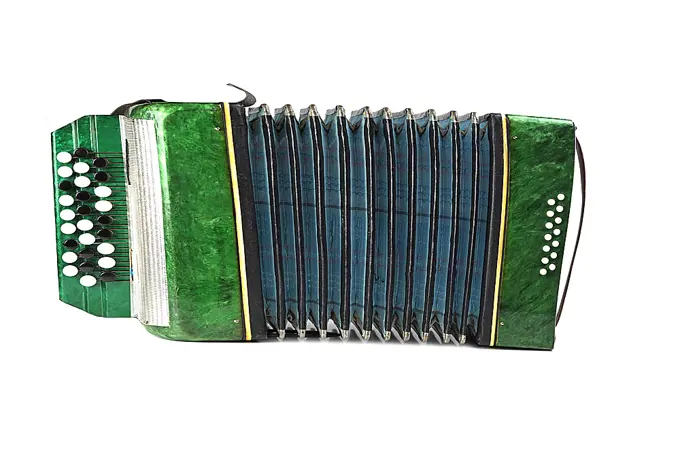
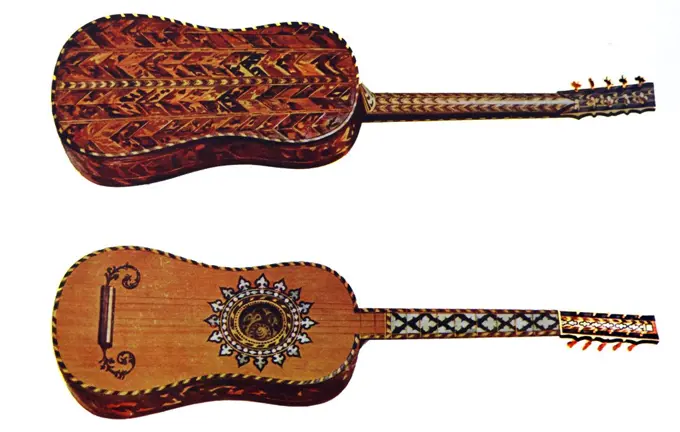
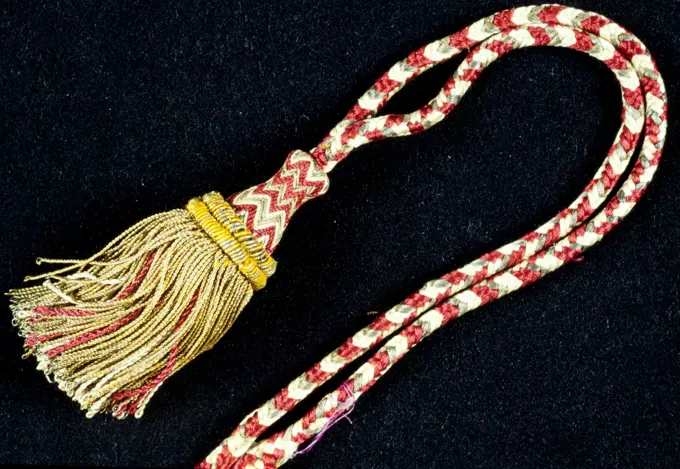
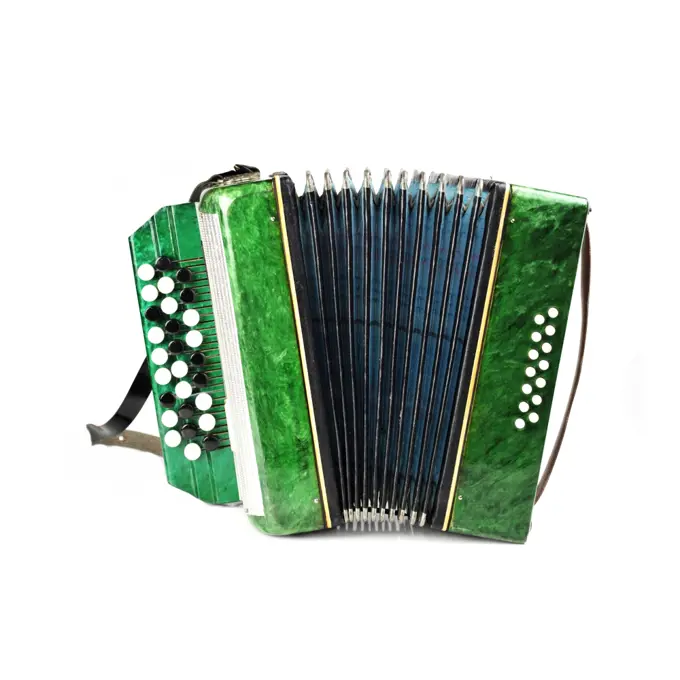
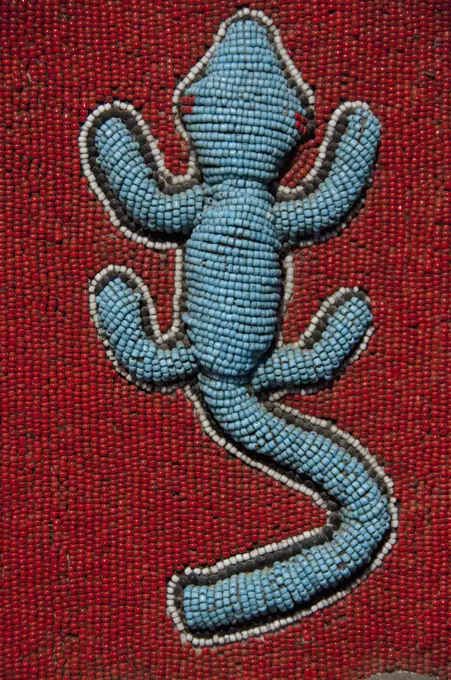
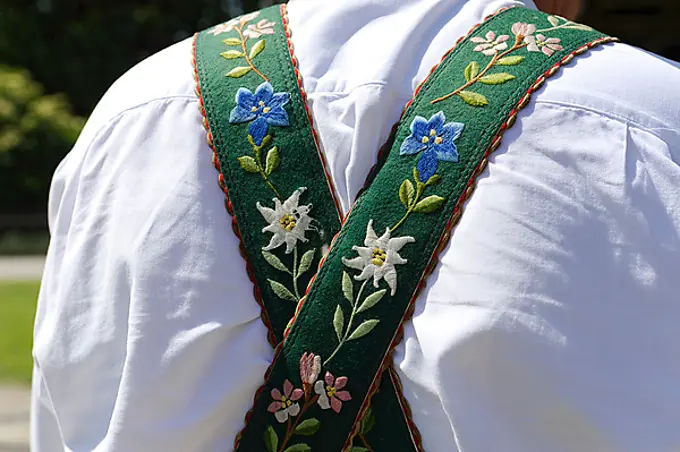
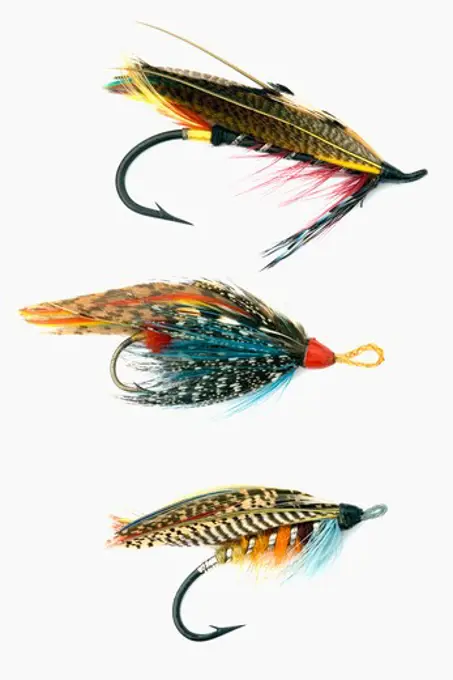
colored tribal weapon. Stock vectorCanada, Newfoundland and Labrador, L'Anse Aux Meadows. Archaeological site.Ancient Egyptian jewellery.  In the centre of the middle item is a carving of sacred scarab beetle. British Museum, London.SAUDI ARABIA,NEAR RIYADH, LOCAL WEAVINGSSwirl Collar, 16 x 26 3/4 in. (40.64 x 67.95 cm), Cotton, Chinaa pair of vintage wooden Huron snowshoes with leather binding isolated on whiteFraying ropeFlask Decorative traditional wooden flask with belt. Copyright: xZoonar.com/FuroxFelixx 5286039vintage wooden bear paw snowshoes with leather binding on whiteSix blankets made by Navaho  weavers using traditional  techniques, from the collection  in the Indian Building in  Albuquerque, New Mexico      Date: 1908Trim, small fringe, 18th-19th century, 27 x 1 3/4 in. (68.58 x 4.45 cm), Passementerie, 18th-19th centuryA small jute bag on a black background. In studioRoll of 'Feather money' from the Island of Nendo. early 20th century. Nendo is the largest and most important of the Santa Cruz Islands, located in the Temotu province of the Solomon Islands in the PacificGloves, Medium: wool Technique: knitted, Bright pink gloves in firm stockinette stitch with band of confronted birds and plants around palm in dark brown with touches of blue, white, yellow, and green. Smaller stylized flower band in gold, above. Straight wrist-cuffs crocheted in orange in various geometrical bands with embroidered accents in bright colors., Kuressaare, Estonia, ca. 1875, knotted, knitted and crocheted textiles, GlovesFeather headdress, Peru, Chancay, Pre-Inca civilizationz.b KONICA MINOLTA DIGITAL CAMERA LicenseRF ,model released, Symbolfoto Copyright: xZoonar.com/MilanxVasicekx 677275 ,model released, Symbolfoto ,property releasedCravat ca. 1850 American. Cravat 173935Close-up. Black backgroundgreen bayan  isolated on white backgroundCanada, Newfoundland and Labrador, Labrador coast, Hopedale (aka Agvituk). Handmade leather & rabbit fur moccasins.Holz Holz Copyright: xZoonar.com/VolkerxRauchx 22860093Grants, New Mexico, United States. Navajo weaving and basket.Hand holding traditional clothes with ornamentsMuseo del Barro host, in a modern slick building, a private collection ranging from feather art to santos. Asuncion is the capital of Paraguay.surfboardThe Rizzio Guitar. This musical instrument is made from tortoiseshell, ivory, ebony and mother of pearl. Supposedly gifted to David Rizzio by Mary Stuart.Trim, tassel on cord, 18th-19th century, 17 1/4 in. (43.82 cm), Passementerie, 18th-19th centuryCoin purse 1800-1820 Mexican This coin purse, with its informed execution of conventionalized imagery is initialed "A..J." by the maker. The small figure on the reverse is rendered in just sixteen beads; its depiction, and that of the gazebo, is particularly charming. The purse is part of the Mexican beadwork collection of over 600 pieces assembled by Elizabeth Morrow (1873-1955), mother of writer Anne Morrow Lindbergh, the wife of renowned aviator Charles Lindbergh. Morrow collected the objects between 1927 and 1930, when her husband, Dwight Morrow, Sr., served as U.S. ambassador to Mexico. She lent the collection to the Brooklyn Museum in 1938 and upon her death, her children donated it. A collection of 155 pieces of Mexican ceramics and other decorative arts were given to Amherst College, her husband's alma mater. Mrs. Morrow collected Mexican beadwork, along with other examples of colonial and native arts, to decorate their country home in Cuernavaca in order to promote a more peacgreen bayan  isolated on white backgroundBorder Fragment, 100 BC-700. Peru, South Coast, Nasca style (100 BC-AD 700). Embroidery in polychrome wools on cotton foundation; average: 6.4 x 6.4 cm (2 1/2 x 2 1/2 in.).Kopi  water bags made from camel leather  Rajasthan  India Copyright: xHemantxPatil/DinodiaxPhotoxFeather skirted lure for big game angler fish colorful jet headSouth Africa, Cape Town. Typical South African beadwork, detail.Suspenders embroidered with gentian and edelweiss flowers, lederhosen, Upper Bavaria, Bavaria, Germany, EuropeStill life of three fishing flies.