Vintage Wooden Chairs

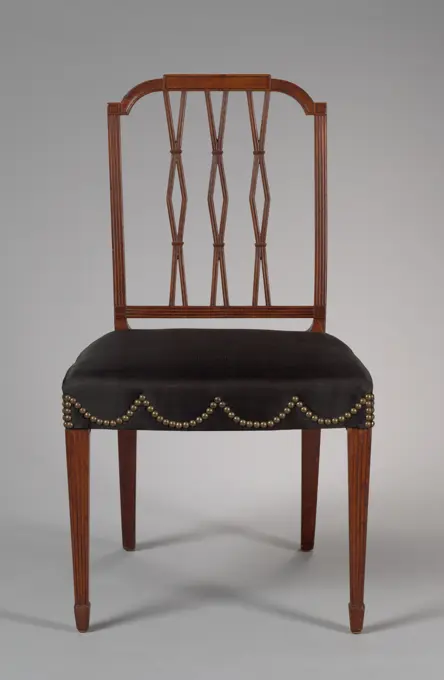
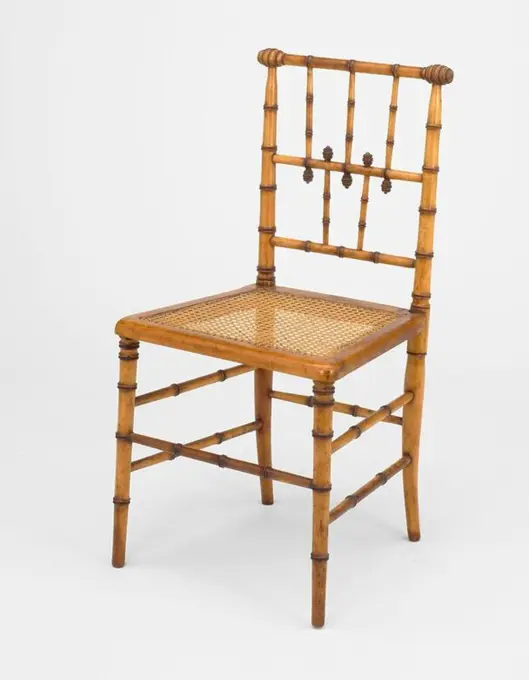
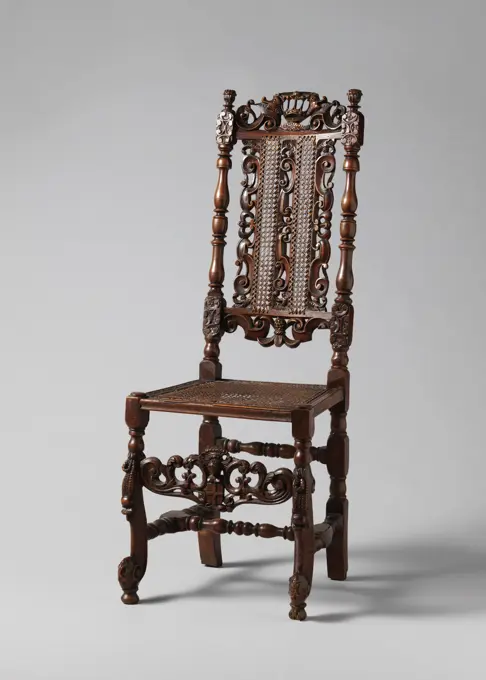
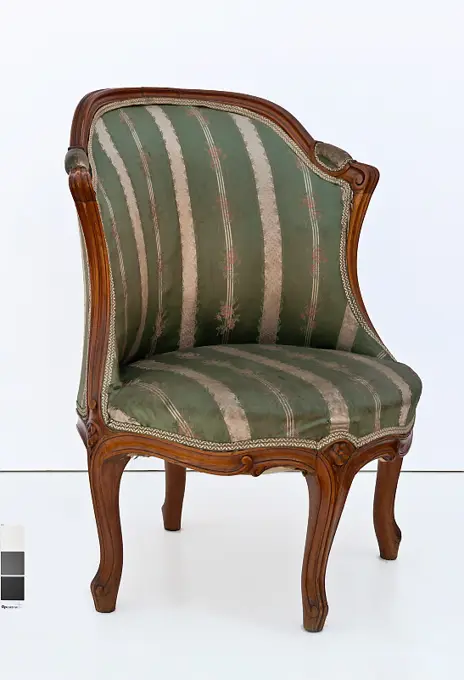
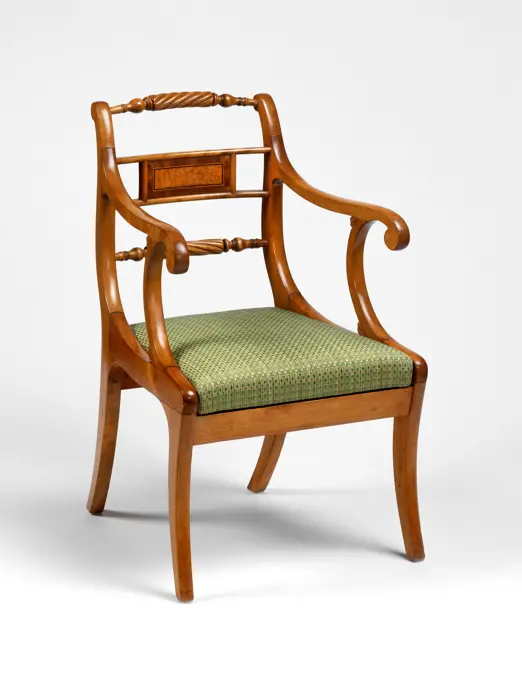
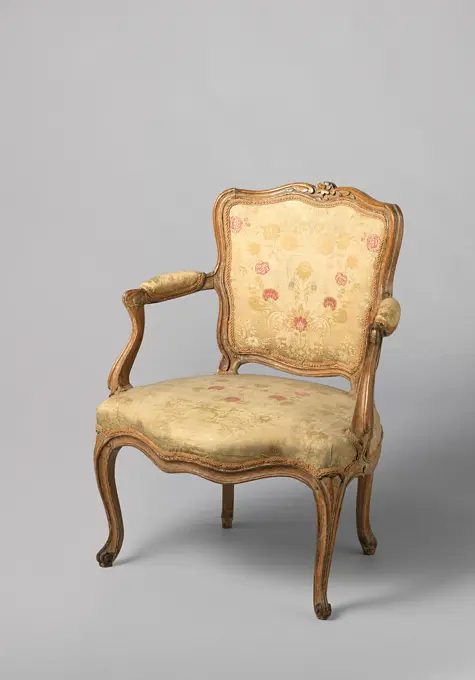
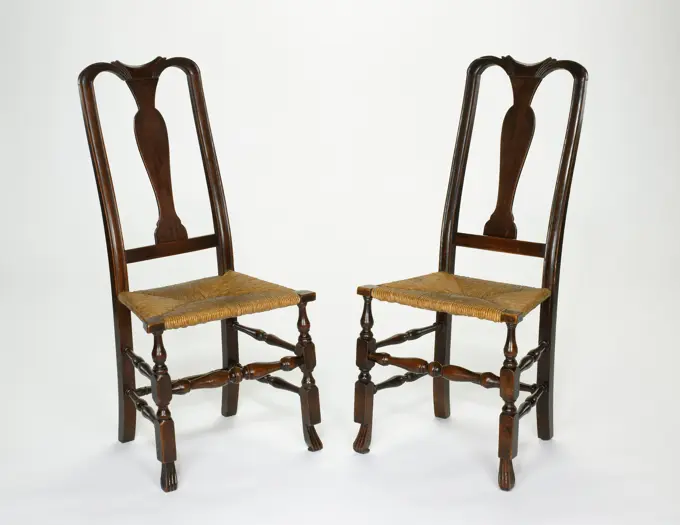
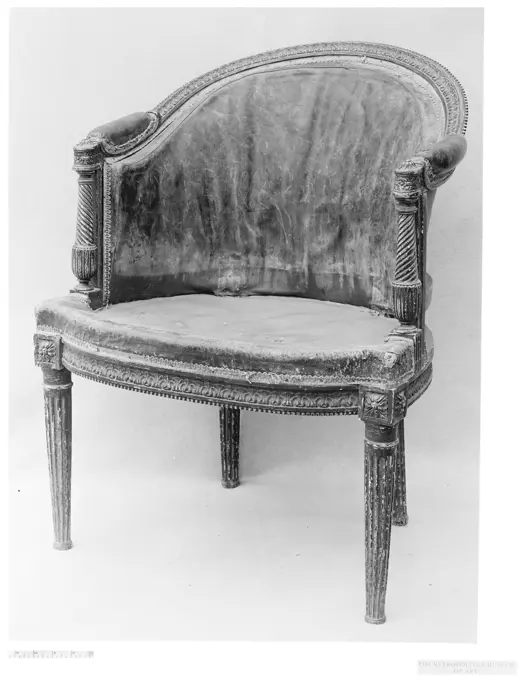
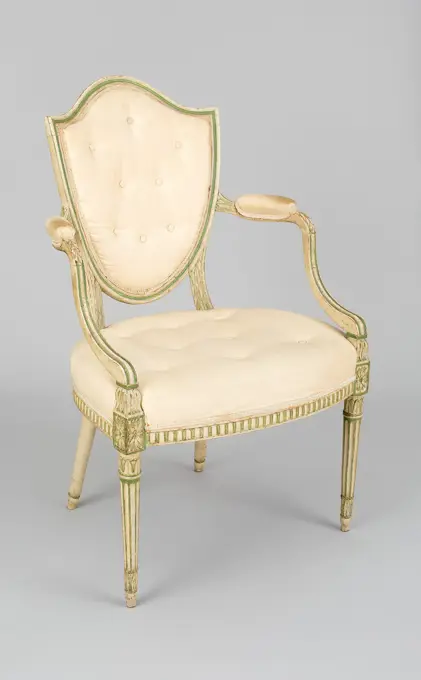
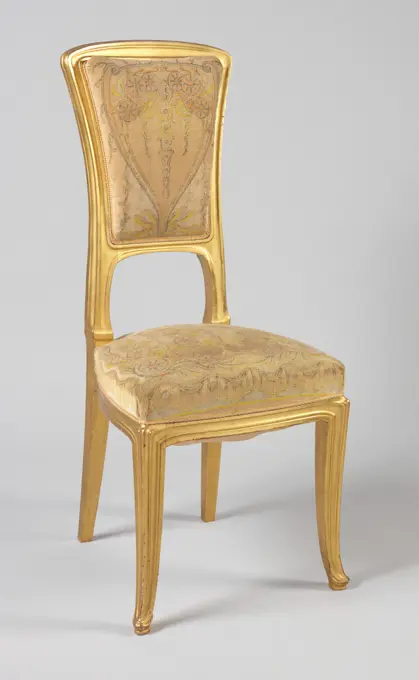
Collection of antique wooden chairs showcasing various styles, upholstery, and craftsmanship, reflecting the elegance of past furniture designs.
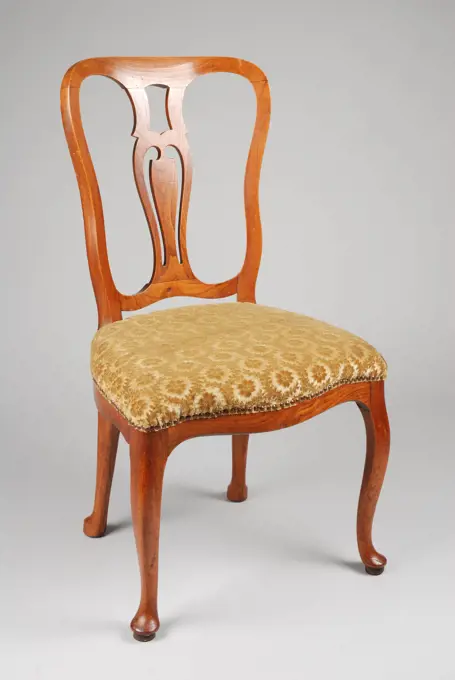
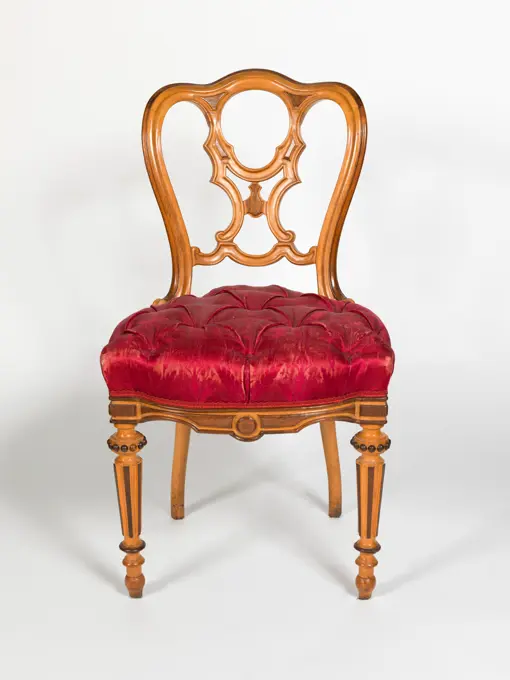
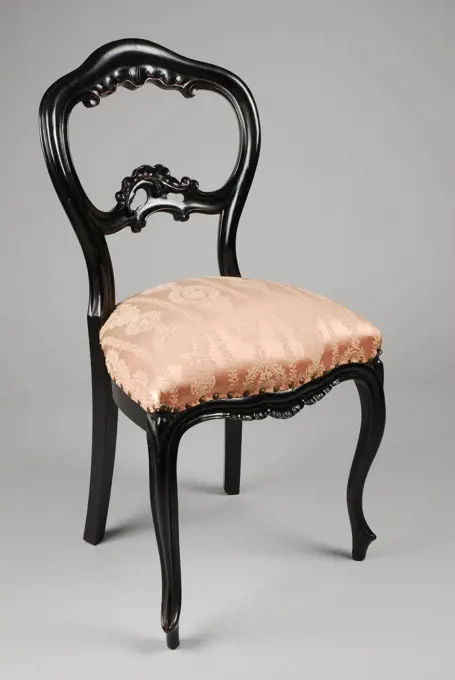
Ebony rococo chair, chair furniture furniture interior design wood elm wood velor, With openwork backrest with rocailles in the back leaf modern green velvet covering rococo
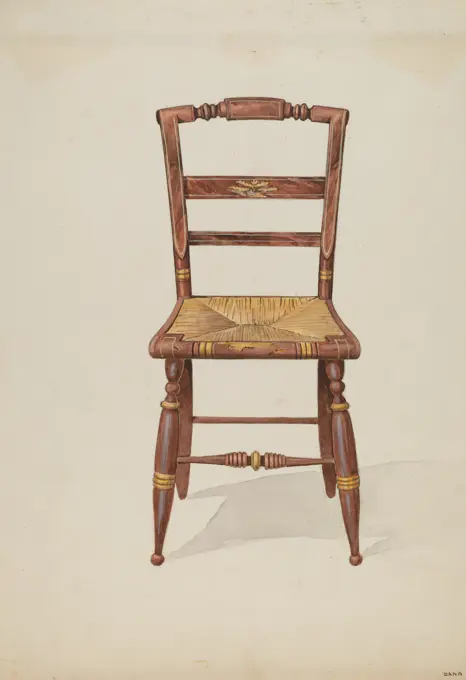
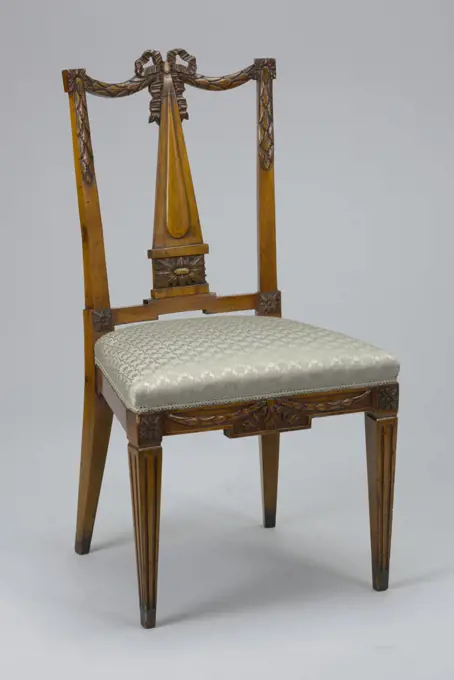
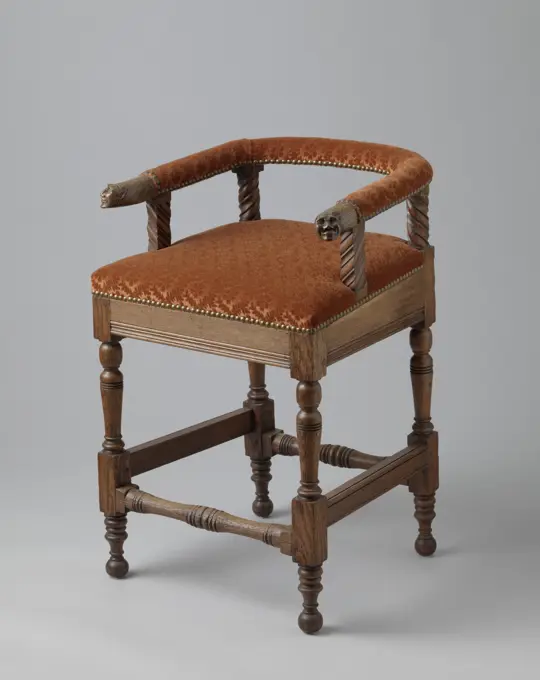
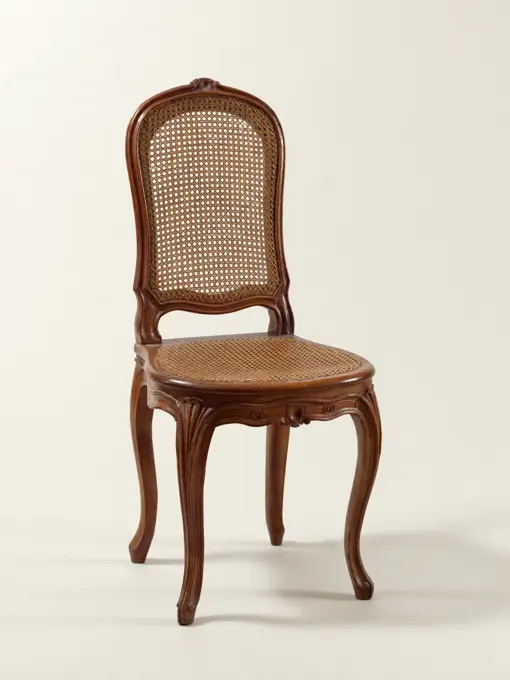
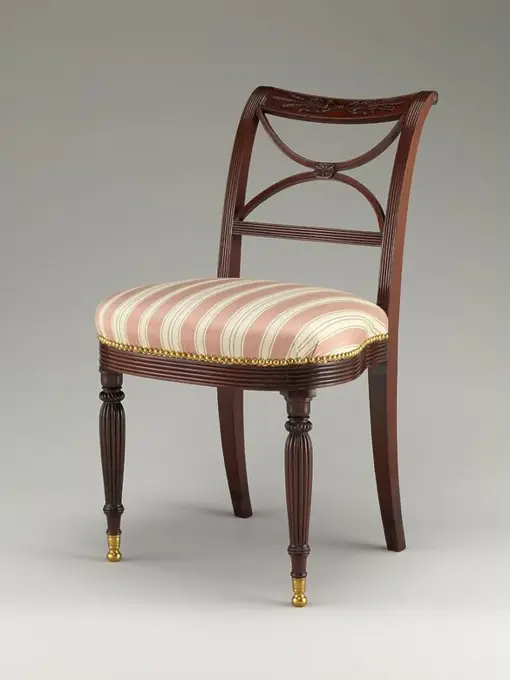
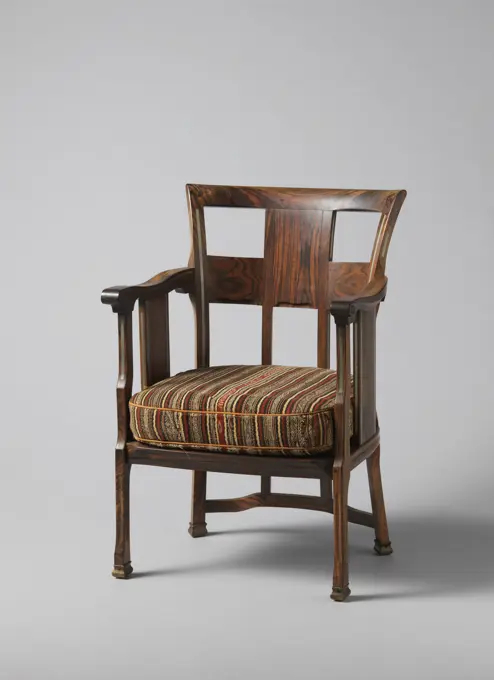
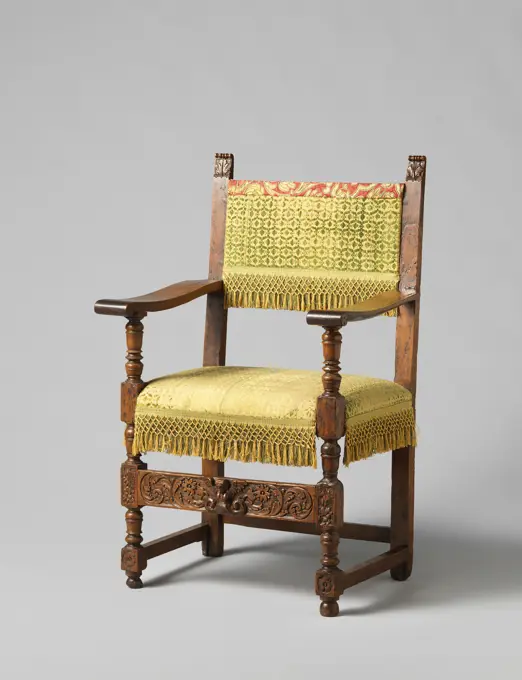
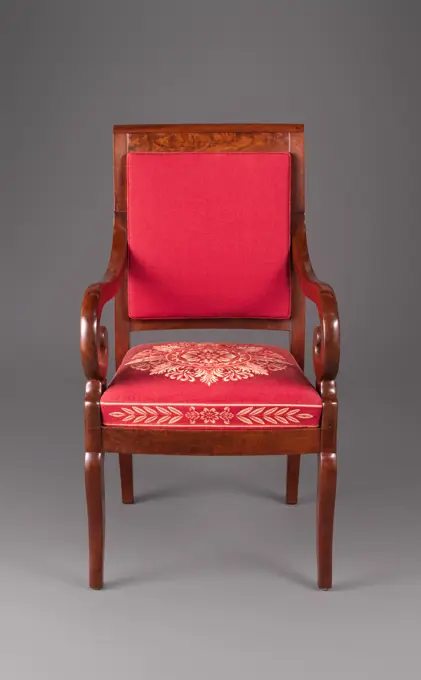
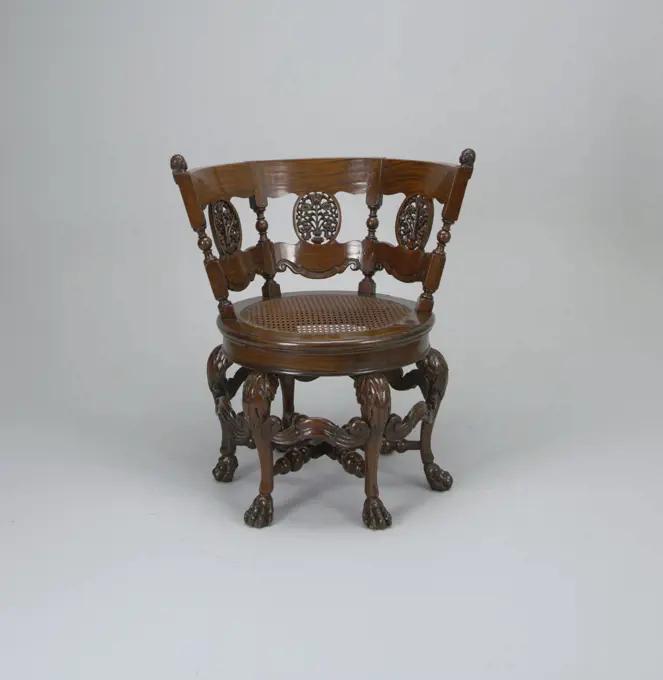
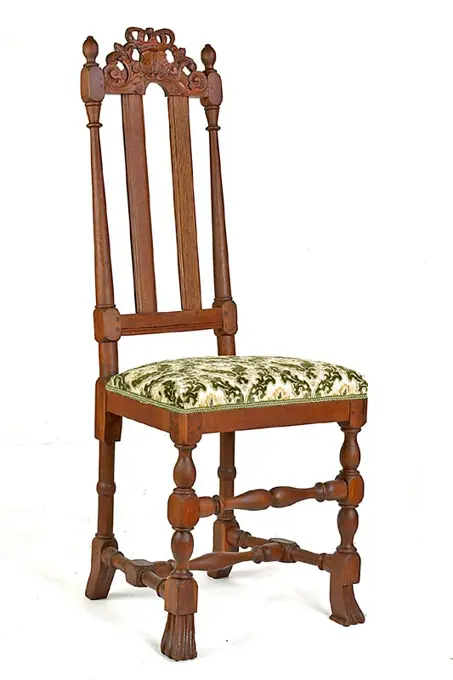
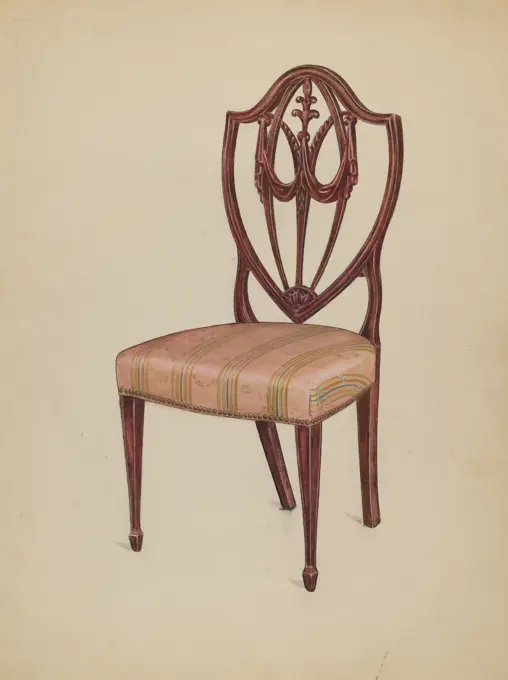
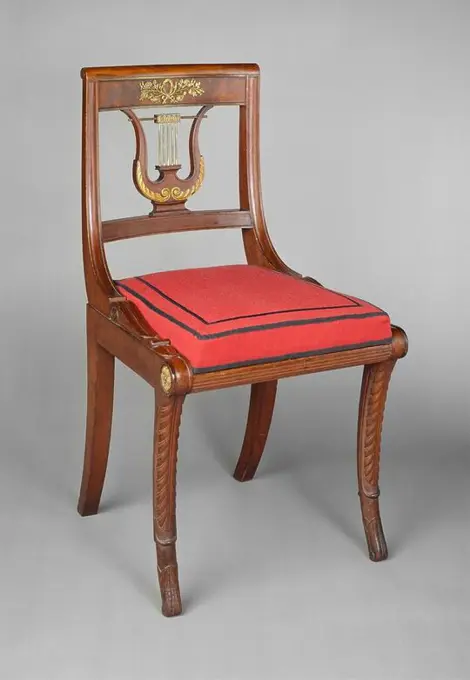
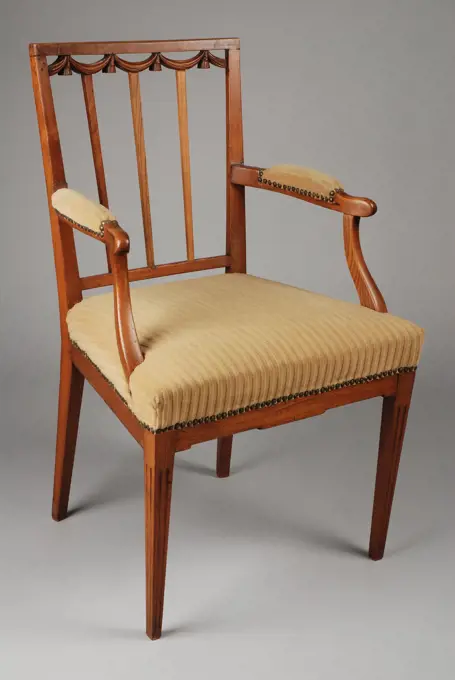
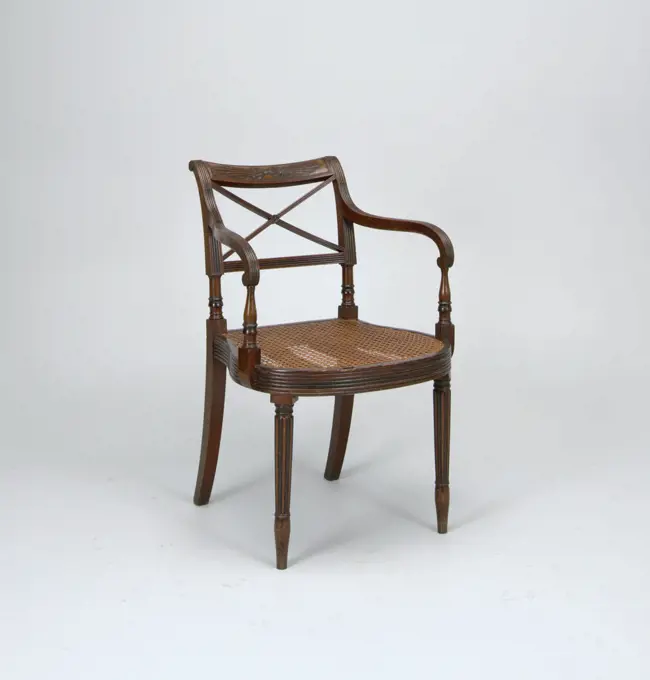
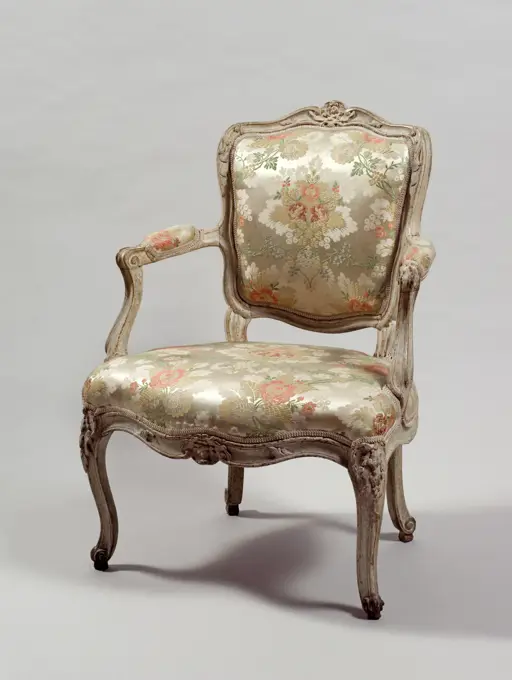
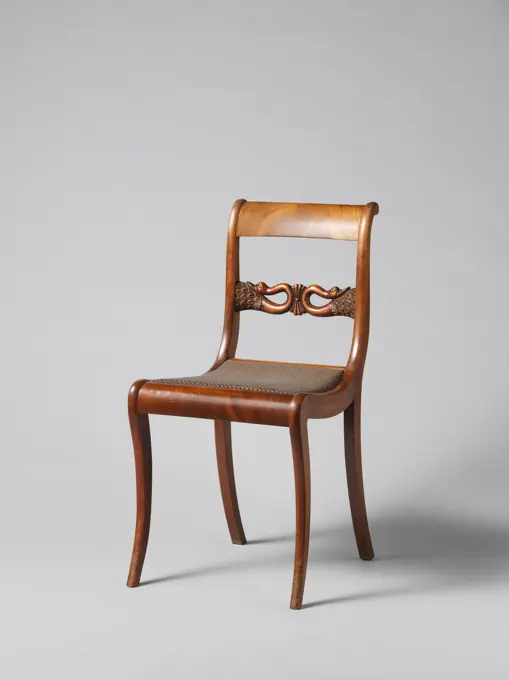
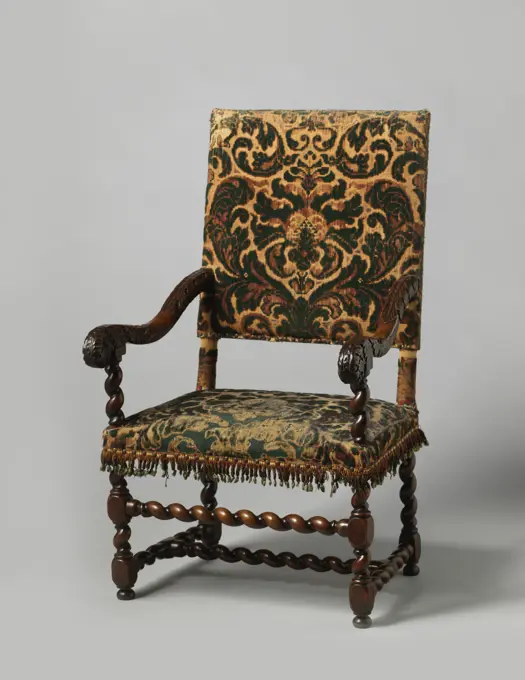
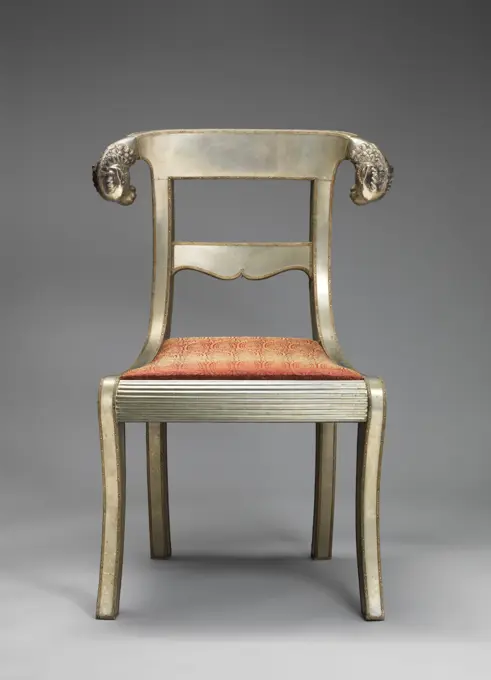
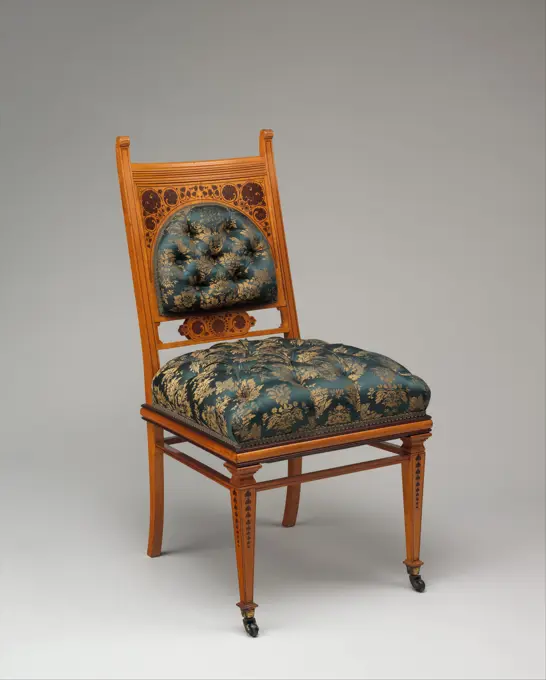
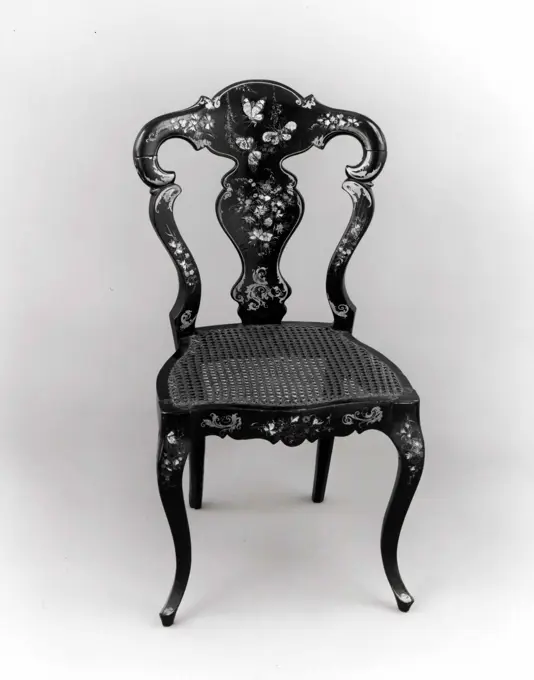
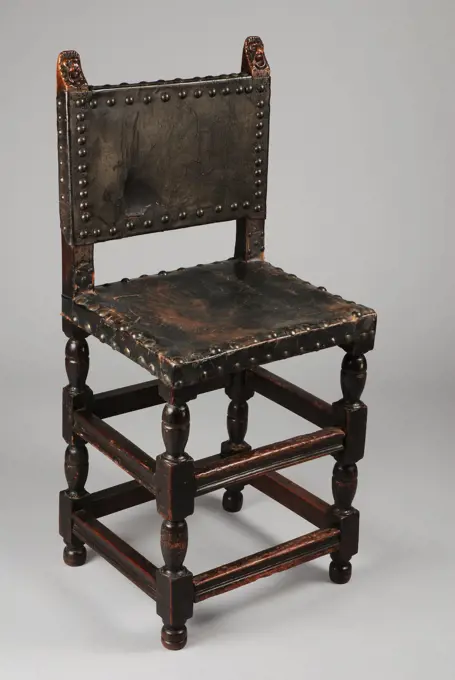
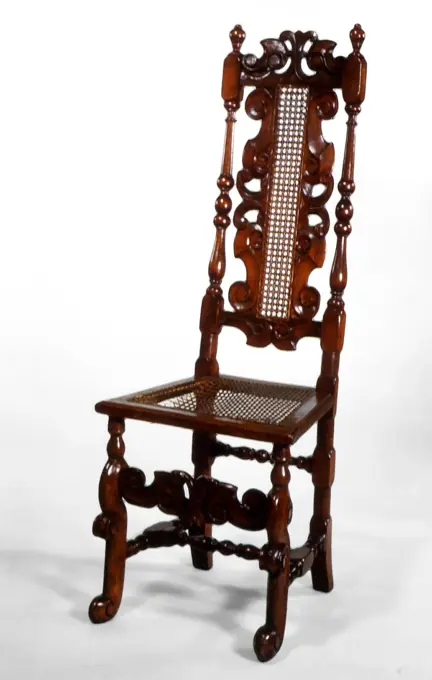
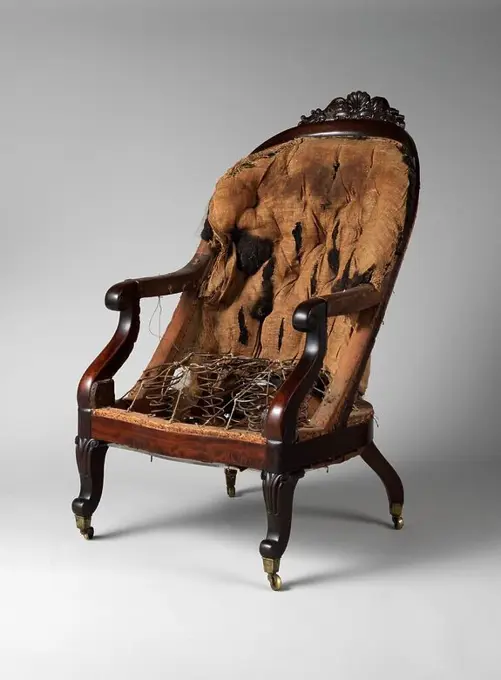
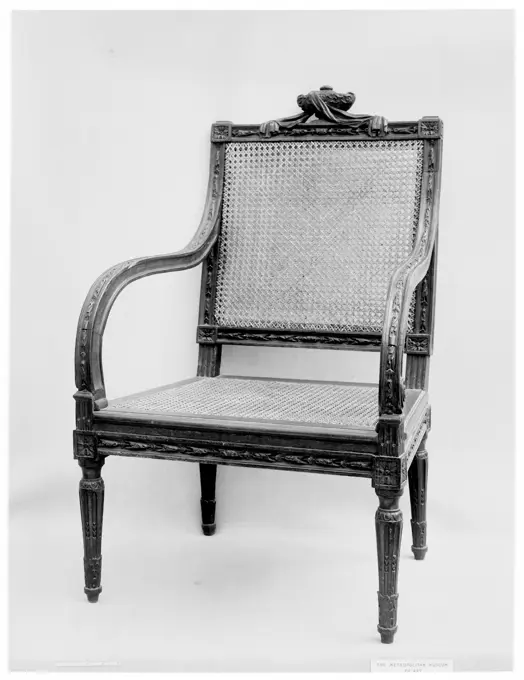
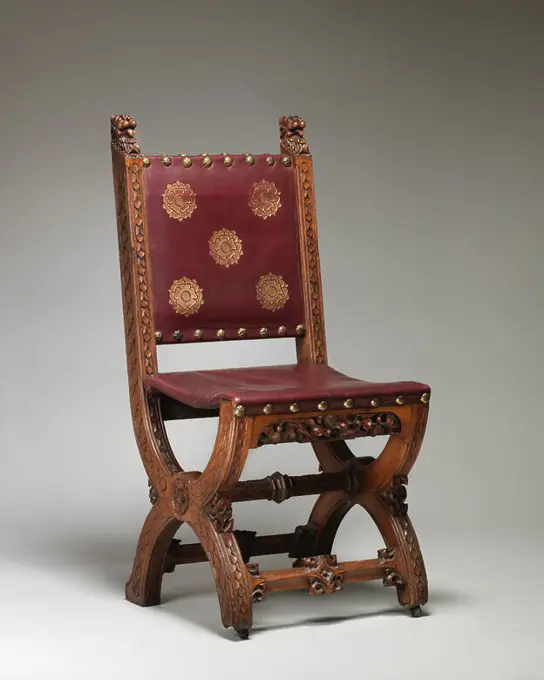
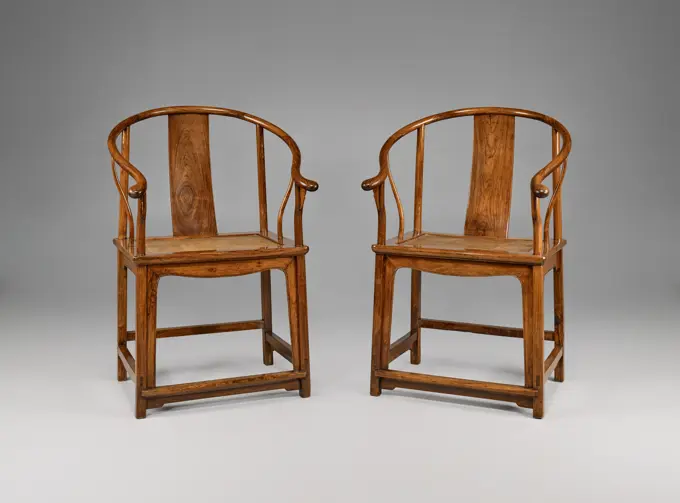
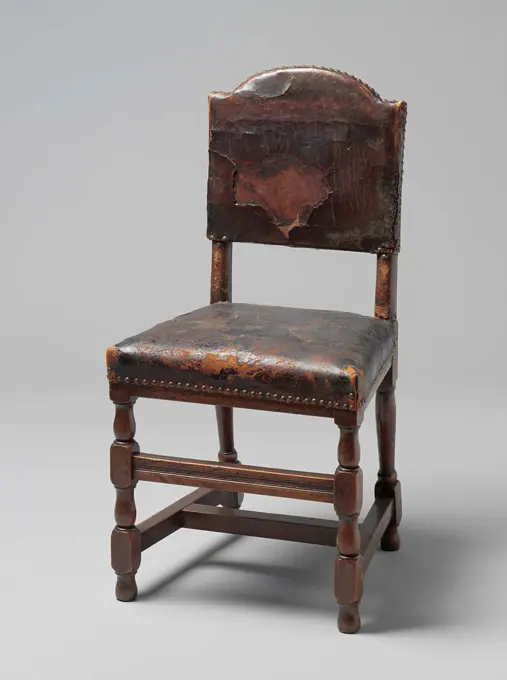
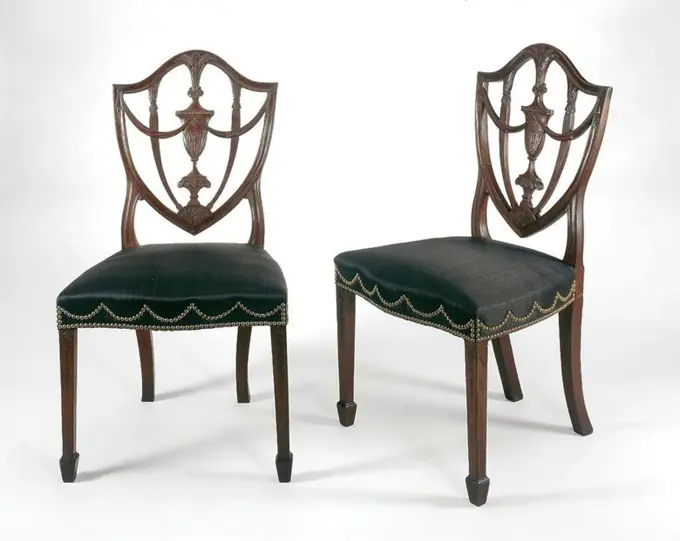
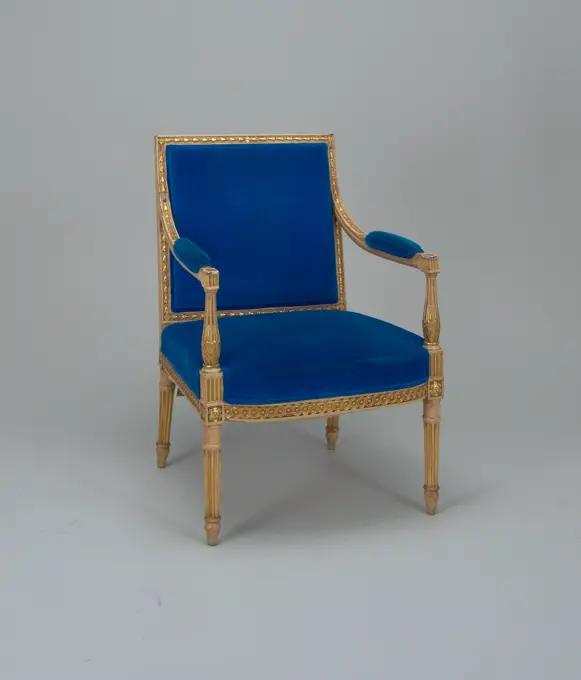
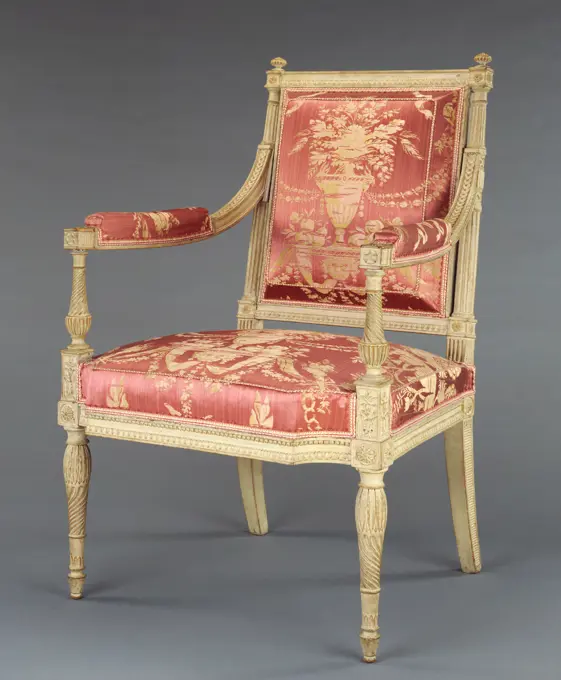
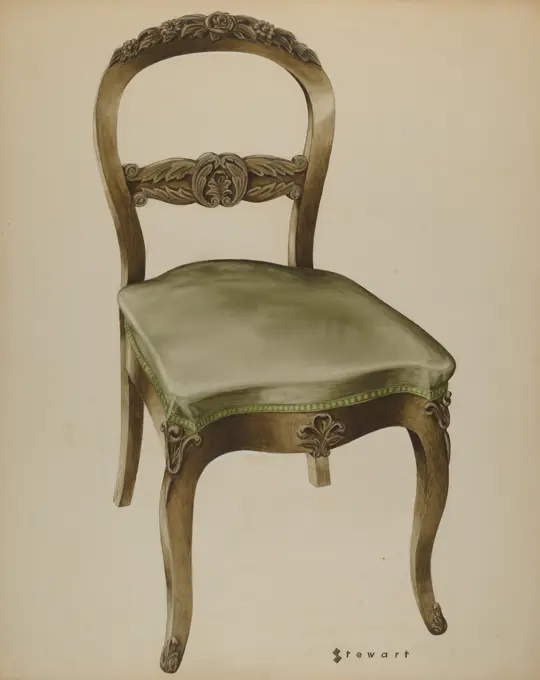
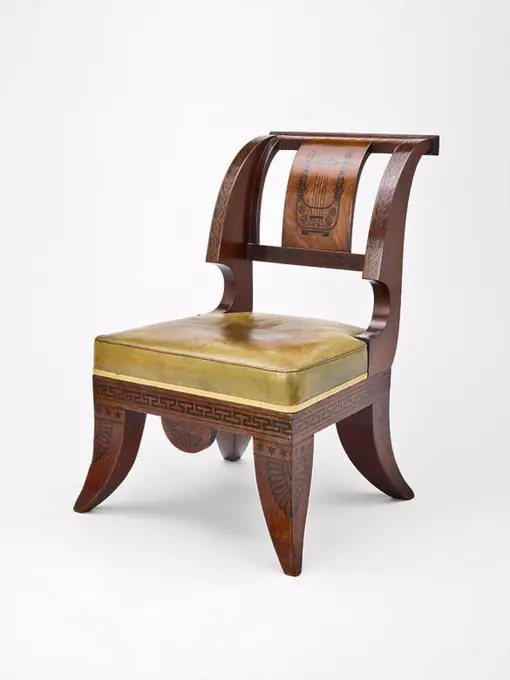
Armchair, mahogany, upholstered in nailed leather, Rectangular back. Flat padded arms curve outward and are supported by their turned stumps which are in one with the front legs, similarly turned. Bowed front and side seat rails received by rosetted reserves. Rear legs square and tapered. Upholstery is black leather nailed to frame., France, ca. 1790, furniture, Decorative Arts, ArmchairSide Chair And Slip Seat (USA); mahogany,poplar,horse hairDana Bartlett, Rush Bottom Chair, c 1937 Rush Bottom ChairChair. unknown, creatorEbony rococo chair, chair furniture furniture interior design wood elm wood velor, With openwork backrest with rocailles in the back leaf modern green velvet covering rococoSide chair (one of a pair). Culture: British. Dimensions: Overall: 34 1/2 × 19 1/2 × 17 1/4 in. (87.6 × 49.5 × 43.8 cm). Date: ca. 1795. Museum: Metropolitan Museum of Art, New York, USA.Chair, Fruit wood and elm, Rectangular open back; top rail composed of two swags centering a bowknot. Posts are carved with pendant garlands. The splat is an obelisk-form surmounting a square rosette. Front role of upholstered seat is carved with ribbons and pendant swags. Front legs are square, tapered and fluted; rosettes at knees., Netherlands, late 18th century, furniture, Decorative Arts, ChairStraight elm wood rococo chair, chair furniture furniture interior design wood elm wood textile, Openwork backrest modern green ripped upholstery on loose seat webbing original rococoChair with low arm and side railings and with armrests ending in a groteskop, Pierre Joseph Hubert Cuypers, 1880 Chair with low arm and side railings and with armrests that end in a groteskop. Covered with red trijp. Roermond oak (wood). Chair with low arm and side railings and with armrests that end in a groteskop. Covered with red trijp. Roermond oak (wood).Chair. unknown, creatorAnonymous. Musician chair. Beech. Paris, Carnavalet museum. 50264-1 Chair, Hetre, Furniture, musicianArmchair. Maker, possibly by: James Graham, American, born Scotland, 1728-1808Scroll back side chair. Culture: American. Dimensions: 33 x 19 x 21 1/2 in. (83.8 x 48.3 x 54.6 cm). Maker: Attributed to Duncan Phyfe (1770-1854); Attributed to Charles-Honoré Lannuier (France 1779-1819 New York). Date: 1810-15. Museum: Metropolitan Museum of Art, New York, USA.Armchair;  End of the 19th century (1870-00-00-1900-00-00);Office of the Council of Ministers (Warsaw - 1945-) - collection, plant decoration, classicism (style), braid (ornament), transmission (provenance)Armstoel, Carel Adolph Lion Cachet, c. 1915 - c. 1925 Armchair Netherlands oak (wood). wool. tin (metal). leather Armchair Netherlands oak (wood). wool. tin (metal). leatherArmchair from walnut. Armchair from walnut belonging to an ambuele from four armchairs. The front legs and arm struts show home and articulation. The houses with leaf motifs are connected by a flat arrangement with pelleted leaf reflections, between which a winged women's figure whose lower-end passes in degenerate volutes. The wide lightly healed flat armrests end in closed leaf volutes. The back styles end in stabbed leaf volutes. The original damask upholstery is covered with an antique fabric of a cavity.Armchair 1830-35 Attributed to Workshop of Duncan Phyfe Scottish The plush high back with crotch-veneered tablet and sweeping scrolled arms of this sleek, mahogany chair illustrate the Phyfe workshops experimentation with variations of French fauteuils. The Phyfes inspiration may have emerged from the popular designs by Pierre de la Mésangère in his serial Collection de Meubles et Objets de Goût (1820-1831). The armchair bears resemblance to number 638 "Fauteuil de Salon" in volume one of Meubles…(1802-1807) an number 320 "Fauteuil dAppartament" in volume one (1810-1812). According to family tradition this armchair, one of a pair, (see 1971.128.2) stood in Duncan Phyfe's house on Fulton Street before descending to his great-granddaughter, Emma Phyfe Purdy (b. 1855), then to subsequent owners.. Armchair. American. 1830-35. Mahogany, cherry, ash. Made in New York, New York, United StatesDining Room Chair. Bruce Talbert (Scotland, active Scotland and England, 1838-1881). England, circa 1867. Furnishings; Furniture. Oak, ebony, brass, leather (replaced)Anonymous. "Houbigant perfume chair". Charm and rosewood; Garnish: Damascus. 1855. Paris, Carnavalet museum. 100080-6 FURNITUREChair, covered with blue damask. S -shaped legs, scalloped rule with flower arrangements., Anonymous, 1700 - 1800 Mahoniehouten () Armon, covered with 18th century blue damask, from a dress. The overhoeks placed stretched S-shaped legs run into the sitting window and show, as well as the scallop line, flower arrangements. The backward-placed stretched S-shaped struts support the armrests with pillows, ending in a volute. These turn into the hold back window with S-shaped styles. A small elevation on the top sill is decorated with an eagle with a corner and trident, surrounded by leaf work. Germany (possibly) wood (plant material). mahogany (wood) damask Mahoniehouten () Armon, covered with 18th century blue damask, from a dress. The overhoeks placed stretched S-shaped legs run into the sitting window and show, as well as the scallop line, flower arrangements. The backward-placed stretched S-shaped struts support the armrests with pillows, ending in a volute. These turn into the hold baChair, Carved walnut wood, caning, Circular caned seat on six cabriole legs with leaf-carving and paw feet joined by turned stretcher; the curved back with turned uprights, carved scrollwork and three medalions pierced and carved with foliage., Holland, Netherlands, late 17th century, furniture, Decorative Arts, ChairChair (Netherlands); carved walnut wood, caningChair. unknown, authorChair, Anonymous, 1740 - 1760 Arm chair of mahogany. The furniture is covered and rests on overhoeks placed, stretched S-shaped legs, which turn into the sitting window without interruption. The sitting window is hemisphere and scumed at the front; Scalloped pre -line. The armrest stars are placed backwards, stretched S-shaped and neighborhoods slightly out. The C-shaped armrests have cushions. The rushed back window rests on short struts. The styles are sculpted, as well as the upper sill, which has a stabbed flower in the middle. France wood (plant material). mahogany (wood). textile materials Arm chair of mahogany. The furniture is covered and rests on overhoeks placed, stretched S-shaped legs, which turn into the sitting window without interruption. The sitting window is hemisphere and scumed at the front; Scalloped pre -line. The armrest stars are placed backwards, stretched S-shaped and neighborhoods slightly out. The C-shaped armrests have cushions. The rushed back window rests Florence Choate, Side Chair, 1936 Side ChairEasy Chair 1790-1800 American. Easy Chair 3496Side Chair, c. 1790-1800. America, Massachusetts, Boston, late 18th Century. Mahogany; overall: 90.8 x 48.3 x 52.1 cm (35 3/4 x 19 x 20 1/2 in.). Chairs of this or similar design seem to have been made by several Boston cabinetmakers. This chair may have belonged to one or more members of the distinguished Derby family or West family-or both-of nearby Salem, Massachusetts.Armchair. Culture: British. Dimensions: Overall: 39 × 27 × 22 in. (99.1 × 68.6 × 55.9 cm). Date: ca. 1755-60. Museum: Metropolitan Museum of Art, New York, USA.Chair of partially veneered and painted satin wood. Partly veneered and painted satin seat, resting on channeled conical articulated front legs and backwardly curved hind legs. The connection between the armrests and the faint bent armrests is C-shaped. The back is bent and decorated in the middle with a vertical connection, on which painted medallions, free to 18th-century representations. The seat is stretched with cane and equipped with loose embroidered cushions. See also: BK-16137-A to C and E / f.Fa. Johann Diedrich Schmidt & Co. en Cord Heinrich Schmidt, Straight neo-rococo chair, straight-seat chair furniture furniture interior design wood mahogany elmwood shellac textile, Black polished mahogany with pink silk-damask covering on the hood and the front line rocailles and other rococo carving Rotterdam City Center Cool Schiedamsesingel neorococo Supposedly delivered to the Polak-Rosenthal couple in front of their house Schiedamsesingel 143 Rotterdam.Side Chair. Attributed to R. J. Horner and Company; American, active 1886-c. 1915; New York, New York. Date: 1885-1895. Dimensions: 87.6 × 46.4 × 42.6 cm (34 1/2 × 17 1/2 × 16 in.). Maple and birds-eye maple. Origin: New York. Museum: The Chicago Art Institute, Chicago, USA.Side chair. Culture: American. Dimensions: 33 3/8 x 18 x 19 1/4 in. (84.8 x 45.7 x 48.9 cm). Maker: Attributed to Charles-Honoré Lannuier (France 1779-1819 New York). Date: 1815-19.This rare and beautiful version of the New York lyre-back chair, part of a large set once owned by the Baltimore merchant James Bosley, is firmly attributed to the French-born and -trained cabinetmaker Lannuier, who worked in New York City from 1803 until 1819. Compared with examples often attributed to the great Scottish master craftsman Duncan Phyfe, which survive in far greater number, Lannuier's lyre-back chair is more richly ornamented in gilded brass and has a hard-edged rectilinear quality closer to French Empire precedents. But it is not a slavish copy of a French design. The chair is a fresh and innovative variation on a theme that melds Lannuier's highly refined sensibilities with the New York vernacular.Throughout his relatively short but brilliant career in the city, Lannuier cast himself as thChair. unknown, authorChair. unknown, creatorEggshade Louis Seize armchair, armchair seat furniture furniture interior design wood elm wood velvet brass, Three spine in the back above garlands with tassels light green striped velvet upholstery Louis XVI Louis XVI Louis SeizeChair. unknown, authorSide Chair 1710-20 American. Side Chair 1569Armchair. Bruno Paul; German, 1874-1968. Date: 1910-1920. Dimensions: 101.6 × 55.9 × 63.5 cm (40 × 22 × 25 in.). Wood, modern upholstery. Origin: Germany. Museum: The Chicago Art Institute, Chicago, USA.Chair with reeds stretched, s-shaped front and hind legs with dolphins. Upper sill with openwork crown above a fish, between dolphin heads and volutes. Forsport with weapon between Voluten, Anonymous, 1675 - 1700 Chair of walnut with braided reed covering and resting on S-shaped front legs with dolphins and hind legs, which also show the H-shaped cross and the rear sport and articulation. The freestanding baluster -shaped corner styles wear vases. The upper sill shows an openwork crown over a fish, between dolphin heads and volutes. Three styles divide the midfield of the back into two streams stretched with reeds; The styles with volutes decorated. Voordel shows a weapon between Voluten. Great Britain wood (plant material). walnut (hardwood). Chair of walnut with braided reed covering and resting on S-shaped front legs with dolphins and hind legs, which also show the H-shaped cross and the rear sport and articulation. The freestanding baluster -shaped corner styles wear vases. The uppTwo chairs, Pierre Félix van Doren, 1828 Made for the 'Grande Gallery' in the Palace in Brussels of the Prince of Orange, the later King Willem II. Brussels mahogany (wood). maple (wood). wood (plant material) inlay (process) Made for the 'Grande Gallery' in the Palace in Brussels of the Prince of Orange, the later King Willem II. Brussels mahogany (wood). maple (wood). wood (plant material) inlay (process). The workshop of the Amsterdam interior decorator and fine art dealer Van Wisselingh & Co had a special department for producing batik, a resist-dyeing technique originally from Java. This technique was used for the ornamentation of the parchment seat and back of this chair. It was commissioned by Mr and Mrs Dentz van Schaick, whose monogram DvS graces its back.Armchair. unknown, creatorChildrens armchair. unknown, contractorArkchair of beech wood, covered. Bite of beech, coated and resting on overhoeks placed S-shaped legs, ending in volutes and proceeding in the scalloped rules. The semicircular sitting window is shifted at the front; The back pain of four sides. The light C-shaped armrests with cushions and volutes at the ends, districts to the outside and walk through in the back window with decorated upper spray. The armrest tricks run back from the seating window and go into the armrests S-shaped. Profile lists emphasize contour.ChairChair, Mahogany, caning, Rounded reeded seat rail; rounded and reeded tapering legs. Top rail carved with 'thunderbolt design' representing streaks of lightning, tied with bow. Below top rail, two diagonal, crossing bars, reeded. Arm reeded on top surface; supported on urn-shaped baluster., New York, USA, ca. 1812, furniture, Decorative Arts, ChairArm chair of nuthout, anonymous, 1750 Arm chair of walnut, covered on a removable window. The S-shaped legs, ending in Acanthus leaf, turn into the scalloped seating rules. The legs, the line, armrests and armrest stars, the back window and back window stins are decorated with stoned leaf and floral motifs; Striking on the top sill is the stabbed rocaille cavity with flower branches. The sitting window is trapezoidal. Profile lists, uninterrupted or with C and S-Voluten emphasize the contour. See also: BK-15591. France (possibly) wood (plant material). walnut (hardwood). pine (wood). textile materials Arm chair of walnut, covered on a removable window. The S-shaped legs, ending in Acanthus leaf, turn into the scalloped seating rules. The legs, the line, armrests and armrest stars, the back window and back window stins are decorated with stoned leaf and floral motifs; Striking on the top sill is the stabbed rocaille cavity with flower branches. The sitting window is trapezoidal. ProfileArmchairJean Boucault. Cabriolet armchair. Beech, around 1745. Paris, Carnavalet museum. Cabriolet, Hetre, furniture armchairChair.  Designer William L. Price, 1861-1916  Maker: Rose Valley Furniture Shop, 1901-1906Chair with swans. Chair from a set of ten seats and four armchairs from partially solid and partly glued mahogany on moors wood core. Loose coated seats. The square hind legs deviate backwards. Nine chairs and an armchair have square, slightly rounded, front legs; The rest has rounded front legs. The stretched S-shaped backs have a sculpted intermediate rule with a palmet flanked by two degrees, with the biods of doubling swans. The flat filler-shaped armrests run high in the back.Armchair with swapped legs, covered with tripe with a pattern of red and green grenades. Armchair of walnut, covered with woolens. The furniture has swapped legs that are allured by an H-shaped cross and a forecast. The armrests rest on sliced armrest struts, have been slightly rolled and finish in a volute, which is as well as the back with an acanthus leaf decorated. The upholstery shows a pattern of large red and green grenades on a shaved pool shaved. The frills has small meadows in red and yellow.Side chair with rams' heads (one of a pair) 19th century Anglo-Indian. Side chair with rams' heads (one of a pair). Anglo-Indian. 19th century. White alloy metal sheets (silvered) over wooden core, probably teak; silk and metallic woven textile. Woodwork-FurnitureSide chair 1881-82 George A. Schastey & Co. In 1881, Arabella Worsham, then-mistress of railroad magnate Collis P. Huntington, hired George A. Schastey & Co. to decorate her townhouse at 4 West Fifty-Fourth Street in New York City. The resulting artistic interiors would have been considered the height of cosmopolitan style in the early 1880s and were emblematic of Worshams quest to fashion her identity as a wealthy, prominent woman of taste. When Worsham married Huntington in 1884, she sold the house, fully furnished, to John D. and Laura Spelman Rockefeller, who made few subsequent changes to the decorations. Following Mr. Rockefellers death, the house was demolished in 1938, yet some furnishings, large-scale architectural elements, and three interiors were preserved, and the rooms were donated to local museums by John D. Rockefeller Jr. This side chair of satinwood and purpleheart, one of a pair, is part of the suite (2009.226.1-.4) that furnished Worshams elaborately decorated drArmchairAnonymous. "Secretary to downward - jewelry box". Built in oak, rosewood and violet wood veneer, various tinged and engraved wood marquetry, in amaranth, golden bronzes. Around 1760. Paris, Cognacq-Jay museum. 123782-3SideChair.  Maker: George Hunzinger, American, 1835-1898Chair. unknown, authorPillow, covered with green-white-pink embroidery. Back cushion of pink silk, filled with down, covered with green-white-pink embroidery (belongs in 50a).Papier-mché side chair ca. 1830-60 British (). Papier-mché side chair. British (). ca. 1830-60. Wood, papier-mché, black lacquer, painted and gilded, mother-of-pearl, caned seat.. Woodwork-FurnitureCherry wood renaissance chair, chair seating furniture interior design wood cherry wood leather metal, Twisted legs and double lines lion head on the back post seat and backrest covered with leather renaissanceSide Chair. Culture: American. Dimensions: 33 1/4 x 19 1/4 x 21 1/4 in. (84.5 x 48.9 x 54 cm). Date: ca. 1815.Boston chair makers developed several versions of the ancient Greek klismos form, this model being one of the most popular. The fine, crisp carving on the crest and stay rails is characteristic of Boston, as are the reeds in the legs, stile, and seat rail, which are bolder and fewer in number than in the chairs' New York and Philadelphia counterparts. The upholstery foundations on the slip seats are original and provide an accurate period shape, crisp and rectilinear at the sides and gently contoured at the front. Museum: Metropolitan Museum of Art, New York, USA.SideChairArmchair 1795-1810 American. Armchair 260Anonymous. "Engravings display". Drink. Paris, Museum of Romantic Life. Furniture, presentation with engraving, wood, furniture. Chair of rosewood, covered with green cloth, on which an orange cord decoration has been applied. The slender legs show home and articulation and are on high foots. They are connected by eight exercise, the lower bracelet-shaped of which are outlined. The rear styles end in lion heads with a ring. Back and seat are nailed. The sheet is trimmed with galon and remains of frills. The drawing of the orange cord shows coats of arms (O.A. back: Fam. Disaster; seat: Fam. Van der Dussen).Armchair. Culture: American. Dimensions: 40 1/2 x 25 1/2 x 30 1/4 in. (102.9 x 64.8 x 76.8 cm). Date: ca. 1835-40. Museum: Metropolitan Museum of Art, New York, USA.Side Chair. Culture: American. Dimensions: 32 3/4 x 19 1/2 x 17 1/2 in. (83.2 x 49.5 x 44.5 cm). Date: 1805-15. Museum: Metropolitan Museum of Art, New York, USA.Windsor HIgh Chair. American. Date: 1790-1800. Dimensions: 86.4 × 41.3 × 32.4 cm (34 × 16 1/4 × 12 3/4 in.). Maple. Origin: United States. Museum: The Chicago Art Institute, Chicago, USA.Side chair ca. 1720-30 British. Side chair. British. ca. 1720-30. Walnut. Woodwork-FurnitureArmchair ca. 1710 British. Armchair. British. ca. 1710. Walnut; oak and walnut veneer. Woodwork-FurnitureArmchair (fauteuil) 18th century French. Armchair (fauteuil). French. 18th century. Carved walnut, wax-polished; caning. Woodwork-FurnitureSide chair. Culture: British. Designer: Augustus Welby Northmore Pugin (British, London 1812-1852 Ramsgate). Dimensions: Overall (confirmed): 39 1/2 × 17 3/4 × 22 in. (100.3 × 45.1 × 55.9 cm). Maker: John Webb (British, 1799-1880). Date: ca. 1847.This chair comes from the Palace of Westminster which was rebuilt after a devastating fire in 1834 by Charles Barry. Having won the competition to design the building in a Gothic style, Barry was assisted by A. W. N. Pugin who was responsible for the entire interior and for much of the architectural decorative features of the Palace. This particular chair, part of a set of sixteen, originally furnished the Princes' Chamber which was completed for the initiation of the House of Lords in April 1847.The architect and designer A.W.N. Pugin, was one of the foremost proponents of the Gothic style believing it to be the only possible Christian style. His writings and designs exerted great influence, and among his best known projects is his work on Chair;  18th century (1701-00-00-1800-00-00);Armchair with a dark back panel. Armchair made of oak resting on four legs. The front and hind legs are interconnected by means of intermediate rules. The front legs rest on a narrower feet of dark colored wood and walk through in the arm struts. The hind legs run through in the back styles. From the middle of the back styles, armrests walk off that broaden and rest on the arm struts. The backrest consists of a wide upper shell with rounded corners with a back panel below that has been ventured in the middle with a dark colored type of wood. The seat is covered with a light green, salmon and white leather upholstery.Chair -Settee (one of a pair). England. Date: 1725-1735. Dimensions: 109.2 × 142.2 × 72.4 cm (43 × 56 × 28 1/2 in.). Gilt beechwood and modern upholstery. Origin: England. Museum: The Chicago Art Institute, Chicago, USA.. Armchair of oak resting on four curved legs. The legs are interconnected through curved rules. The front legs run through in the struts for the armrests. The hind legs run through in the back styles. The backrest consists of a panel with a rounded top at the top and a line at the bottom. The open space in between is lined with green tripe with red diamond motifs. On the panel on the top, a sliced braided rosette with pearl edges and inlaid with ebony is in the middle. The armrests widen to the front. The seat is trapezoidal and is covered with the same green tripe with red diamond motifs as on the backrest.Pair ofChairsOak chair with sitting and back of leather. Eight oak chairs with leather sitting and back. The legs show home and suffered and are connected by an H-shaped cross. There is a wide advance at the front, between two houses. The hind legs neighborhood. The back rests high on the struts and is bent from above.Side chair (one of a pair). Carving attributed to Samuel McIntire; American, 1757-1811; Salem, Massachusetts. Date: 1794-1799. Dimensions: 97.2 × 54 × 47 cm (38 1/4 × 21 1/4 × 18 1/2 in.). Mahogany, ash, and birch. Origin: Salem. Museum: The Chicago Art Institute, Chicago, USA.beautiful antique chair isolated on white backgroundSide Chair 1750-70 British. Side Chair 1563Armchair (England); painted and gilded wood, velvet upholstery; 89.5 x 58.0 x 59.0 cm (35 1/4 x 22 13/16 x 23 1/4 in. ); 1979-92-1Armchair c 1660-1715 Norwich. Maple, ash, and paint . Artist unknownPair of Armchairs. Georges Jacob (French, 1739 - 1814, master 1765)Chair, wood, Switzerland, 18th century, furniture, Decorative Arts, ChairLay back armchair and covered with a beige fabric with a brown diamond pattern, Wim Schuhmacher, c. 1921 Dark tinted oak armchair resting on four low legs. The legs are interconnected both at the front and rear by means of a wide rule with a wavy edge at the bottom. The armchair has wide cheeks on which the armrests lie. The armrests broaden to the front. The cheeks bent on the outside to the front and top. The armchair has a low backrest. The seat and a loose pillow are covered with a beige fabric with a brown diamond pattern. Netherlands oak (wood) Dark tinted oak armchair resting on four low legs. The legs are interconnected both at the front and rear by means of a wide rule with a wavy edge at the bottom. The armchair has wide cheeks on which the armrests lie. The armrests broaden to the front. The cheeks bent on the outside to the front and top. The armchair has a low backrest. The seat and a loose pillow are covered with a beige fabric with a brown diamond pattern. Netherlands oaRobert Stewart, Carved Side Chair, c 1937 Carved Side ChairChair. After a design published by Thomas Hope; English, born Netherlands, 1769-1831; England. Date: 1802-1810. Dimensions: 87 × 64 × 72 cm (34 1/4 × 25 3/16 × 28 3/8 in.). Mahogany, ebony, beech, and leather upholstery. Origin: England. Museum: The Chicago Art Institute, Chicago, USA.Chair;  Kon. XVIII century (1791-00-00-1800-00-00);Side chair, one of a pair, c. 1710-1720, 41 x 18 3/4 x 14 in. (104.1 x 47.6 x 35.6 cm), Maple or beech with rush seat, United States, 18th century, The flared, hoof-like feet like those on this chair are often called 'Spanish feet.' The name hints at the international spread of design elements - these feet are thought to have originated in Portugal.Side Chair. Culture: American. Dimensions: 33 3/8 x 17 3/4 x 18 3/8 in. (84.8 x 45.1 x 46.7 cm). Date: ca. 1825. Museum: Metropolitan Museum of Art, New York, USA.Nut wood folder, lined with leather on back and sitting. Folding walnut with leather back and seat. The semi-circular paws and styles are connected to each other by means of a hinge, from the front with a copper plate. The legs are aware of the bracelet-shaped sports, double-volute-shaped. The styles and legs exhibit at the front Dolphins, respectively with a crowned Najade, a triton and branches with acorns and leaves. The armrests, ending in a volute, exhibit a leaf motif. Wooden buttons on styles added after 1957.ChairDesk chair (fauteuil de bureau) 18th century French. Desk chair (fauteuil de bureau). French. 18th century. Carved and painted beechwood, upholstered in green morocco. Woodwork-FurnitureChair of Ebben Veneer with Boulle Marqueterie, Anonymous, 1800 - 1900  Chair with boulle marqereterie made of ebben veneer. With Dutch weapon on the hood. On the chair label of Noordeinde Palace. Stamped: Caillad. France ebony (wood). brass (alloy). bronze (metal). wood (plant material). textile materials gildingArmchair (one of a pair) 1765-1785 England. Painted beech, modern upholstery .Brown Royal classical style Armchair sofa couch in vintage room Side Chair (France); Attributed to Louis Majorelle (French, 1859 - 1926); carved and gilt wood, silk needlepoint