Vintage Wooden Chairs

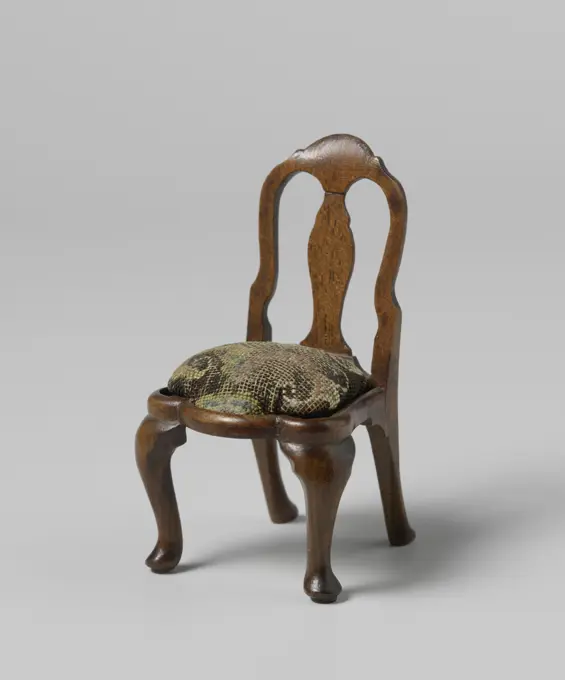
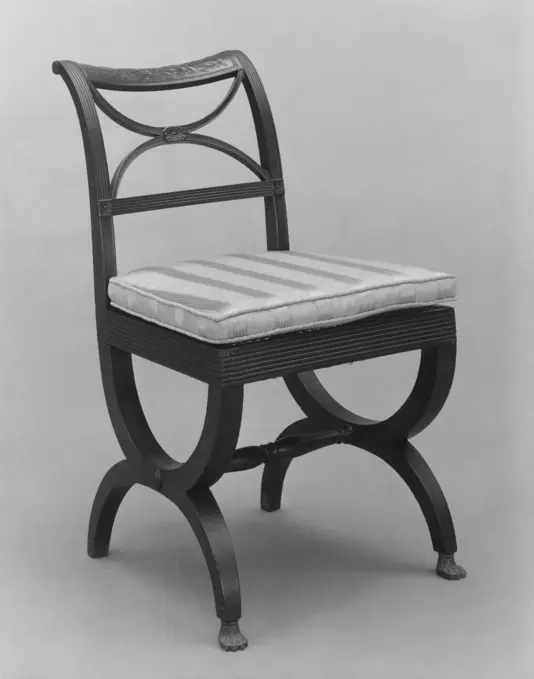
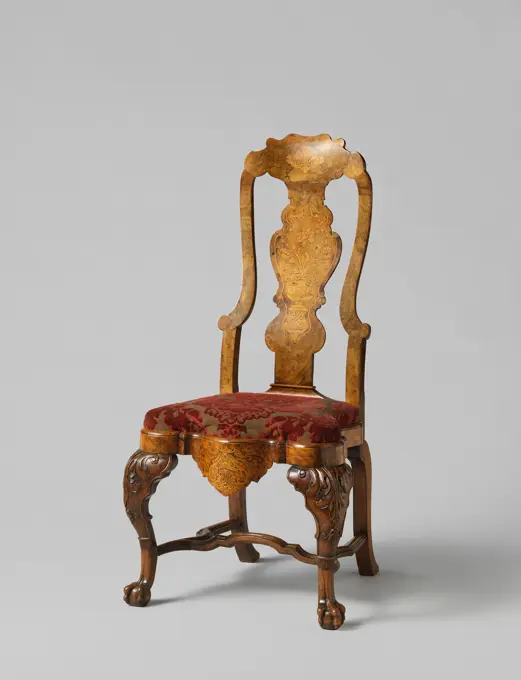
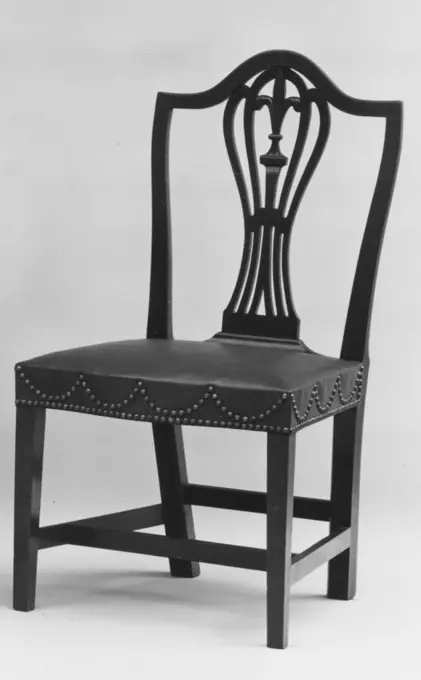
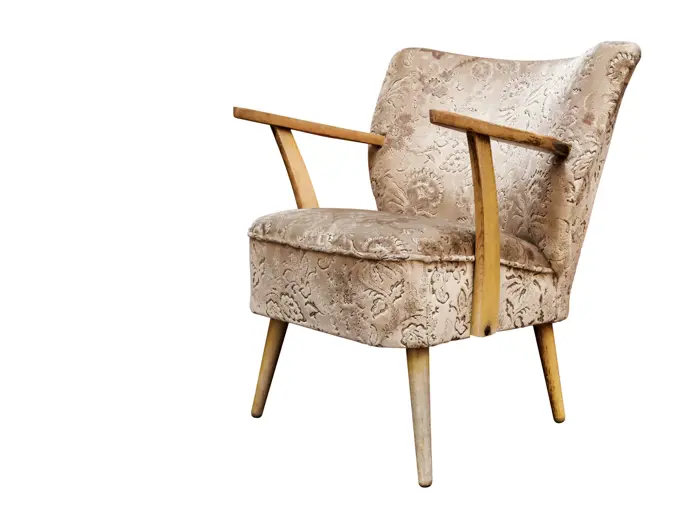
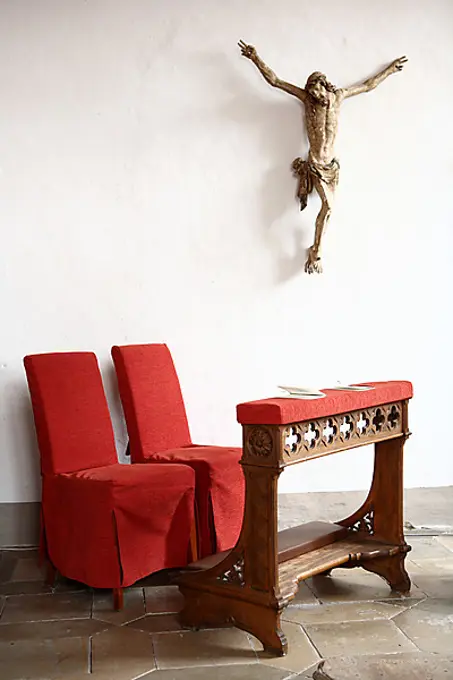
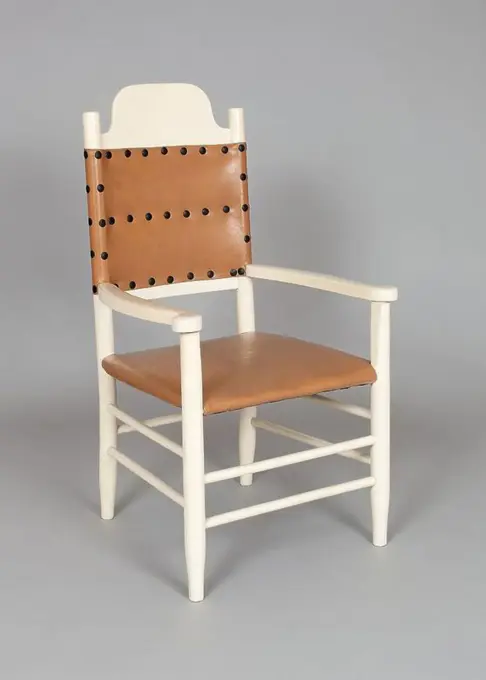
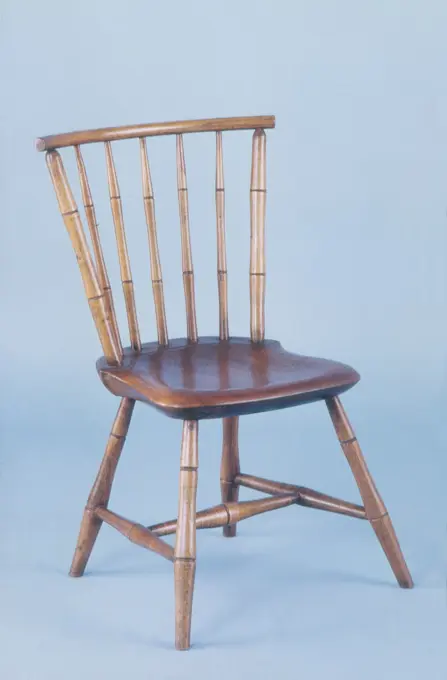
Collection of antique wooden chairs showcasing various styles, upholstery, and craftsmanship, reflecting the elegance of past furniture designs.
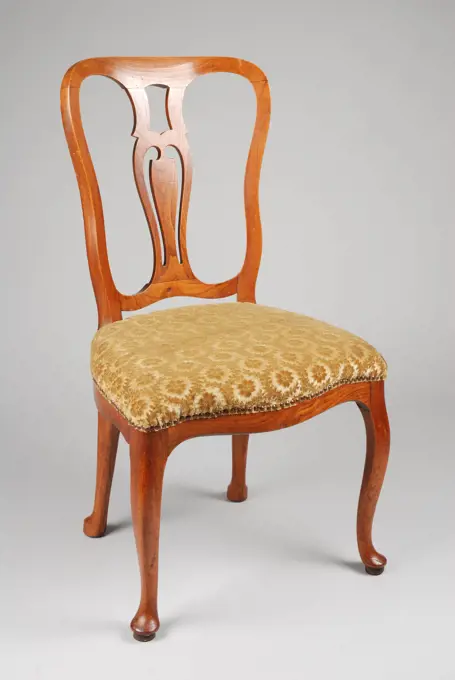
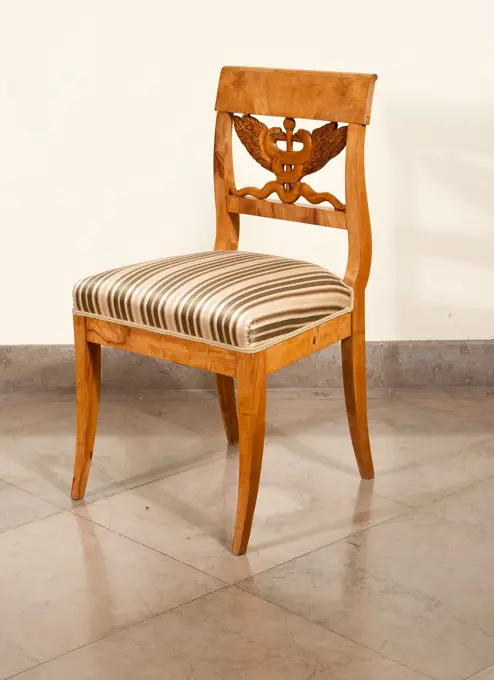
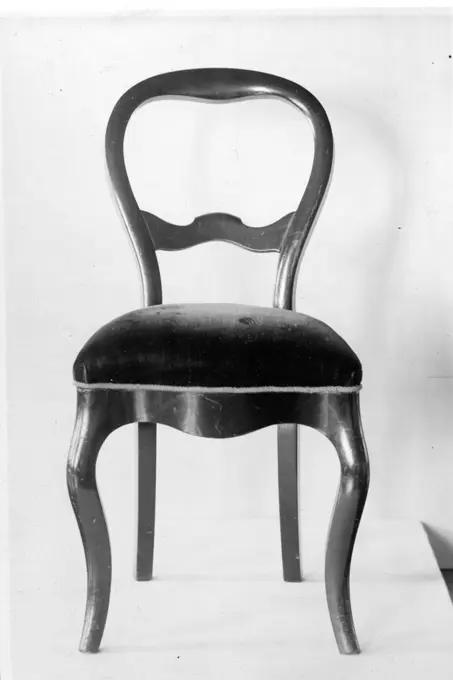
Ebony rococo chair, chair furniture furniture interior design wood elm wood velor, With openwork backrest with rocailles in the back leaf modern green velvet covering rococo
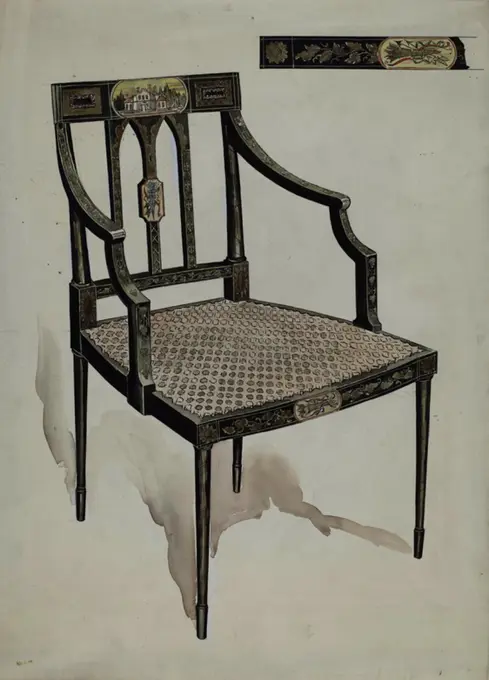
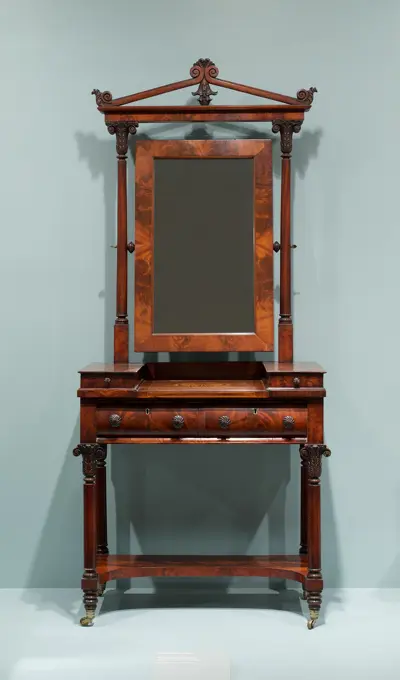
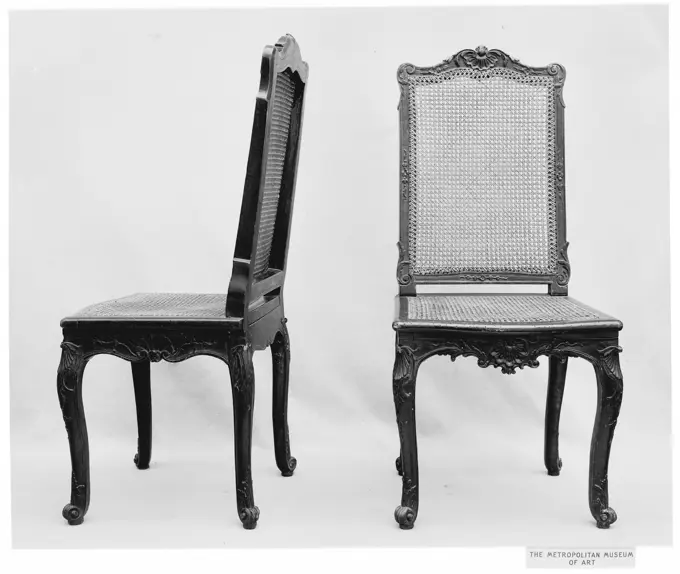
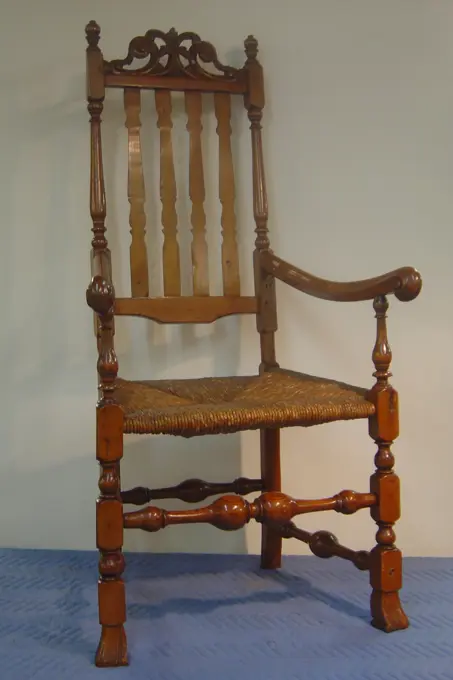
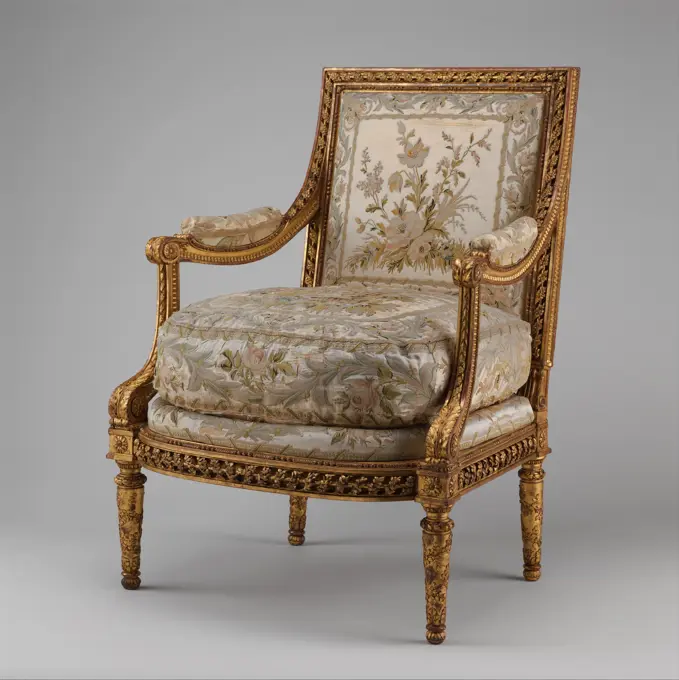
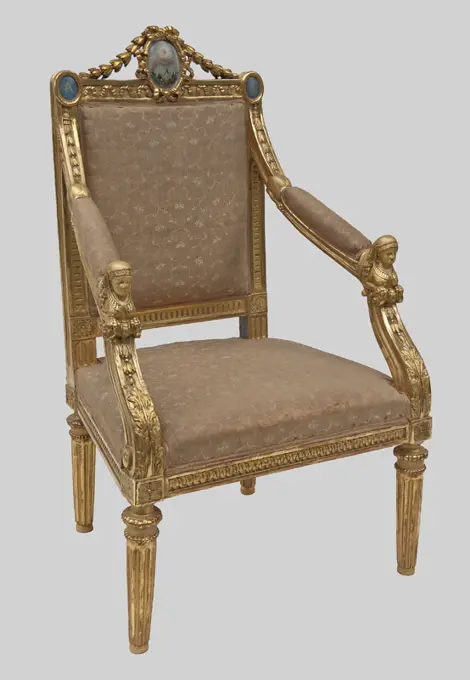
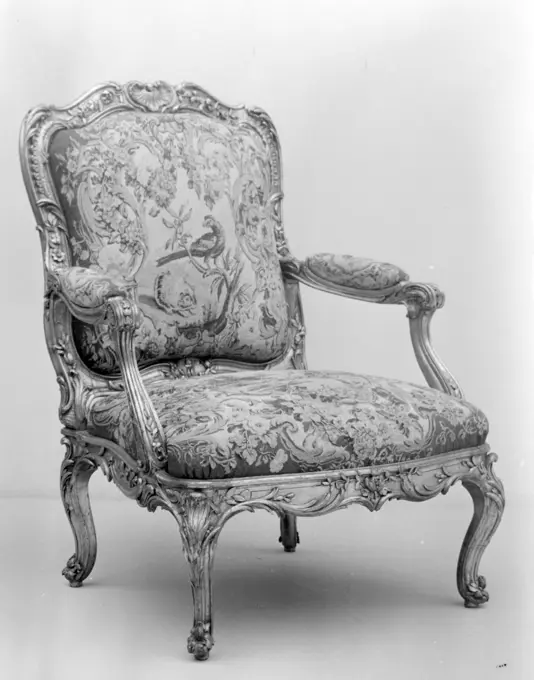
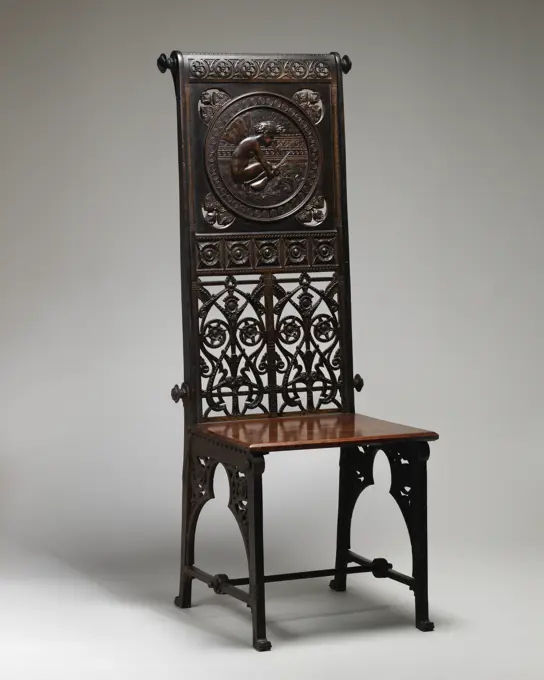
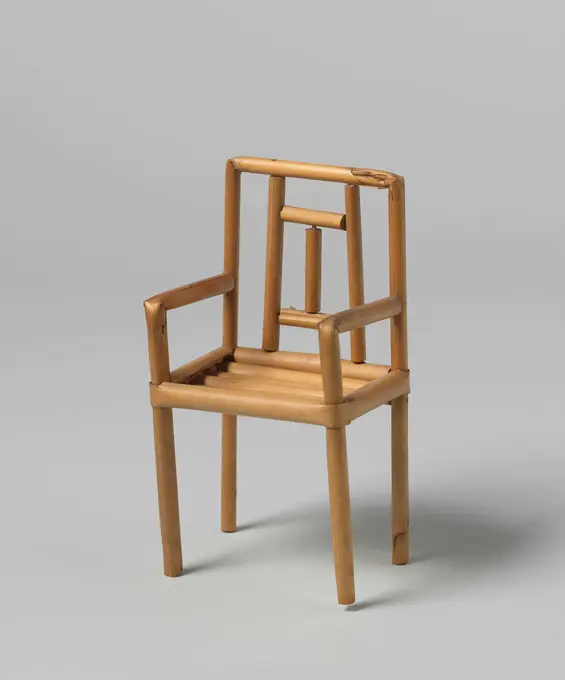
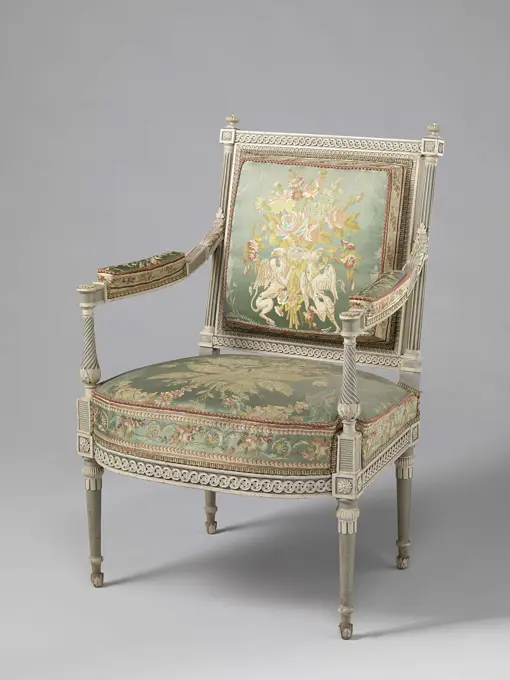
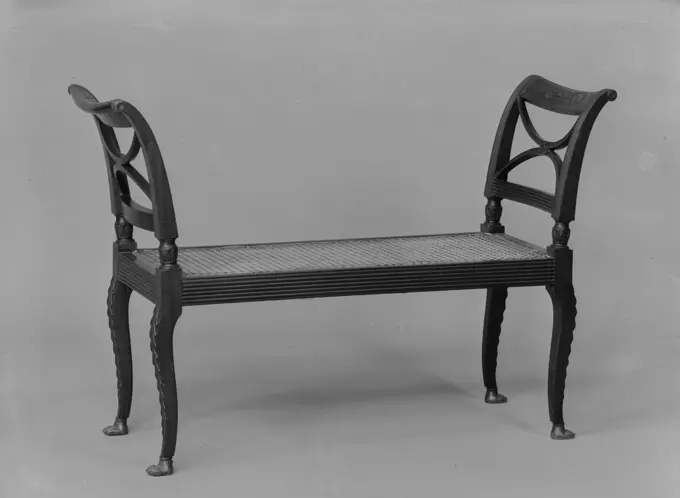
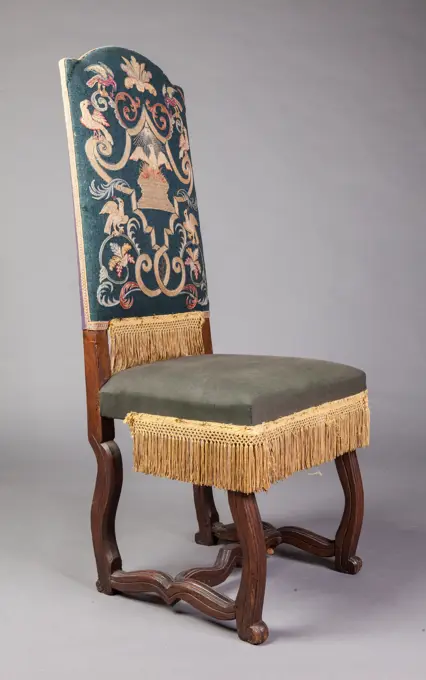
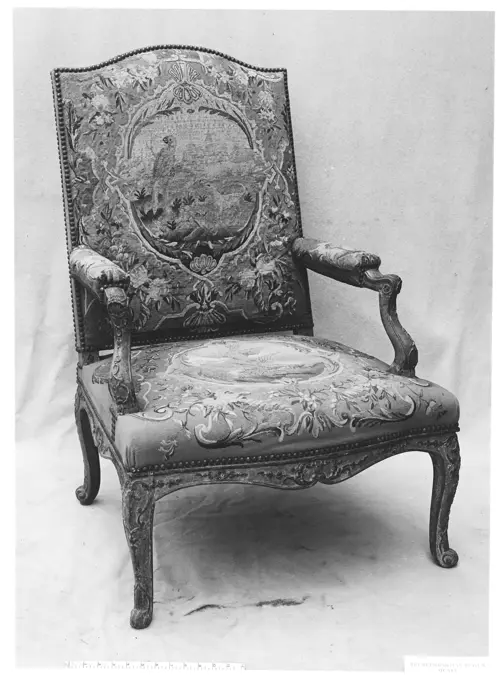
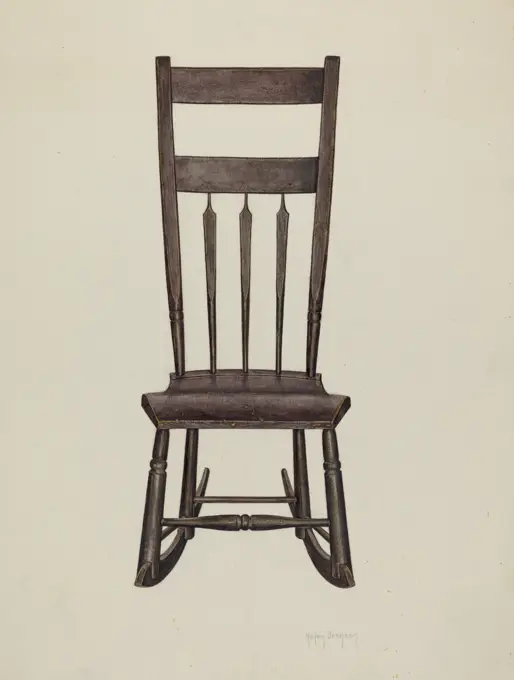
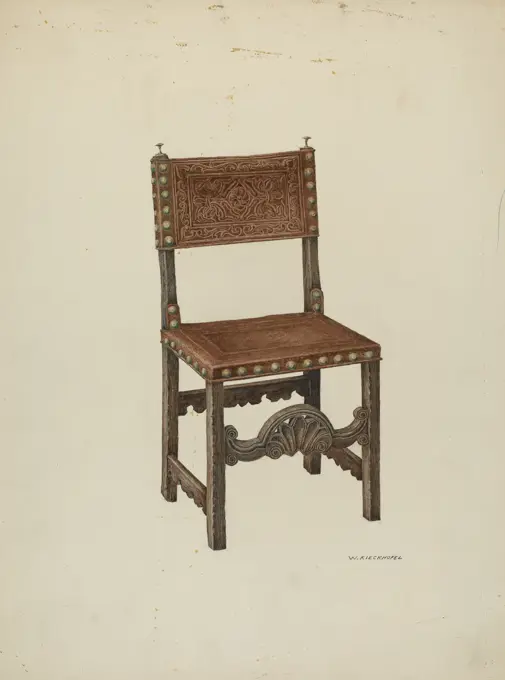
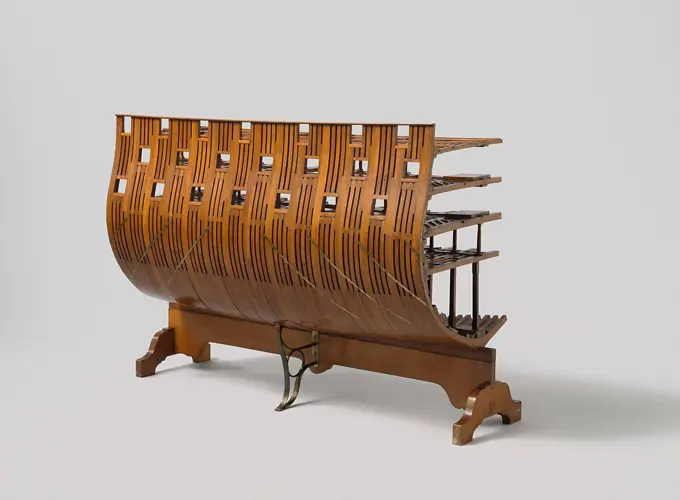
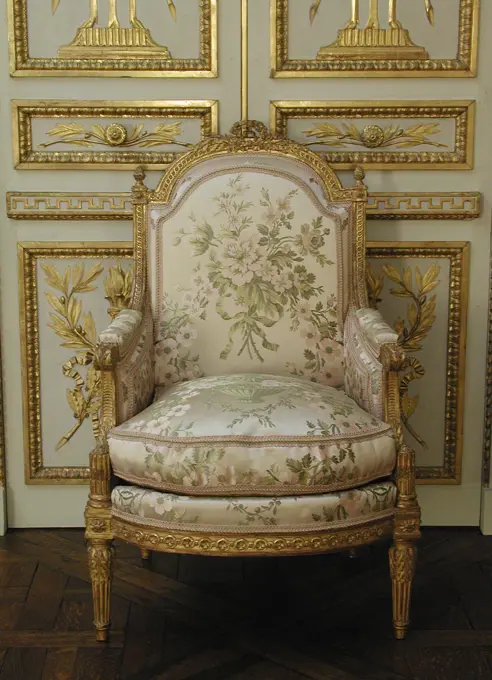
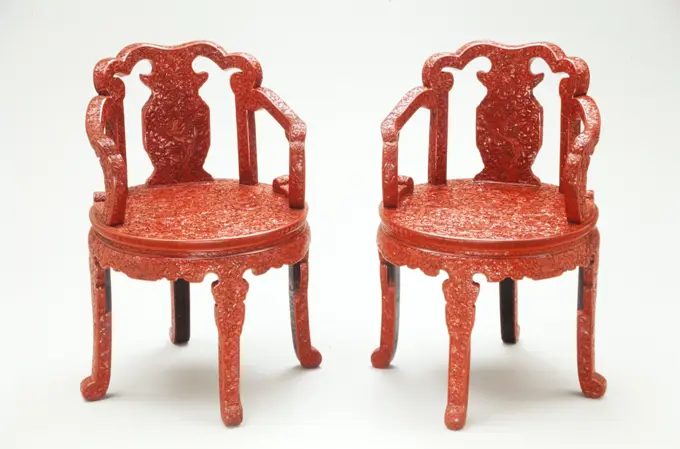
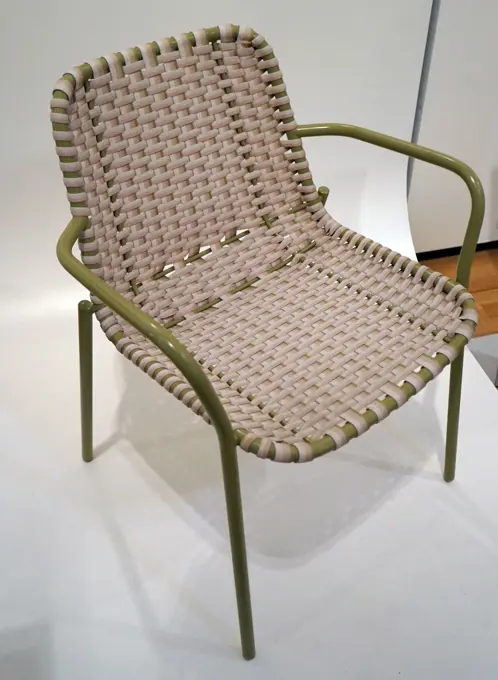
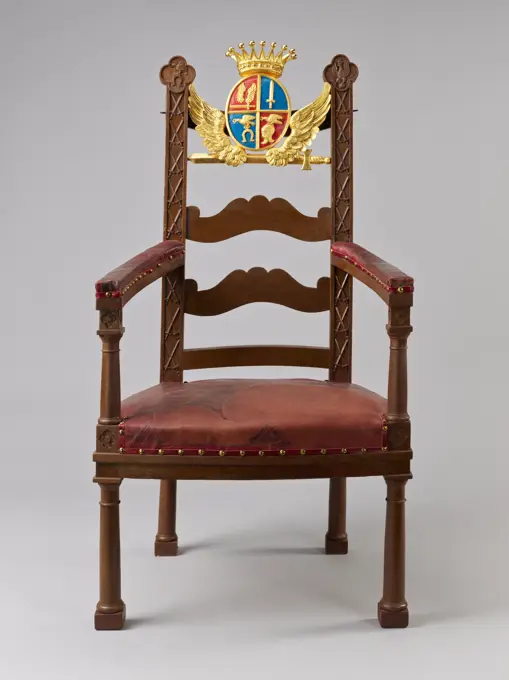
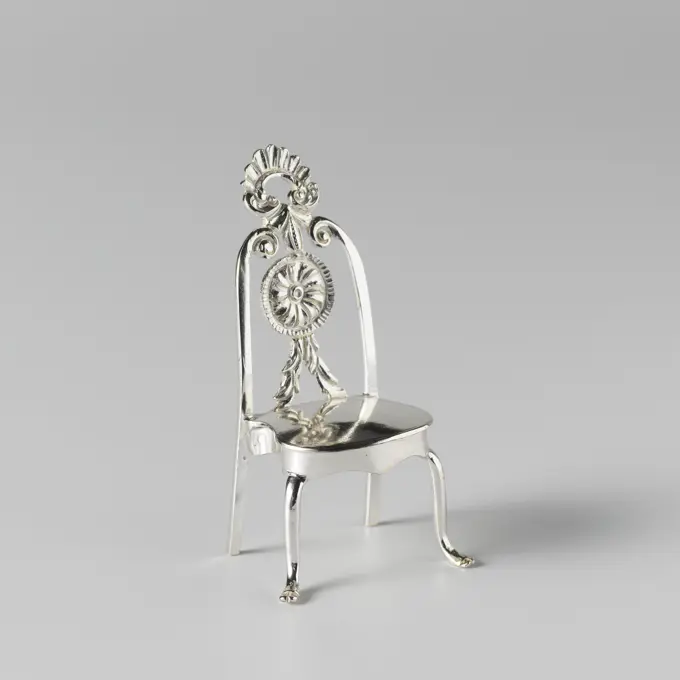
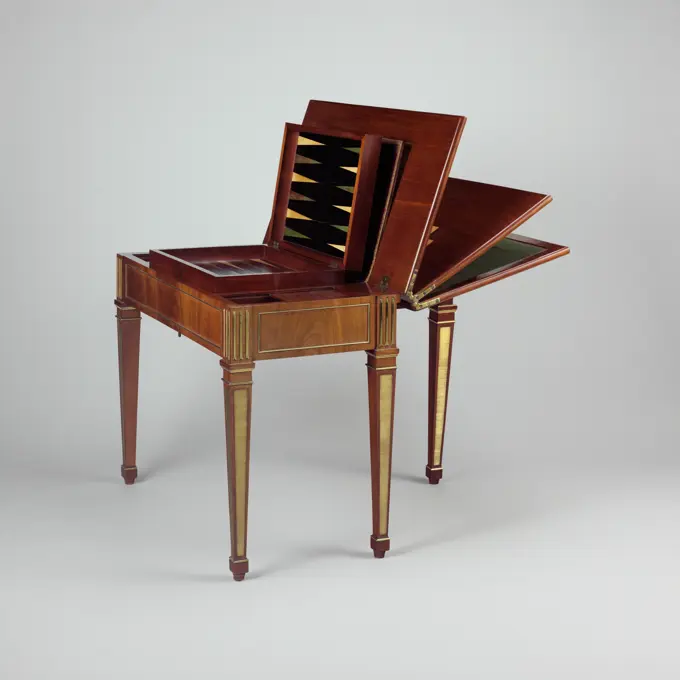
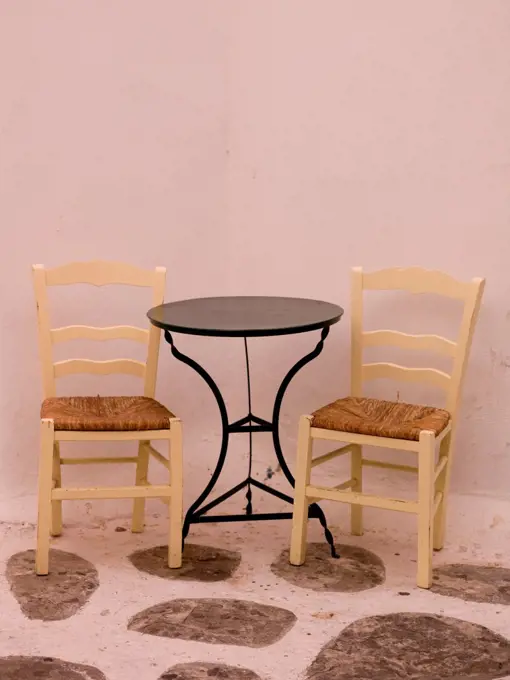
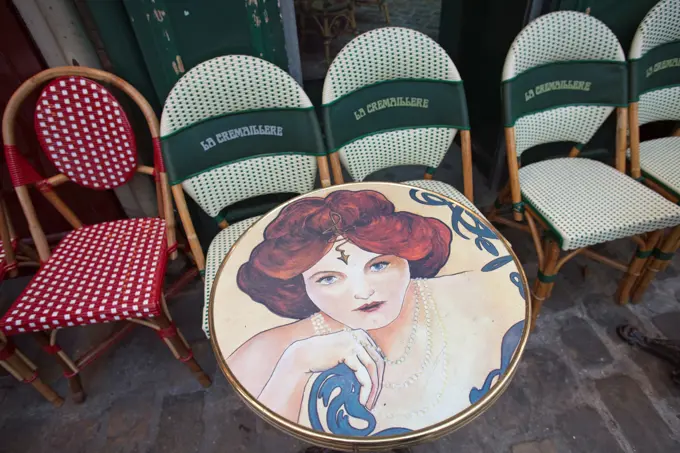
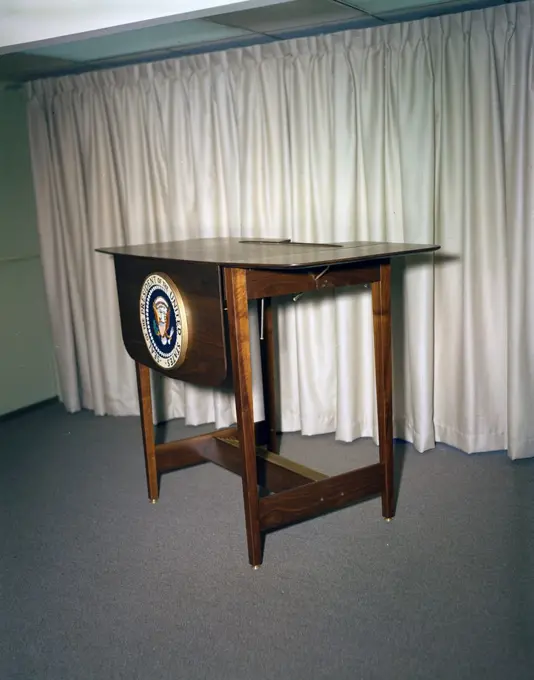
Armchair;  3. W. 18th century (1750-00-00-1775-00-00);Chair. Dated: c. 1936. Dimensions: overall: 35.5 x 25.5 cm (14 x 10 1/16 in.) Original IAD Object: 30"high, 20"wide. See data sheet for details.. Medium: watercolor, gold ink, and graphite on paper. Museum: National Gallery of Art, Washington DC. Author: Lillian Causey.Dressing Table c 1835 Philadelphia. Mahogany, maple, and walnut . Artist unknownPair of side chairs first quarter 18th century French. Pair of side chairs. French. first quarter 18th century. Beech wood, painted black; caning. Woodwork-FurnitureArmchairChair, belonging to an eleven -piece amblement, anonymous, c. 1750 Chair, made of walnut, belonging to an eleven -piece ameblement, consisting of a bank and ten chairs. The seat of neighboring duration with leaf and floral motifs in silk on linen grid, with a soft filling. Amsterdam (possibly) Walnut (Hardwood). Seat: Silk. seat: Chair, made of walnut, belonging to an eleven -piece ameblement, consisting of a bank and ten chairs. The seat of neighboring duration with leaf and floral motifs in silk on linen grid, with a soft filling. Amsterdam (possibly) Walnut (Hardwood). Seat: Silk. seat:Side Chair 1791-1818 Attributed to Duncan Phyfe Scottish. Side Chair 1901Armchair (USA); Manufactured by South Carolina Vienna Bent Wood Furniture Company; bent wood, caning; 99.7 x 55.5 x 59 cm (39 1/4 x 21 7/8 x 23 1/4 in. ); 1972-17-1Arm chair, part of a divan de Milieu, Gebroeders Horrix, c. 1852 Arm chair belonging to a set of six arm chairs of mahogany with a triangular base, together forming a round sofa. Blared silk upholstery with passement. The two front legs, the hind legs, rules, struts, armrests and the crowning of the backrest, are bent, profiled and almost all end in a volute. The armresters close the backrest arch -shaped and form a triangular crown that, just like the front line and the swellings of the front legs, exhibits shell -shaped acanthus leaves. The Hague wood (plant material). mahogany (wood). silk Arm chair belonging to a set of six arm chairs of mahogany with a triangular base, together forming a round sofa. Blared silk upholstery with passement. The two front legs, the hind legs, rules, struts, armrests and the crowning of the backrest, are bent, profiled and almost all end in a volute. The armresters close the backrest arch -shaped and form a triangular crown that, just like the front liHigh PostBedChair of walnut with loose, coated seat, sitting room with windows and floral motifs in Marqueteria; Back with scalloped middle leaf with floral vase, s-shaped legs. Chair of walnut with loosely coated seat. The hind legs are stretched S-shaped; The overhoeks placed front legs, on claw with globe, are expanded from above and decorated with acanthus leaf. Sculpted H-shaped cross. The seating frame is decorated in the front in Marqueteria with diamond-shaped and floral motifs. The high back has a scalloped center leaf, decorated with a floral vase on pedestal inside a scalloped outline. The styles are s-shaped from above; Upper sill with palm or shell.Red Chair Contemporary style in vintage roomArm chair covered with tapisserie with flower bouquets, I. Gourdin, c. 1770 Arm chair, part of an ameublement, made of white with gold painted beech wood and covered on a loose window with tapisserie, which shows bouquets bound by ribbons with bows on a red damly bound. The front legs, by-line, gbovend sill and styles of the back window wear stabbed leaf and floral motifs. The armrests with cushions end in a volute; The S-shaped legs in an acanthus leaf. Marked: I. Gourdin. See: BK-16655-A/E and G. maker: Francemaker: Parismaker: Parisdesigner: Francemaker: France wood (plant material). beech (wood). paint (coating). gilding (material). ketting: wool. inslag: wool. inslag: silk tapestry / gilding Arm chair, part of an ameublement, made of white with gold painted beech wood and covered on a loose window with tapisserie, which shows bouquets bound by ribbons with bows on a red damly bound. The front legs, by-line, gbovend sill and styles of the back window wear stabbed leaf and floral moSide chair ca. 1790 American This early Federal-style chair with a shield back and carved bannister (that incorporates the three-feather plume borrowed from the heraldic crest of the Prince of Wales) represents a popular form made in New York City in the 1790s. George Shipley was among the earliest New York cabinetmakers to embrace the form and illustrated a chair with a Prince of Wales feather back similar to the example here in his March 15, 1790 announcement placed in the New York Daily Advertiser”. Such Prince of Wales feathers are also found on chairs made in Connecticut, and less frequently on Rhode Island examples. The bottom seat rail bears a pencil inscription with the name, Mr. Lawrence,” which supports the provenance that the chair descended in the family of Captain James Lawrence (1781-1813). A naval hero of the War of 1812, Lawrence was mortally wounded when his ship the USS Chesapeake engaged the British frigate Shannon in Boston Harbor. Too young to have been the origiRobert Stewart, Walnut Carved Back Chair, c 1940 Walnut Carved Back ChairChair covered with green wool, Hendrik Wouda, c. 1924 Eikhout chair resting on four legs. The legs are interconnected by means of an H-shaped cross. The front legs have a beveled side on both the top and top. The hind legs extend in the tissue backstyles. The backrest consists of a wide upper sill with a narrow rule underneath. There is an open space in between and below. The loose seat rests on four lines that connect the legs at the top. The seat is covered with green wool. The Hague oak (wood). wool Eikhout chair resting on four legs. The legs are interconnected by means of an H-shaped cross. The front legs have a beveled side on both the top and top. The hind legs extend in the tissue backstyles. The backrest consists of a wide upper sill with a narrow rule underneath. There is an open space in between and below. The loose seat rests on four lines that connect the legs at the top. The seat is covered with green wool. The Hague oak (wood). woolArmchair (Fauteuil à la reine) (one of a pair) (part of a set) ca. 1780-85 Georges Jacob French On 31 October 1947 Duveen Brothers sold what the firm called "The Marie Antoinette Set" for 180,000 dollars to Samuel H. Kress (1863-1955). 1 It consisted of three embroidered wall hangings and various pieces of matched seat furniture that originally belonged to two different eighteenth-century suites, with the addition of several later pieces. 2 The wall hangings-chain-stitched embroideries in silk on a white silk-satin ground-show musical instruments, birds' nests, baskets of flowers, and sun hats linked together with swags of flowers. The present armchair and an identical example, as well as a pair of side chairs of the same design, have eighteenth-century show covers that were made to match these embroideries. In order to give the group of seat furniture a unified appearance, the remaining pieces were upholstered with portions cut from additional embroidered hangings that were sacrifWooden chair, isolated on white background,with clipping pathCanapé covered with petitpoint, anonymous, c. 1720 - c. 1750 Canapé van Notenhout, covered with petit-point. The piece of furniture rests on eight S-shaped boxers, the outer cross-corner of which is placed and connected by a corrugated cross. The seat, the backrest with excellent cheeks and the outward curved armrests are covered with embroidery, showing on a ground of fine windows in green and yellow-green, crep-colored cartouches in petit-point-technology, which smells of red and Acanthus leaf within a scalloped edge with Acanthusblad Wear pink poppies. Netherlands wood (plant material). walnut (hardwood). wool. silk. linen (material) Canapé van Notenhout, covered with petit-point. The piece of furniture rests on eight S-shaped boxers, the outer cross-corner of which is placed and connected by a corrugated cross. The seat, the backrest with excellent cheeks and the outward curved armrests are covered with embroidery, showing on a ground of fine windows in green and yellow-green, crepMasonic armchair. unknown, creatorArmchair (part of a set) ca. 1754-56 Frame by Nicolas-Quinibert Foliot The Danish statesman of German origin Baron Johann Hartwig Ernst Bernstorff (1712-1772) remarked about King Frederick V of Denmark (1723-1766) that he "loved France with a passion."¹ The same could be said of Bernstorff, who was a true Francophile and was credited with speaking the language better than many French people.² During his tenure as Danish ambassador at the court of Versailles, from 1744 until 1751, Bernstorff developed a marked preference for the arts of France and lived in a beautifully furnished hôtel in the rue Bourbon in Paris.³ In 1752, not long after he was recalled to Copenhagen to assume the post of minister of foreign affairs, Bernstorff began building a grand town house in a new part of the city named Frederiksstaden, after the king. Although the exterior of the house, designed by Johann Gottfried Rosenberg (ca. 1709-1776), betrays German influence, the interior decoration was according to the Side Chair c 1877-1885 New York City. Herter Brothers was one of the leading firms that designed furniture and interiors for the American upper class during the Aesthetic movement. In the late 1870s, the firm began to experiment with Japanese-influenced elements in their designs, reflecting the great fascination with that countryóknown as Japanismóprevalent in American culture at the time. The ebonized surfaces of this chair emulate Japanese lacquerware, while the floral ornamentation is drawn from Japanese lacquerware, paintings, prints, and textiles. However, the overall forms are Western and include elements derived from other cultures, such as the cabinetís (1986.26) Egyptian Revival paw feet. Aesthetic-movement designers such as Herter Brothers readily combined such eclectic motifs as long as they could still achieve a sense of visual harmony.. Ebonized cherry and various inlaid woods . Herter BrothersWindsor Comb-back Chair. Dated: 1940. Dimensions: overall: 35.5 x 26.7 cm (14 x 10 1/2 in.) Original IAD Object: 36"high; 22"wide; 15 3/4"deep. See data sheet for exact dets.. Medium: watercolor, gouache, colored pencil, and pen and ink on paperboard. Museum: National Gallery of Art, Washington DC. Author: Roger Deats.Genevieve Sherlock, Hitchcock Chair, 1935 1942 Hitchcock ChairChair 1870 Attributed to Christopher Dresser The versatile artist Christopher Dresser is often celebrated as the first industrial designer. Philosophically, he was aligned with his contemporary William Morris on the virtues of good design but unlike Morris, he did not distain industrial production methods. Rather than affiliating himself with a single company or starting a workshop of his own, Dresser worked as an independent designer for manufacturers in many media, including ceramics, metalwork, glass, furniture and textiles. This cast iron chair is emblematic of the marriage of design reform to industrial production.. Chair. British, Coalbrookdale. 1870. Cast iron, wood. Metalwork-IronChair of braid, with geometric motifs. Chair made from curved, and on wooden pennettes racing rod reeds. The backrest with geometric motifs. The legs interconnected with cross rules. The seat is made of 5 half reed bars confirmed in the width.. Upled armchair from the cup-ament, from white and blue gray painted beech wood and resting on conical legs. The seat rules and sills of the back window, with Tuscan fluted columns such as back styles, showing stroke braid with rosettes. Finish with rosettes and acanthus leaves. The upholstery shows light blue satin ground floral motifs, held by griffions. Ordered for a new landscape 74, Haarlem. See: BK-15614, 15615-A / p and 15616-a / b.Window Seat 1810-20 Attributed to the Workshop of Duncan Phyfe Scottish. Window Seat. American. 1810-20. Mahogany, gilt brass, maple. Made in New York, New York, United StatesMusic Room Chair. Dated: c. 1939. Dimensions: overall: 35.2 x 24.4 cm (13 7/8 x 9 5/8 in.) Original IAD Object: 40 5/8"high. Seat 18 1/4" x 17 5/8". Arms 13 3/4" x 9". Medium: watercolor, colored pencil, pen and ink, and some heightening on paper. Museum: National Gallery of Art, Washington DC. Author: Virginia Kennady.Armchair (1 of 4), before 1717. Royal Savonnerie Manufactory, Chaillot Workshops (French, est. 1627). Carved wood, Savonnerie knotted-pile (symmetrical rug knot) upholstery; wool, hemp; overall: 121.9 x 70.5 x 55.3 cm (48 x 27 3/4 x 21 3/4 in.).Child's high chair ca. 1650 British. Child's high chair. British. ca. 1650. Oak. Woodwork-FurnitureFurniture royal antiqueChairChair. Schinkel, Karl Friedrich (1781-1841), designer, unknown, creatorSettee (one of a pair). England. Date: 1725-1735. Dimensions: 109.2 × 142.2 × 72.4 cm (43 × 56 × 28 1/2 in.). Carved and gilded beechwood, modern upholstery. Origin: England. Museum: The Chicago Art Institute, Chicago, USA.Double Back Chair. Dated: c. 1939. Dimensions: overall: 35.1 x 24.6 cm (13 13/16 x 9 11/16 in.) Original IAD Object: 33"high; 17"wide; 17 1/2"deep. Medium: watercolor, colored pencil, graphite, and pen and ink on paperboard. Museum: National Gallery of Art, Washington DC. Author: Dorothy Johnson.. Coated chair, part of the cup-amicublement, from white and blue gray painted beech wood and resting on conical legs. The rules and sills of the back window, with Tuscan fluted columns as back styles, exhibit stroke braid with rosettes. Finish with rosettes and acanthus leaves. The upholstery shows on light blue satin ground floral motifs, held by griffones. Ordered for the new landscape 74, Haarlem. See: BK-15615-a / p; BK-15614; BK-15616-A / b.Queen Ann Sofa. Dated: c. 1953. Dimensions: overall: 29.1 x 22.8 cm (11 7/16 x 9 in.) Original IAD Object: 46" high; 58 1/2" wide; 22" deep. Medium: watercolor, pen and ink, and graphite on paperboard. Museum: National Gallery of Art, Washington DC. Author: Florence Neal.Armchair (fauteuil) first quarter 18th century Tapestry woven at Aubusson. Armchair (fauteuil). French. first quarter 18th century. Carved walnut, Aubusson tapestry cover. Tapestry woven at Aubusson (Manufacture Royale, est. 1665: Manufacture, ca. 1812-present day). Woodwork-FurnitureHelen Bronson, Shaker Nursing Chair, c 1937 Shaker Nursing Chair. While the armchair and the upholstery are both from the 18th century, they did not originally belong together. The upholstery was woven for a set of gilt-wood armchairs in the bedchamber of the Prince de Condé in the Palais Bourbon in Paris. The walls of that room were hung with tapestries in the same style as the upholstery of the chairs.Brown Royal classical style Armchair sofa couch in vintage room Edward A Darby, Armchair, 1935 1942 ArmchairStoel Kops-Amouublement, Anonymous, c. 1793 - C. 1795 Covered chair, part of the KopsEublement, of white and blue gray painted beech wood and resting on conical legs. The seating rules and sills of the back window, with Tuscan -canaled columns as backstyles, show stabbed braid tire with rosettes. Finish with rosettes and acanthus leaves. The upholstery shows floral motifs on light blue satin soil, held on the back by griffins. Ordered for the Nieuwe Gracht 74 building, Haarlem. See: BK-15615-A/P, BK-15614, BK-15616-A/B. furniture worker: Netherlandsdesigner: Amsterdam wood (plant material). beech (wood). silk. paint (coating) Covered chair, part of the KopsEublement, of white and blue gray painted beech wood and resting on conical legs. The seating rules and sills of the back window, with Tuscan -canaled columns as backstyles, show stabbed braid tire with rosettes. Finish with rosettes and acanthus leaves. The upholstery shows floral motifs on light blue satin soil, held on the back byWilliam Kieckhofel, Chair, 1941 ChairSweden, Blekinge, Blekinge, Karlskrona, Karlskrona, external marina (depicted, town).Sweden, Blekinge, Blekinge, Karlskrona, Karlskrona, External War Gogs (depicted, City)Blechtwerk chair, with geometric motifs, anonymous, c. 1800 - c. 1899 Chair made of bent, and rods of small lisdodde stretched on wooden pins. The backrest with geometric motifs. The legs interconnected with cross rules. The seat is made of 5 halved stems attached in the width. England (possibly) PIN: Wood (Plant Material) Chair made of bent, and rods of small lisdodde stretched on wooden pins. The backrest with geometric motifs. The legs interconnected with cross rules. The seat is made of 5 halved stems attached in the width. England (possibly) PIN: Wood (Plant Material)3D rendering of isolated wooden rocking chair on white background 3D rendering of isolated wooden rocking chair on white backgroundModel or part of a 74-gun ship of the line. Construction model in longitudinal section of the middle portion of the hull of a ship, on a standard. The skin has been omitted and the model shows the structure with diagonal bandage according to Soetermeer's system on fifteenthous trusses. Four decks are indicated, two of which with diagonal warp in the web; The deck beams are worn by brass knees. The model has one and twenty gates. Scale 1:40.Armchair (Bergère à la reine) (one of a pair) (part of a set) ca. 1785 Jean-Baptiste-Bernard Demay These bergères were part of the same set as the two armchairs (1977.102.11, .12) and the sofa (1973.305.1) also in the collection, formerly in the possession of the Marquise de Ganay. They were made by Jean-Baptiste Demay, whose mark is stamped beneath the back rail of the seats. Master in 1784, Demay worked in Paris and was a supplier to the court and especially to the queen Marie-Antoinette.Made around 1785, these bergères were executed in carved and gilded beechwood and are emblematic of the neoclassical style. The top rail of the back is arched in the center en anse de panier (basket handle) and carved with a floral wreath, sprays of laurel, and oak leaves. The two curving arms break forward from each end of the top rail where they are surmounted by a pinecone finial reminiscent of the famous pigna in the Belvedere Court at the Vatican palace. The acanthus scrolls, fluted half columnsCircular Armchair, one of a pair, 19th-early 20th century, 34 1/2 x 25 1/2 in. (87.6 x 64.77 cm), Red lacquer ware, China, 19th centuryPair of Armchairs (fauteuils à la reine). Jean Avisse (French, 1723 - after 1796, master 1745)Chair - Blakar, Lom, Oppland, 13th century, NorwayArm chair of gilded elm wood with cutting, schick, 1800 - 1900  Arm chair of gilded elm wood with cutting. Netherlands elm (wood). gilding (material) gildingsessel,vintage ** armchair,vintage,armchairs,vintage print,vintages lj3-k8yRed Vintage retro style ChairEmpty wedding pew with crucifixArmchair (part of a set). Designed by Louis Comfort Tiffany; American, 1848-1933; Made by J. Matthew Meier and Ernest Hagen; American, 1830-1913 and 1822-1889; New York, New York. Date: 1880-1890. Dimensions: 102.9 × 48.3 × 47 cm (40 1/2 × 19 × 18 1/2 in.). Painted maple, with vinyl. Origin: New York. Museum: The Chicago Art Institute, Chicago, USA.Chair with overhuiving, anonymous, c. 1620 - c. 1640 Arm chair of oak wood with overhuiving. The smooth back of the furniture is half -circular on the inside, articulated on the outside by seven -channeled Tuscan pilasters. The flat deck has a stretched arch with acanthus vines in the swing. The flat armrests are made of beech wood and end in a volute. The straight closed sides have a scanning pilaster at the front. The flat pinewood seat crosses. Netherlands wood (plant material). oak (wood). beech (wood). spruce (wood) Arm chair of oak wood with overhuiving. The smooth back of the furniture is half -circular on the inside, articulated on the outside by seven -channeled Tuscan pilasters. The flat deck has a stretched arch with acanthus vines in the swing. The flat armrests are made of beech wood and end in a volute. The straight closed sides have a scanning pilaster at the front. The flat pinewood seat crosses. Netherlands wood (plant material). oak (wood). beech (wood). spruce (wood)Chair. unknown, authorSide chair 1690-1710 British. Side chair 1544Blue sofa couch in vintage room - classical styleChair, Side, Childs, WindsorBUTACA. Location: ALCAZAR / MUSEO DEL EJERCITO-COLECCIÓN. Toledo. SPAIN.Furniture royal antique 02Armchair. Artist: Ettore Bugatti (Italian, 1881-1947). Dimensions: H.39-1/4, W.35-1/2, D.34-1/2 inches (99.7 x 89.5 x 87.6 cm.). Date: ca. 1930. Museum: Metropolitan Museum of Art, New York, USA.Armchairvintage brown-gray chair with gold accents standing beside the wall. wooden floorCard Table. American; Philadelphia, Pennsylvania. Date: 1815-1824. Dimensions: 73.3 × 91.5 × 46 cm (28 7/8 × 36 × 18 1/8 in.). Mahogany, maple veneer, oak, ormolu mounts, and ivory. Origin: Philadelphia. Museum: The Chicago Art Institute, Chicago, USA.Strap Chair designed by Scholten & Baijings and manufactured by Moustache. Dated 2015Bank with two accompanying cupboards, E.G.C. SCHUBAD, c. 1923 Bench without handrails, covered with dark blue trijp. There are two cupboards that can be attached to the left and right side (A, C). Netherlands oak (wood). beech (wood). rosewood (wood). Bench without handrails, covered with dark blue trijp. There are two cupboards that can be attached to the left and right side (A, C). Netherlands oak (wood). beech (wood). rosewood (wood).Sedan chair used by Carlos I of Spain. Charles V Holy Roman Emperor. The Arts of the Middle Ages and at the Period of the Renaissance by Paul Lacroix, 1874Woven from wooden twigs brown armchair isolated on a white backgroundRocking Chair. Dated: 1937. Dimensions: overall: 35.2 x 24.4 cm (13 7/8 x 9 5/8 in.) Original IAD Object: none given. Medium: watercolor, colored pencil, and graphite on paperboard. Museum: National Gallery of Art, Washington DC. Author: Henry Murphy.Sofa 1903-5 John Scott Bradstreet and Company. Sofa. American. 1903-5. Cypress and chestnut. Made in Minneapolis, Minnesota, United StatesArmchair Ewa Strzeleckie Field Industry PlantArmchair;  1816-1825; 1843 (1816-00-00-1843-00-00);in  philippines old dirty terrace whith rocking chair empty Armchair. American; New York area. Date: 1670-1700. Dimensions: 101.6 × 57.2 × 48.3 cm (40 × 22 1/2 × 19 in.). Maple and ash. Origin: New York. Museum: The Chicago Art Institute, Chicago, USA.Chair, Jan Bonket, 1779 Chair with smooth, pumpal seat and volute -shaped front legs. The open worked backrest is crowned by a crest. The center of the backrest is formed by a rosette and leaf hangers. The chair is marked: stk. = Amsterdam, Jrl. = 1779, Mt. = Jan Bonket. The chair is part of five identical specimens (BK-NM-11177-170 to BK-NM-111177-174). Amsterdam silver (metal) Chair with smooth, pumpal seat and volute -shaped front legs. The open worked backrest is crowned by a crest. The center of the backrest is formed by a rosette and leaf hangers. The chair is marked: stk. = Amsterdam, Jrl. = 1779, Mt. = Jan Bonket. The chair is part of five identical specimens (BK-NM-11177-170 to BK-NM-111177-174). Amsterdam silver (metal)Antoni Gaudi chair. Palau Guell, modernism, Barcelona.Game table ca. 1780-83 David Roentgen German In the eighteenth century, when dicing and playing cards, chess, and backgammon had become widely popular, game tables furnished many upper- and middle-class houses, and they were frequently bought in pairs.1 Yet space was often at a premium in the intimate rooms fashionable in those times, and patrons sought furnishing that could perform multiple tasks. This piece functions as a console table, which can be pushed back against a wall when not in use, and as a desk for writing and reading or a table for playing cards and chess. It also contains a concealed backgammon box that is released by a spring. The top’s surface and the sides are veneered with superbly grained mahogany, framed only on the recessed area below the top (the apron) with brass moldings. The corner blocks are inset with brass fluting and supported on square, tapered legs that can be removed, facilitating transport. In its construction and mechanics, the table is in the tradObjects, furniture, Queen Anne chair , Houses, Interiors, Chairs. Frank Cousins Glass Plate Negatives CollectionInvalids Reclining Chair.  Designer Cavedra B. Sheldon, active 1873 - 1877 Manufacturer: Marks Adjustable Folding Chair Company, 1877-1897Old Chair And Cowboy Belt Cowboy belt, guns and hat on an old chair on isolated background Copyright: xZoonar.com/AndreyxSkatx 7840908Empty table and chairs in Mykonos GreeceChair. unknown, authorChippendale sofa, c. 1770, 36 x 76 1/2 x 24in. (91.4 x 194.3 x 61cm), Mahogany, United States, 18th centuryA beautiful antique store with classic furnitureArmchairA gavel on top of a bookUSA, Delaware, Wilmington. Antique chairs at Winterthur Museum in Delaware.Doll's Pram, undated .Armchair , Augustus Welby Northmore Pugin, 19th century, york, 1840, Amsterdam, Netherlands.in  philippines old dirty terrace whith rocking chair empty silver sofa silver sofa over white Copyright: xZoonar.com/keko64x 2621984in  philippines old dirty terrace whith rocking chair empty France,Paris,Montmartre,Detail of Table and Chairs at and Outdoor CafeWhite House Furniture, portable lectern. Portable lectern with the seal of the President of the United States for use in the White House, Washington, D.C.