Vintage Wooden Chests and Suitcases

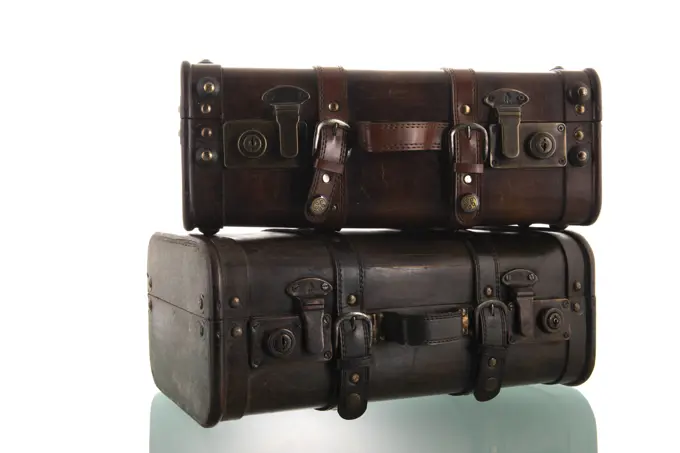
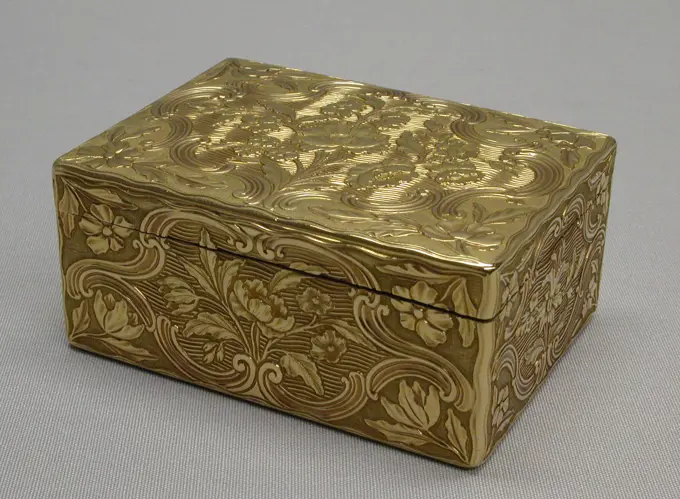
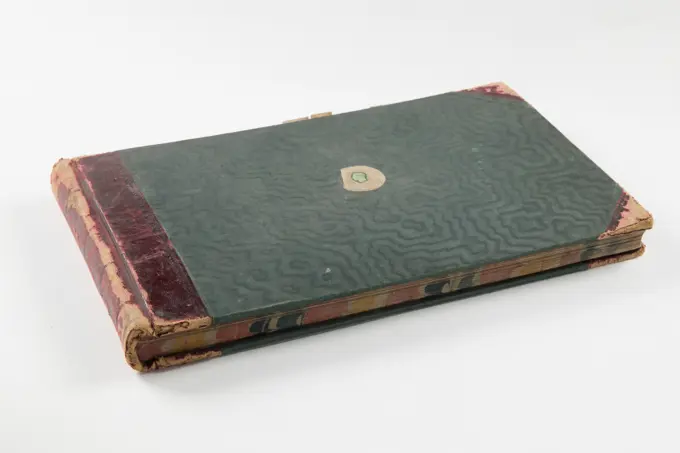
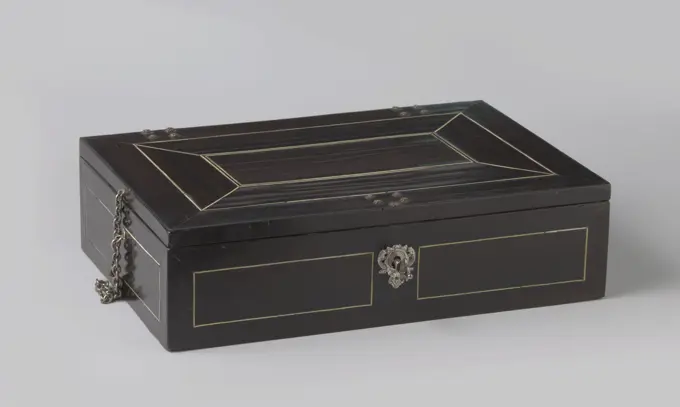
Collection of decorative wooden and leather chests, including a musical box and travel suitcase, showcasing intricate designs and historical craftsmanship.
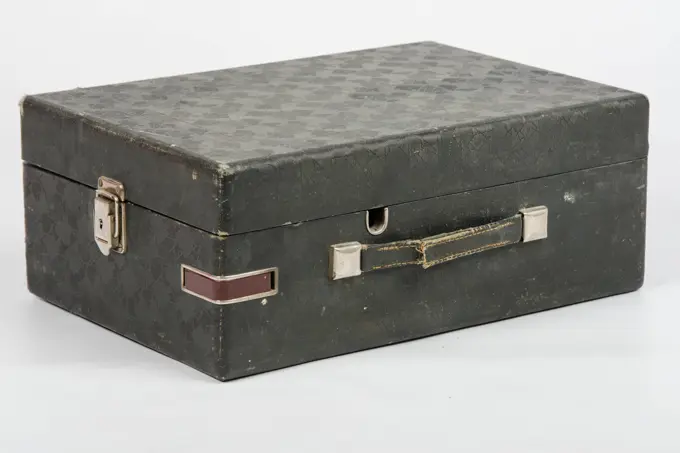
Old suitcase with gramophone inside isolated on a white background Old gramophone, a mechanical device for playing phonograph records, isolated on a white background ,model released, Symbolfoto Copyright: xZoonar.com/Alekseixivanovx 8017454 ,model released, Symbolfoto ,property released
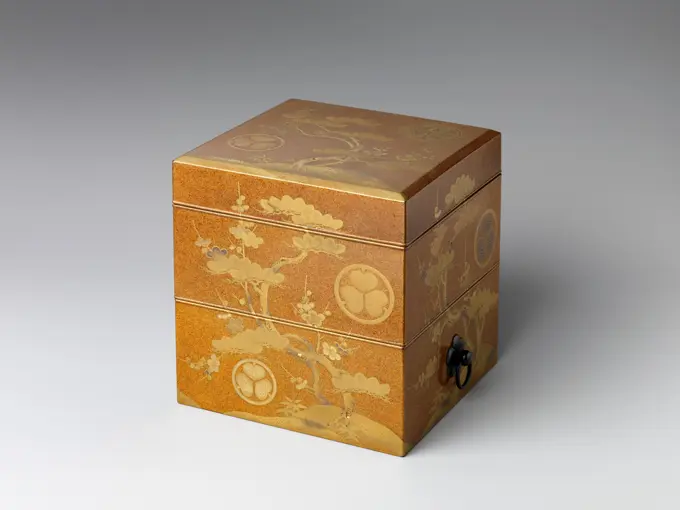
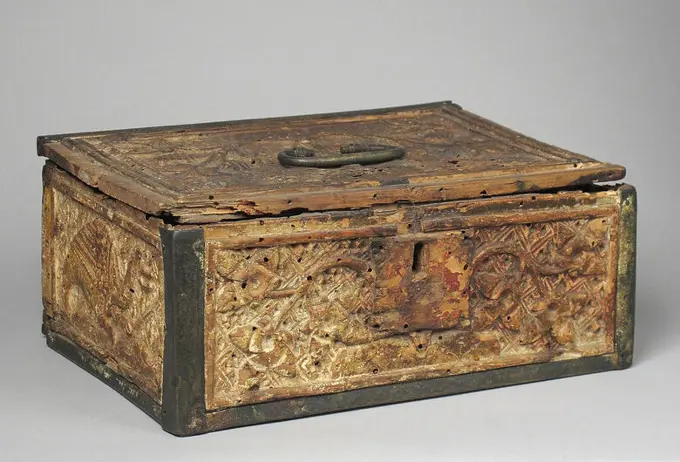
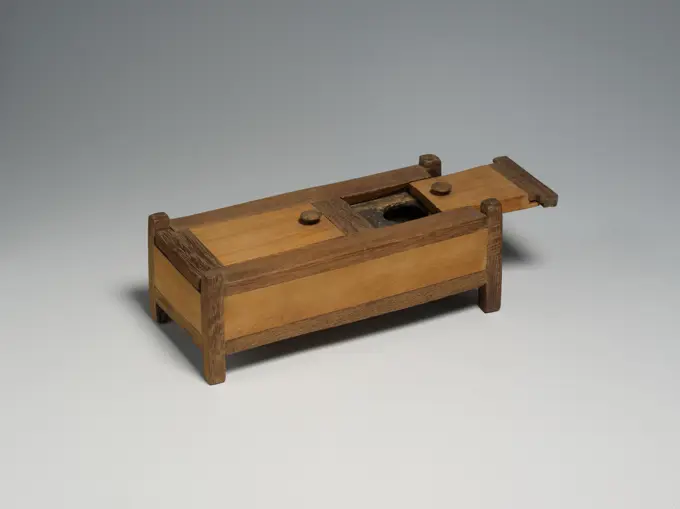
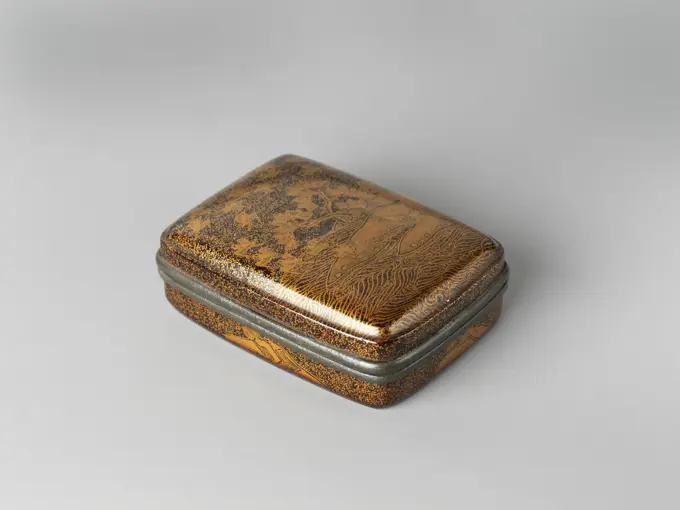
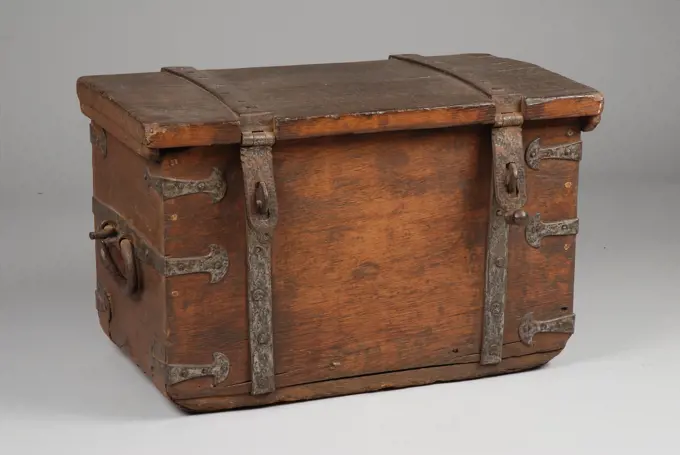
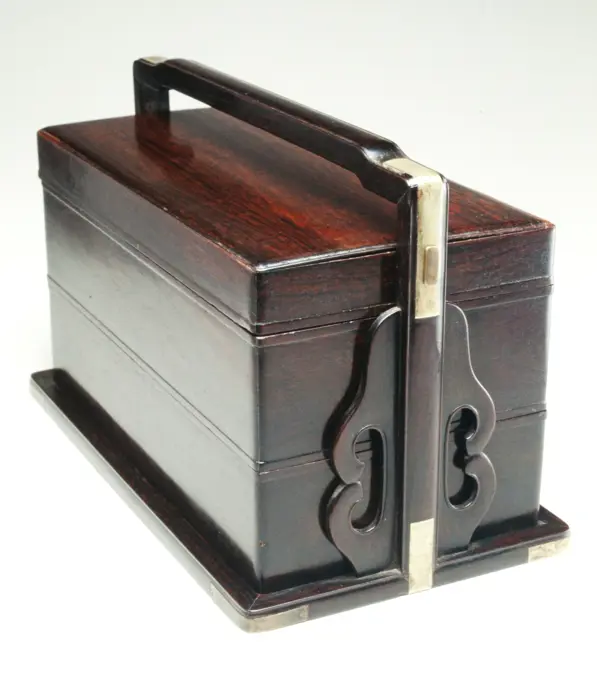
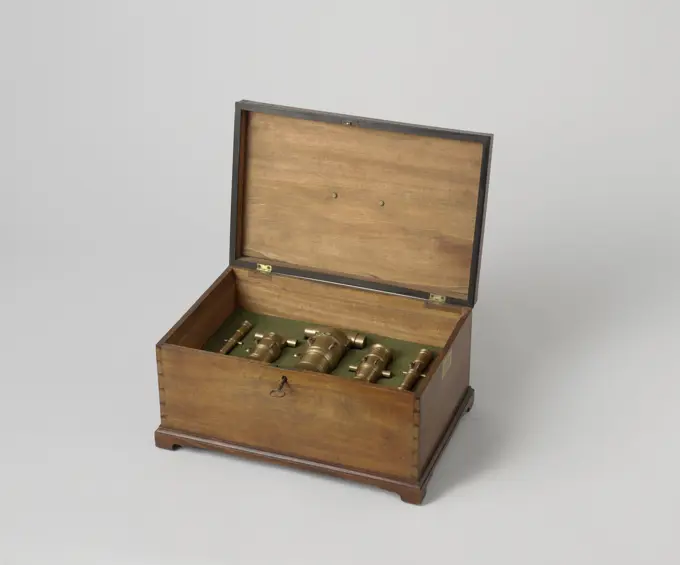
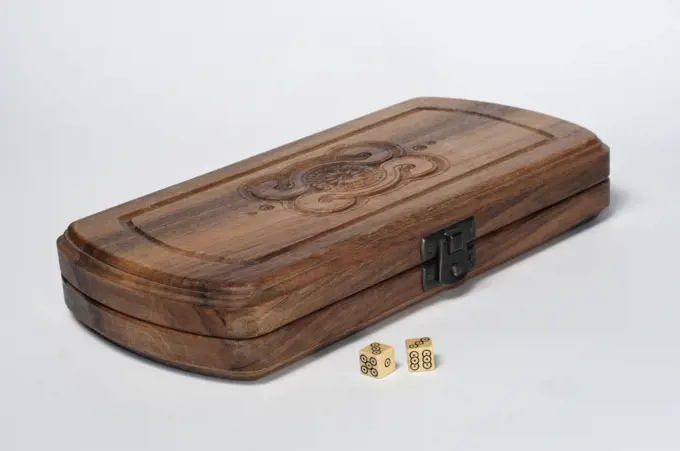
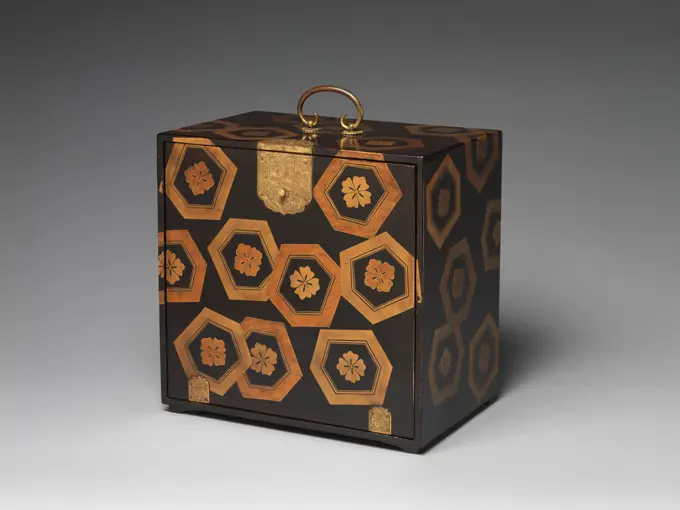
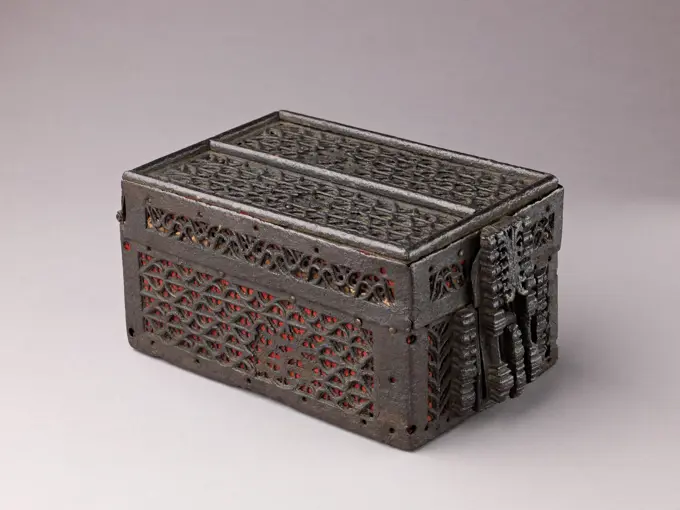
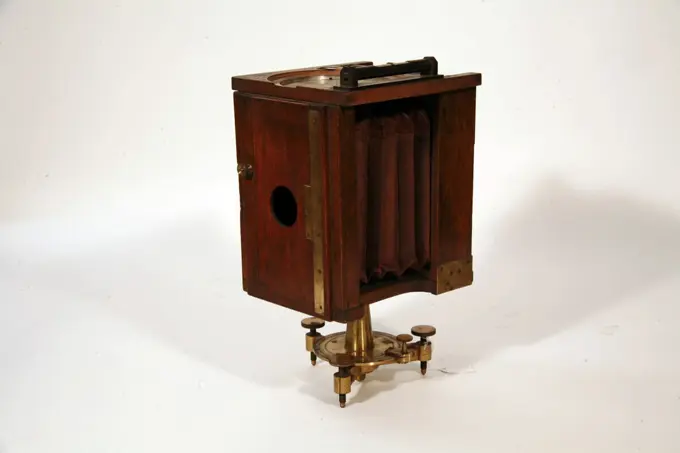
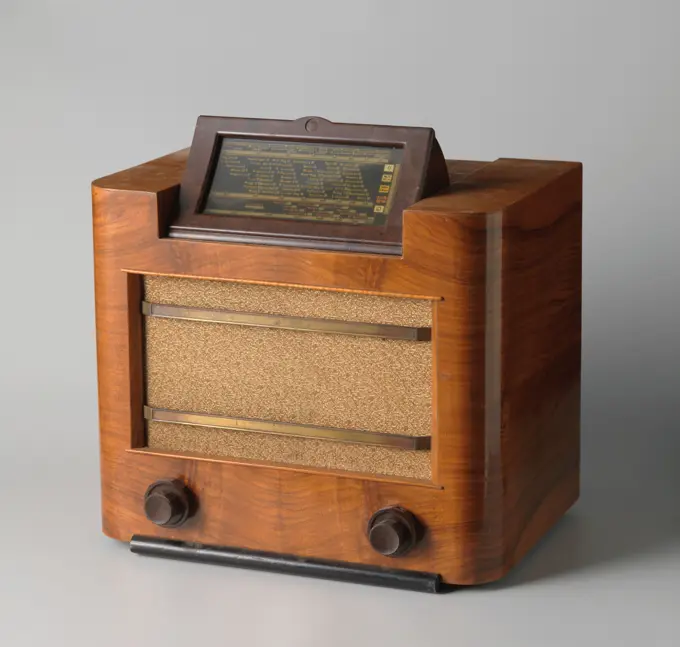
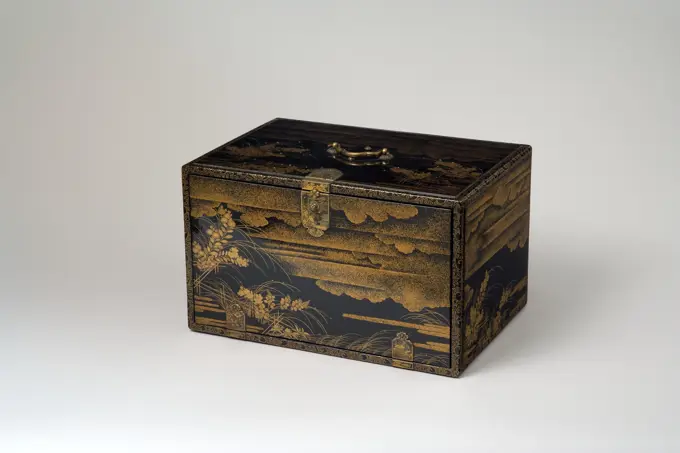
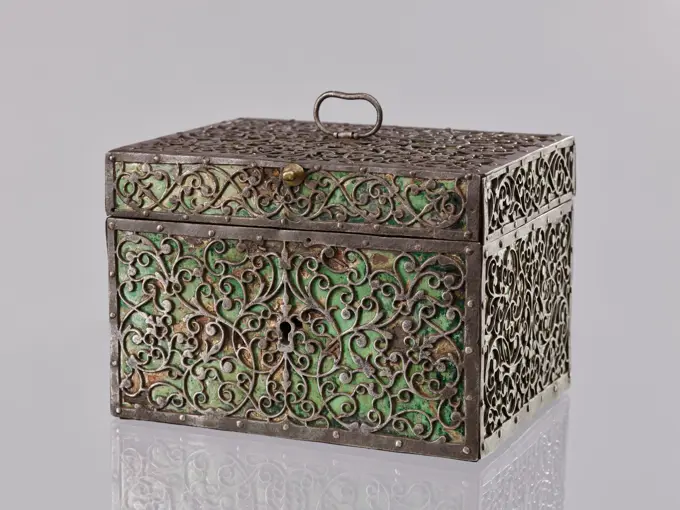
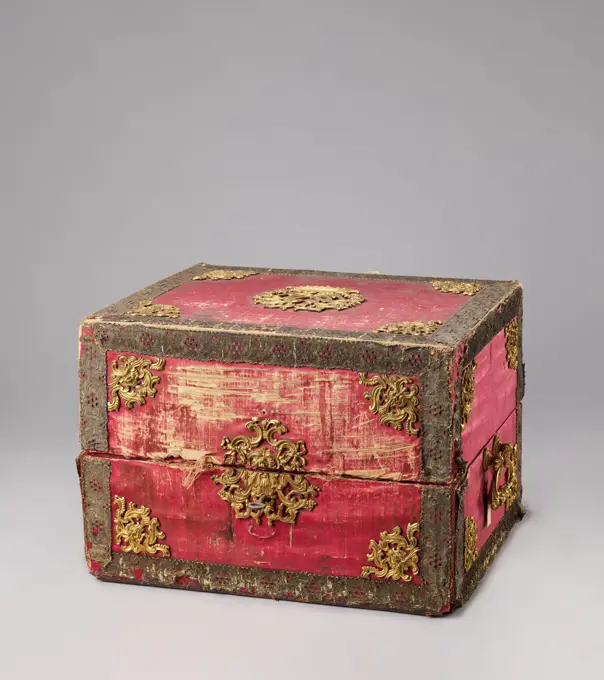
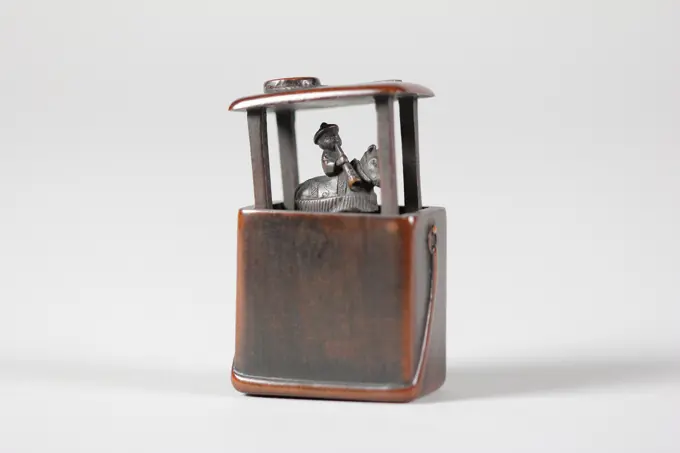
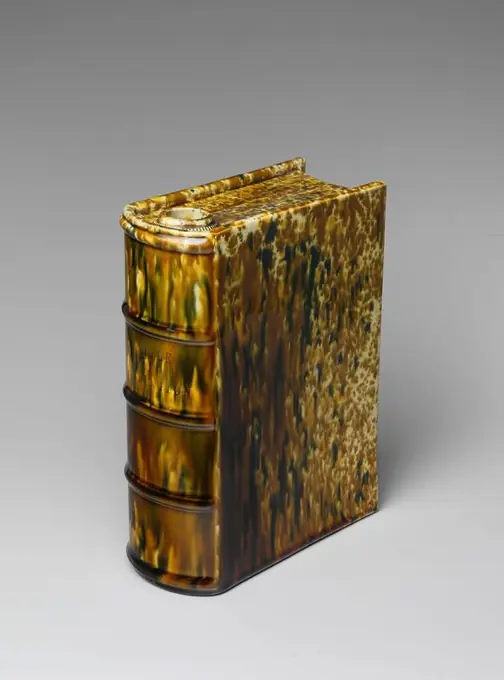
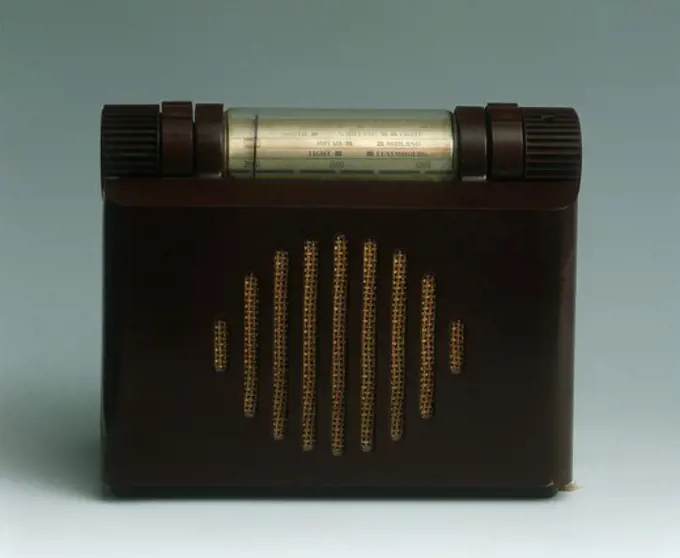
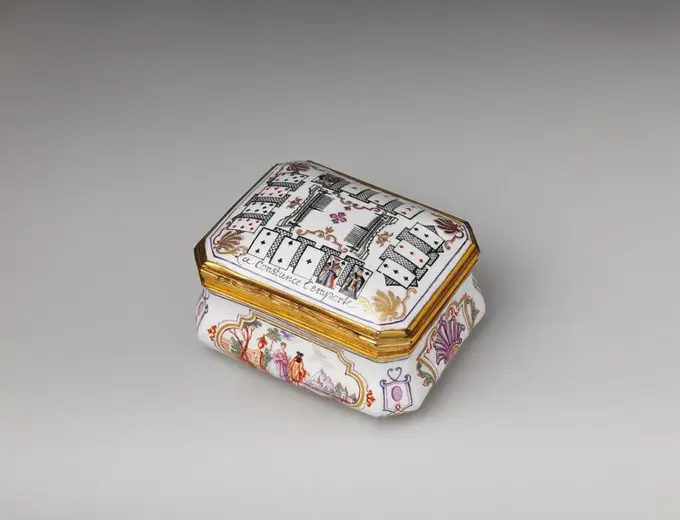
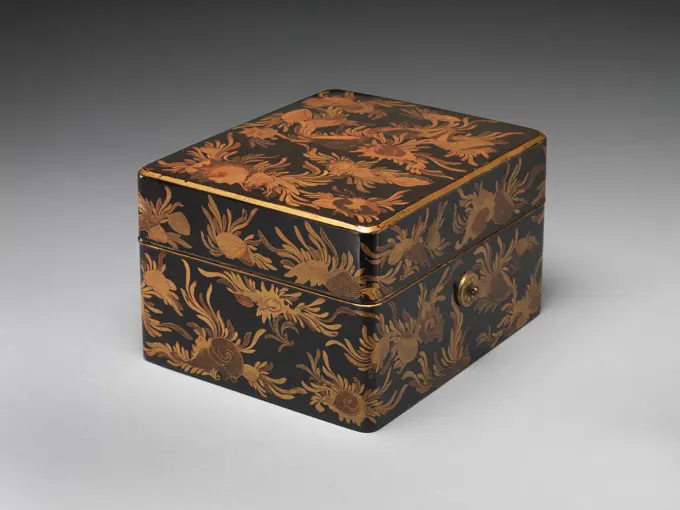
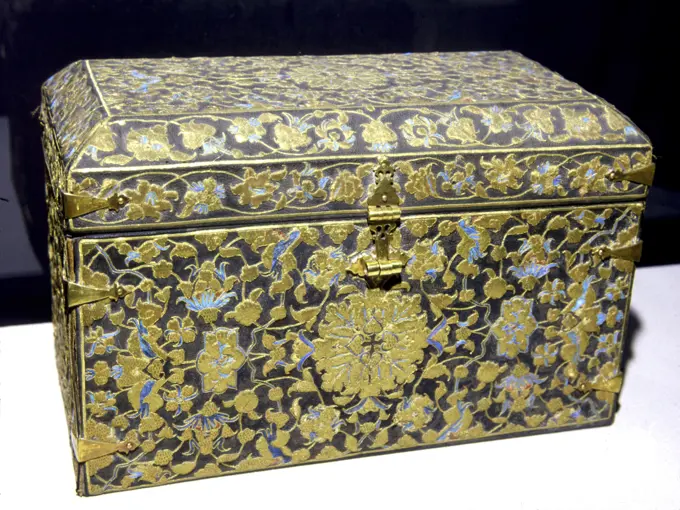
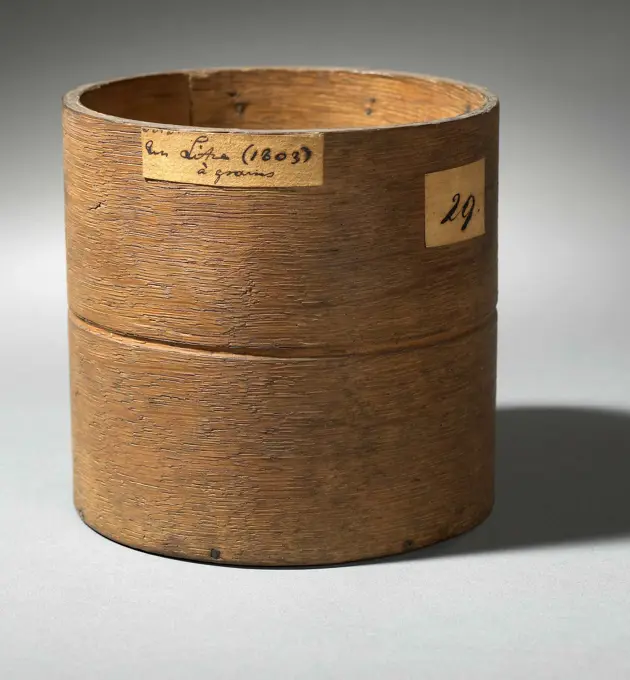
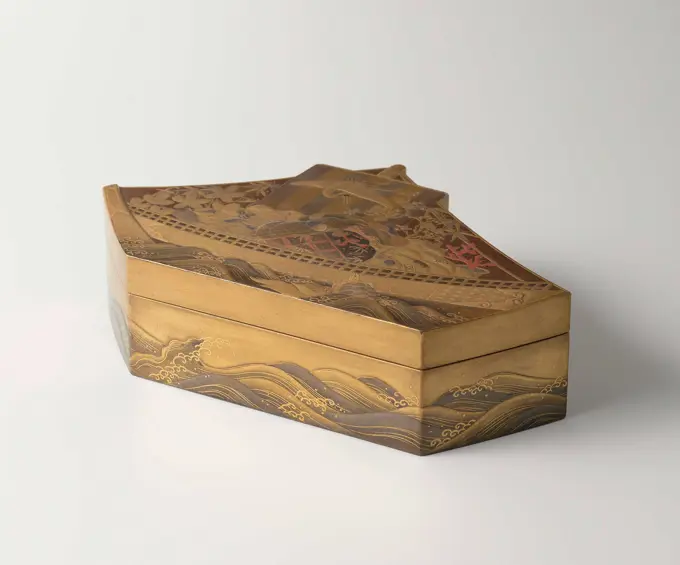
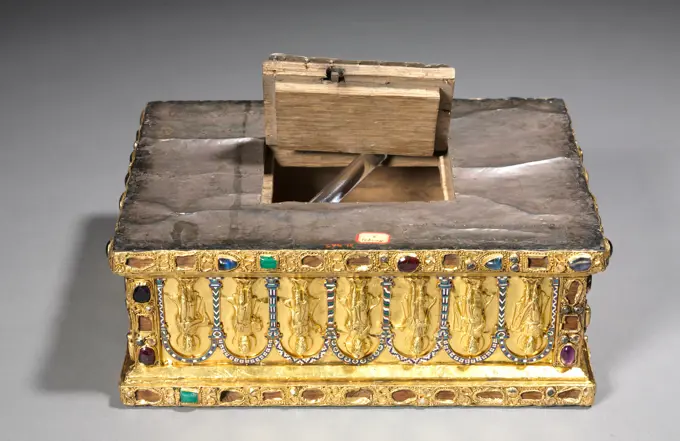
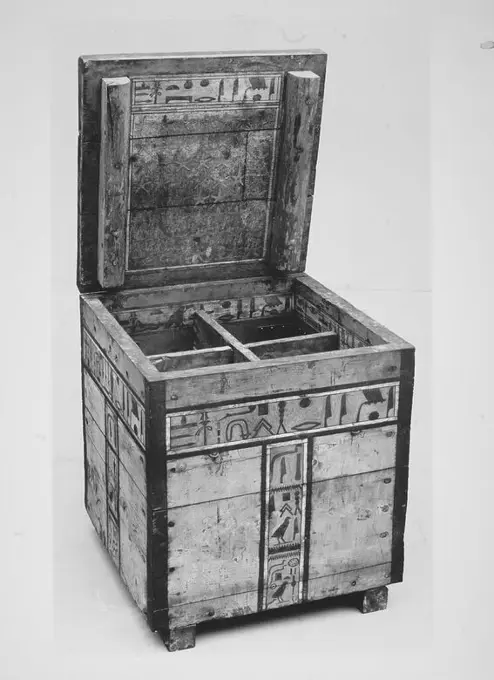
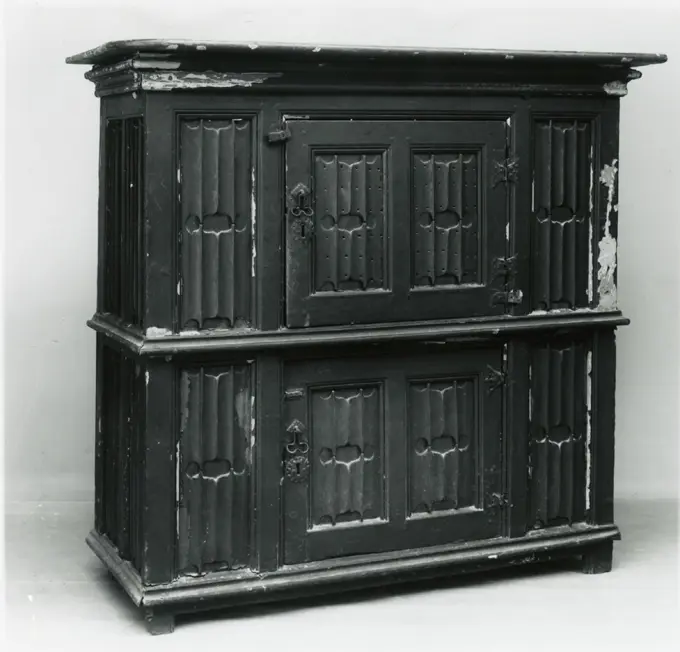
wooden chest isolated on whiteToilet kist of stinkwood, anonymous, 1700 - 1799  Toilet box with silver battle on the top in Louis XV style. A mirror on the inside of the lid. There is a button on the lock plate with which the loading is pulled open. The 4 corners of the box are decorated with openwork silver battle with an engraved decoration. Cape Province wood (plant material). silver (metal) engraving  Cape ProvinceLeather travel suitcase from Johan Rudolf Thorbecke. High square suitcase of leather with wooden frame and fabrics and paper inside. The leather has been edited sober. The lid is hinged and lockable with a lock. There are two leather handles on both sides of which the upper is thrilled away. Everywhere, especially on the lid, residues of address and send stickers. Midden is somewhere 'Minister Thorbecke' in handwriting. Ideally used by His travels through Germany in the period 1822-1833 and on later trips.Musical box, Vaucher, Fils Paillard (attributed to), 1874 - 1879 Cylinder play box n. 4422 with the piano and organ warehouse by P. van Leeuwen, Nieuwedijk over the Raamskooi in Amsterdam. Brass comb with 77 nuts (in f). Plays six melodies: Le Roi Louis XIII, Marche (Anon.); Errining an Enghien, Valtz (Zikoff); Mandolinata (Paladihe); Les Alsaciennes, Mazurke (Tedesco); Si J'étais Roi, Allegro de l'Ouverture (Adam); Kutsche Polka (Strauss). Holy Cross wood (plant material) Cylinder play box n. 4422 with the piano and organ warehouse by P. van Leeuwen, Nieuwedijk over the Raamskooi in Amsterdam. Brass comb with 77 nuts (in f). Plays six melodies: Le Roi Louis XIII, Marche (Anon.); Errining an Enghien, Valtz (Zikoff); Mandolinata (Paladihe); Les Alsaciennes, Mazurke (Tedesco); Si J'étais Roi, Allegro de l'Ouverture (Adam); Kutsche Polka (Strauss). Holy Cross wood (plant material)old suitcase isolated on white backgroundOld suitcase with gramophone inside isolated on a white background Old gramophone, a mechanical device for playing phonograph records, isolated on a white background ,model released, Symbolfoto Copyright: xZoonar.com/Alekseixivanovx 8017454 ,model released, Symbolfoto ,property releasedTrunk Anasta Froncz companyFlower Vessel. Japan, mid-Edo period, 18th century. Metal. (a) Shakudō body (copper and gold alloy), bronze handles; (b) Lead; (c) Lacquered wood Box from a Marriage Set first half of the 18th century Japan. Box from a Marriage Set 57595Utility Box 1825-30 Supiak. Utility Box. Supiak. 1825-30. Wood, metal. United States, Alaska. Wood-SculptureCoffret. Culture: German (). Dimensions: Overall: 7 x 9 3/8 x 11 in. (17.8 x 23.8 x 27.9 cm). Date: late 14th-early 15th century. Museum: Metropolitan Museum of Art, New York, USA.Chest wood and gold closed on a white backgroundBoard Chest. Culture: American. Dimensions: 18 1/2 x 45 3/4 x 19 in. (47 x 116.2 x 48.3 cm). Date: 1650-1700. Museum: Metropolitan Museum of Art, New York, USA.Ink well ca. 2030-1640 B.C. Middle Kingdom To make black ink, Egyptians mixed the carbon derived from partially burned organic materials, such as oil or wood, with some sort of binder, probably gum arabic. Red ink was made from hematite, a naturally occurring mineral form of iron oxide.. Ink well. ca. 2030-1640 B.C.. Wood. Middle Kingdom. From Egypt, Upper Egypt, Thebes, Asasif, East of Pabasa, Radim, Burial 6A.X.B12, MMA excavations, 1918-19. Dynasty 13-17Kist anno 1625, anonymous, 1625 The object that is largely composed of copper plate consists of three parts: the container, the lade and lid below. It is on four round legs and has a handle on the lid that has a profiled thickening in the middle and runs into acorns. Baking and lid are reinforced along the lace with profiled tires, which are, among other things, decorated with a trembler region. Internally, the container is riveted and soldered bulkheads divided into square and rectangular compartments. In the lid, a valve attached with a hinge is applied that can be secured with a button. Externally, the four hefty brackets of the two hinges are sounded on the bin and are attached, with which these parts are attached to each other. The engraved representations on the hinge side of the bin and lid make this side to the front of the box: on the bin in the middle the well -turbulent Samaritan -adorned Samaritan that has been removed from his donkey in a tree (without crown) and bends oveBox; wood, paintedThe Colonial Family Album photograph albumsIncense Box (Kogo) with Pines and Plovers early 14th century Japan Like many other tea-ceremony incense boxes, this work might have originally been part of a twelve-piece cosmetic box set (jnitebako), where it would have served as a container for tooth-blackening material. This meticulously crafted small box is decorated with an auspicious composition of plovers and evergreen pine trees on a seashore scattered with shells. Plovers are associated with longevity because their cry, chiyo, is a homonym for “a thousand years.”. Incense Box (Kogo) with Pines and Plovers. Japan. early 14th century. Lacquered wood with gold togidashimaki-e on nashiji (“pear-skin” ground). Nanbokuch period (1336-92). LacquerMiscellaneous, red box containing photos , Boxes, Photographs. Frank Cousins Glass Plate Negatives CollectionTwo models or filtering machines.Two identical models of a filtering machine for purifying drinking water, painted brown. The design consists of a flat, square container that is on a narrow side. Inside a piping system is laid: a thick pipe with a narrow branch runs from above diagonally to below, where a narrow horizontally running tube connects, which has an outlet in the side; On the other hand, a narrow vertical pipe with an open end leaves at the bottom of slightly above the bottom, where a drain pipe is in the side and above it a small compartment that the pipe comes in and is finished with a basket.Oak box, coffin cupboard furniture furniture interior design wood oak wood, approx. 22 kg Oak chest with on the outside band iron attached with nails; two handles on both sides; two transfer wackets with ball at the end of the lid which are pushed over the projecting staples at the front. Two padlocks were probably attached to the two staples.Egyptian Box, used to contain jewels or cosmetics. Wood and faience. New Kingdom (1550-1070 BC)Old suitcase on top of anotherTwo-tier picnic box, 18th century, 8 1/4 x 13 1/2 x 7 3/8in. (21 x 34.3 x 18.7cm), Wood, China, 18th centuryBox containing Six Models of Guns and Four Documents, Pieter Verbruggen (1735-1786), Jan Verbruggen, 1778 chest. presentation model. gunmodel Wooden box with six beautifully executed bronze gun models. The guns, two mortars, a Houwser and three guns, are all cut in length to show the soul. All running except the smallest cannon are equipped with dolphins, the Zundgat of the two mortars and the Houwitser has the shape of a shell. All walks are provided with taps, at the mortars at the bottom. This includes four documents found in the false soil of the coffin. Scale 1:12 (derived). United Kingdom bronze (metal). wood (plant material). brass (alloy). iron (metal). cloth. paper   EnkhuizenMusic box, Rosewood, Rectangular case inlaid with lines and, on top, a spray of leaves and flowers in colored woods. Top lifts to reveal glazed cover for cylinder and motor. Winding fitment to left, start and stop controls at right. Lithographed program lists eight tunes., ca. 1880, Decorative Arts, Music boxJewellery box Decorative jewellery box isolated with clipping path included Copyright: xZoonar.com/Baloncicix 7148978Closed Backgammon Board and DiceSuitcaseChest, exaggerated with leather, on which printed figures, anonymous, c. 1500 Chest, exaggerated with leather, on which printed figures.  leather. iron (metal). wood (plant material) Chest, exaggerated with leather, on which printed figures.  leather. iron (metal). wood (plant material)Coffin, covered with leather, which pressed figures. Coffin, covered with leather, which pressed figures.Empty wooden cutting board for preparing ingredients for preparing a delicious dish Empty wooden cutting board for preparing ingredients for preparing a delicious dish. Kitchen utensils Copyright: xZoonar.com/TetianaxChernykovax 21728388Azimuth Compass, Johannes van Keulen (I), c. 1750 compass Azimutkompas in Cardanusring in a wooden box, the lid of which is missing. The cardanus ring can be turned for polls. The compass has a fixed pelorus, the boiler is weighted with a lead weight at the bottom. The rose is made of mica, covered with paper on both sides; It is colored by hand and balanced with some black lacquer on the bottom. Amsterdam wood (plant material). brass (alloy). iron (metal). lead (metal). glass. precious stone (material). lacquer (coating). yarn. paperisolated wood boxBook-form camera obscura, Nekes collection of optical devices, prints and games, Camera obscura, ca. 1750, Camera obscura: wood, glass, and leather. When open, the device measures 56 cm. in height. Title on spine: Thétre de l'Univers.Model of a Carriage for a 30-pounder carronade. Model of a shift stringer for a 30 pound carronade with baking iron and adjusted. The body consists of two beams in the longitudinal direction with batter and rings, located on two heavy cross beams. The beams in the longitudinal direction are rounded to the front; On top of the front, the ears are applied with tapas and rear the trail for the elevation screw. In the middle, two slats are diagonally applied across the beams, between which an asymmetrical size is running. The cross beams protrude outside the longitudinal beams for extra stability and are on friction clings to limit reclin. Two small rollers on a hinge against the rear can pick up the back of the breeding iron with the help of the baking iron; The affruit then also rests on two wooden rollers, which are applied to the front crossbar, and is so easy to roll. Scale 1: 5 (derived).Cabinet with Design of Stylized Tortoiseshell Patterns late 16th-early 17th century Japan Often referred to as medicine chests, boxes such as this one, with a front cover and interior drawers, were also designed for traveling. The dramatic rendering of stylized tortoiseshells on the exterior is matched by the three wonderful cranes found on the front of the drawers. In both China and Japan, these motifs are often associated with a mythical mountain inhabited by immortals.. Cabinet with Design of Stylized Tortoiseshell Patterns. Japan. late 16th-early 17th century. Powdered gold (maki-e) on black lacquer; gilt-bronze handle, lock, and hinges. Momoyama period (1573-1615). LacquerKeyCasket; Gowland Brothers Ltd (London; company Z Otnicz; Fl. 1834-Ca 1959); 1951/52 (1951-00-00-1952-00-00);BetelBoxCoffret a mailles late 15th century French This coffret à mailles is covered with a double layer of wrought-iron sheaving with late Gothic grillwork, mounted on a wood support; the interior is lined with modern, red velvet. Caskets such as this one must have been produced in large quantities, as numerous examples remain. They were called coffret à mailles or à la manière dEspagne, in connection to the fine iron tracery of the sides and cover. Sometimes referred to as a missal box, this type probably preserved precious objects such as jewelry or small illuminated prayer books.. Coffret a mailles 461159Box square Black square wooden gift box blank closed Copyright: xZoonar.com/Baloncicix 14274174Dipping Needle Compass. Inclination pump bag in cardanus ring in a wooden box. The compass boiler is weighted with a lead weight at the bottom. The rose has a hole in the middle, over which a brass bridge runs with the suspension point for the pen; The hole in the rose leaves room for the needle, which is attached to the bridge with an axis to the bridge, to let it hilt vertically independently of the rose. The rose is balanced with a thin lead below.tattered book stack isolated on white backgroundPanorama camera produced by Marc François Louis Secretan, made of wood, produced between 1850-1865.Radio van Philips, Philips nv, 1936 - 1940  Almost square radio from Philips in brown wooden cupboard with rounded corners at the front. At the top a fold -out plate on which the scale for the radio stations. In the middle front, the loudspeaker is covered with textile. Buttons for on/off, station choice, volume and brightness. Cardboard back wall. Eindhoven wood (plant material). Bakelite (TM). metal. textile materialsOld chest isolated on the white backgroundDouble photo album (empty), anonymous, c. 1860 - c. 1900  Two photo albums in red -brown leather mounted on a common back platform, the front cuts facing each other. Both albums are lockable with a joint metal lock. The whole can be raised diagonally with the help of a movable valve under the back platform. Each album contains fifteen sheets of gold on cut with the same number of gold-colored passe-partouts for cabinet photos.  leather. wood (plant material). metal. cardboard. paper  book. .wooden chest isolated on whiteBook Cabinet (Shodansu) for a set of "The Chronicle of Great Peace" (Taiheiki) 18th century Japan This drop-front cabinet was designed to store the forty-two volumes of the Taiheki, a Japanese historical epic written in the late fourteenth century. It tells the story of Emperor Go-Daigos accession in 1318, moves through Ashikaga Takaujis betrayal of the Hōjō clan and Go-Daigos fall and expulsion by Takauji in 1333, and culminates with Go-Daigos return to Kyoto in 1338. The cabinet has six drawers, with inscriptions indicating which volume belongs to which drawer. The exterior of the cabinet is decorated with autumn grasses and flowers, further embellished with inlaid silver dewdrops. The upper part of the composition depicts clouds and mist (similar to Japanese painting) executed in very fine togidashimaki-e (burnished “sprinkled picture”) with delicate gradations. The edge of the box has stylized foliage designs.. Book Cabinet (Shodansu) for a set of "The Chronicle of Great Peace"Box - casket;  XVII-XVIII century (1601-00-00-1800-00-00);Double snuffbox ca. 1750-60 German. Double snuffbox 206143Antique wooden almira, Jodhpur, Rajasthan, India Copyright: xSafatxAli/DinodiaxPhotoxprice tag label at backgroundold suitcase tied with a belt Isolated on white backgroundPlayer from the casket;  early 18th century (1675-00-00-1685-00-00);Vintage suitcases isolated Two vintage suitcases isolated over white background Copyright: xZoonar.com/IvonnexWierinkx 17827294Snuffbox 1749-50 French, Paris In eighteenth-century Europe, Paris led the production of high-quality luxury goods. Parisian goldsmiths made a wide range of small, personal articles such as snuffboxes; étuis to hold sealing wax, tweezers, or utensils for sewing; souvenirs, which contained thin ivory tablets for note taking; and shuttles for knotting lace. Gold snuffboxes and boxes decorated with portrait miniatures were prized and frequently given as royal gifts, often to ambassadors or members of the court in lieu of cash payments for their services. Coveted and admired, these boxes were produced from a variety of materials. The best were skillfully made of gold and embellished with diamonds, enameled decoration, lacquer, and other luxurious materials. By the middle of the century, the taking of snuff had become an entrenched social ritual, and the snuffbox, too, had become an important social prop. Snuffboxes were considered highly fashionable accessories, with some merchants advertiModel of Cable Stopper, anonymous, c. 1830 - c. 1870 demonstration model Model of an unknown device, in which a steel cable between a row of three and a row of two discs is clamped. The rows of discs are pressed together by means of a stool. The cable has a heart of hemp and a small handle on one side to put on. Netherlands (possibly) wood (plant material). brass (alloy). iron (metal). ropeBasketwork Box with Peonies on Inset second half of the 19th century Japan. Basketwork Box with Peonies on Inset. Japan. second half of the 19th century. Bamboo, rattan, lacquer, and gold. Meiji period (1868-1912). Lacquerold case for the typewriter isolated on a white backgroundBrass design fitting on colourful wooden box, Jodhpur, Rajasthan, India Copyright: xSafatxAli/DinodiaxPhotoxCoffee machine;  IPO .Xxw. (1951-00-00-2000-00-00);Sale Register: Pistols, 1914-1916, by William Ockleford Oldman.Slip case for a book Case; USA; leather on paperWriting box with porcelain plaques, anonymous, c. 1800 - c. 1850 Writing box, on the lid four porcelain plaques painted with flowers and leaves and one with a figure. Under the narrow part of the lid space with separate compartments for ink jar and pens. China porcelain. wood (plant material). mother of pearl Writing box, on the lid four porcelain plaques painted with flowers and leaves and one with a figure. Under the narrow part of the lid space with separate compartments for ink jar and pens. China porcelain. wood (plant material). mother of pearlLearning Pod box at Penning van B'nai Berith, Anonymous, 1984 medal box Brown leather octagonal treasure box with a golden edge on the cover and a golden brand in the middle, including text. Inside of light brown suede and recess for medal. In cardboard box. Amsterdam leather. suede   NetherlandsWriting cassette, anonymous, c. 1700 Writing cassette of ebony with ivory inlaid and with silver seizure. Ink pot, sand spreader, many boxes. Inside lid has ivory weapon (from papara) with lambrequins, on which all the way on a pillow, a helmet with crown and three plumes.  oak (wood). ebony (wood). ivory. silver (metal) Writing cassette of ebony with ivory inlaid and with silver seizure. Ink pot, sand spreader, many boxes. Inside lid has ivory weapon (from papara) with lambrequins, on which all the way on a pillow, a helmet with crown and three plumes.  oak (wood). ebony (wood). ivory. silver (metal)Portrait of M Czyzna; Koppay, Józmi Arpad (1857-1927); 1919 (1919-00-00-1919-00-00);Men's portraitsNetsuke 18th century Japan. Netsuke. Japan. 18th century. Wood. Edo period (1615-1868). Netsukeold suitcase isolated on white background. Oval box, consisting of three bins, a flat lid and a carrier; A standing, straight handle is attached to the carrier that runs along the narrow sides of the boxes. The whole is covered with black lacquer with decorations in different shades of gold. The sides of the boxes are conceived as a whole and equipped with large oval medallions with flour rinks; Outside of geometric patterns with spreader flowers and birds. Among the medallions and on the lid edge tires with tires and geometric patterns. The decoration on the top of the lid has almost completely disappeared.Flask. Culture: American. Dimensions: 7 5/8 x 5 5/8 in. (19.4 x 14.3 cm). Maker: Probably United States Pottery Company (1852-58). Date: ca. 1853-58. Museum: Metropolitan Museum of Art, New York, USA.Tray (France), ca. 1890; Made by Unknown; felt, leatherEdison Bijou Phonograph. Maker: Thomas A. Edison, Inc.. Made in New York, USA.. Note on the top reads:. 'Drop a Penny in the slot turn crank gently till it stops'Model or a paddle shaft support. Model of part of the ship's skin with an outdoor device for the Rover axis. The cushion block for the axle rests on a platform, supported by three knees. The knees are covered with a smooth semi-circular plate, presumably as protection against splashing water. Two triangular side panels protect the block against splashing water. The cushion block consists of a slide, kegge and the ash. Scale 1:10 (derived).Old books isolated on white backgroundModern antiques, 20th century - Bakelite radio, 1950's.Snuffbox. Culture: Austrian, Vienna. Dimensions: Overall: 2 1/16 × 3 3/16 × 2 11/16 in. (5.2 × 8.1 × 6.8 cm). Factory: Vienna. Factory director: Du Paquier period (1718-1744). Date: ca. 1735.The complex decorative schemes on this box, including four hands of playing cards on the lid, a game of chess in progress on the underside, and three enigmatic inscriptions, suggest that it was commissioned as an intimate gift and expresses a coded message that cannot be easily deciphered today. Museum: Metropolitan Museum of Art, New York, USA.Japanese Lakkistje, Anonymous, 1600 - 1650 chest Brown lacquer with a bulb lid. Two silver hinges (5 x 2 cm) at the back. On one man, head -on head, dressed in wide pants, half -height boots with weak edge, a short shoulder mantle, wambuis, wide collar and hat with a wide edge. On the other hinge a woman, also up but something to the left here. She wears a long dress. The left hand rests on her side. The right arm is extended to the left. The upper part of the hinges consists of a fantasy string in the canopy shape. At the front a silver key plate in cartouch shape and a key. Above that also a canopy -shaped decoration (9 x 5 cm). The paintwork pattern is composed of pearl rectangles with medallions in the middle. In the middle of the lid a silver handle (8.2 cm wide). Japansilversmith: Netherlands wood (plant material). mother of pearl. lacquer (coating). silver (metal) sawing / inlay (process) / lacquering / forging / engraving  JapanPatent 'Academy' camera by Marion & Co., two-eyed, 3.25 x 4.25 inches, with Rectilear-Linear viewfinder lens (No. 112988) and recording lens with disc closure, wooden construction, 1881.Horae Beatae Mariae Virginis Flemish. Horae Beatae Mariae Virginis, 16th century. Manuscript in opaque watercolor and ink with gold, 3 3/4 × 2 7/8 × 1 1/8 in. (9.5 × 7.3 × 2.9 cm).   European Art 16th centuryBox for Personal Accessories (Tebako) with Shells and Seaweed Design 17th century Japan Boxes of this shape were used as early as the twelfth century to hold personal accessories such as combs. From the seventeenth century onward, groups of such boxes were part of the extensive sets of lacquered furnishings found in the trousseaus of the elite and of the expanding merchant class.. Box for Personal Accessories (Tebako) with Shells and Seaweed Design. Japan. 17th century. Lacquered wood with gold hiramaki-e, and e-nashiji on black lacquer ground. Edo period (1615-1868). LacquerBox covered in gold embroidery. 1550. Suleyman the Magnificent Ottoman Treasure from the Topkapi palace, Istanbul. TURKEY.Agustí Roqué / "Ratexma", 2005, Sculpture.Grain size of 1 liter. Wooden grain size of 1 liter with label.Set vintage wooden chest on white background.. vintage wooden chest on white background. Paint box in the shape of a treasure vessel (takaraboon) in gold and red lacquer.Open vintage suitcase Vintage open carton suitcase isolated over white background Copyright: xZoonar.com/IvonnexWierinkx 10151723Old book isolated on white backgroundTrap door for the Portable Altar of Countess Gertrude, c. 1045. Germany, Lower Saxony, Romanesque period, 11th century. Gold, cloisonné enamel, porphyry, gems, pearls, niello, wood core; overall: 10.5 x 27.5 x 21 cm (4 1/8 x 10 13/16 x 8 1/4 in.). Commissioned by Countess Gertrude of Brunswick, this portable altar is one of the Guelph Treasure’s earliest and most sumptuous objects. The choice of white-speckled porphyry as the altar stone signals Gertrude’s worldly aspirations; an imperial color since classical antiquity, porphyry was only used by the imperial family. Historical figures of royal and imperial rank are depicted with Christ, the Virgin, apostles, and archangels along the altar’s sides, stressing the countess’s political ambitions and claim of imperial lineage for her own dynasty. The Latin inscription surrounding the altar stone reads, "Gertrude offers to Christ, to live joyfully in him, this stone that glistens with gems and gold."Old rusty red metallic jerry can.Canopic chest of Ukhhotep. Dimensions: Box: h. 56 x l. 57.5 x w. 56.8 cm (22 1/16 x 22 5/8 x 22 3/8 in.); Lid: h. 5.4 x l. 57.5 x w. 56.8 cm (2 1/8 x 22 5/8 x 22 3/8 in.). Dynasty: Dynasty 12. Date: ca. 1981-1802 B.C.. Museum: Metropolitan Museum of Art, New York, USA.Scientific instrument - Culpepper Compound Microscope, 18th Century. Drawer from microscope's oak case, containing assorted slides (1965T5099.2 to .12)... Microscope with lignum (wood) base, two-tier baluster-shaped brass tripod supporting cardboard and lignum main body. Shagreen (shark skin or rough leather) covered outer tube, with lignum cap. In wooden (oak) case... Purchased from Edward H Pinto, 1965.An anonymous travel camera measures 12 x 16.5 cm and is constructed from wood, dating between 1870 and 1890.Cupboard 15th-16th century Netherlandish. Cupboard. Netherlandish. 15th-16th century. Oak. Woodwork-FurnitureWooden plane Wooden plane, boards and a shaving on a white background Copyright: xZoonar.com/AlexanderxStrelax 3889029Portrait of an unknown baby, 1900 - 1930 photograph. frame   wood (plant material). glass. baryta paper. cardboard. metal. rope gelatin silver print historical persons. infant, baby ~ the ages of man