Vintage Wooden Chests and Suitcases

Collection of decorative wooden and leather chests, including a musical box and travel suitcase, showcasing intricate designs and historical craftsmanship.
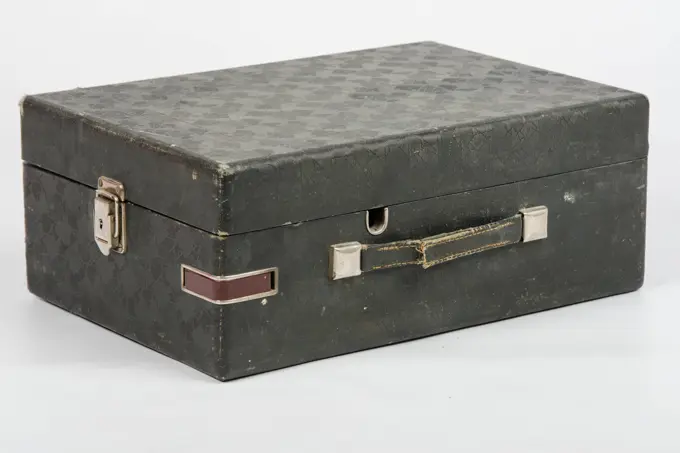
Old suitcase with gramophone inside isolated on a white background Old gramophone, a mechanical device for playing phonograph records, isolated on a white background ,model released, Symbolfoto Copyright: xZoonar.com/Alekseixivanovx 8017454 ,model released, Symbolfoto ,property released
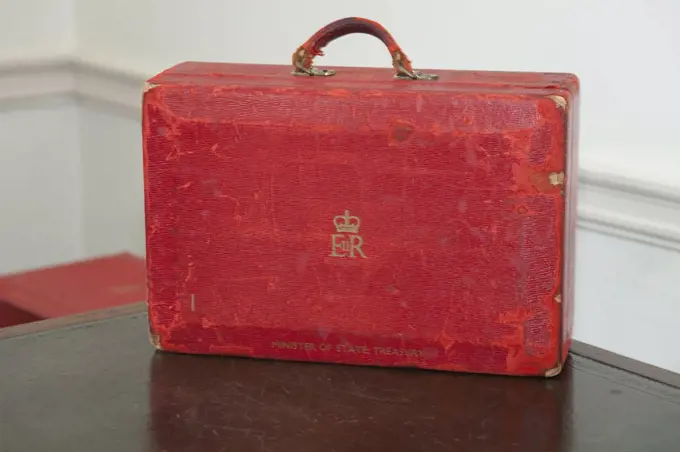
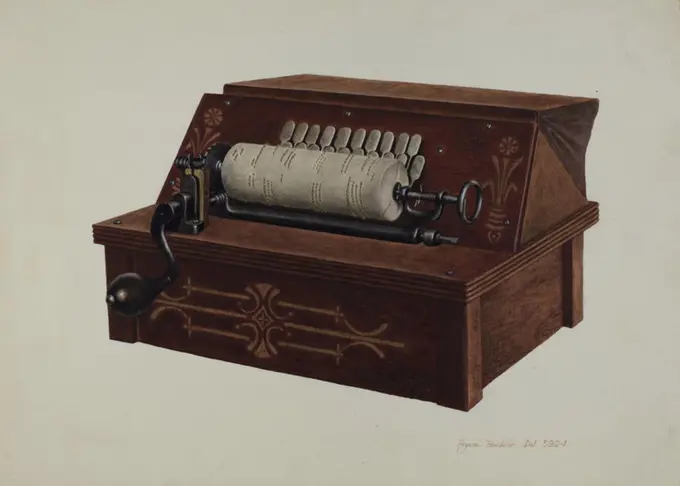
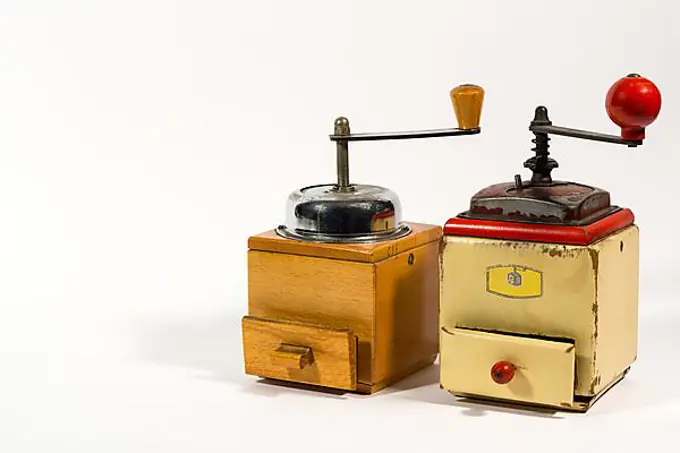
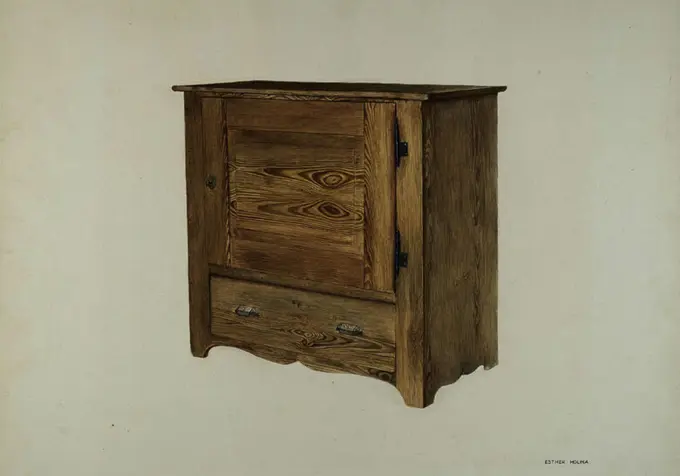
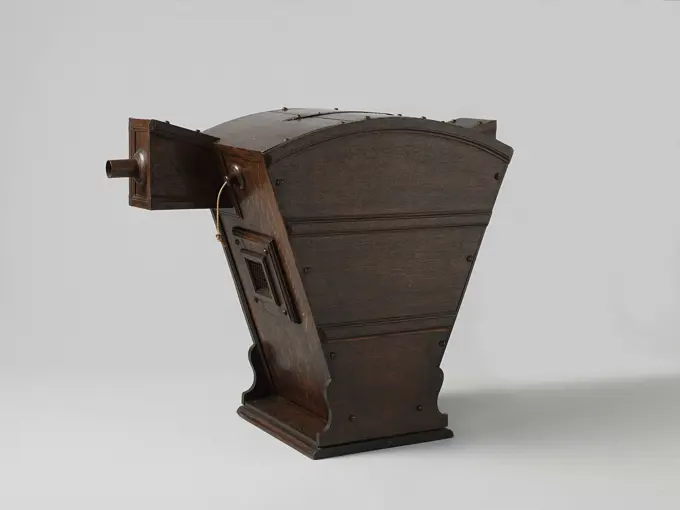
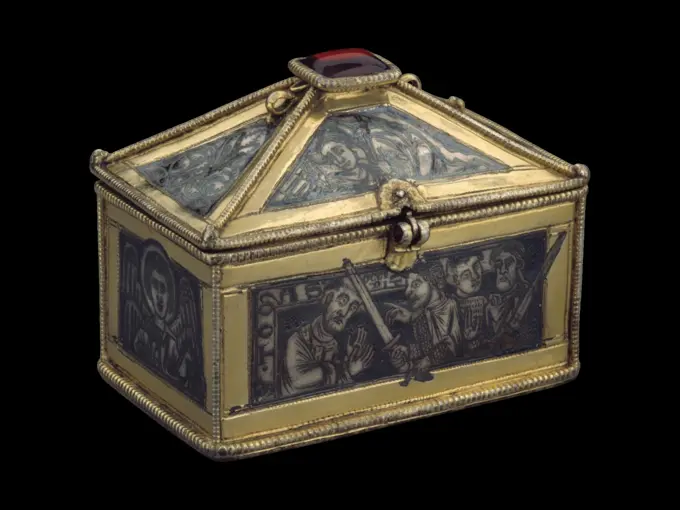
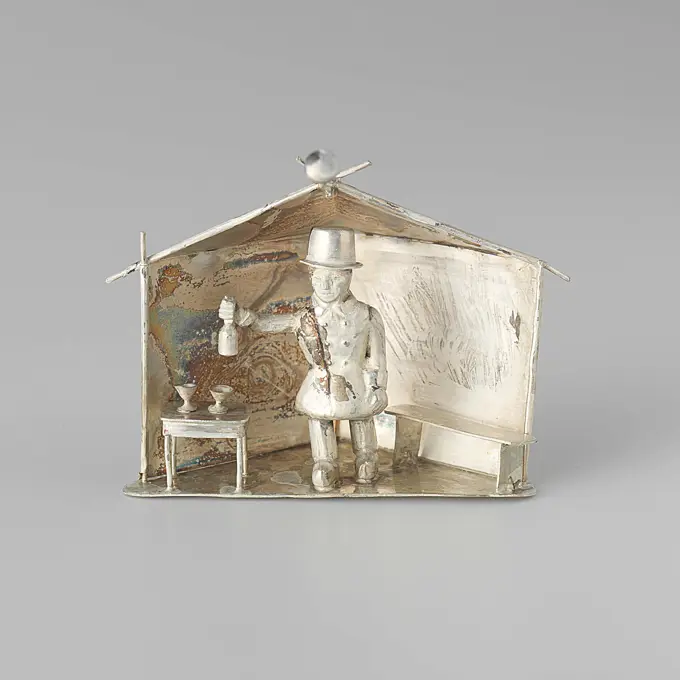
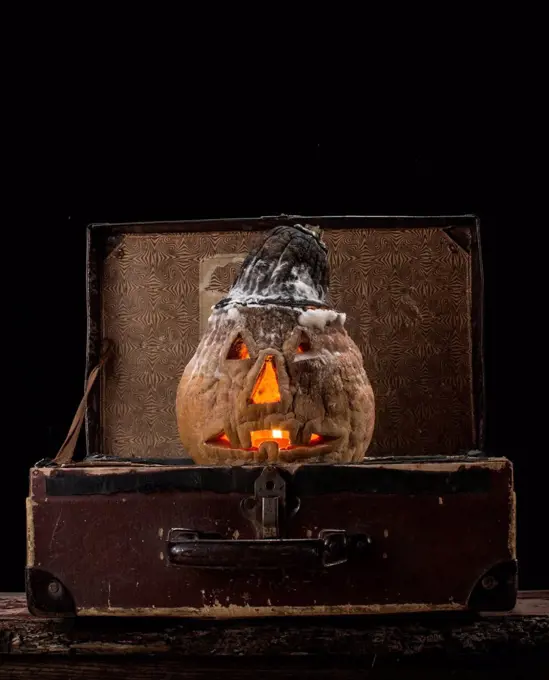
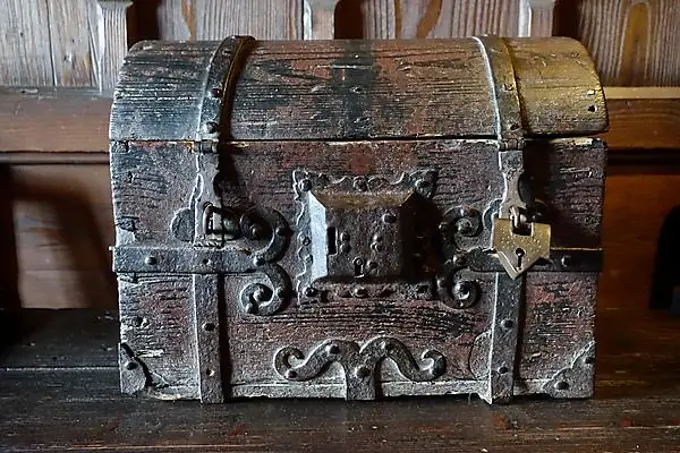
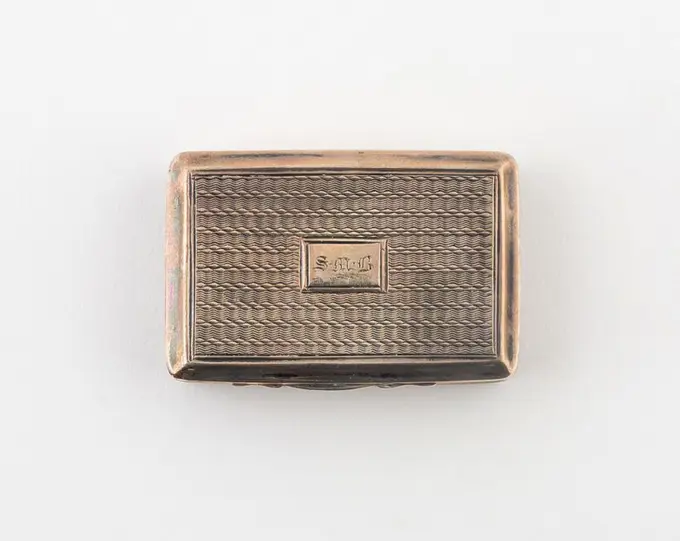
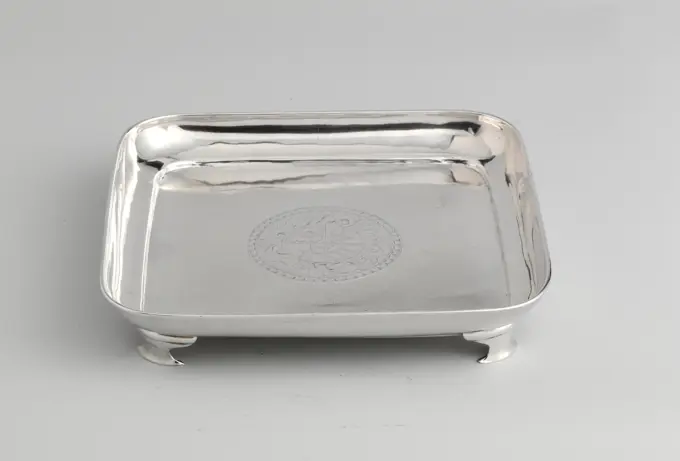
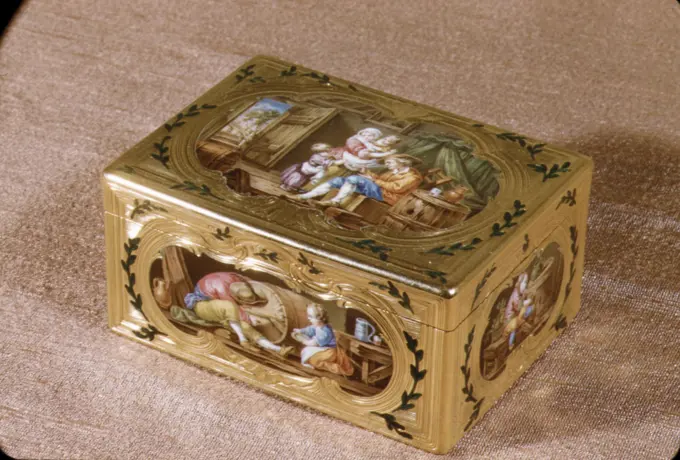
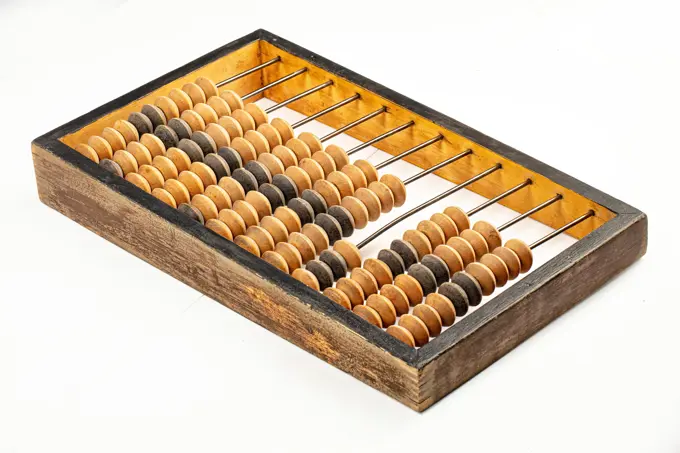
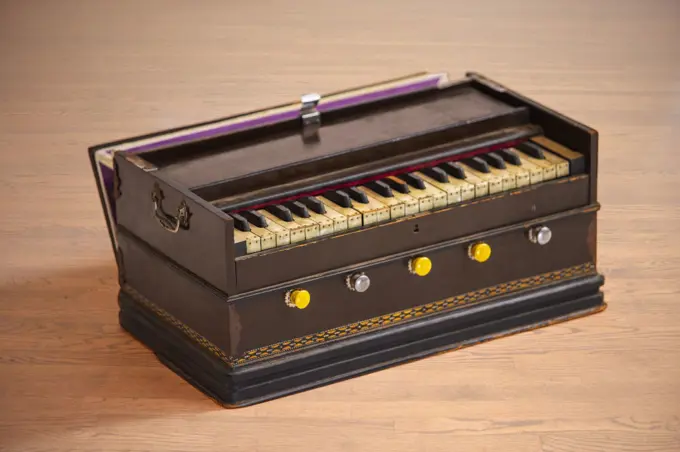
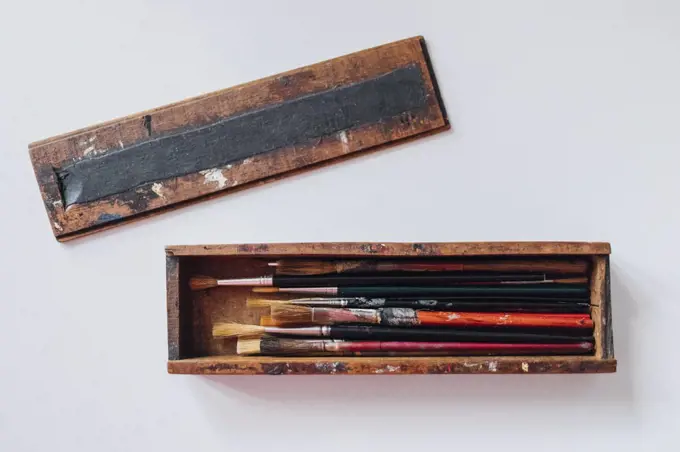
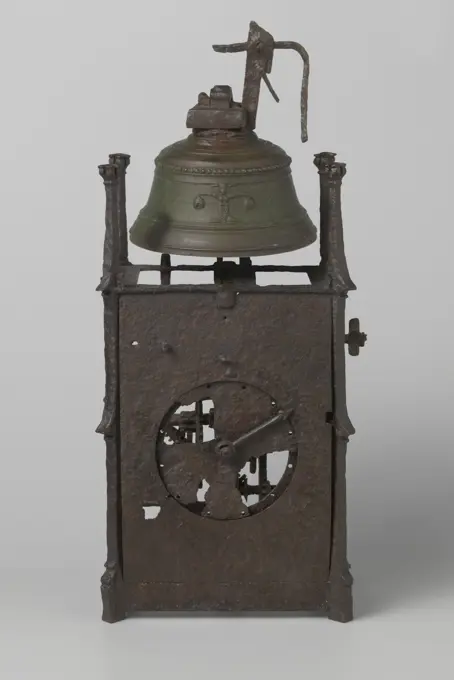
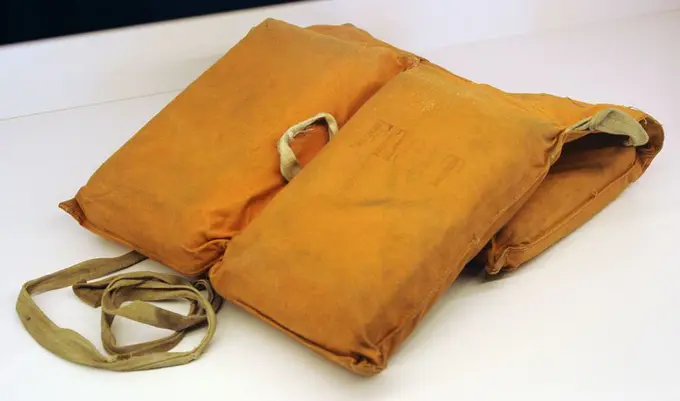
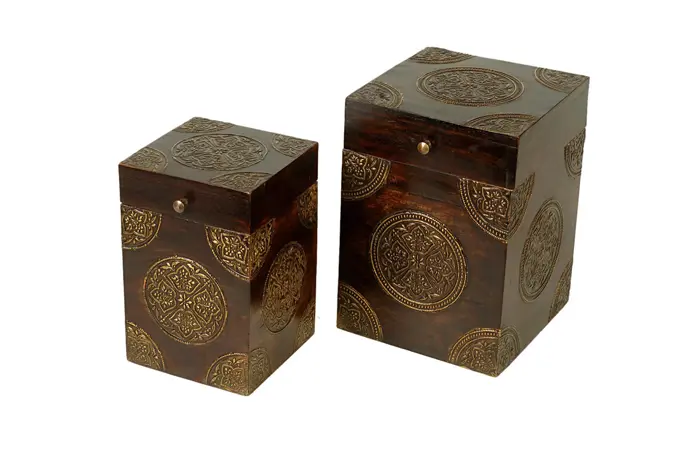
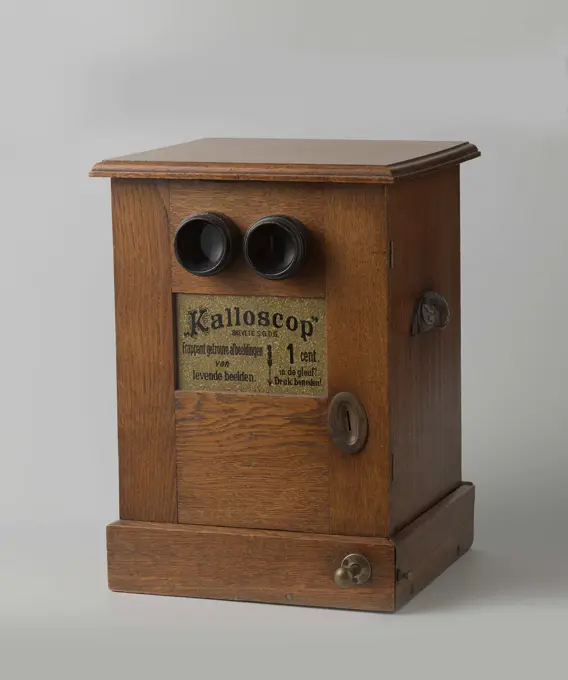
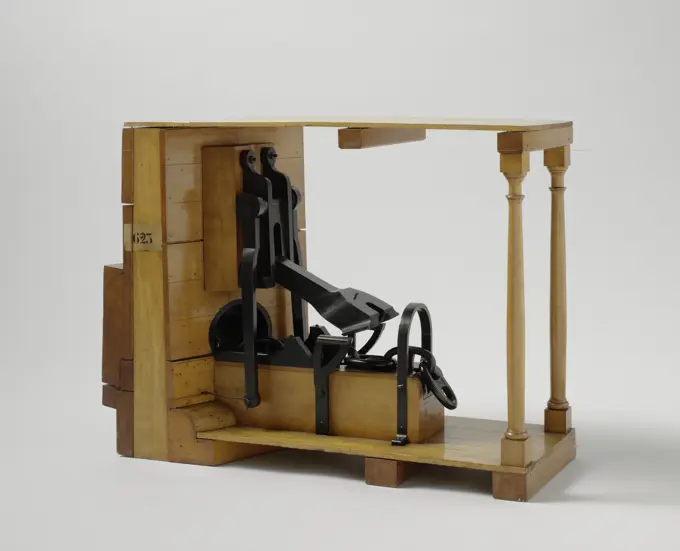
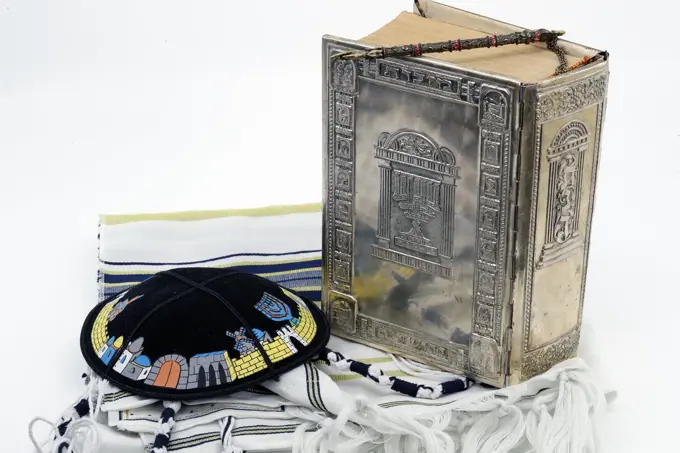
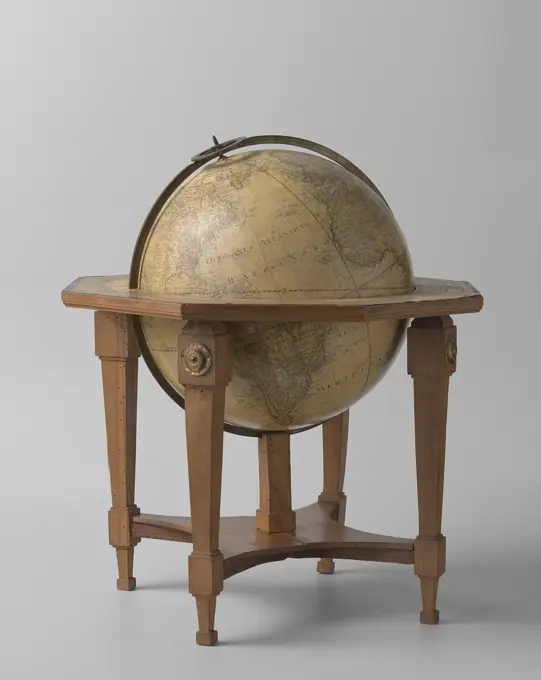
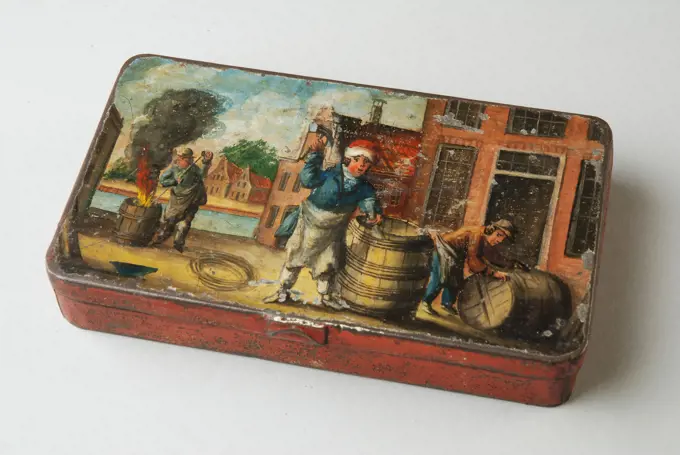
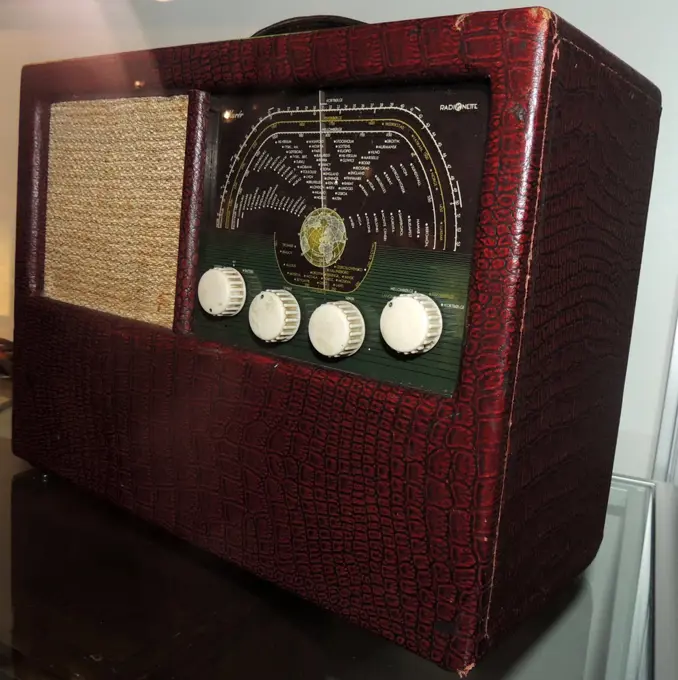
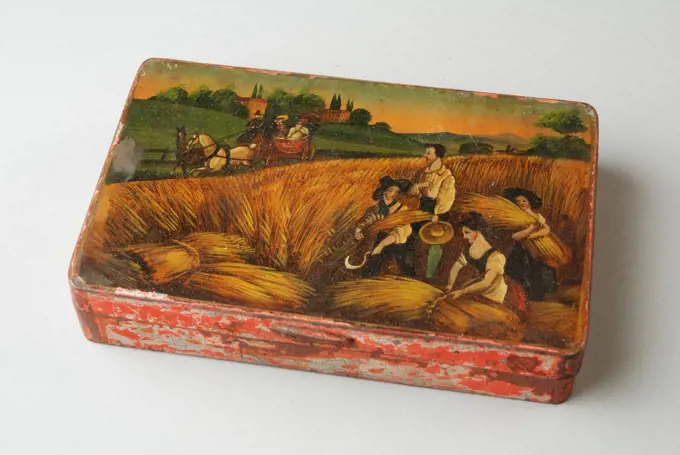
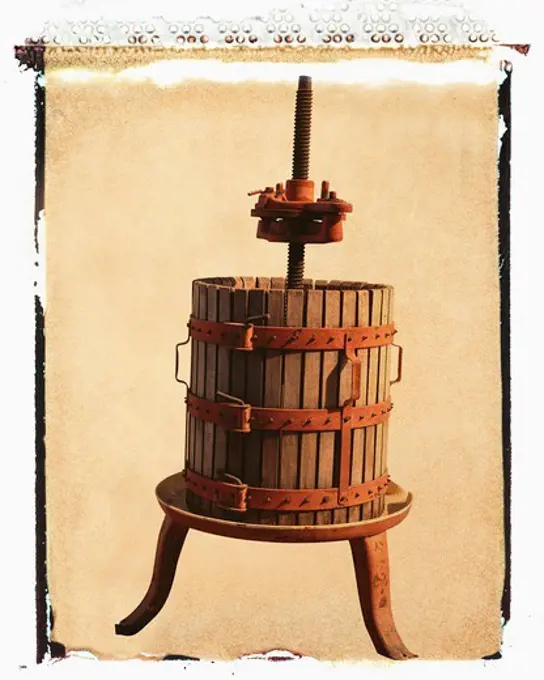
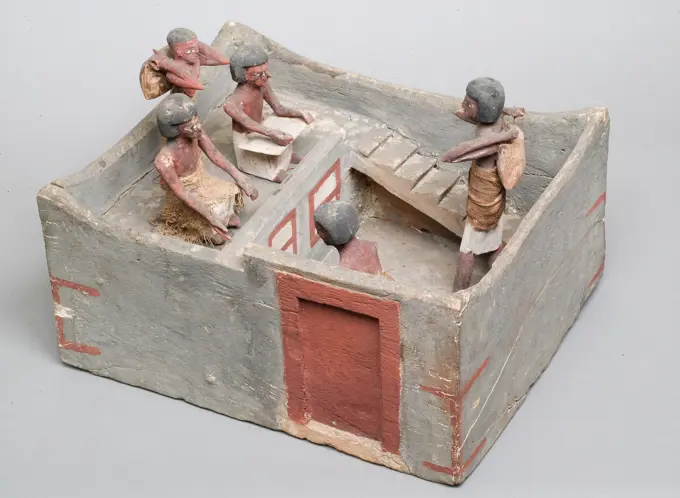
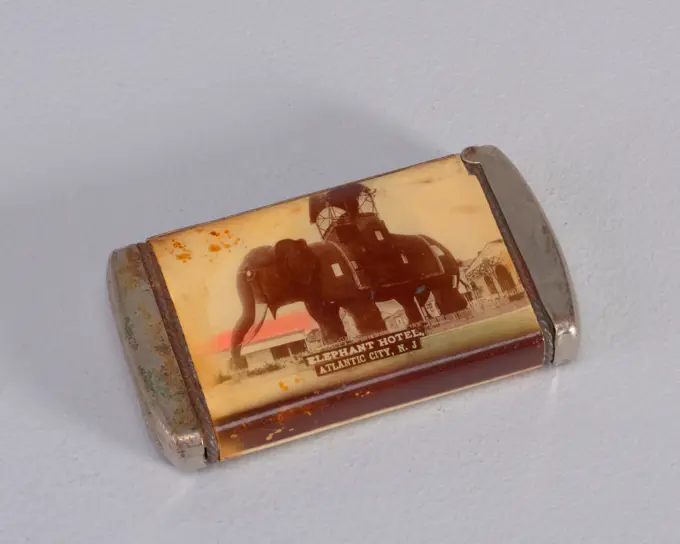
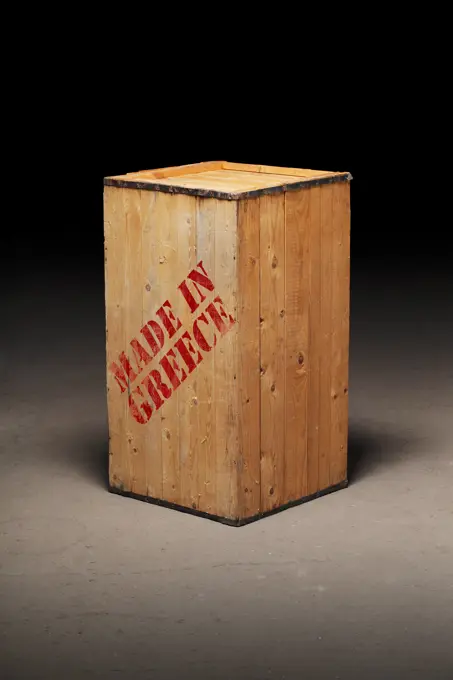
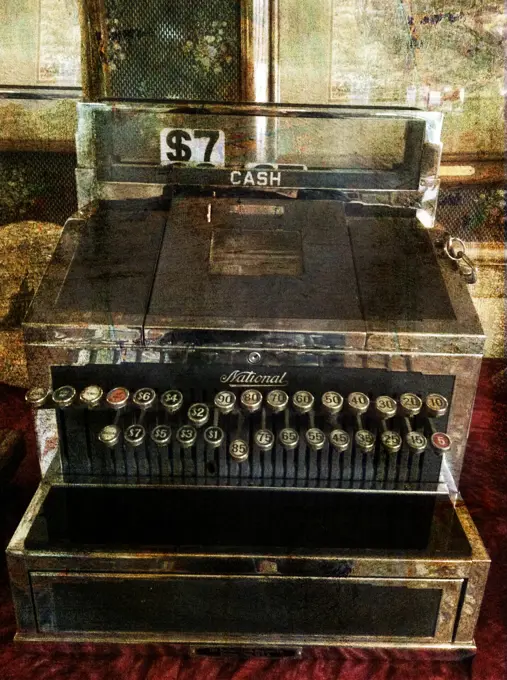
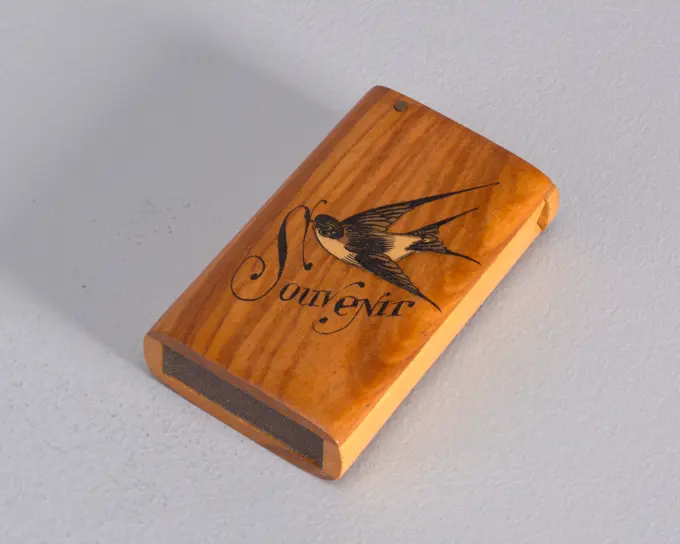
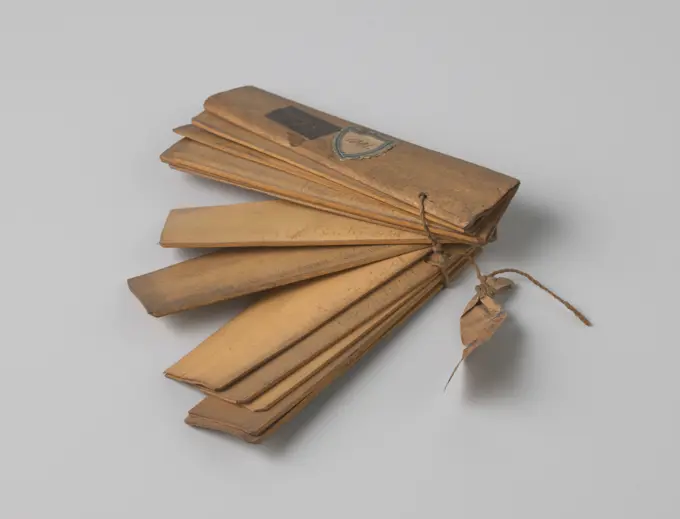
Balinese bible on bamboo. Balinese Bible on BambooWooden medicine box against white backgroundEngland, London, Treasury Office red document box as used by the Chancellor of the Exchequer on budget day.Eurycope objective lens Series IV6 No.23613 by Voigtländer & Sohn, focal length 54.7 cm, aperture 1:6.0, glass lens, brass frame, wooden mount, produced 1877.Melodeon. Dated: c. 1939. Dimensions: overall: 25.3 x 35.7 cm (9 15/16 x 14 1/16 in.). Medium: watercolor, graphite, and pen and ink on paperboard. Museum: National Gallery of Art, Washington DC. Author: Regina Henderer.Gold Mold, 4 3/8 x 3 1/2 x 1 in. (11.11 x 8.89 x 2.54 cm), StoneOld wooden colored manual coffee grinders on white background, with copy spaceChest. Dated: c. 1939. Dimensions: overall: 33.6 x 44.6 cm (13 1/4 x 17 9/16 in.). Medium: watercolor and graphite on paper. Museum: National Gallery of Art, Washington DC. Author: Esther Molina."Appareil Dubroni travel camera, wooden body, 8 x 10 cm, with developing accessories, made between 1860 and 1870, illustrating mid-19th-century photographic equipment."board game of senet, made in ebony and ivory. From the tomb treasures of Tutankhamen, discovered in 1922. Tutankhamen was an Egyptian pharaoh of the 18th dynasty (ruled c. 13321323 BC). Now on display in the Cairo Museum.1/4 suitcase from alkmaar. Span tanage of 1/4 Zakmate, V.Z.V. Mark and label.Wooden gift box in shabby chic and pyrographyThree tarpaulin leather soldier breads, with a small support beltInsert lock. A plug-in lock of a furniture, also music box. The square lock case is attached to a slightly larger copper mounting plate. Two accompanying keys with clover leaf-shaped pipe and a small key with copper handle for winding the music box.Model or a fan. Model of a fan working as a double bellows. Part of the cover can be removed to show the inside. In the body, which has the shape of a circle segment on its point, moves a shelf back and forth, hinged in the tip. The shelf is drawn with ropes on either side. Simple valves consisting of a wooden valve on either side inside the air for turns. If the air is compressed on one side, it is discharged via a similar valve at the top to a round ventilation channel, one of which is mounted on each side.Hand press on tow legs that end in lying lions, anonymous, 1500 - 1515 Hand press (textile processing tools) of oak, resting in trailing ending in lying lions. The styles of the scaffold, alternately smooth and twisted and interrupted by rings, polygonal base and capitals, were crowned by shielded lions. The scaffold bar has outgrades and has been widened in the middle for the screw spindle, which runs from below in a pavement flanked by support pieces. Under the three sheets a cupboard with sliding lid on the front; The front and rear shot are made of beech wood. Low CountriesNetherlands wood (plant material). oak (wood). beech (wood) Hand press (textile processing tools) of oak, resting in trailing ending in lying lions. The styles of the scaffold, alternately smooth and twisted and interrupted by rings, polygonal base and capitals, were crowned by shielded lions. The scaffold bar has outgrades and has been widened in the middle for the screw spindle, which runs from below in a pavemButting Goat, Tree Stump' mechanical bank, c. 1887, H. L. Judd Manufacturing Company, Wallingford, Connecticut, c. 1830-1960s, 2 7/16 x 4 3/4 x 2 7/16 in. (6.19 x 12.07 x 6.19 cm), Iron, pigment, 19th centurySheet ca. 1492-1473 B.C. New Kingdom. Sheet 564814Dolls house kitchen with 45 miniatures, anonymous, c. 1845 Kitchen, miniature, in the shape of a box with sloping top and open front, filled with minute silver objects Netherlands wood (plant material). glass Kitchen, miniature, in the shape of a box with sloping top and open front, filled with minute silver objects Netherlands wood (plant material). glassChest of wood with openwork iron plates, c. 1500 - c. 1600 A rectangular carrier in wood, the lid and the walls of which are covered with openwork iron plates over red woolen fabric. The lid is raised in the middle. On the short side the lock with pilasters, two rings on each long side. France iron (metal). wool. wood (plant material) A rectangular carrier in wood, the lid and the walls of which are covered with openwork iron plates over red woolen fabric. The lid is raised in the middle. On the short side the lock with pilasters, two rings on each long side. France iron (metal). wool. wood (plant material)Mittelalterlicher Reliquienschrein des Heiligen Thomas Becket - Britische Kunst des 12. Mittelalterlicher Reliquienschrein des Heiligen Thomas Becket - Britische Kunst des 12. LicenseRF Copyright: xZoonar.com/GallóxGusztávx 23397577Basketry Box for Square Calligraphy Paper (Shikishibako) with Paulownia. Culture: Japan. Dimensions: H. 2 1/8 in. (5.4 cm); W. 8 1/4 in. (21 cm); L. 8 5/8 in. (21.9 cm). Date: early 17th century.The light, durable bodies of Japanese lacquered basketry works (rantai shikki) were sometimes further decorated with designs in sprinkled gold powder (maki-e), transforming everyday objects into opulent treasures. This box, designed to hold square calligraphy paper (shikishi), bears large gold paulownia crests, a popular design from the late sixteenth to the early seventeenth century associated with the powerful warlord Toyotomi Hideyoshi (1536-1598). Museum: Metropolitan Museum of Art, New York, USA.old brown leather vintage suitcase isolated on whiteTelecommunications, 20th century - Bakelite radio, 1950's.Lluis Ventós / "Homenaje a J. Torres García" (Homage to J. Torres García), 2005, Sculpture (wood), 65 x 25 x 63 cm.Ink stand with a relief decoration, anonymous, c. 1750 - c. 1799 Ink set of stoneware with a pen box and two holders for the ink jar and the sand spreader. Partly covered with cobalt blue. The couple is decorated with a printed and imposed relief decoration. A modeled 'Klinknagel' on every corner at the top. The Cilincrian sand spreader is open at the top. The ink pot is missing, only the lid is present. Westerwald. Westerwald stoneware. glaze. cobalt (mineral) vitrification Ink set of stoneware with a pen box and two holders for the ink jar and the sand spreader. Partly covered with cobalt blue. The couple is decorated with a printed and imposed relief decoration. A modeled 'Klinknagel' on every corner at the top. The Cilincrian sand spreader is open at the top. The ink pot is missing, only the lid is present. Westerwald. Westerwald stoneware. glaze. cobalt (mineral) vitrificationStudio shot of old-fashioned itemwooden vertical sign board with copy space, clipping path.Cake and soapy tent. There is an open tent on a triangular plate. There is a flagpole without a flag on the middle of the roof. In the tent is a man on clogs and a top hat. He holds a bottle in his right hand. There is a table in the tent on top of four legs with two drinking cups, on the right is a sofa. The image is marked with a sword and an unknown master sign.Old book isolated on white backgroundZeemanskist, anonymous, 1700 - 1800  Case of oak, covered with a seal skin and fitted with partly forced iron forged iron. The case is octagonal, has a lock and two robberies for padlocks and two handles on the narrow sides. Two Scots inside. Northern Netherlands (Possible) wood (plant material). oak (wood). skin (collagenous material). iron (metal)Sand Glass of 15 Seconds, anonymous, c. 1860 sand glass The hourglass is mounted between wooden plates that are held together by brass bolts. France wood (plant material). cork (bark). brass (alloy). glass. sandSand Glass of 30 Seconds, anonymous, c. 1860 sand glass The hourglass is mounted between wooden plates that are held together by brass bolts. France wood (plant material). cork (bark). brass (alloy). glass. sandClose-up of a glass container covering a mousetrap on a dishHalloween pumpkin in suitcaseMedieval chest, Marksburg, UNESCO World Heritage Site Upper Middle Rhine Valley, Rhineland-Palatinate, Germany, EuropeVinaigrette. Edward Smith; Birmingham, England. Date: 1820-1831. Dimensions: 4.1 × 2.9 cm (1 5/8 × 1 1/8 in.). Silver and silver gilt. Origin: Birmingham. Museum: The Chicago Art Institute, Chicago, USA.traditional Chinese decorationModel of a Light Beacon, Enthoven & Co. (attributed to), c. 1866 demonstration model Model of a light up on a ground board. It consists of a metal framework on four legs; The stairs have a mezzanine and have above a fall door. On the upper floor there is a small house with trape -shaped floor plan; A door has a door in both sloping sides, a small window with a hexagonal table on the short side on the outside for a lamp. Scale 1:20 (derived). The Hague iron (metal). zinc. wood (plant material)Salver ca. 1725-35 Charles Le Roux American This square salver with an upcurved rim and bracket feet is one of only two such American salvers known. It and a similarly rare coffeepot (1997.498.1) are engraved with the arms of Assheton quartering Shepley, for Ralph Assheton (1695-1745/6) of Philadelphia. Both are the work of Charles Le Roux, a leading New York silversmith of the second quarter of the eighteenth century, whose clientele included a number of prominent Philadelphians. The coffeepot and salver remained together, in family hands, until 1989.. Salver 12990Old paint tins on white backgroundSnuffbox 1757-58 Jean Ducrollay In eighteenth-century Europe, Paris led the production of high-quality luxury goods. Parisian goldsmiths made a wide range of small, personal articles such as snuffboxes; étuis to hold sealing wax, tweezers, or utensils for sewing; souvenirs, which contained thin ivory tablets for note taking; and shuttles for knotting lace. Gold snuffboxes and boxes decorated with portrait miniatures were prized and frequently given as royal gifts, often to ambassadors or members of the court in lieu of cash payments for their services. Coveted and admired, these boxes were produced from a variety of materials. The best were skillfully made of gold and embellished with diamonds, enameled decoration, lacquer, and other luxurious materials. By the middle of the century, the taking of snuff had become an entrenched social ritual, and the snuffbox, too, had become an important social prop. Snuffboxes were considered highly fashionable accessories, with some merchants advertHoly Book Quran with decorative cover and boxblank, vintage slate blackboard with white chalk smudges against dry leaves backgroundAbacus Counting frame on an isolated studio white background Copyright: xZoonar.com/AndreyxSkatx 16913751Russian table telephone by Firma Geisler, St Petersburg, Historic Object  Close-up portrait of Harmonium, Indian Traditional Classical Music instrumentDirectly above shot of paintbrushes in wooden case over white backgroundDesk Bell. Dated: 1935/1942. Dimensions: overall: 14.4 x 16.5 cm (5 11/16 x 6 1/2 in.). Medium: watercolor, pen and ink, and graphite on paper. Museum: National Gallery of Art, Washington DC. Author: American 20th Century.old trunks  in Flea market in Languedoc RoussilonFroebel materials. Kindergarten nº 5 and nº 6.Bars of soap in many different colors at a market in the Provence, FranceClock and gunpowder horn, anonymous, c. 1590 - c. 1596 jingle Metal bell, fairly 'flat' in shape, decorated with an egg list and on either side a man with horns who holds a clock in each hand. The bell belongs to the NM-7687 timepiece.  iron (metal). copper (metal) forging  Nova Zembla. Saving HuysModel of a Capstan with a Winch, Rijkswerf Rotterdam (possibly), 1835 demonstration model Model of a capstan on a wooden floor. It is a pivot for eight wind trees with a winch in the head and four places in the heel against the decline. To use the winch, the head with the small brass cover plate is linked to the relaxed king, which is placed in the reinforced floor with a square heel. The drum is equipped with a toothed wheel under the head, which is driven by two hodels with rads in the head; So the drum runs under the head. The cracks can be disconnected with wedges. To use the spindle with wind trees, the cover plate is removed and the head on the drum is attached with two kegnen, so that head and drum together turn around the king. The drum has six clamps. Scale 1:10 (estimate). model maker: Rotterdamafter design by: Netherlands wood (plant material). brass (alloy)Lifejacket from the 1950's. Cotton and synthetic foam. Norwegian Maritime Museum. Oslo. Norway.Brass design fitting on antique wooden box, Jodhpur, Rajasthan, India Copyright: xSafatxAli/DinodiaxPhotoxFragile Mysterious old wooden crate with word Fragile. Copyright: xZoonar.com/J.xSandvikx 1627784Fish painting on antique wooden pen box, Jodhpur, Rajasthan, India Copyright: xSafatxAli/DinodiaxPhotoxCoin Balance, 1790-1810. Maker: Thomas Beach (Birmingham).  Scales for weighing coinsantique wooden chest isolated on white backgroundStereoscoop. .Le Boite en Valise by Marcel Duchamp, 1935, 1887-1968Fitz globe , Globes Norman B. Leventhal Map Center CollectionSet of Encyclopedia : Volumes 1-13 Nitrate negatives, black-and-white negativeswhite envelope and items for sealing with wax seal on gray background, setAntiqueModel of a Stopper, W.F. Momma (possibly), 1840 demonstration model Model of an anchor stopper between two decks, consisting of a slide in front of the chain on a bobbin and continuously through the starboard vessel, and a heavy devil's claw hanging on a spool on the ship's wall. A locking mechanism keeps the axis of the claw in place, but can be opened with two levers on the sides; The claw then slides upwards, releasing the chain. A wooden necklace has been added to the model. Scale 1: 5 (estimate). model maker: Netherlandsafter design by: France wood (plant material). brass (alloy)Kippah jewish cap, tallit, yad and Torah book. Four  jewish symbols. Nature globe in chair. Nature globe in chair.Iron tobacco box, painted with three coopers, tobacco box holder iron base metal metal lacquer, Tobacco box Elongated rounded corners. Completely red lacquered and on the lid with painted scene: three coopers who are busy with different phases of making barrel. Hinged lid personal attribute personal equipment smokehouse pipe tobacco save tobacco transport smoking pipe smoking craft cooperage cooper snuffbox cityscapeEmpty ChestEmpty ChestCourier radio receiver from 1950 has 4 radiator combined net and battery receiver. Dated 1950Case (Inrō) with Design of Dragonfly Seated on Leaf of Flowering Plant 19th century Japan. Case (Inrō) with Design of Dragonfly Seated on Leaf of Flowering Plant 58859Iron tobacco box, painted with landscape and harvesting farmers, tobacco box holder iron base metal metal lacquer, Tobacco box Elongated rounded corners. Completely red lacquered and on the lid with painted scene: landscape with harvesting farmers little further on an open carriage on country road. Oval lip on the front of the lid Hinged lid personal attribute personal equipment smoking utensils pipe tobacco store tobacco transport smoking pipe smoking harvest snuffbox Rotterdam Hillegersberg-Schiebroek Schiebroek Vijverlaan Paltroklaan From house on the Vijverlaan (now Paltroklaan) Schiebroek Rotterdam.Polaroid Transfer of an Antique Wine PressAn Anxious Friend. Max Ernst; French, born Germany, 1891-1976. Date: 1944. Dimensions: 26 1/4 × 13 3/4 × 17 in. (66.7 × 34.9 × 43.2 cm). Bronze. Origin: United States. Museum: The Chicago Art Institute, Chicago, USA.Model of a granary with scribe and overseer ca. 2030-1850 B.C. Middle Kingdom. Model of a granary with scribe and overseer. ca. 2030-1850 B.C.. Wood. Middle Kingdom. From Egypt, Middle Egypt, Asyut (Lykopolis), Khashaba/Kamal excavations, 1910. Dynasty 11-mid 12Small wooden tray with coffee and a petit four from above3d rendering of a room service cart food wheel wooden trolley 3d rendering of a room service cart food wheel wooden trolley isolated Copyright: xZoonar.com/HugoxKurkx 15234358Mule Entering Barn' or 'Malicious Donkey' mechanical bank, c. 1880, Edward L. Morris; Manufacturer: J. & E. Stevens Company, Cromwell, Connecticut, 1843-1950s, American, 5 1/4 x 8 5/8 x 3 3/8 in. (13.34 x 21.91 x 8.57 cm), Wood, paper, pigment, 19th centuryINTERIOR - PABELLON DE CHINA - BRUJULA CHINA. Location: EXPO-92. Sevilla. Seville. SPAIN.Decoupage Box For Bijouterie pink decoupage box for bijouterie, isolated on white background Copyright: xZoonar.com/unknownx 22811145Weimar. Reinhard Mucha; German, born 1950. Date: 1993. Dimensions: 116.8 x 251.5 x 29.8 cm (46 x 99 x 11 3/4 in.). Wood, glass, aluminum, steel, felt, and lead oxide. Origin: Germany. Museum: The Chicago Art Institute, Chicago, USA.Elephant Hotel, Atlantic City Matchsafe; USA; plated metal, printed celluloid; 3.7 x 6.7 x 1 cm (1 7/16 x 2 5/8 x 3/8 in. )box with treasures wooden box with treasures and treasure map Copyright: xZoonar.com/LiiaxGalimzianovax 10200892Made in Greece Old wooden crate with text Made in Greece. Copyright: xZoonar.com/J.xSandvikx 8038816Vintage National brand cash register in old style photo finish with $7 rung up in register window.Content of 5 l (5 Ned. Head) .Twisted Wooden Downtown or 5 L (5 Ned. Cup), V.ZV. Labels and Inscription."Souvenir, Nice" Matchsafe; Italy; inlaid wood, enamel, sandpaper; 6.3 x 3.8 x 1.5 cm (2 1/2 x 1 1/2 x 9/16 in. )CaseA wooden crate more than a century old is shown Aug. 26 , 2022, at the Fort McCoy History Center in the historic Commemorative Area at Fort McCoy, Wis. The crate was donated to Fort McCoy by Alan McCoy of Sparta, Wis., who is the grandson of Maj. Gen. Robert Bruce McCoy for whom Fort McCoy is named after. The crate, which once carried lard buckets, traces back to the time of Camp Emery Upton and Camp Robinson in Wisconsin around 1910.