Woven Textile Artifacts

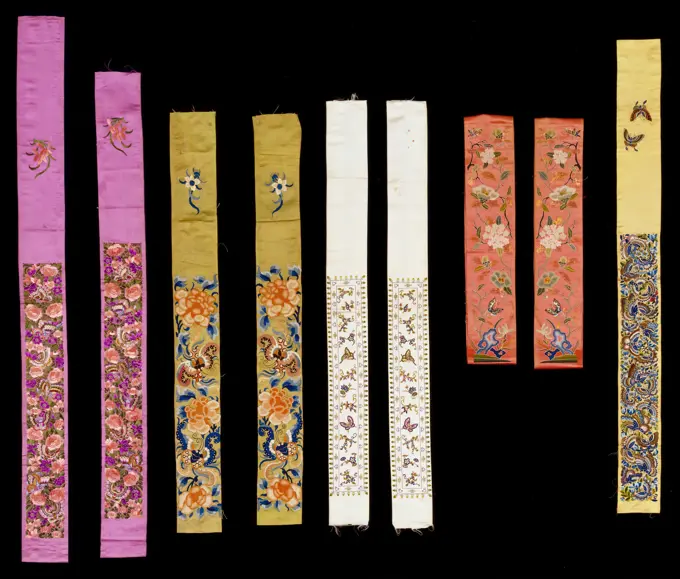
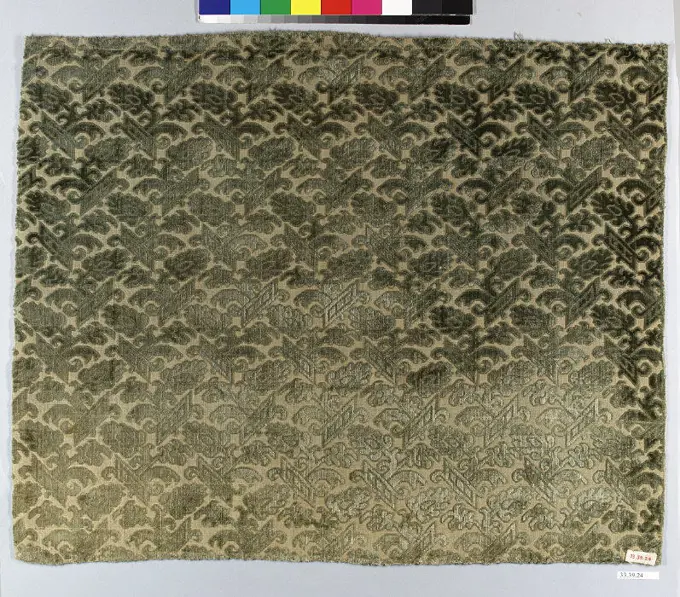
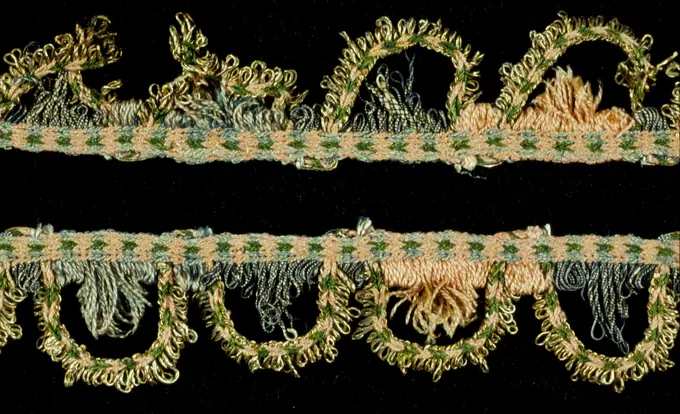
A selection of woven textile fragments from different periods, highlighting intricate designs in silk and metallic threads, showcasing textile artistry.

Textile, China, 18th-19th century, woven textiles, Textile
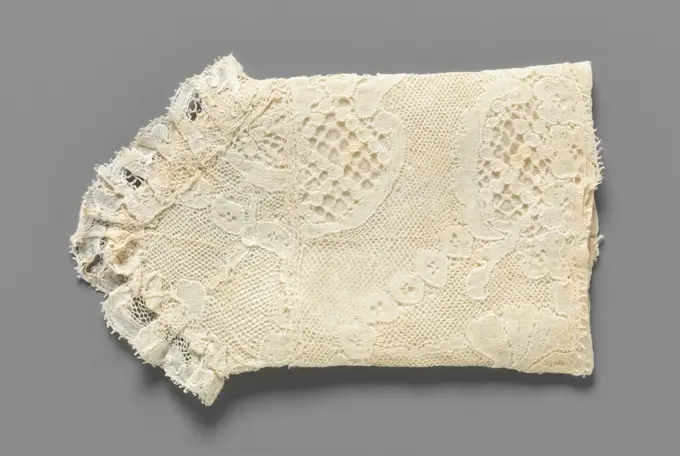
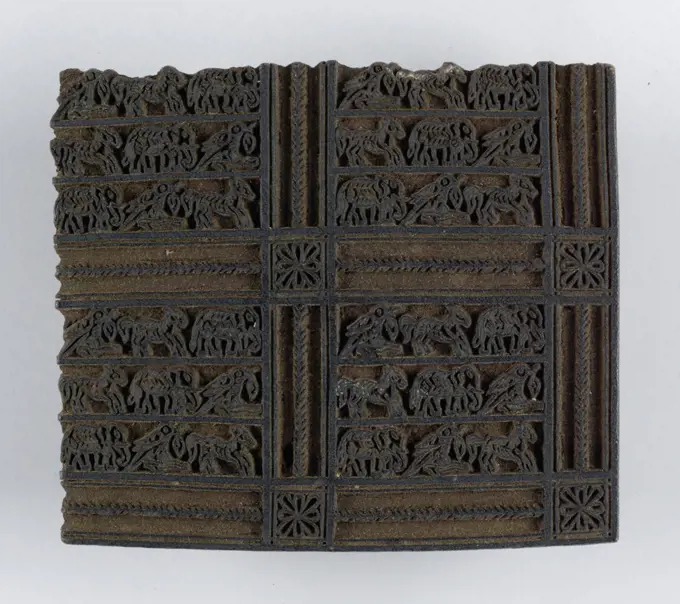
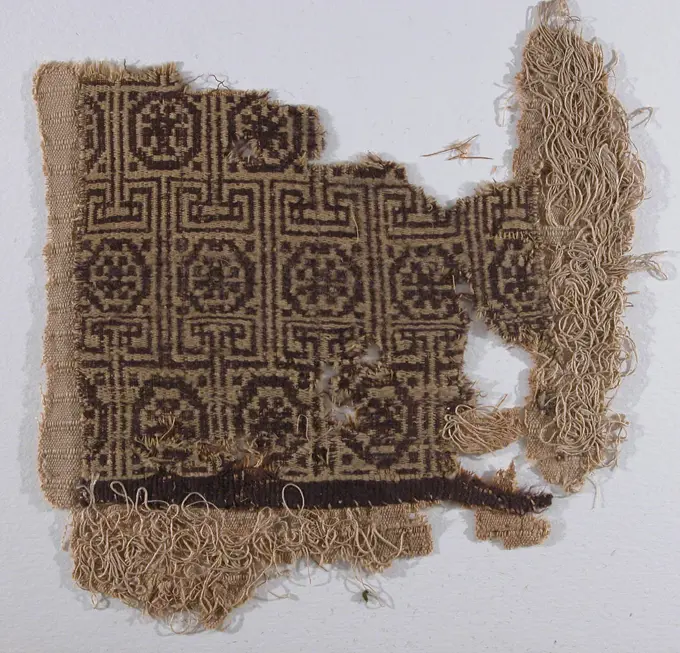
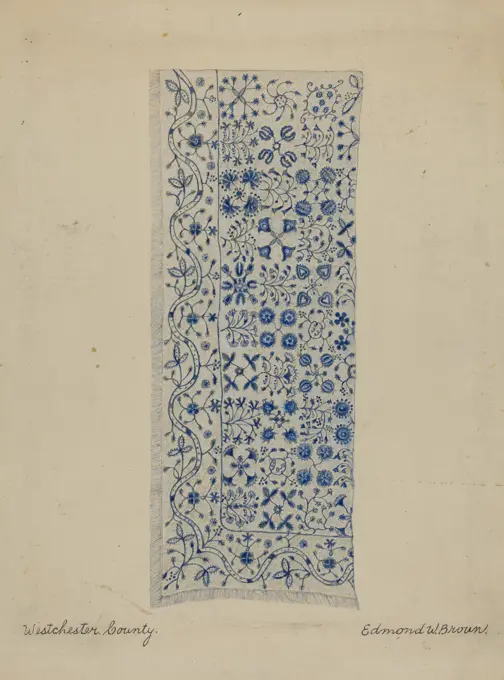
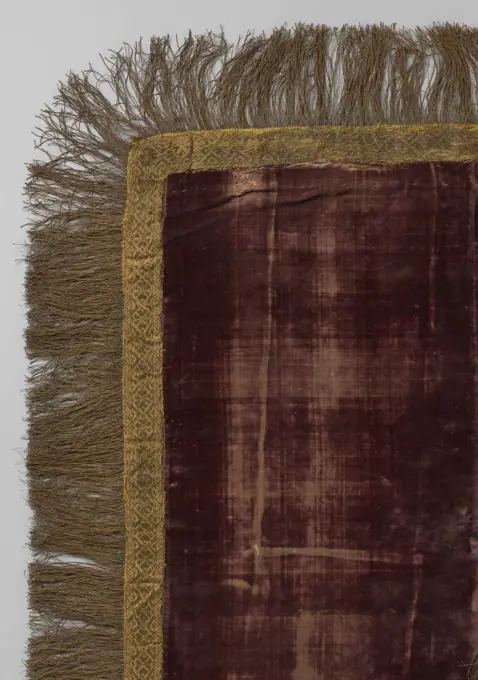
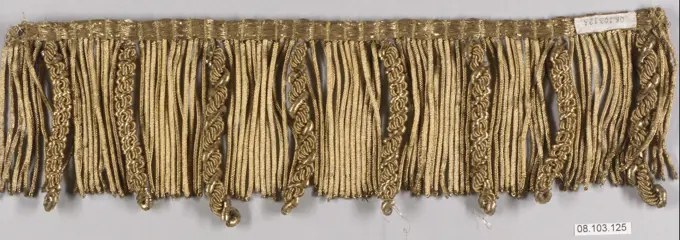
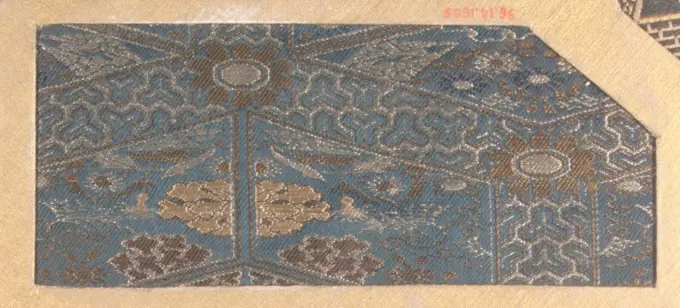
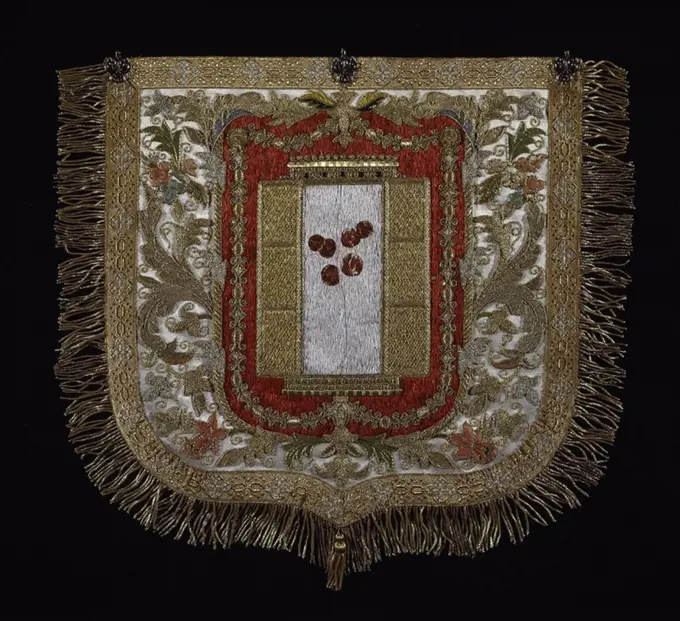
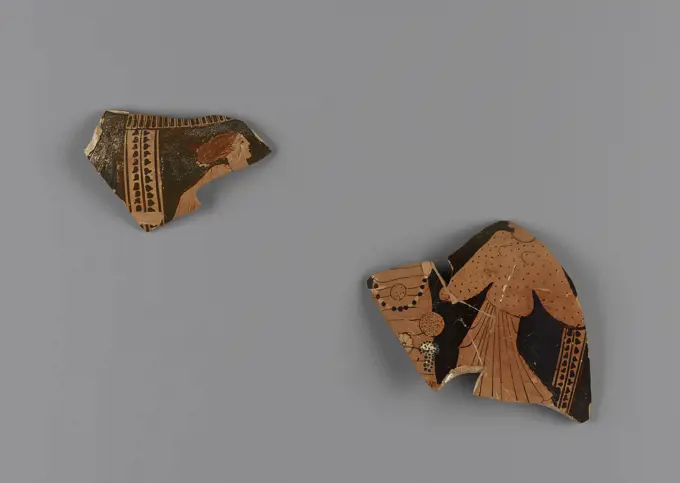
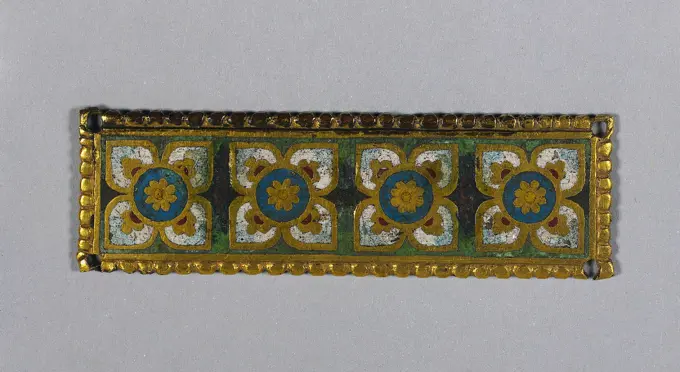
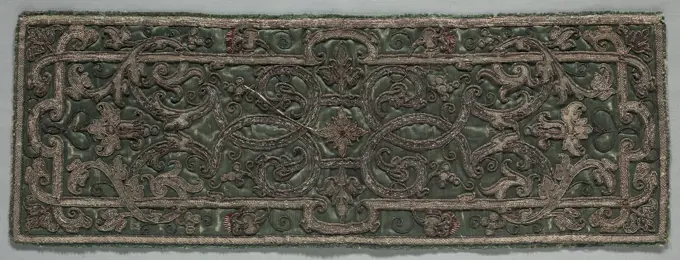
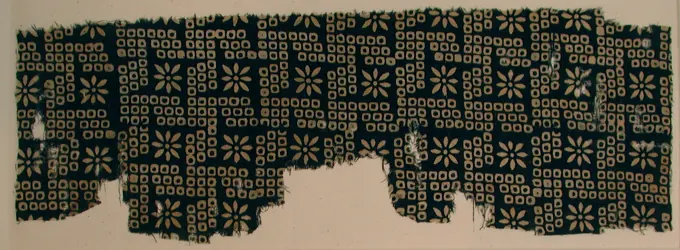
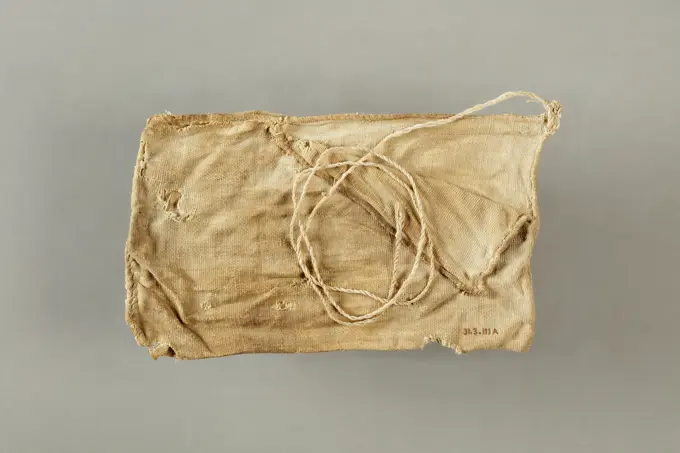
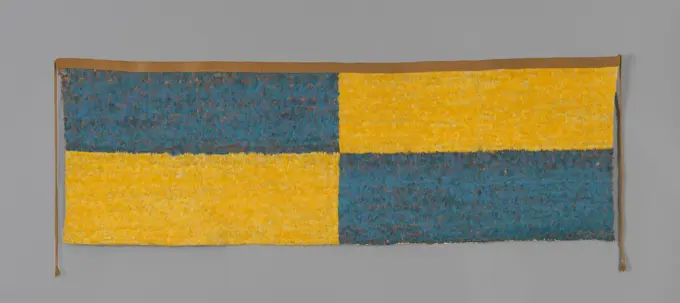
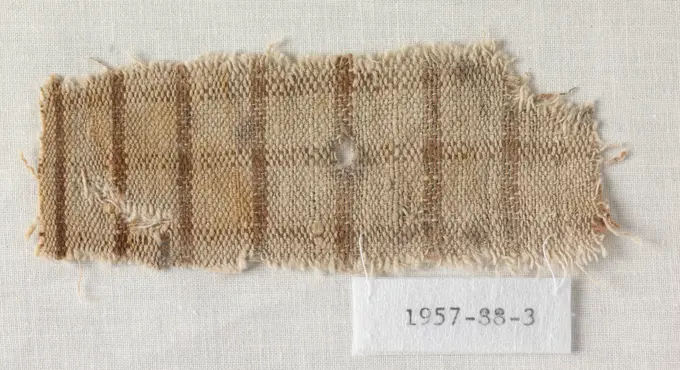
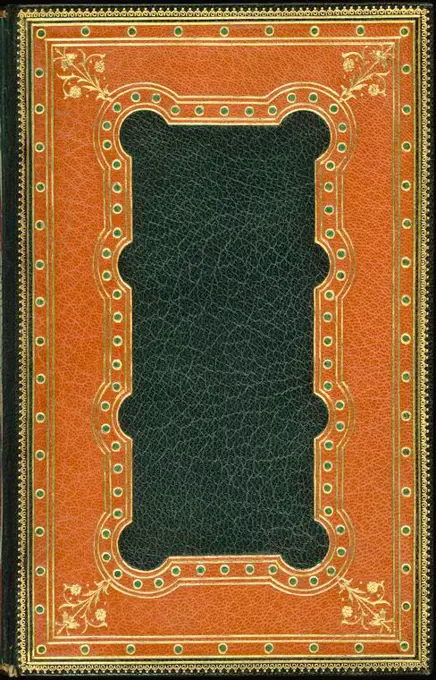
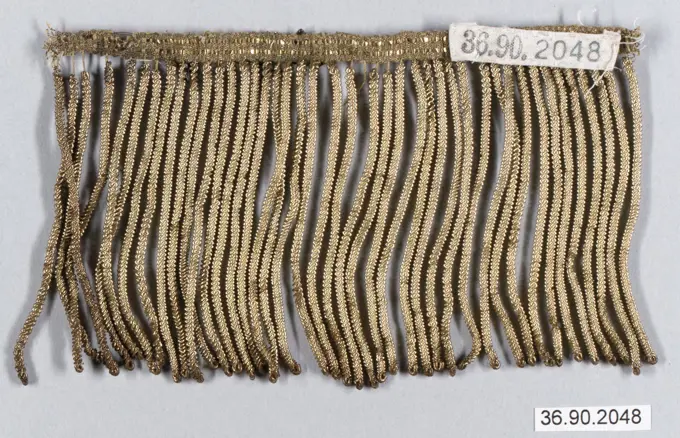
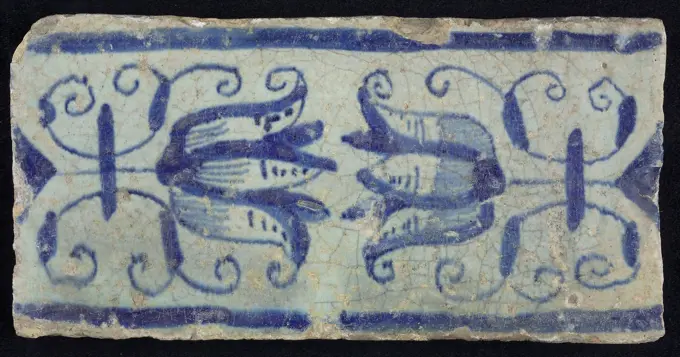
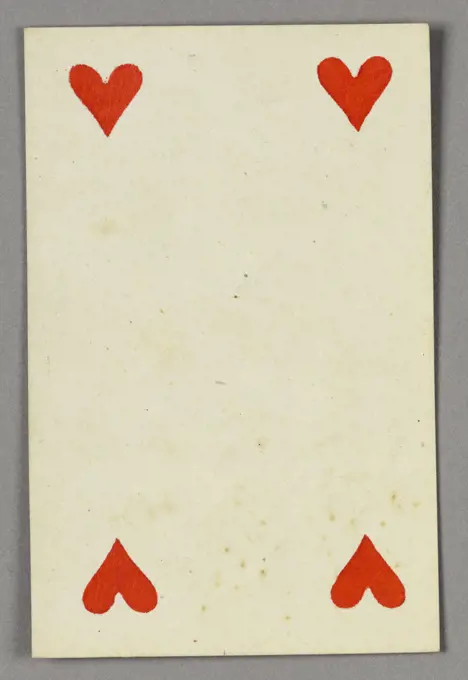
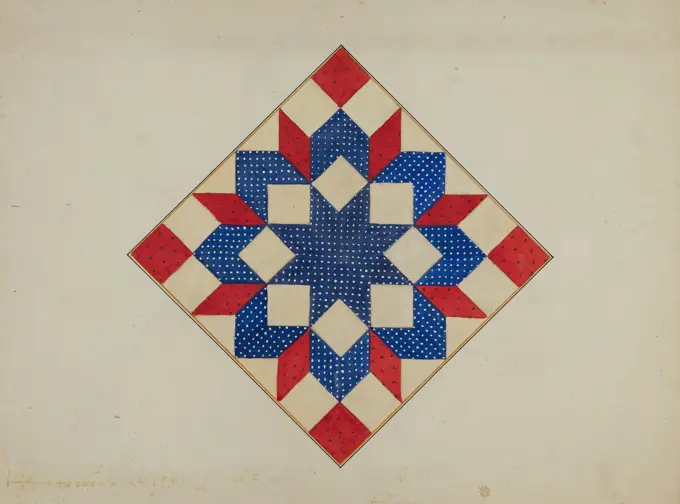
Edith Towner, Quilt  Double Star, c 1940 Quilt - Double StarSample (USA); linenFragment; silkBottom for a coif unknownKinderpolsmof van Kloskant lined with cream -colored silk, anonymous, c. 1700 - c. 1749 Kinderpolsmof of natural -colored bobbin side - Mechelen side - with a lining of cream -colored silk. Rectangular model with rounded end along which a wrinkled strip of Mechelse side is sewn. Mechelen Side: Linen (Material). Lining: Silk bobbin lace / Mechlin (lace) Kinderpolsmof of natural -colored bobbin side - Mechelen side - with a lining of cream -colored silk. Rectangular model with rounded end along which a wrinkled strip of Mechelse side is sewn. Mechelen Side: Linen (Material). Lining: Silk bobbin lace / Mechlin (lace)Printing block, Medium: wood Technique: carved, Carved block design shows squares containing very small animals arranged in rows. These squares are separated by strips with little medallions at crossings. Design is in relief. Block would print one corner of the pattern., India, 19th century, appliances & tools, Printing blockTextile Fragment 4th-5th century. Textile Fragment. 4th-5th century. Wool, linen; double weave (), plain weave, weft loop weave. Attributed to Egypt, Akhmim (former Panopolis). TextilesTextile Sample from Sample Book 19th century Japan. Textile Sample from Sample Book 68255Towel or Napkin Made 1701-1800 Turkey. embroidered .Ephemera; paperEdmond W Brown, Wool Coverlet, c 1936 Wool CoverletStrook passement met gouddraad.Strip passing of gold thread.Gallon;  beginning of the 19th century (1901-00-00-1910-00-00);Skirt, 1930, 117 x 35 in. (297.18 x 88.9 cm), Silk, Cambodia, 20th centuryTablecloth of silk velvet. Tablecloth of silk velvet, plain purple purple, finished with gemgalon and gold-frills. The galoon with zigzag pattern and four leaf. The tablecloth shows a lot of wear.Fringe probably European 19th centuryGallon;  beginning of the 19th century (1801-00-00-1810-00-00);Fragment (Italy); silkPiece 17th century China. Piece 71085Piece 18th-19th century Japan. Piece 67318CASULLA BORDADA - CAPILLO.Attic Red-Figure Column Krater Fragment; Athens, Greece; about 480 - 470 B.C; Terracotta; 10.7 cm (4 3,16 in.)Plaque, probably from a Reliquary Shrine, c. 1200-1250. Mosan, Valley of the Meuse, Gothic period, mid-13th century. Gilded copper; champlevé enamel; overall: 2.9 x 9.8 cm (1 1/8 x 3 7/8 in.).2 Band Fragments with Botanical Decoration Coptic. 2 Band Fragments with Botanical Decoration, 5th-7th century C.E. Linen, wool, Combined measurements: 1 3/4 x 9 3/4 in. (4.4 x 24.8 cm).   Egyptian, Classical, Ancient Near Eastern Art 5th-7th century C.E.Piece 17th century Japan. Piece. Japan. 17th century. Silk / Compound weave. Textiles-WovenTissue fragment with decorative tire, anonymous, 1100 - 1199 Natural linen tissue fragment with decorative tire with braid belt motifs and hares in carpet work. Egypt Ketting an element: Linen (material). Entry: Silk tapestry Natural linen tissue fragment with decorative tire with braid belt motifs and hares in carpet work. Egypt Ketting an element: Linen (material). Entry: Silk tapestryApparel from a Dalmatic, early 1500s. Italy, early 16th century. Embroidery; silk and metallic threads; overall: 19.7 x 54.3 cm (7 3/4 x 21 3/8 in.).Hat cover, 20th century, 9 3/4 x 8 1/2 in. (24.77 x 21.59 cm) (flattened), Cotton; needlework, Thailand, 20th centurySamples of lace from the Minutes Institut, Liegnitz collection; Belitski, Ludwig (1830-1902); 1854- (1854-00-00-1854-00-00);Legnica (Dolnośląskie Voivodeship), minutes of Institut (Legnica), lace, artistic crafts, fabricsBand Fragment with Botanical Decoration Coptic. Band Fragment with Botanical Decoration, 5th-7th century C.E. Flax, wool, 1 3/4 x 6 1/4 in. (4.4 x 15.9 cm).   Egyptian, Classical, Ancient Near Eastern Art 5th-7th century C.E.Baptismal veil of application side with lining, anonymous, c. 1850 - c. 1899 Baptismal veil of natural-colored Application side of Batist Applicated on Machine Tulle, Carrickmacross side. Pattern of thin curly flower and leaf stamps. Scalloped edge of Rococo cartouches with different fill patterns in the stitches. The veil is fed with cream -colored side. Ireland silk embroidering Baptismal veil of natural-colored Application side of Batist Applicated on Machine Tulle, Carrickmacross side. Pattern of thin curly flower and leaf stamps. Scalloped edge of Rococo cartouches with different fill patterns in the stitches. The veil is fed with cream -colored side. Ireland silk embroideringFrisian with three medallions, monogrammist FG, 1530 - 1540 print Fries with two relaxation of two two -bound volutes of leaf ranks between three medallions with the heads of men. The two outer medallions are each visible only half. Germany paper engraving ornament ~ medallionFragment 18th century Italian. Fragment. Italian. 18th century. Silk, metal thread. Textiles-VelvetsTextile 19th century Japan. Textile 67983Fragment Made 201 CE-400 CE Egypt. Linen and wool, tapestry weave .Sample early 19th century French. Sample 224685Man's Shirt (Saya wolo), 20th century, 46 1/2 x 51 1/2in. (118.1 x 130.8cm), Cotton, stripwoven, dyed with yellow wolo leaves., Mali, 20th centuryHandwork by Macramé, Aagje Tiket, c. 1900 Handicraft of Macramé-Frank in Vieux-Rose and green on white cardboard attached. Belonging to series of eight white and ten colored crafts, made by Aagje Tiket for achieving the deed of beautiful and/or useful handicrafts at the industrial school, BK-1974-105-A to R. Amsterdam cardboard Handicraft of Macramé-Frank in Vieux-Rose and green on white cardboard attached. Belonging to series of eight white and ten colored crafts, made by Aagje Tiket for achieving the deed of beautiful and/or useful handicrafts at the industrial school, BK-1974-105-A to R. Amsterdam cardboardSleeve of the outfit  on a cream background embroidered green clumps of orchids and sewn colorful tape unknownBag, 19th century, 8 1/2 x 6 1/4 in. (21.59 x 15.88 cm), Silk, beads; needlework, Uzbekistan, 19th centuryFringe, Medium: silk, gilt foil on a silk core Technique: woven, Fringe with a red heading and borders of gold thread. Overlay of gold threads on red skirt., Italy, 16th century, trimmings, FringeAltar-cloth. unknown, authorRoundel Made 201 CE-500 CE Egypt. Linen and wool, tapestry weave . CopticBand 16th century Italian. Band 226388Trimming (Spain); silk; Overall: 17.5 x 5 cm (6 7/8 x 1 15/16 in.)Textile 19th century Japan. Textile 67999Textile Fragment 13th-14th century Dated to either the thirteenth or fourteenth century, this plain-woven, block-printed, cotton textile fragment was once part of a much larger piece. This fragment exhibits the unique characteristics of technique and decoration associated with textile production in Western India, in the province of Gujarat, during the Middle Ages. The fragments bold design is rendered using a single block to create a grid pattern with smaller squares centered with rosette designs with dotted interiors on a dark blue monochromatic background. The design of this fragment is stylistically reminiscent of decorative motifs found in Jain architecture and painted manuscripts produced in Gujarat. The vibrancy of the blue dye points to Western India, which at the time was a popular production center for richly dyed and block-printed textiles. Throughout the centuries, there was an international demand for such fabrics.Found near the site of Fustat, Egypt, these textiles have bTextile Fragment 300-600 Coptic. Textile Fragment 475247Sampler, Medium: linen Technique: knots, chain, eyelet and loop stitches on plain weave, Six cross borders, geometrical patterns in embroidery; initials 'YDK' crowned 'ANNO 17012'; edged with small knots., Germany, 1701-02, embroidery & stitching, SamplerMitaine of white knitted cotton, c. 1750 - c. 1800 Mitaine of white knitted cotton, decorated with hexags with a core block. At the top a split with hook and trensje. Marked in brown: ael. West-Europa whole: Cotton (textile) knitting Mitaine of white knitted cotton, decorated with hexags with a core block. At the top a split with hook and trensje. Marked in brown: ael. West-Europa whole: Cotton (textile) knittingFragment, Medium: wool Technique: weft 2-1 twill, Somewhat loose, irregular weft in undyed wool (tightly S-spun warps; untwisted wefts)., Egypt, 3rd-4th century, woven textiles, FragmentLinen bag Late Period 664-332 B.C. View more. Linen bag. 664-332 B.C.. Linen, cord. Late Period. From Egypt, Upper Egypt, Thebes, Asasif, Tomb MMA 812, MMA excavations, 1929-30. Dynasty 27-30Linen and Cotton Homespun. Dated: c. 1940. Dimensions: overall: 23 x 18 cm (9 1/16 x 7 1/16 in.) Original IAD Object: 2" wide; 4" long. Medium: watercolor and graphite on paper. Museum: National Gallery of Art, Washington DC. Author: Frank S. Browne.Fragment of Embroidery  Position unknownCushion Cover, 1700s. China, Qing dynasty (1644-1911). Silk, metallic thread; overall: 3.2 x 42.5 cm (1 1/4 x 16 3/4 in.).Feathered Panel A.D. 600-900 Wari The discovery of an ancient burial or ceremonial site in the upriver region of the Churunga Valley, in far south Peru, received little attention in the turbulent world of 1943. Decades later, it would take two generations of Andean scholars to painstakingly piece together the puzzling story of this discovery, which included the largest and most spectacular find of Precolumbian Peruvian feather work to date.Protected from decay by being rolled, placed into large ceramic jars, and buried in the arid soil, the cache included an estimated ninety-six panels, each densely covered with tens of thousands of small glossy macaw body feathers, primarily from the blue and yellow macaw (Ara ararauna). Although these panels were found in the dry western foothills of the Andes, the birds home is the Amazonian rainforest, far to the east. The effort required to secure such a mind-bogglingly large supply of either feathers or live birds suggests that colorful feathersFragment (Peru); cottonPanel, 20th century, 54 x 30 in. (137.16 x 76.2 cm) (uneven), Cotton, Mali, 20th centuryRound medallion with a floral ros on either side; Series of six ornaments for goldsmiths. .Patchwork from Spread (Quilt). Dated: c. 1939. Dimensions: overall: 44.4 x 22.1 cm (17 1/2 x 8 11/16 in.). Medium: watercolor and graphite on paper. Museum: National Gallery of Art, Washington DC. Author: Inez McCombs.Piece 18th century Japan. Piece 71336Wall Facing (Netherlands); tin-glazed earthenware, underglazeSuspenders 19th century European. Suspenders 98250Textile Fragment 5th century. Textile Fragment 443908Drawing, Design for a bracelet; ItalyTextile Fragment 6th-7th century Coptic. Textile Fragment 475233Table Frontal Made 1804 China. Silk, warp-float faced 3 1 'Z' twill weave with gold-leaf-over-lacquered-paper strips supplementary facing wefts and supplementary pile warps forming cut voided velvet; top border cotton, plain weave; painted inscription; lined with cotton, plain weave; painted inscription .Fragment; silk; Warp x Weft: 114.2 x 50 cm (44 15/16 x 19 11/16 in.)Band, Medium: silk of many colors, gold metallic foil wound onto yellow silk, silver metallic foil wound onto white silk. Technique: needle lace, metallic, Border of gold metallic lace with colored silks in a pattern of floral and foliated forms and animal images. Gold is wound around a linen core to create a metallic thread., Europe, 16th century, lace, BandTwo tiles, anonymous, c. 1500 - c. 1560 Two tiles decorated with circles segments and intersecting lines. In the circle circumference saved in gothic letters, the inscription: wait you from probe, that is tijt, soe doedi well and that doot is fast. Netherlands earthenware. lead glaze Two tiles decorated with circles segments and intersecting lines. In the circle circumference saved in gothic letters, the inscription: wait you from probe, that is tijt, soe doedi well and that doot is fast. Netherlands earthenware. lead glazeHandkerchief. unknownBedspread with Zaans stitching .. Bedspread, Z.G. Zaans Stitching. In the middle a sculpt medallion with four carnations. Edge of tape work with carnations and a lampet can with pomegranate in every corner.Fragment (from a Large Hanging). Coptic; Egypt. Date: 400 AD-500 AD. Dimensions: 13.3 × 14 cm (5 1/4 × 5 1/2 in.). Linen and wool, plain weave; uncut pile weave. Origin: Egypt. Museum: The Chicago Art Institute, Chicago, USA. Author: Ancient Egyptian.Sampler early 19th century British. Sampler. British. early 19th century. Silk on linen canvas. Textiles-EmbroideredTrimming, White, black, and colored silks in velvet weave., Two shields, each under one crown. One shows a Maltese cross in each of two quarters and a tree with two small animals in each of two quarters. The other shield shows a horseman with a motto. Colors are blue, purple, green, yellow, and black on a white ground., Italy, 18th century, trimmings, TrimmingStar-Shaped Tile Fragment 10th-11th century. Star-Shaped Tile Fragment 451856Fragment of a Ship Flag, anonymous, c. 1630 - c. 1707 ship flag Fragment from the underside of the brush side of a blue ship's flag: white rectangle with red cross in the upper neck. This is a British blue ship flag from the period 1630-1707. England wool  flag, colours (as symbol of the state, etc.) EnglandStandard of the fifth regiment dragonders. Yellow cream-colored banner cloth deposited with golden frills. A crowned graceful W. the inscription underneath: 5th regement dragonds; Along the silk green branches with orange berries. On the parade capacity the crowned weapon of the kingdom, with banderole on which the arms spell: your Maintiendrai, held by two crowned lions; This whole is surrounded by two up bent laundry branches, which are held together at the bottom through a rose bow; Along the silk green branches with orange berries.Fragment 17th century Portuguese. Fragment 230278Pair of Sleeve Bands, 19th century, L.43 x W.4 in, silk, embroidery, China, 19th centuryFront doublure.. Brillat-Savarin (1755-1826). bindings (gathered matter components), Book covers. 1879. Spencer Collection. BookbindingPiece 16th-17th century Italian. Piece 222631Ribbon French 19th centuryTextile Patch Textile Patch Isolated On White Copyright: xZoonar.com/KristinaxAfanasyevax 1750181Wooden comb from 14th Century EgyptTrim, fringe, 18th-19th century, 2 x 30 1/2 in. (5.08 x 77.47 cm), Silk; passementerie, 18th-19th centuryFringe early 19th century European. Fringe 225128Strip of Goudkant.strip or Gold Side.Embroidery Sample (USA); Designed by Alberto Fasola (1892 - 1978); Manufactured by Rialto Art Embroidery; rayon, sequins, beads, metallic yarnsTextile 19th century Japan. Textile 68003Blue border tile, waving floral pattern with tulips, above and below blue border, border tile wall tile tile sculpture ceramic earthenware glaze, baked 2x glazed paintedTextile Fragment, undetermined Textile Fragment, undetermined, 1000-1532. Cotton, 13/16 × 13/16 in. (2.1 × 2.1 cm).   Arts of the Americas 1000-1532Medallion, Medium: Warp: S-spun linen. Wefts; S-spun linen, S-spun wool Technique: slit tapestry with supplementary wrapping, Medallion in the form of an eight pointed star containing a circle. Maroon on white ground., Egypt, 3rd-4th century, woven textiles, MedallionOrphrey band fragment, Medium: silk, linen, metallic Technique: complementary weft 2/1 twill, Fragment of an orphrey with a rosette, paired bird and the word 'Maria'. Horizontal gold herringbone background with incomplete design of red, blue, and gold rosette at bottom. 'Maria' in the center, and green trees with small red and white blossoms with perching blue birds at top., Cologne, Germany, 15th century, woven textiles, Orphrey band fragmentBeautiful textileFour of Hearts from Set of 'Jeu Imperial-Second Empire-Napoleon III' Playing Cards, F. Chardon, French, active 19th c., Lithograph on glazed paper, Four of Hearts from Set of 'Jeu Imperial-Second Empire-Napoleon III' Playing Cards., Paris, France, 1858, Playing Card, Playing CardClose-up of carvings on the wall, Rajmahal, Jaisalmer, Rajasthan, IndiaTrimming, New York, USA, ca. 1893, woven textiles, TrimmingDe Ronde Lutheran Church burned down, September 18, 1822, 1822  Square copper medal. Front: Inscription. Reverse: Blanco. Netherlands copper (metal) engraving  Amsterdam. Round Lutheran ChurchTextile Swatches Onondaga Silk Company, Inc. (1925-1981). , 1948-1959. Silk, a: 22 1/4 x 17 in. (56.5 x 43.2 cm).    1948-1959