Woven Textile Artifacts

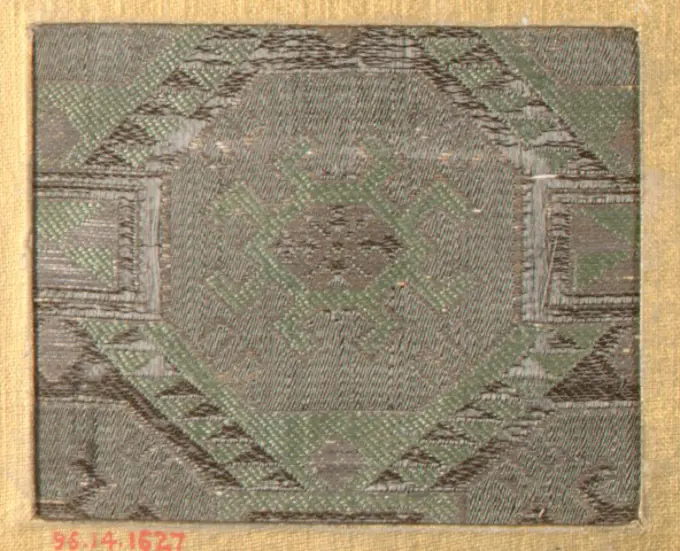
A selection of woven textile fragments from different periods, highlighting intricate designs in silk and metallic threads, showcasing textile artistry.

Textile, China, 18th-19th century, woven textiles, Textile
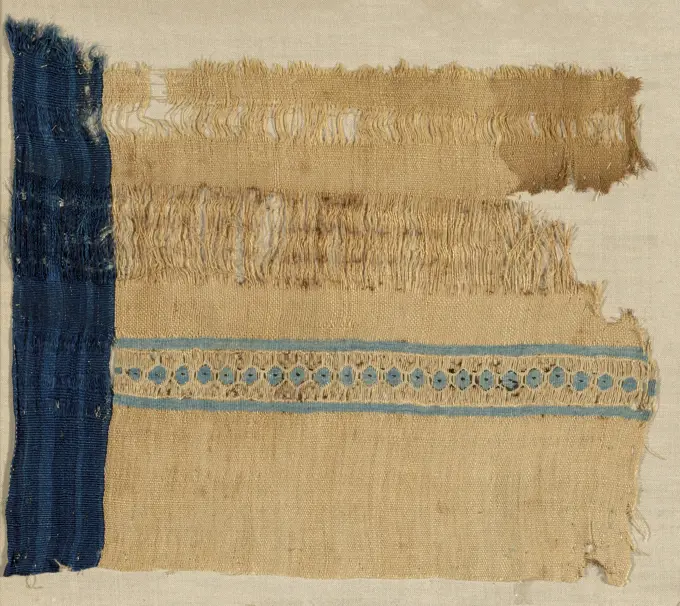
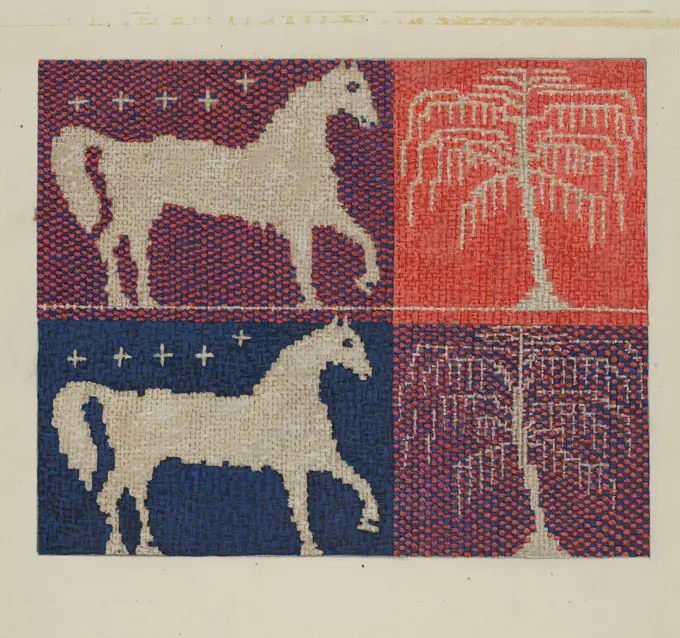
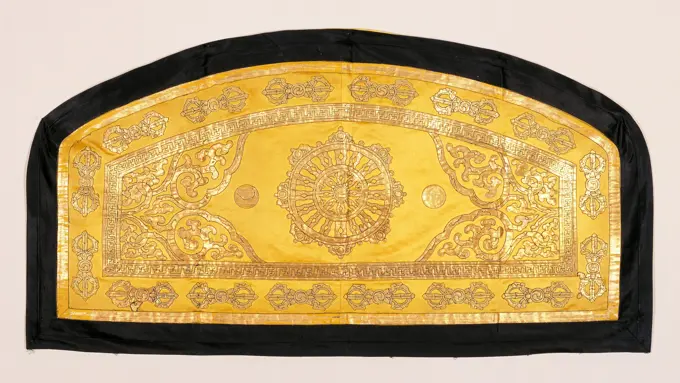
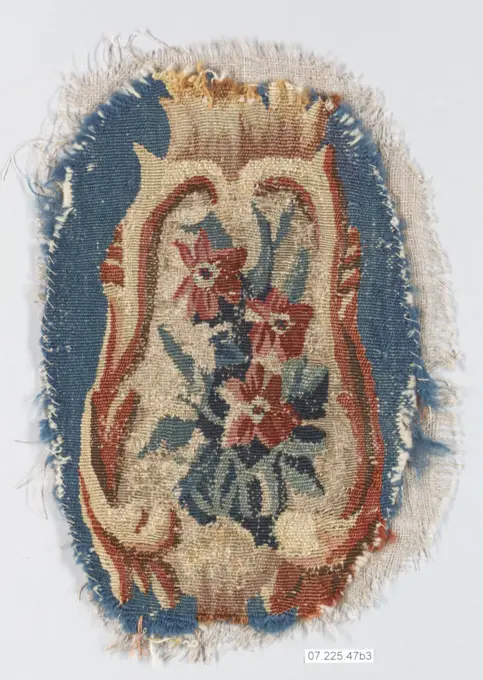
Rocaille cartouche with flowers ca. 1735-50 Probably manufactured in the Beauvais. Rocaille cartouche with flowers 230687Fringe early 19th century French. Fringe 224936Medallion; warp; s-spun linen. wefts; s-spun linen. s-spun woolRelic of St. Adelaide, c. 1045. Germany, Lower Saxony, Romanesque period, 11th century. Bone, plain weave blue silk; This relic is housed inside of the portable altar commissioned by Countess Gertrude of Brunswick, one of the Guelph Treasure’s earliest and most sumptuous objects.Carpets (1). Album leaf with four photos of carpets. Part of photo album from the Palthe family from Almelo.Piece 18th-19th century Japan. Piece. Japan. 18th-19th century. Silk. Textiles-WovenFragment Made 801 CE-1300 Egypt. Linen and silk, slit tapestry weave .Towel Ends late 18th-early 19th century. Towel Ends 451177old burnt paper old burnt paper over white background ,model released, Symbolfoto Copyright: xZoonar.com/RuslanxNassyrovx 2020286 ,model released, Symbolfoto ,property releasedRuth M Barnes, Coverlet Detail Farmer's Fancy, c 1937 Coverlet Detail Farmer's FancyLamaist chair back cushion cover, mid 19th century, L.47-1/4 x W.25 in., Satin and velvet with gold-leaf appliqué; needlework, China, 19th century, Textiles played a fundamental role in most Buddhist monasteries. Woven thankas and banners were suspended from pillars and beams, wool rugs covered floors and benches, silk frontals decorated most altars, and seat cushions, like this one, were placed on the chairs of senior priests. The prominent gold appliqu and imperial yellow silk here suggest that this cushion belonged to a Lamaist temple under Chinese court patronage. The center displays the cakra, or wheel of the law, a common symbol for the Buddha's teaching. The border features another conventional emblem, the vajra, or thunderbolt, which symbolizes both the emptiness and illusion of the world as well as the power of enlightenment.Great Image of the Flag of ScotlandVintage background with old postcard